The Analog Catalog
The Analog Catalog is an experiment in how small individual actions can transform when they become part of a collective effort. Read on to see how it came about!

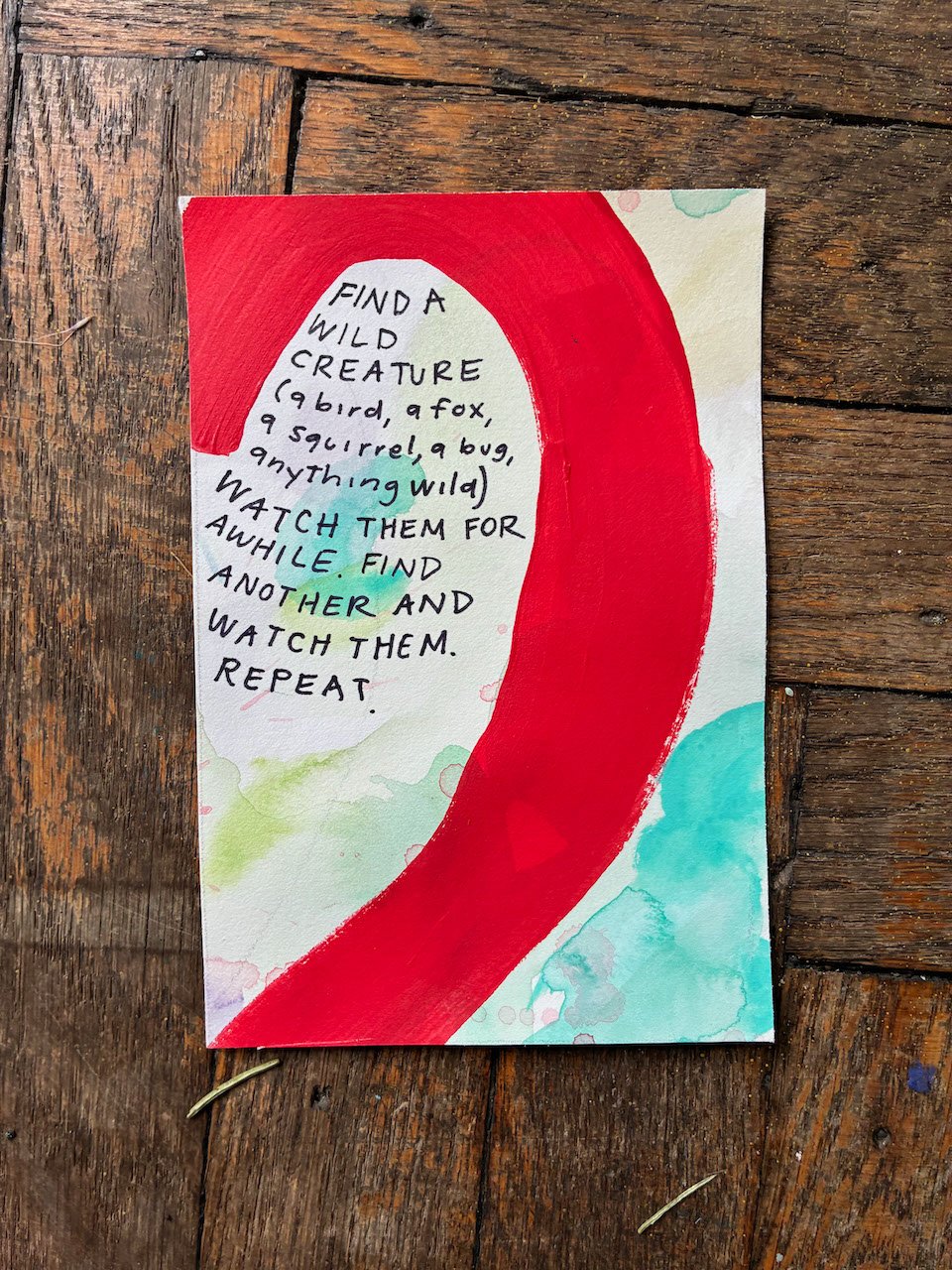
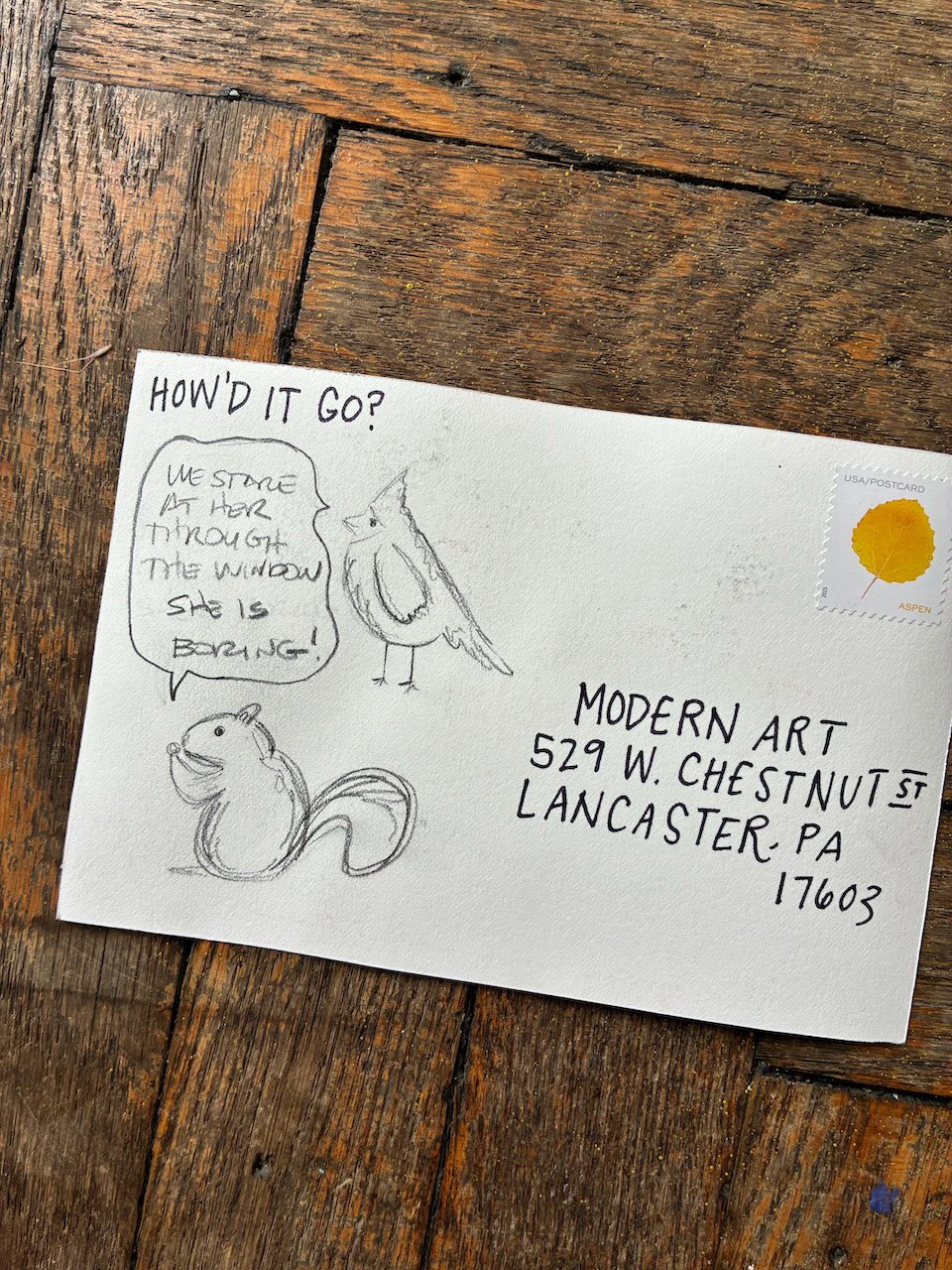
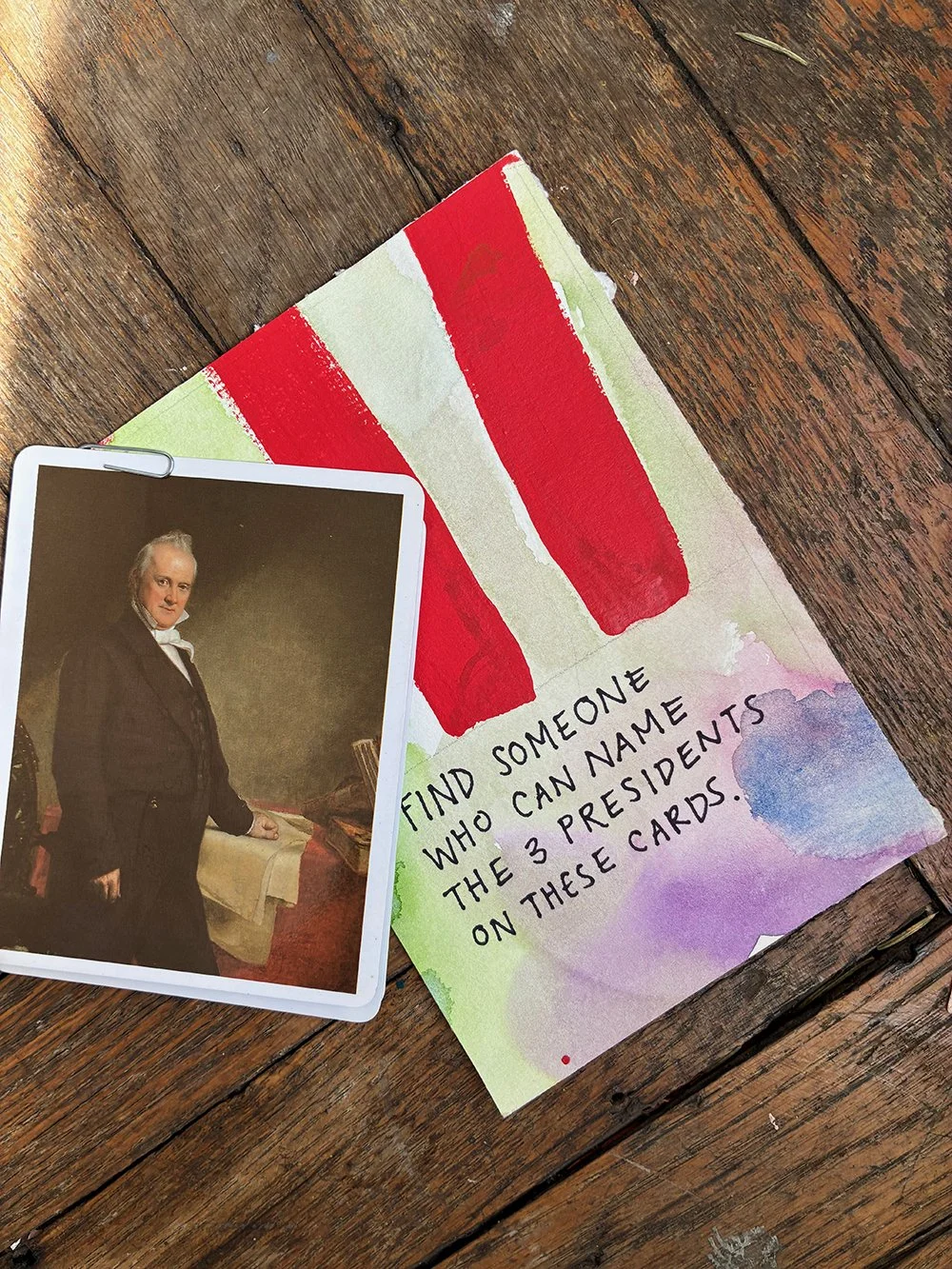
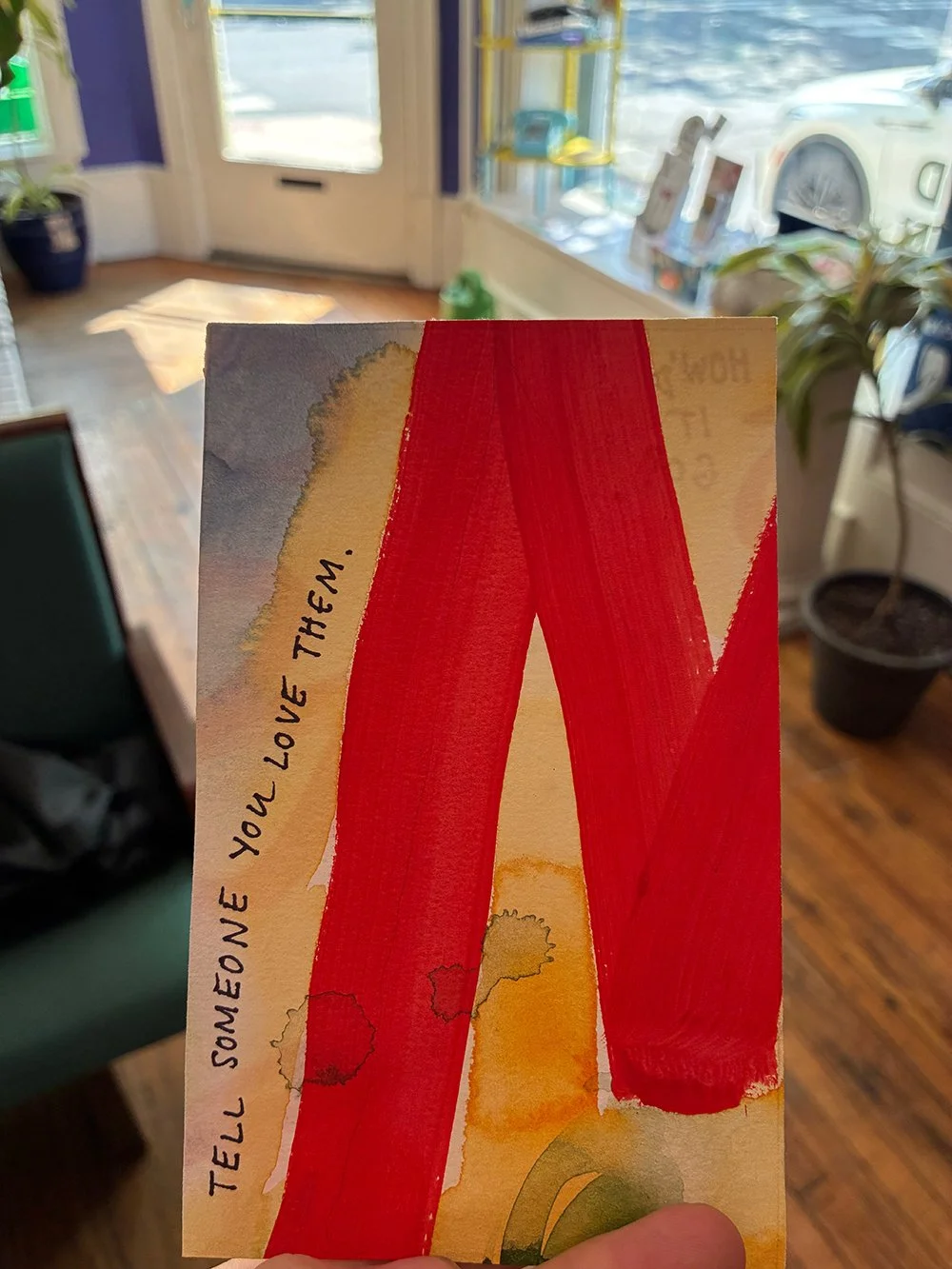
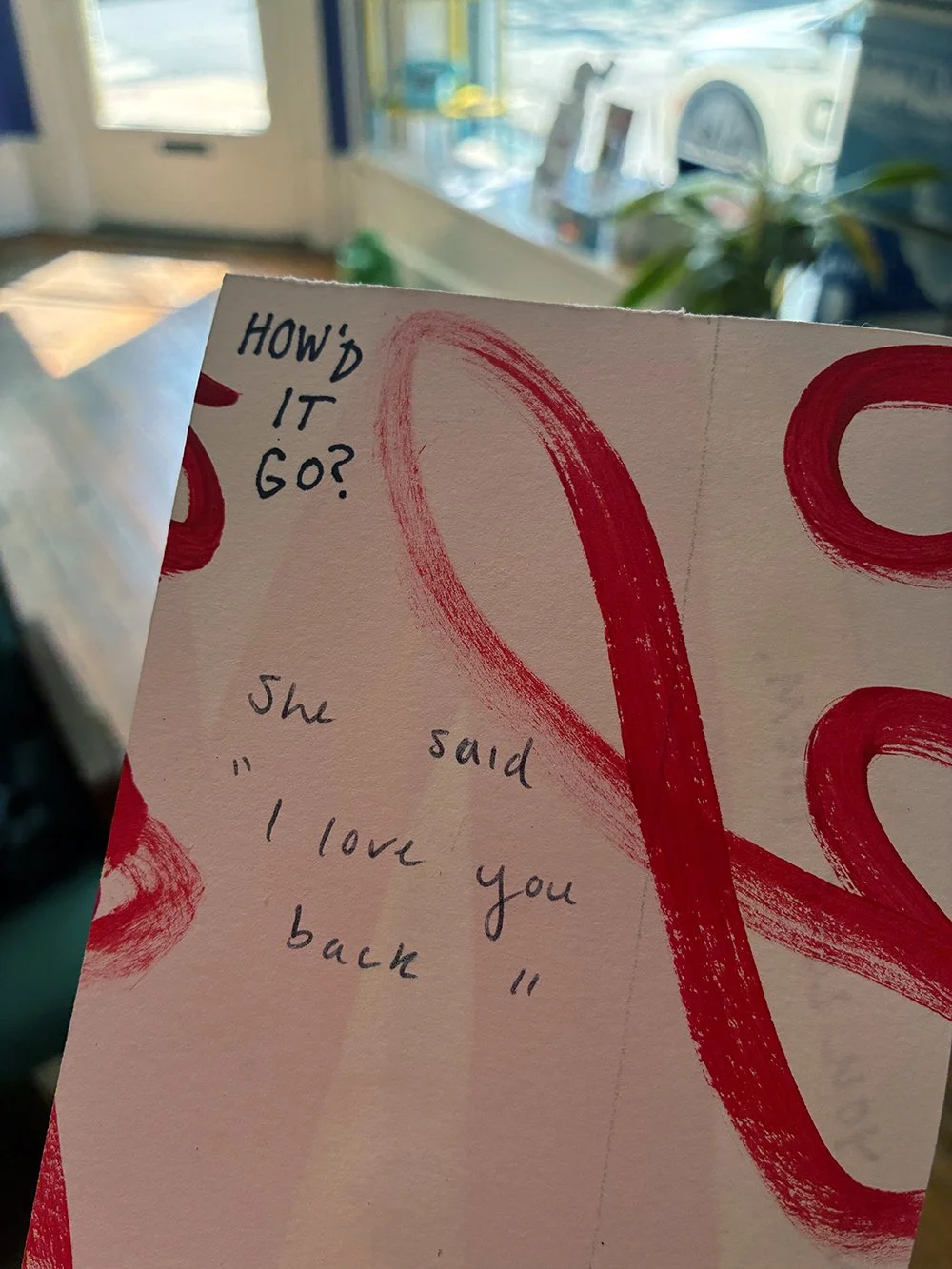
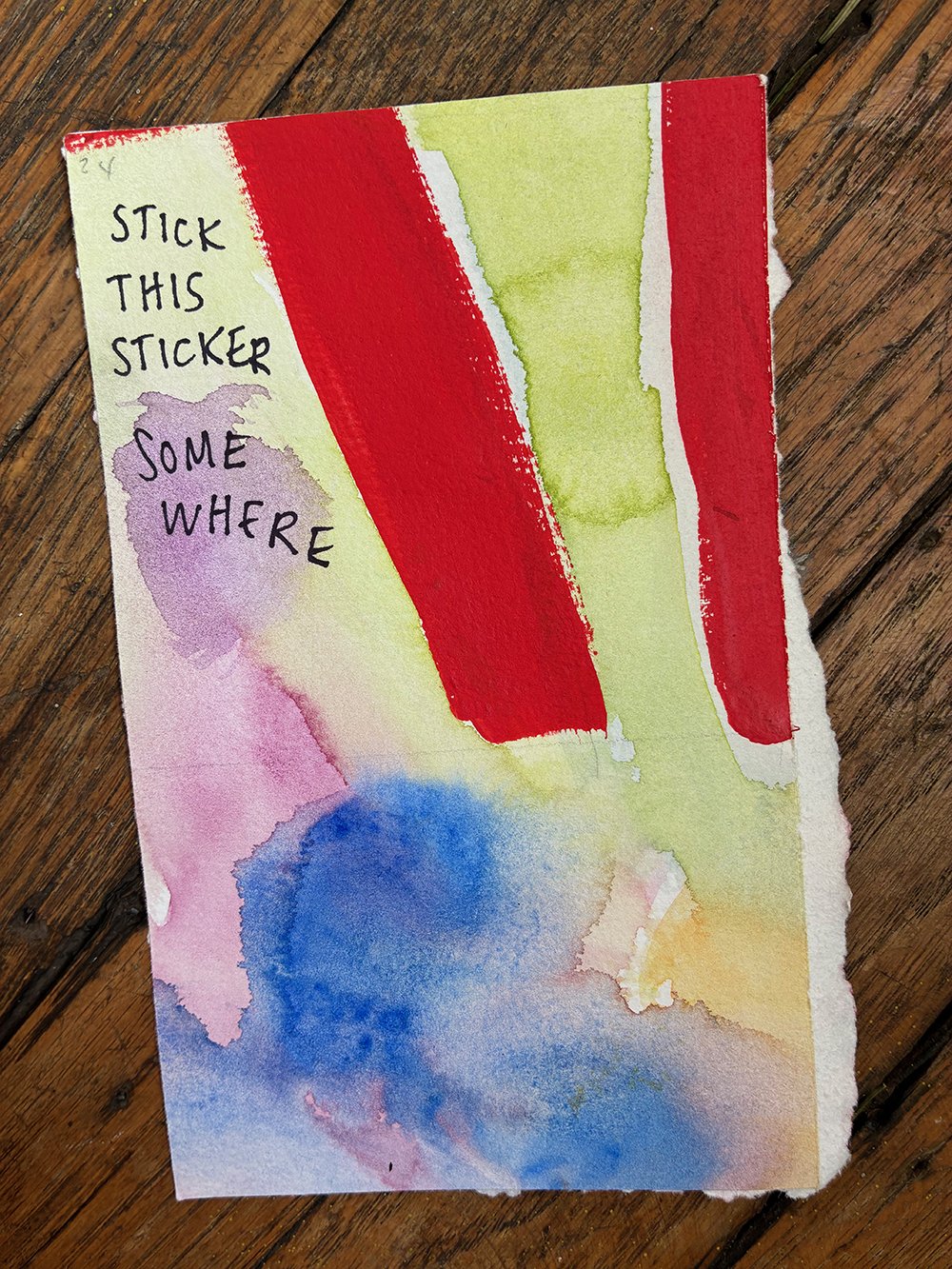
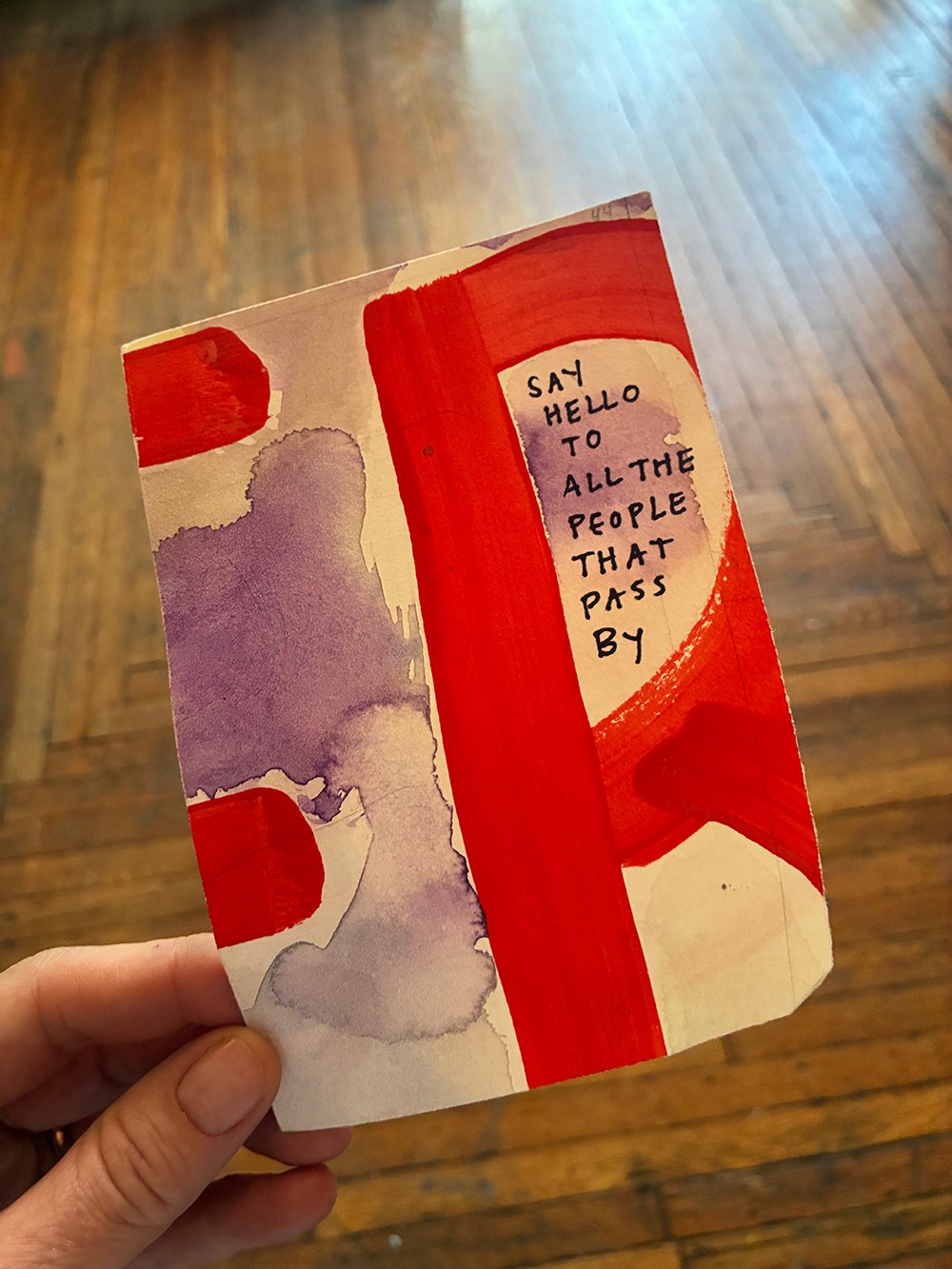
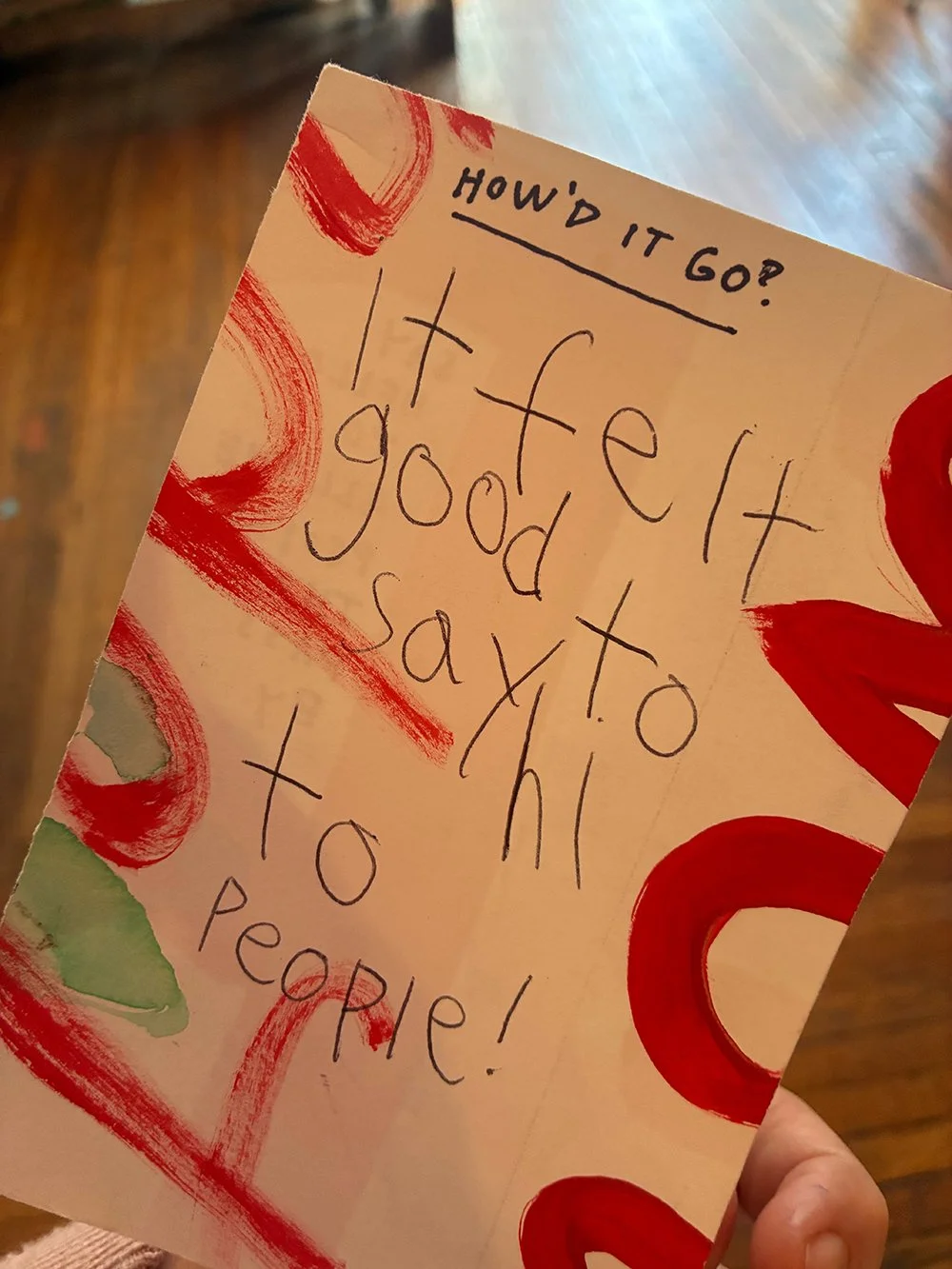
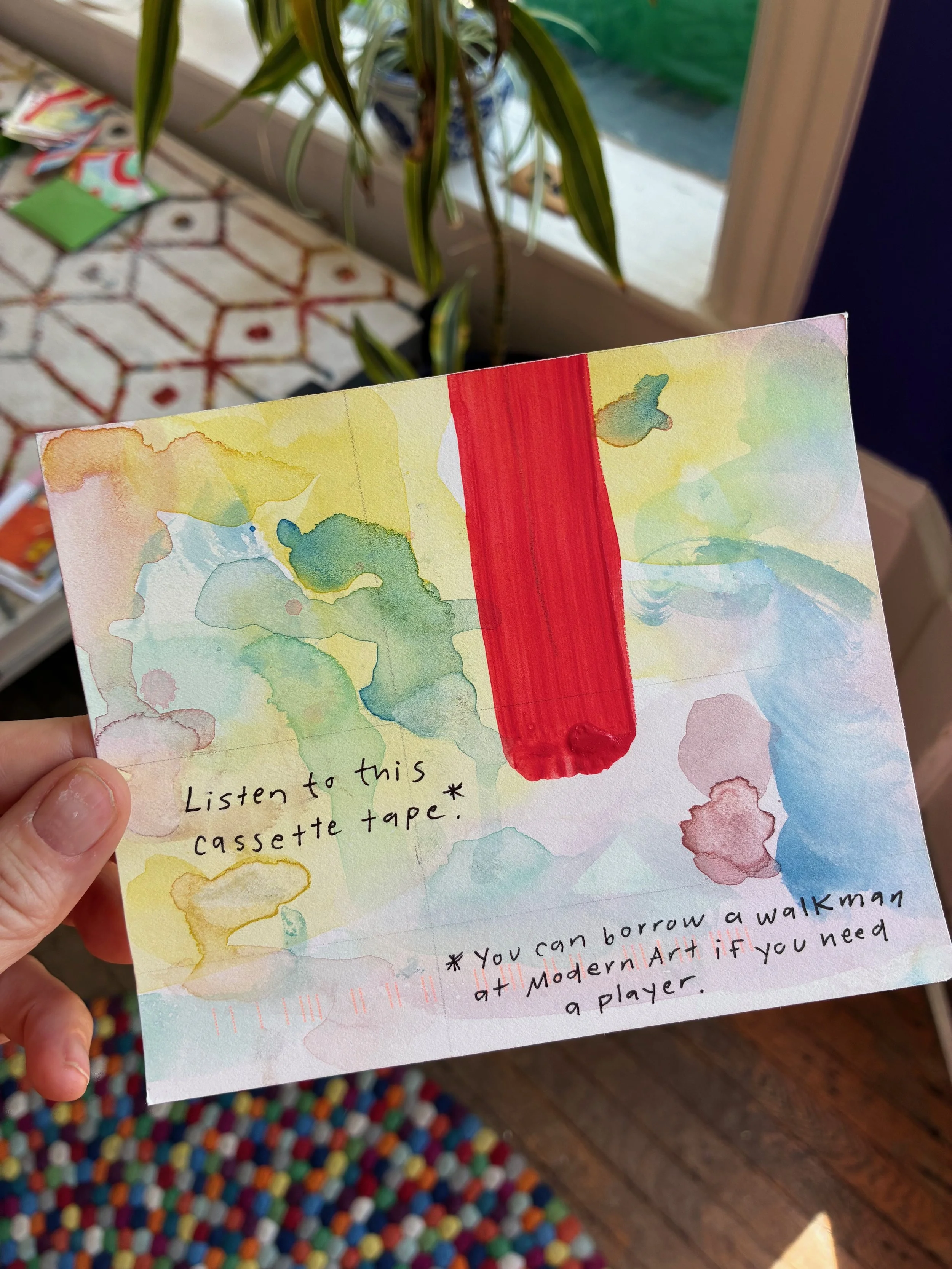
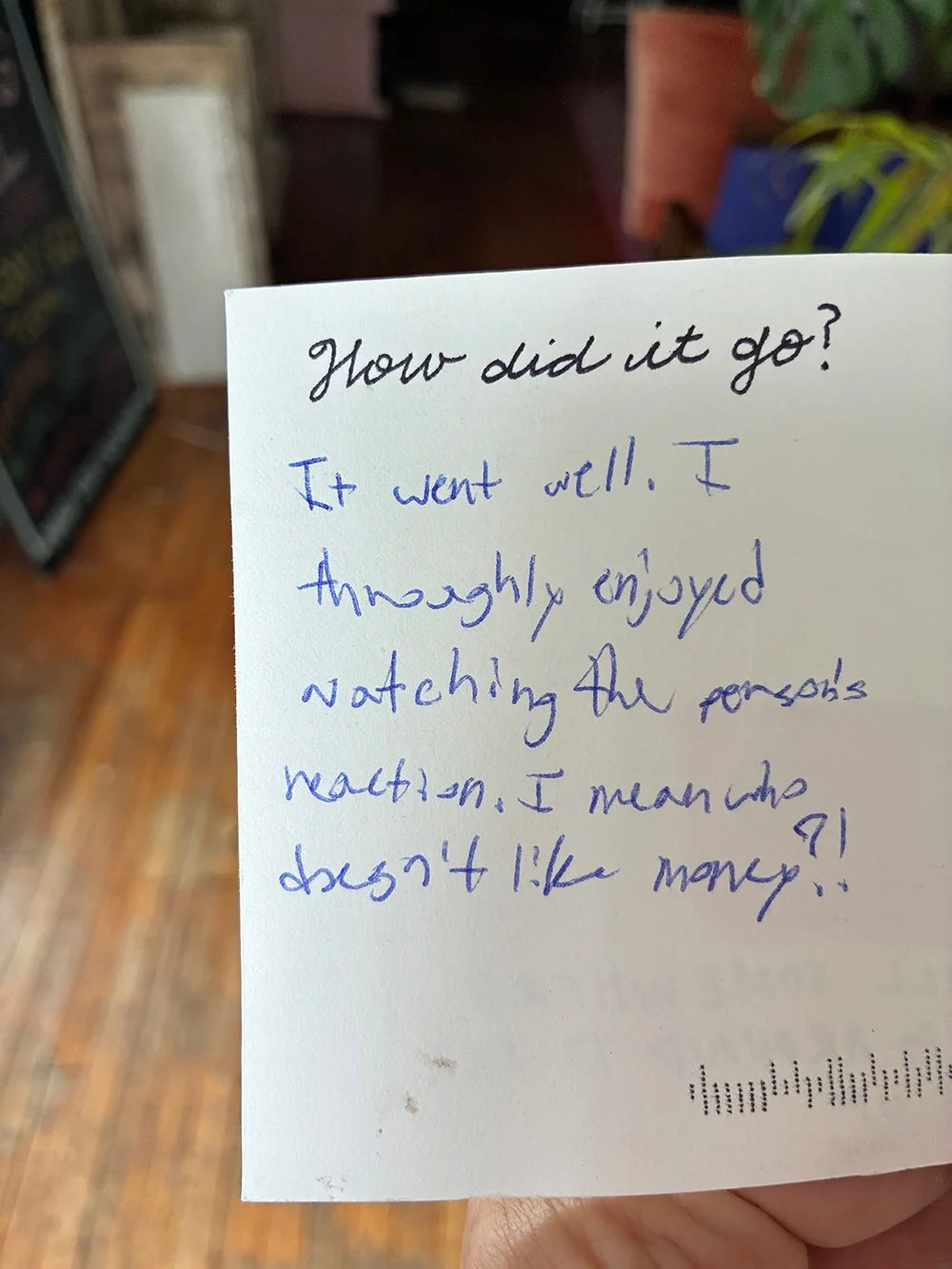
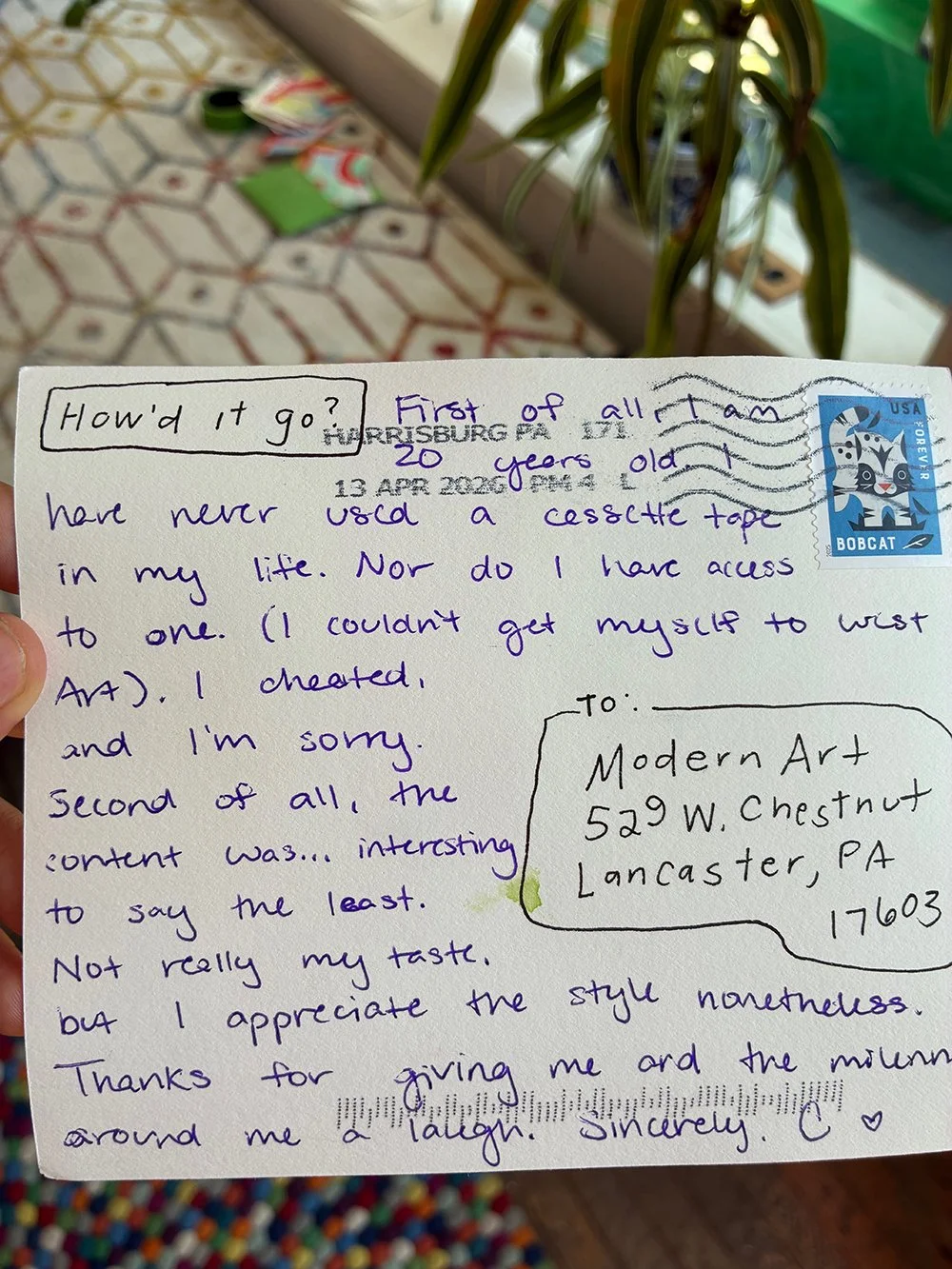
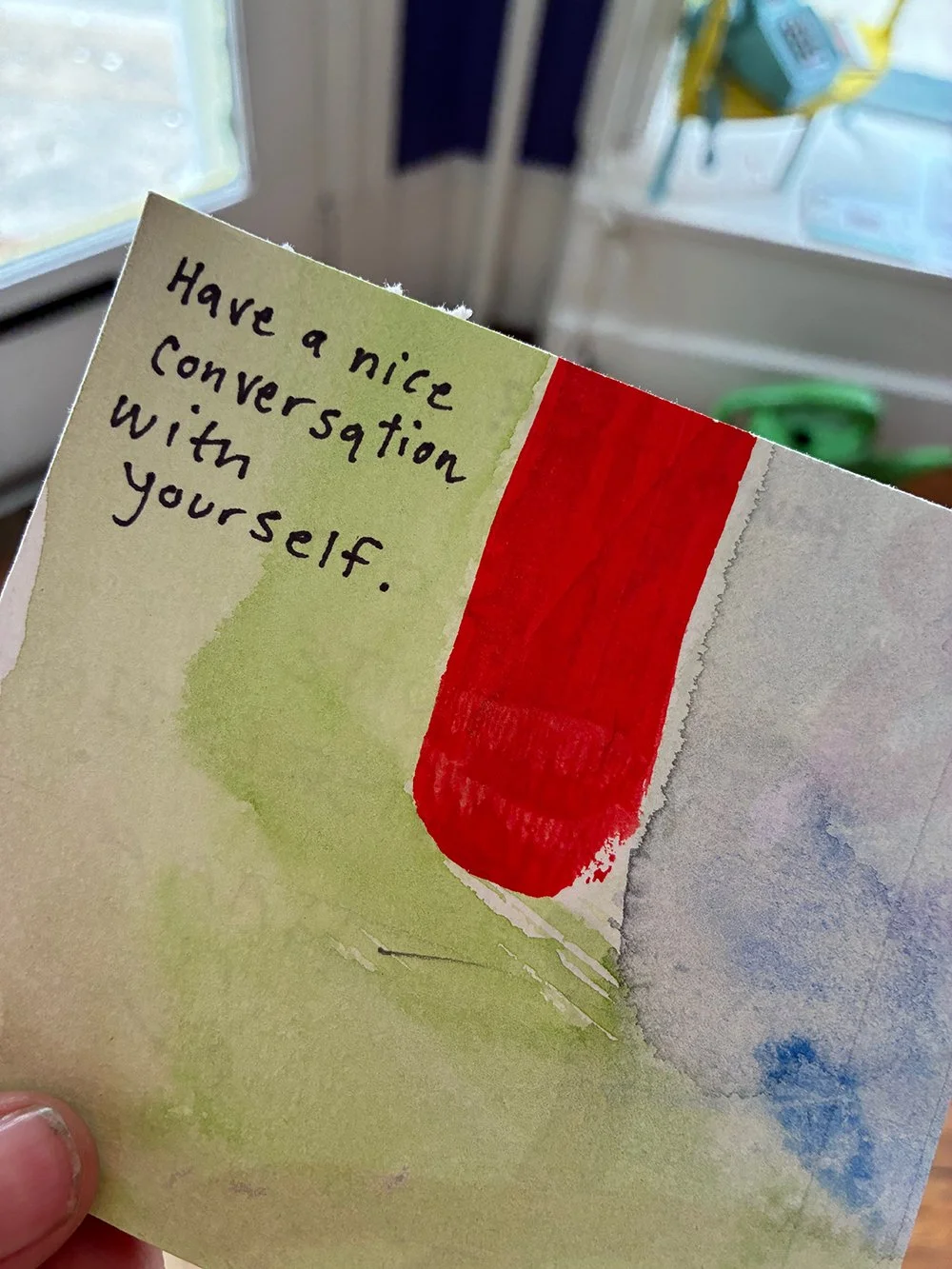
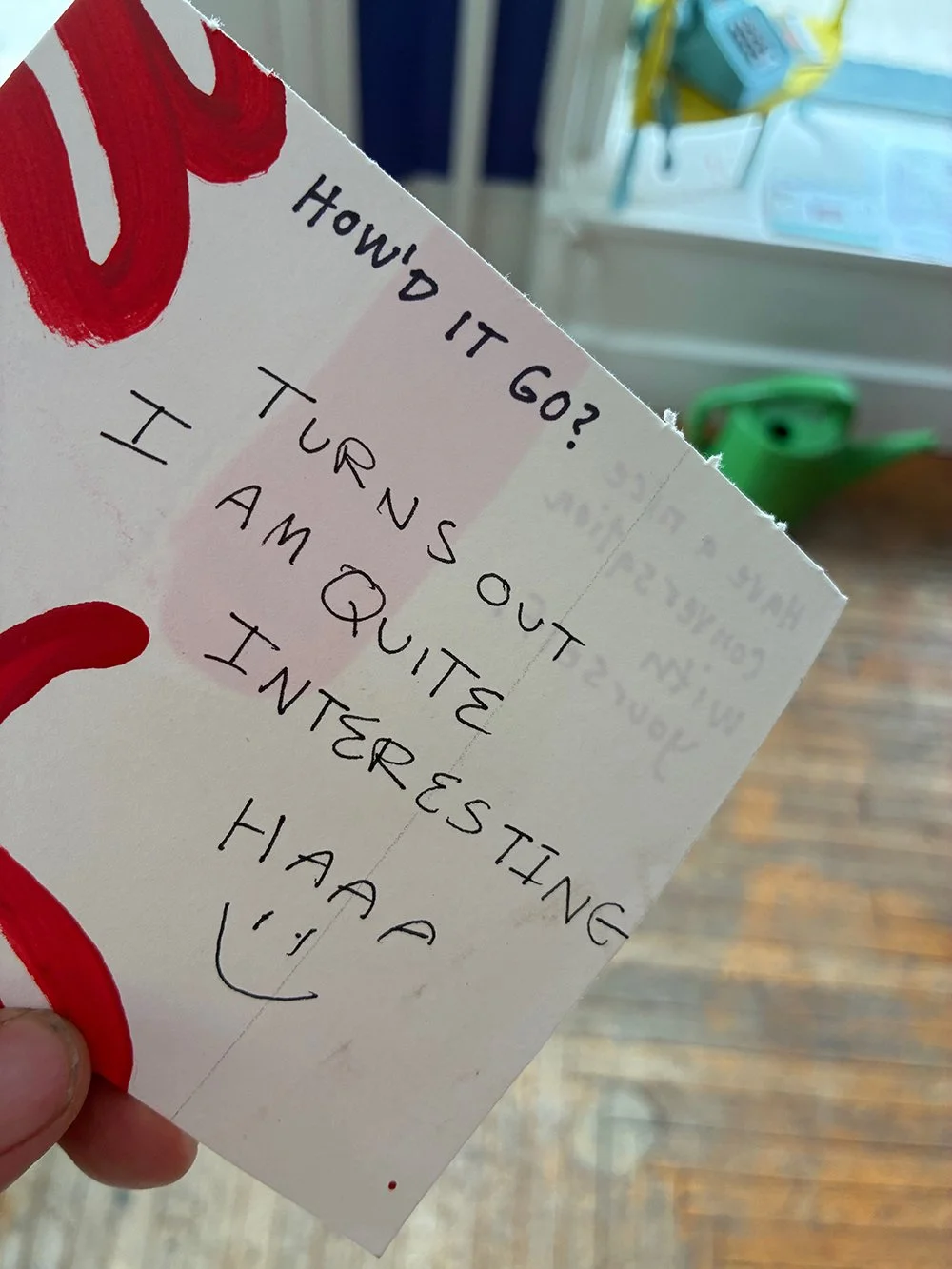
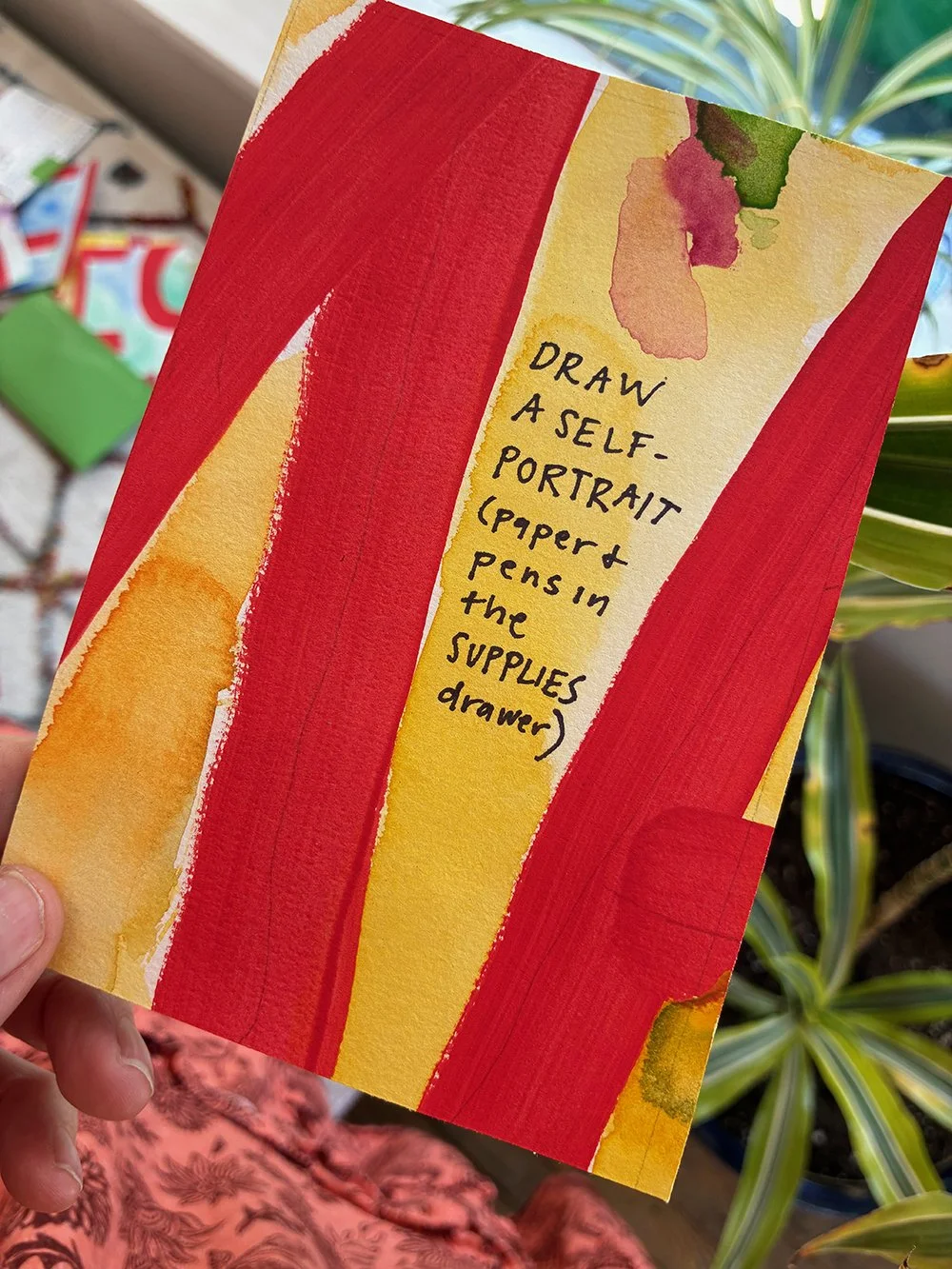
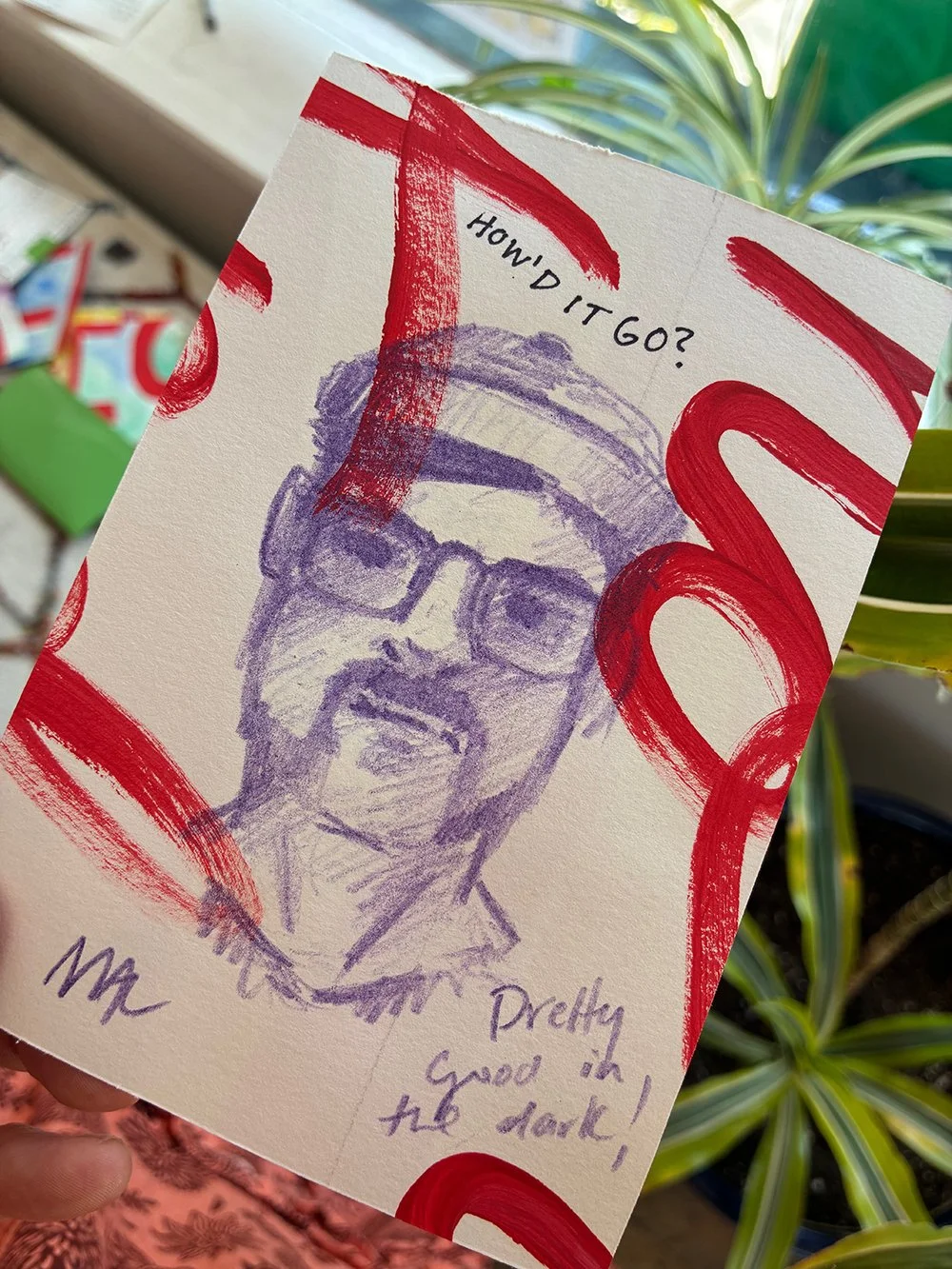
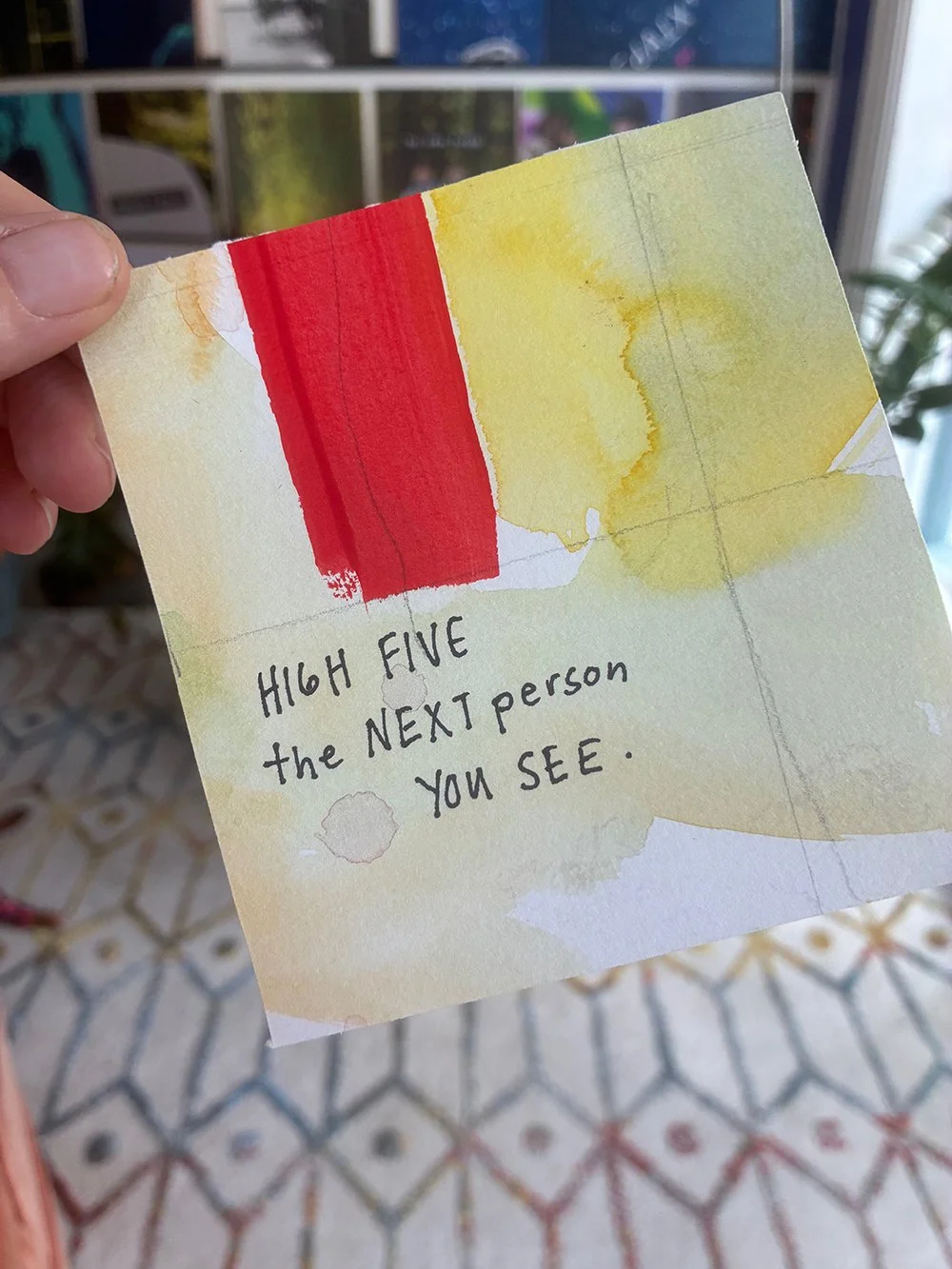
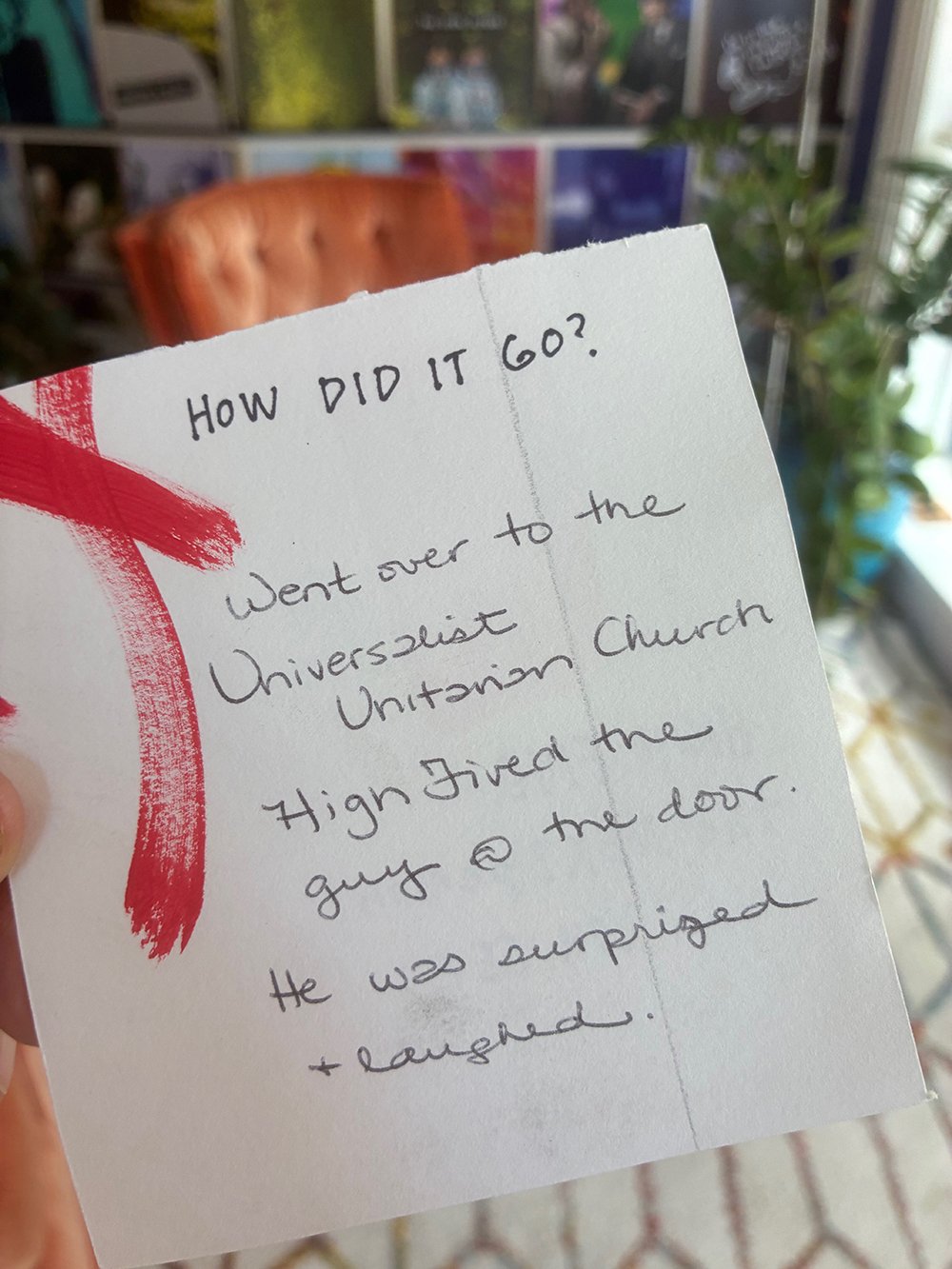
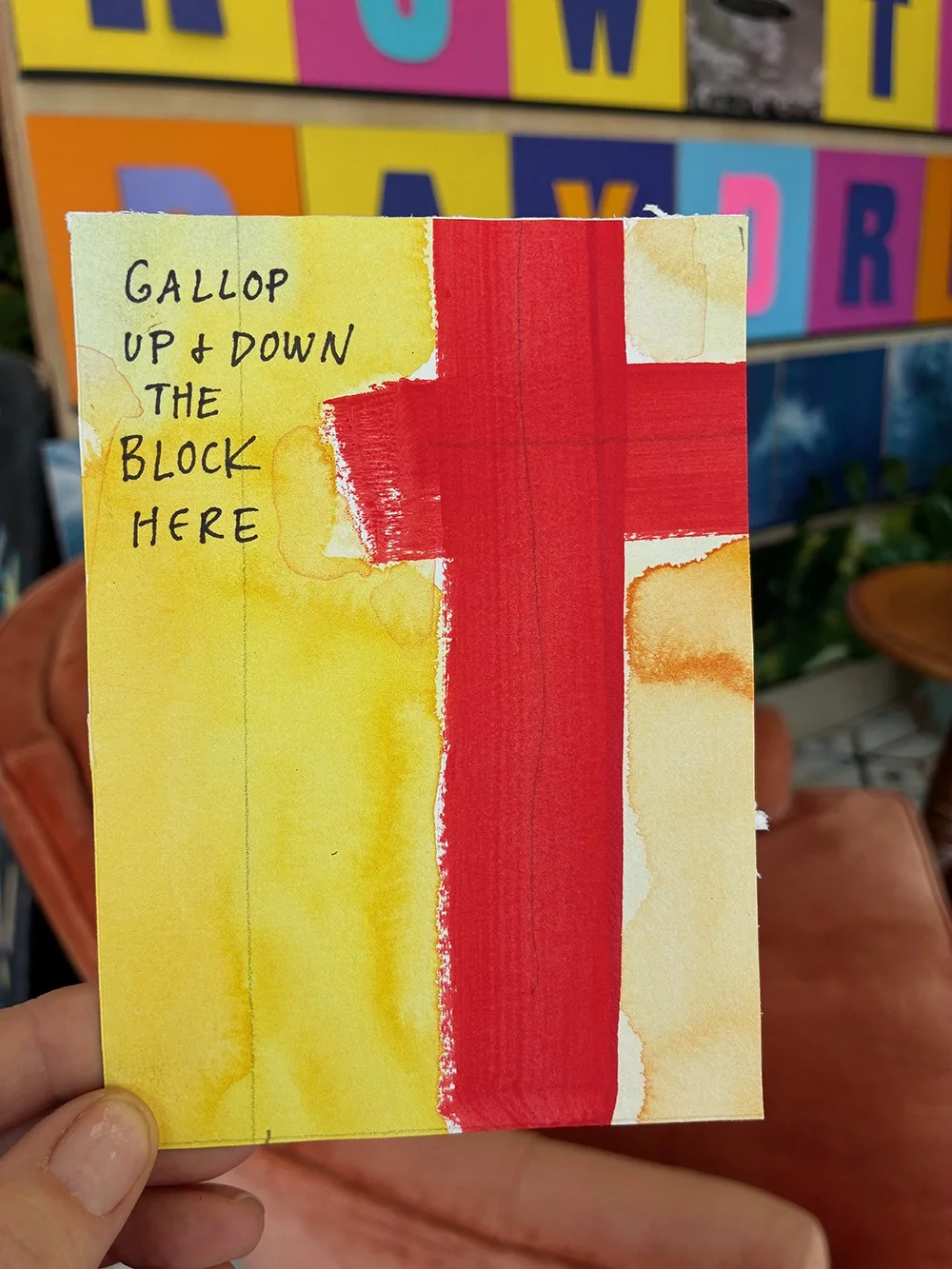
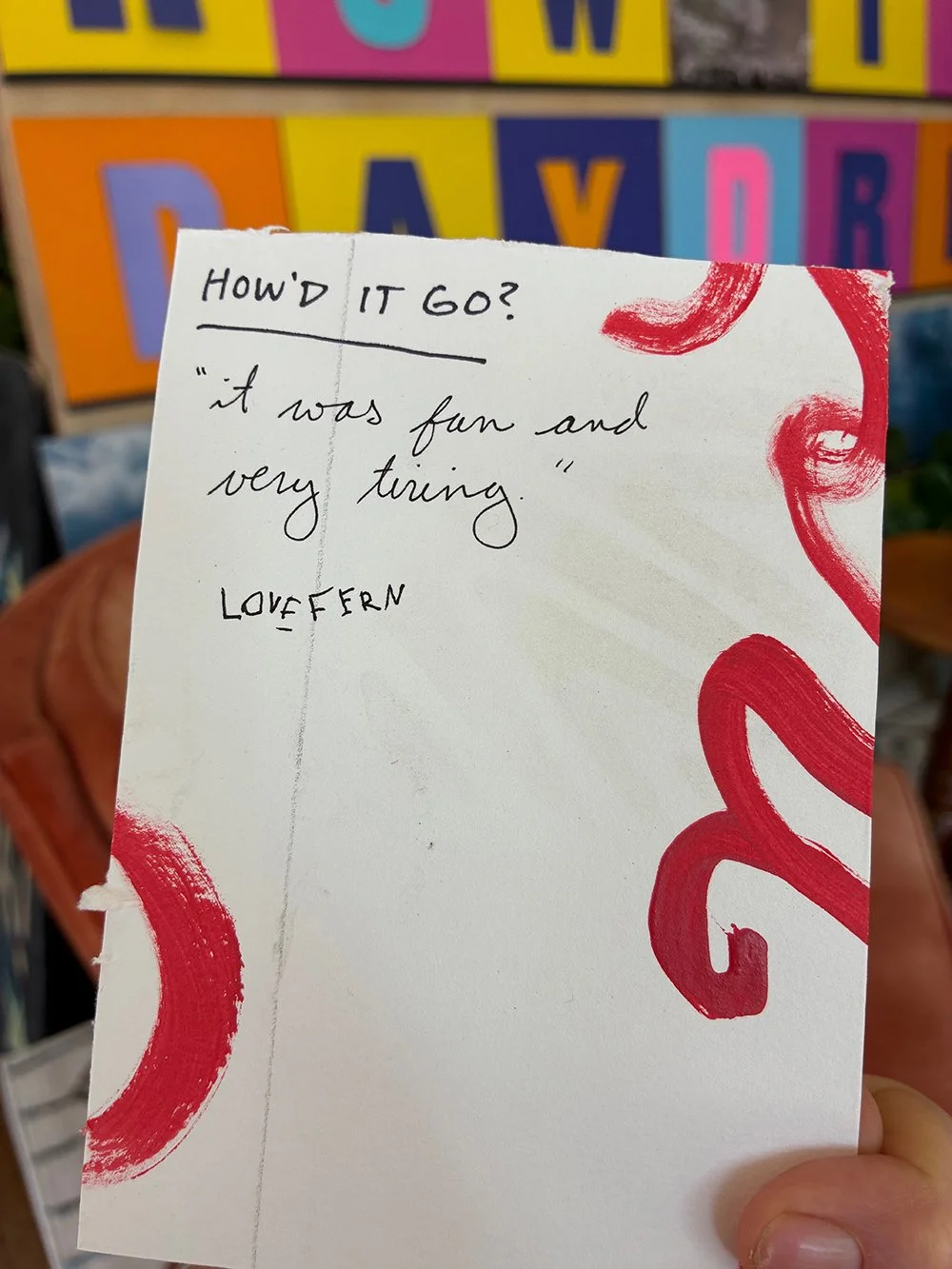
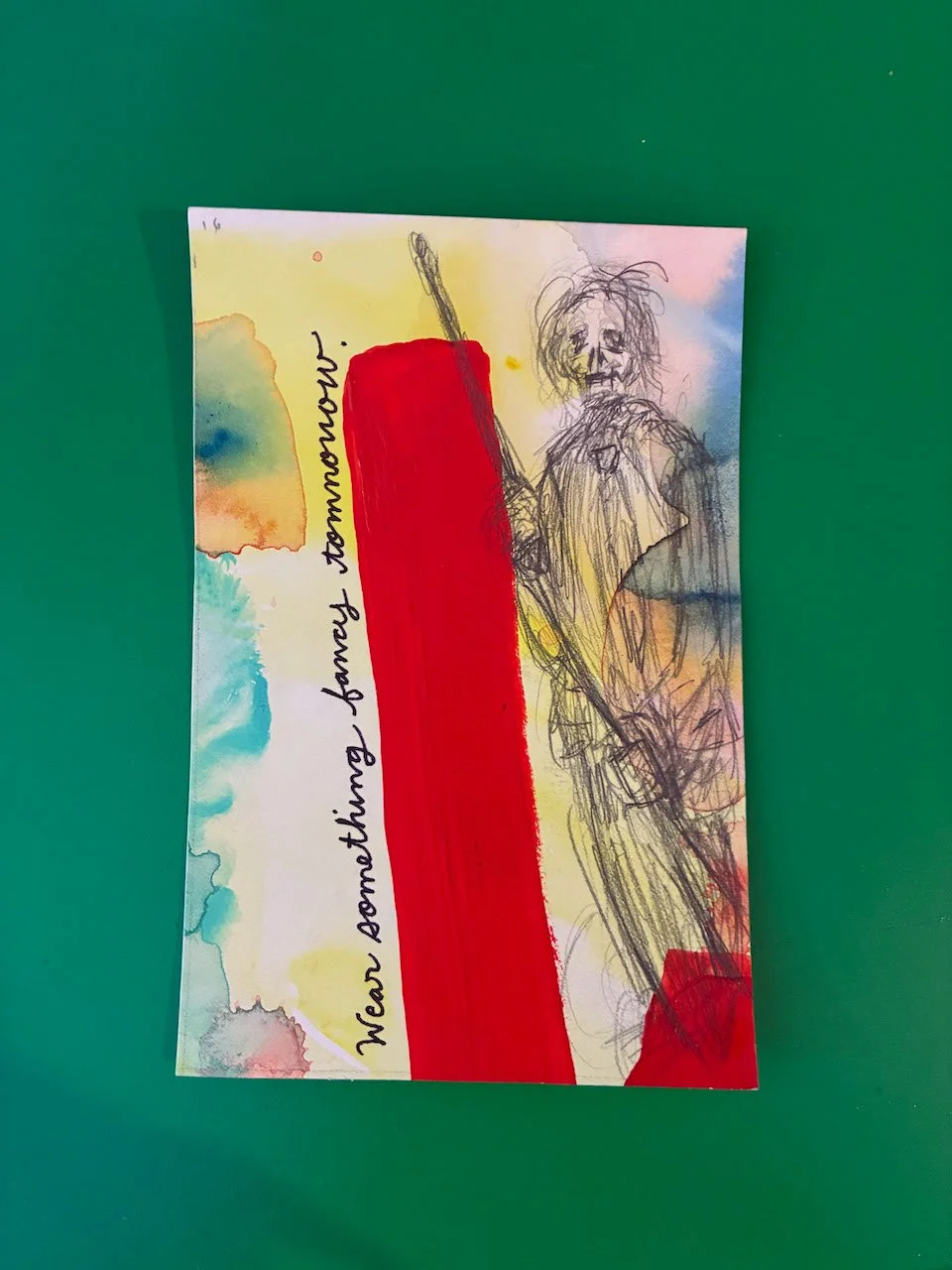
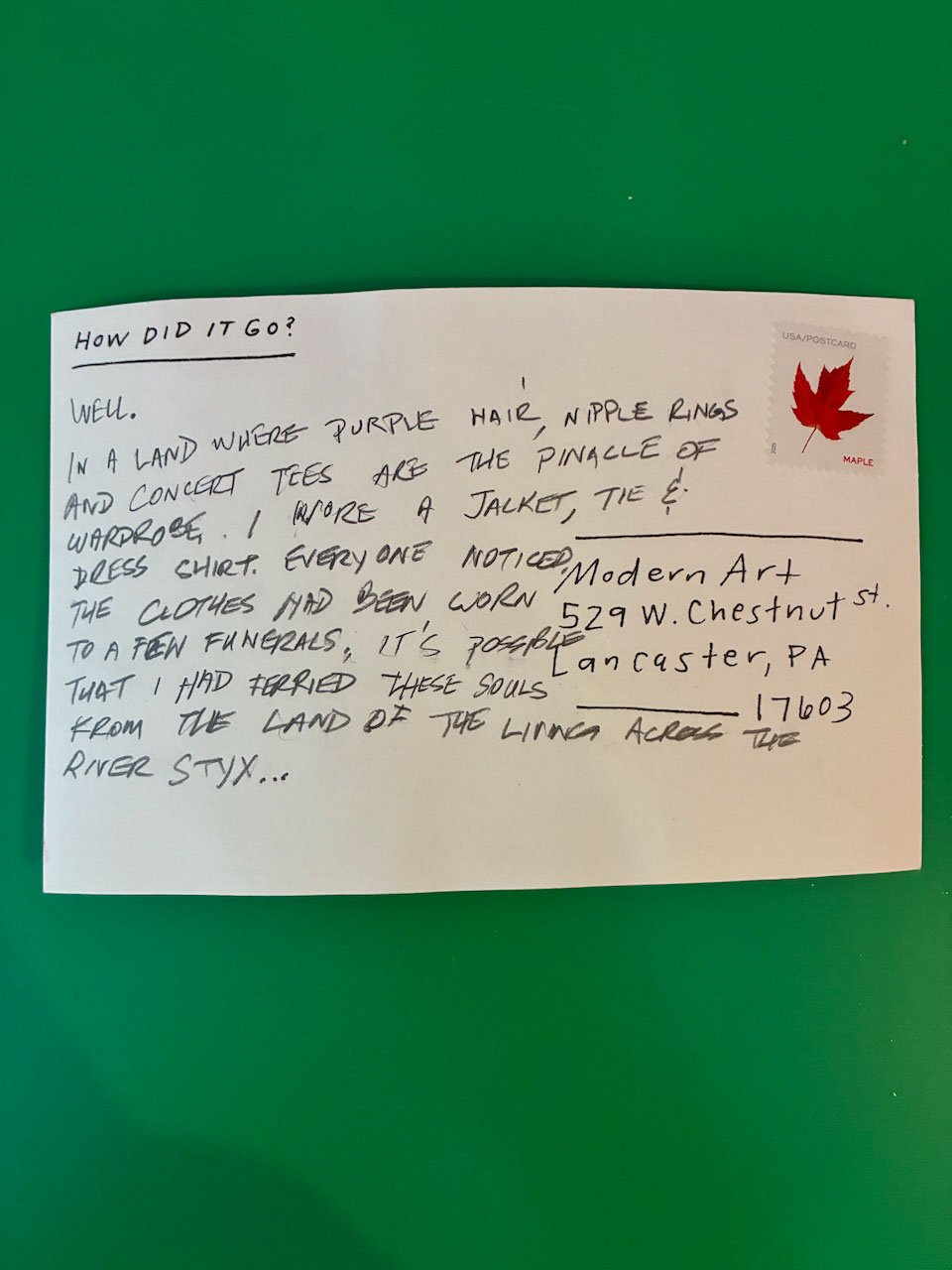
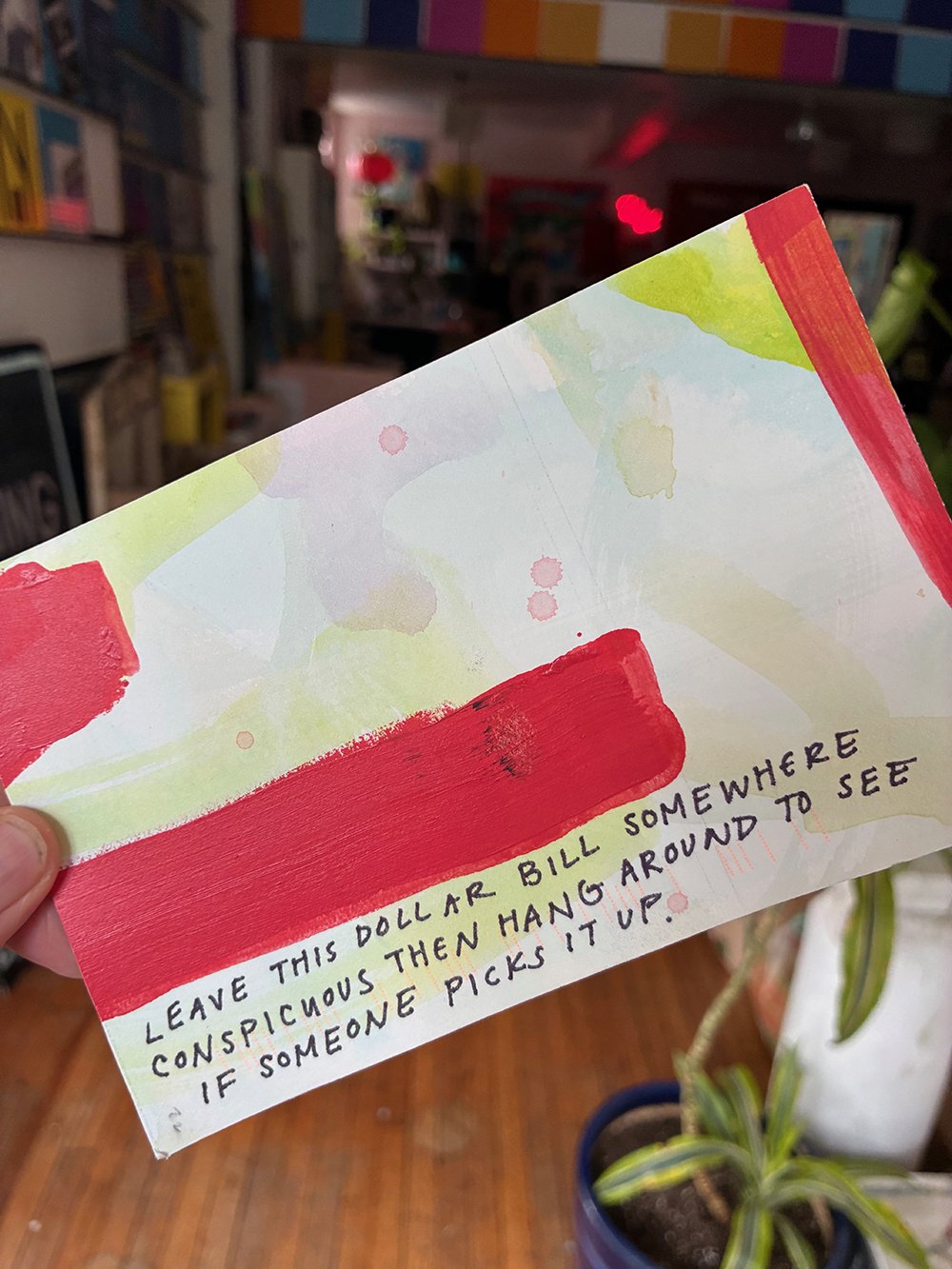
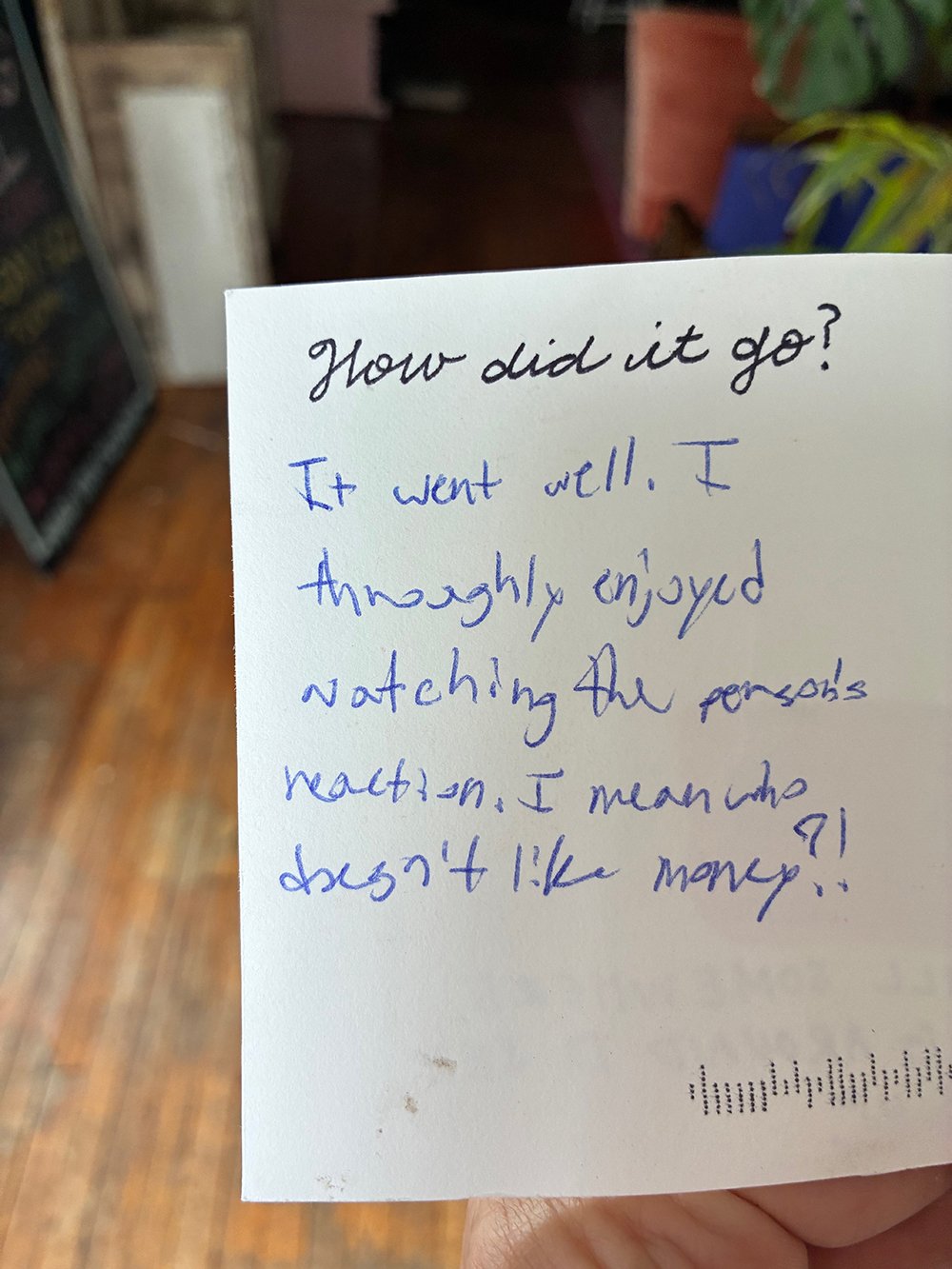
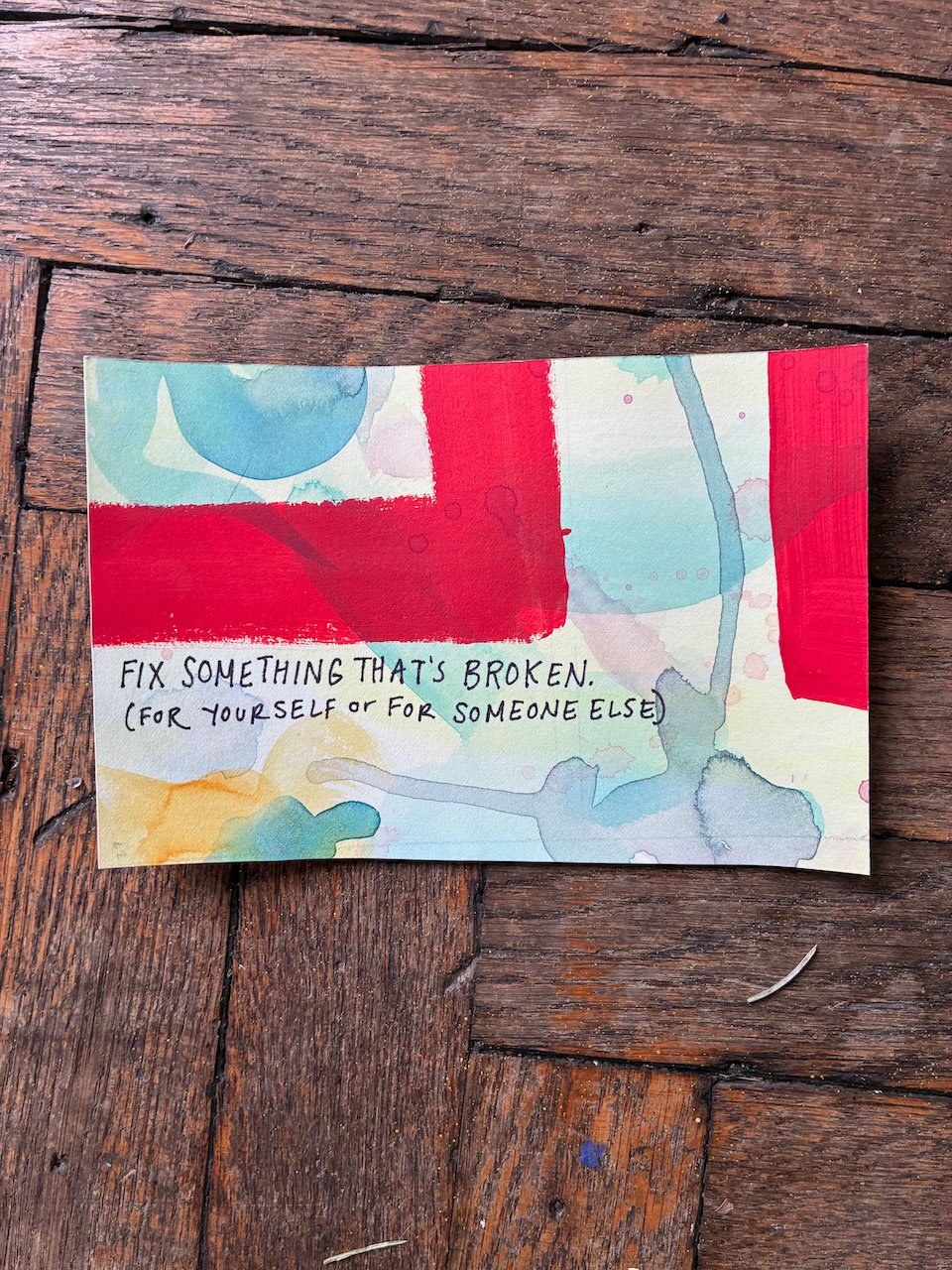
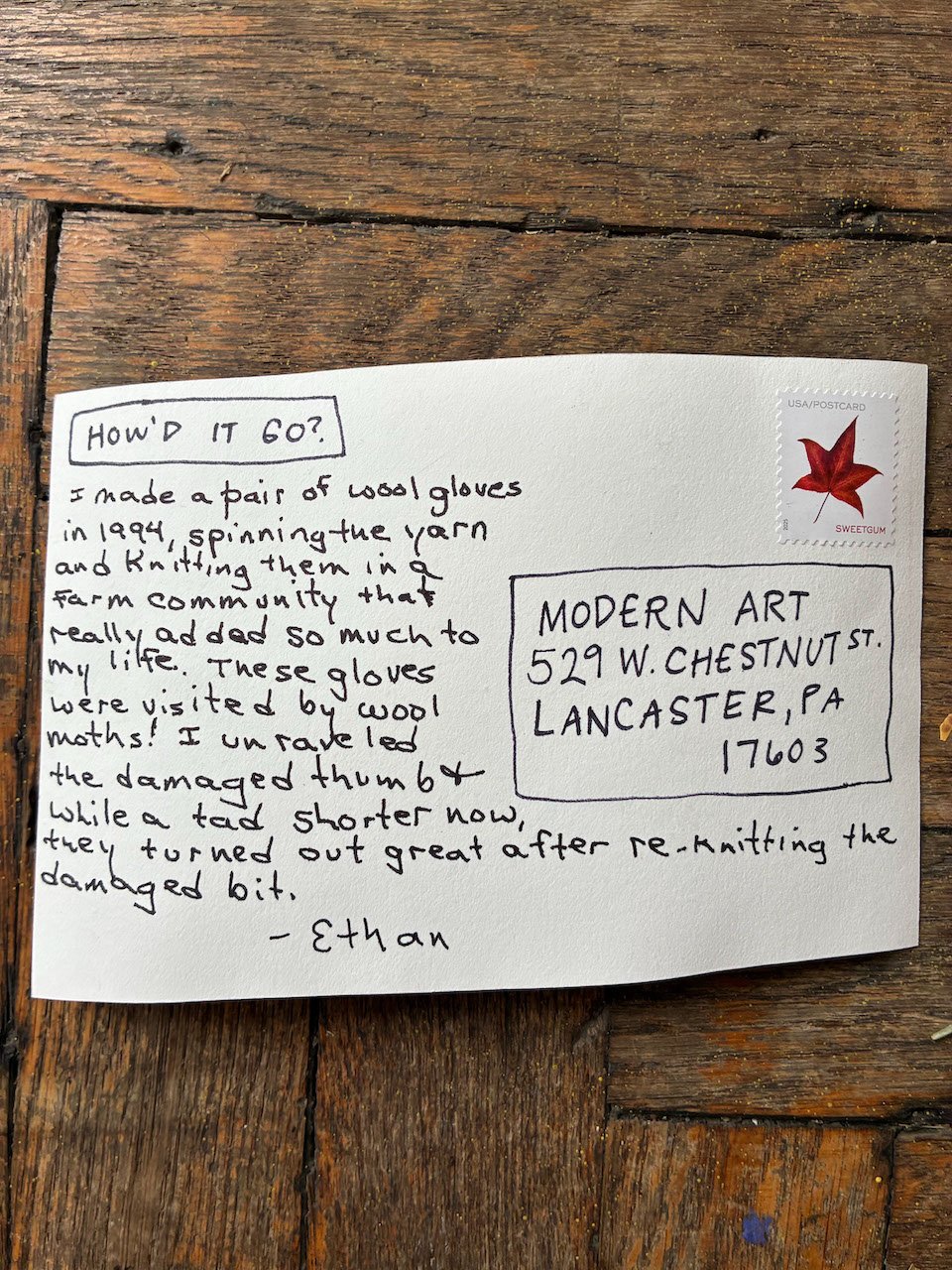
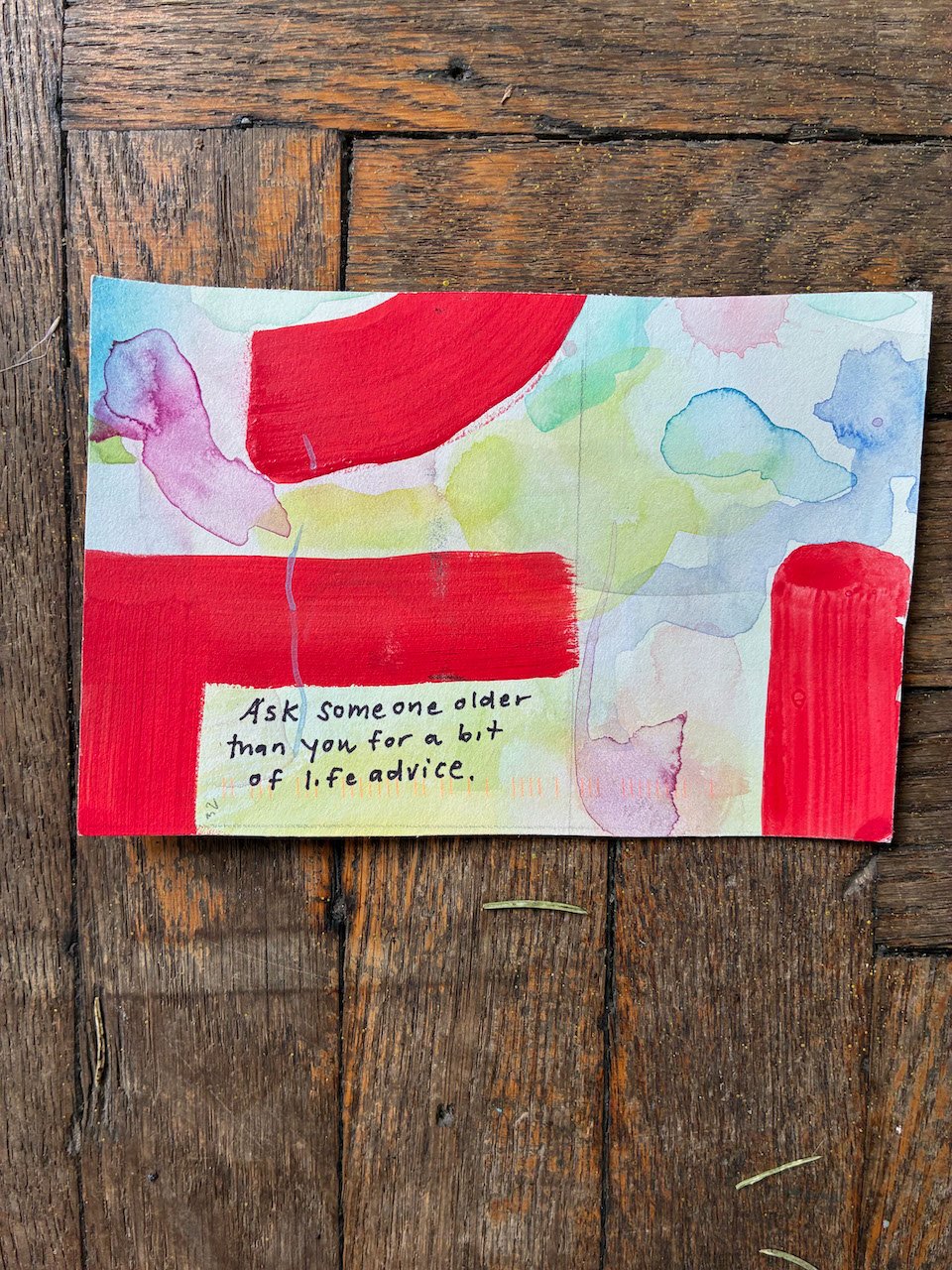
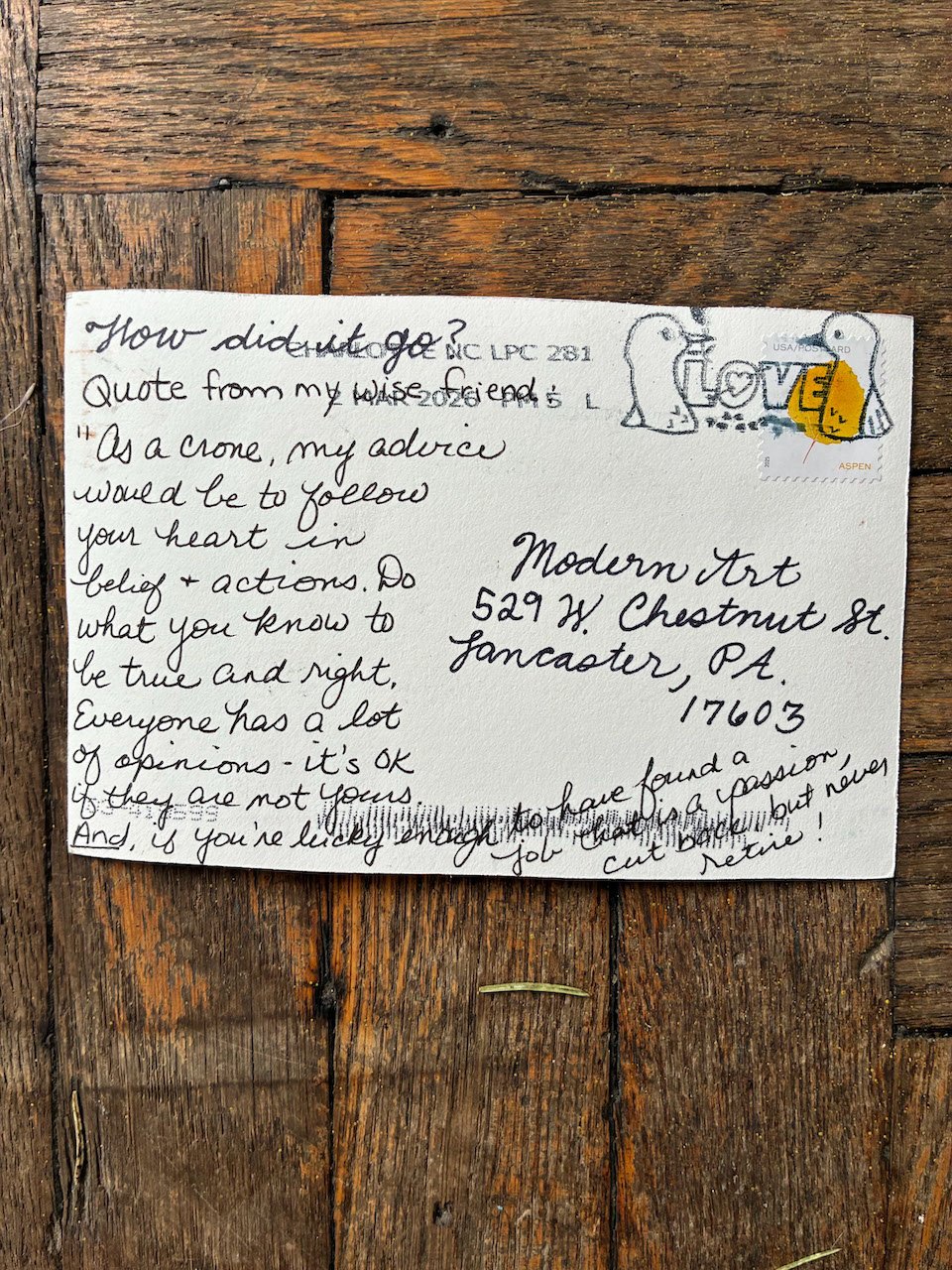
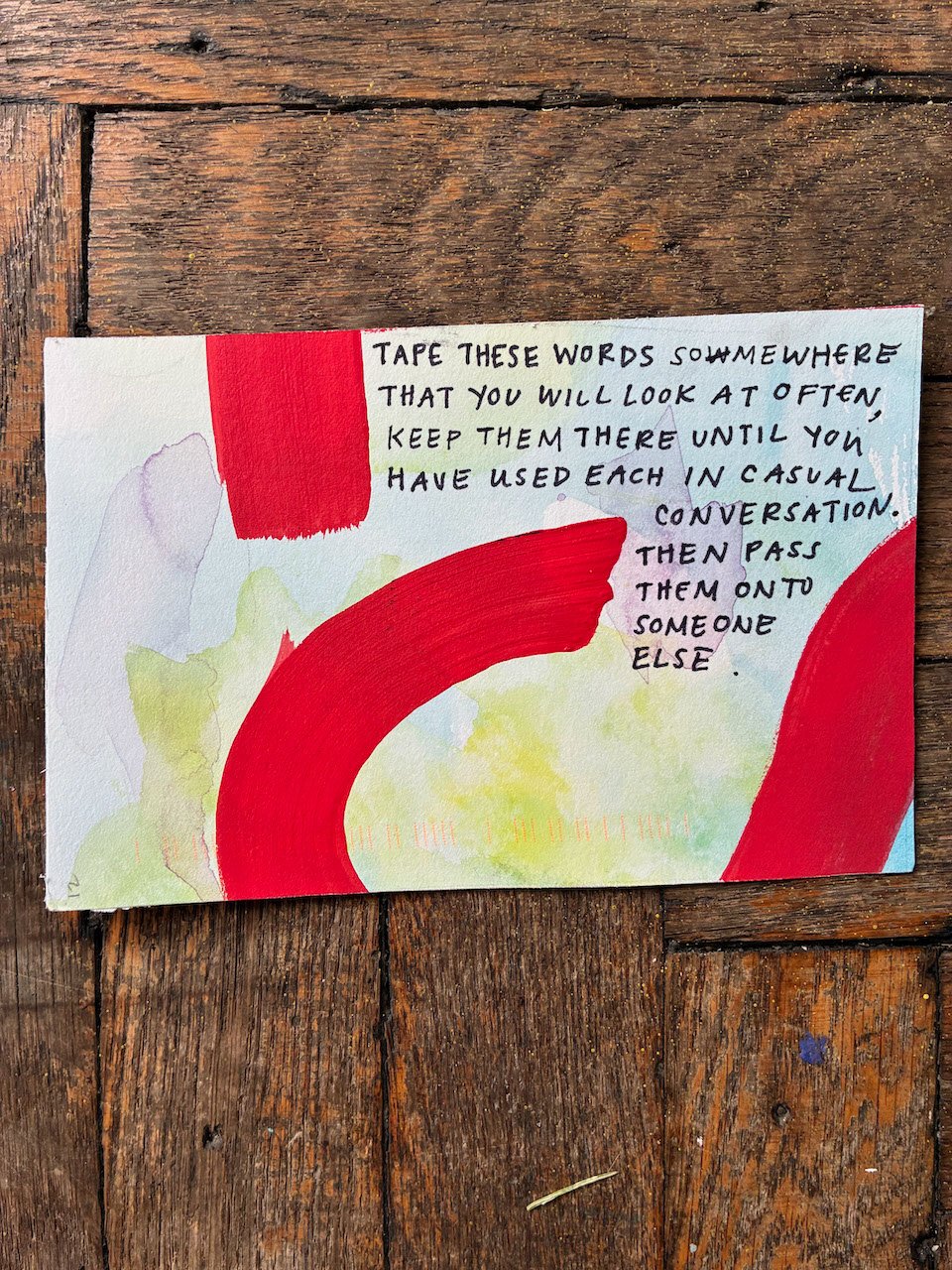
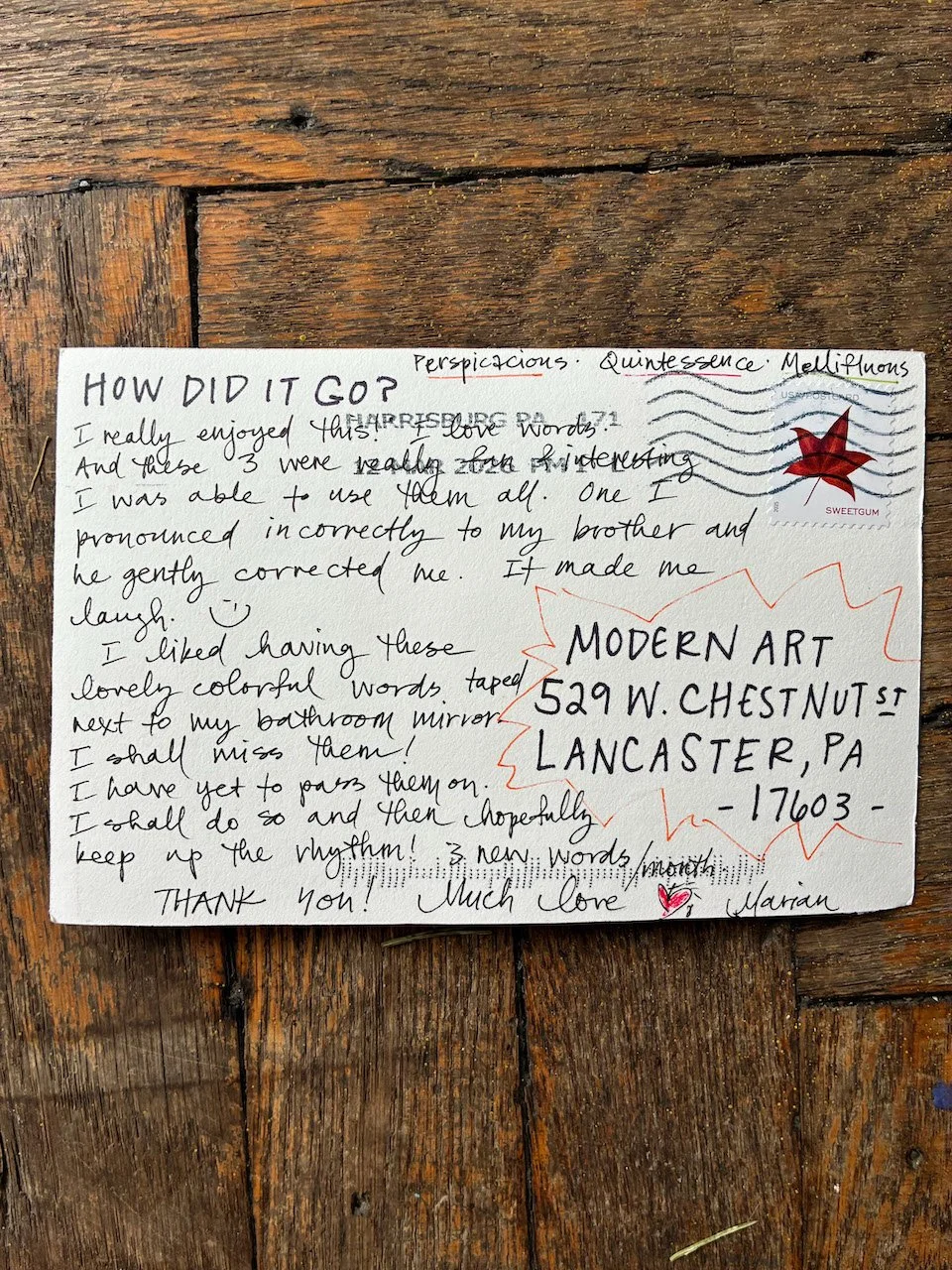
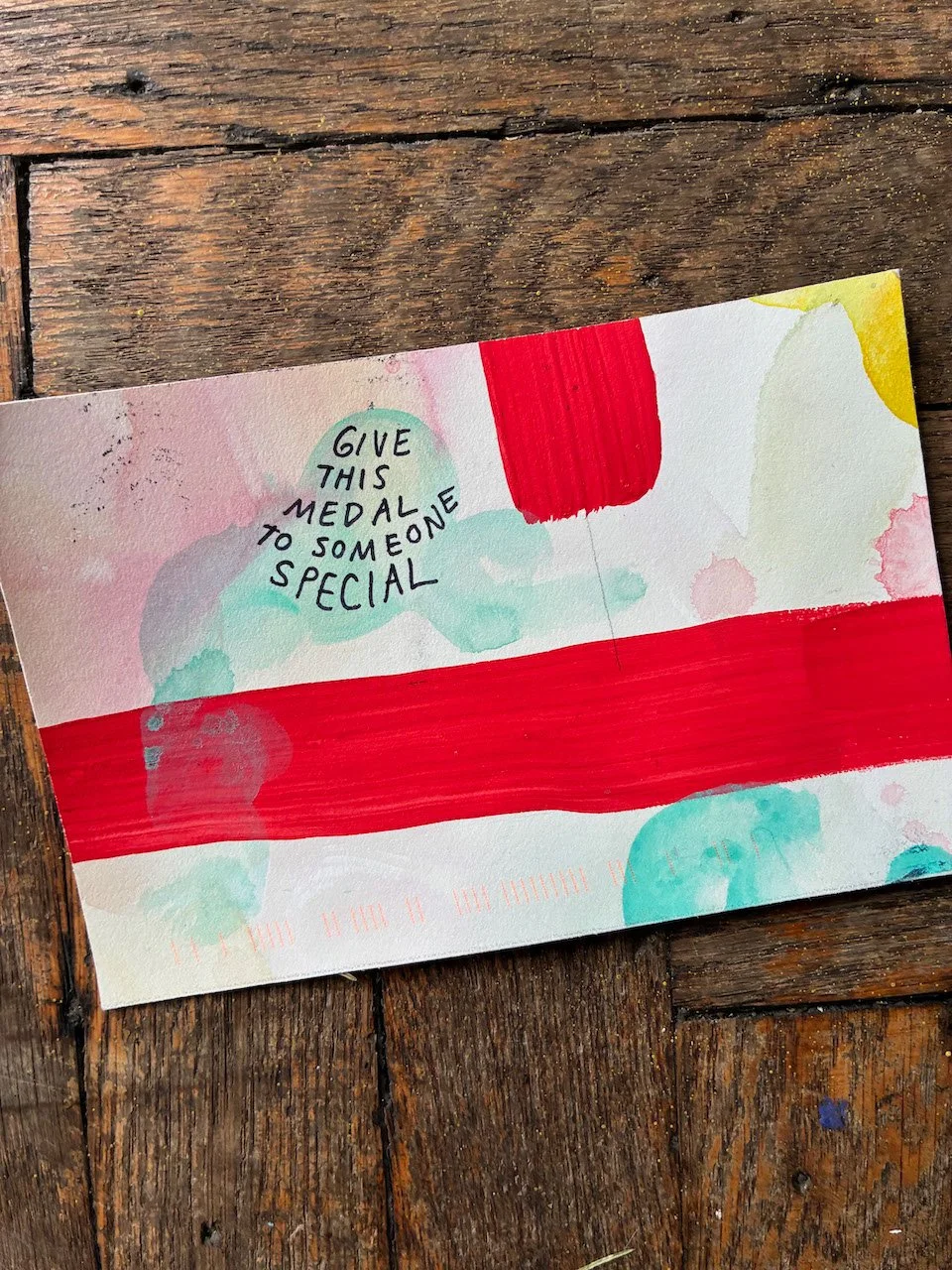
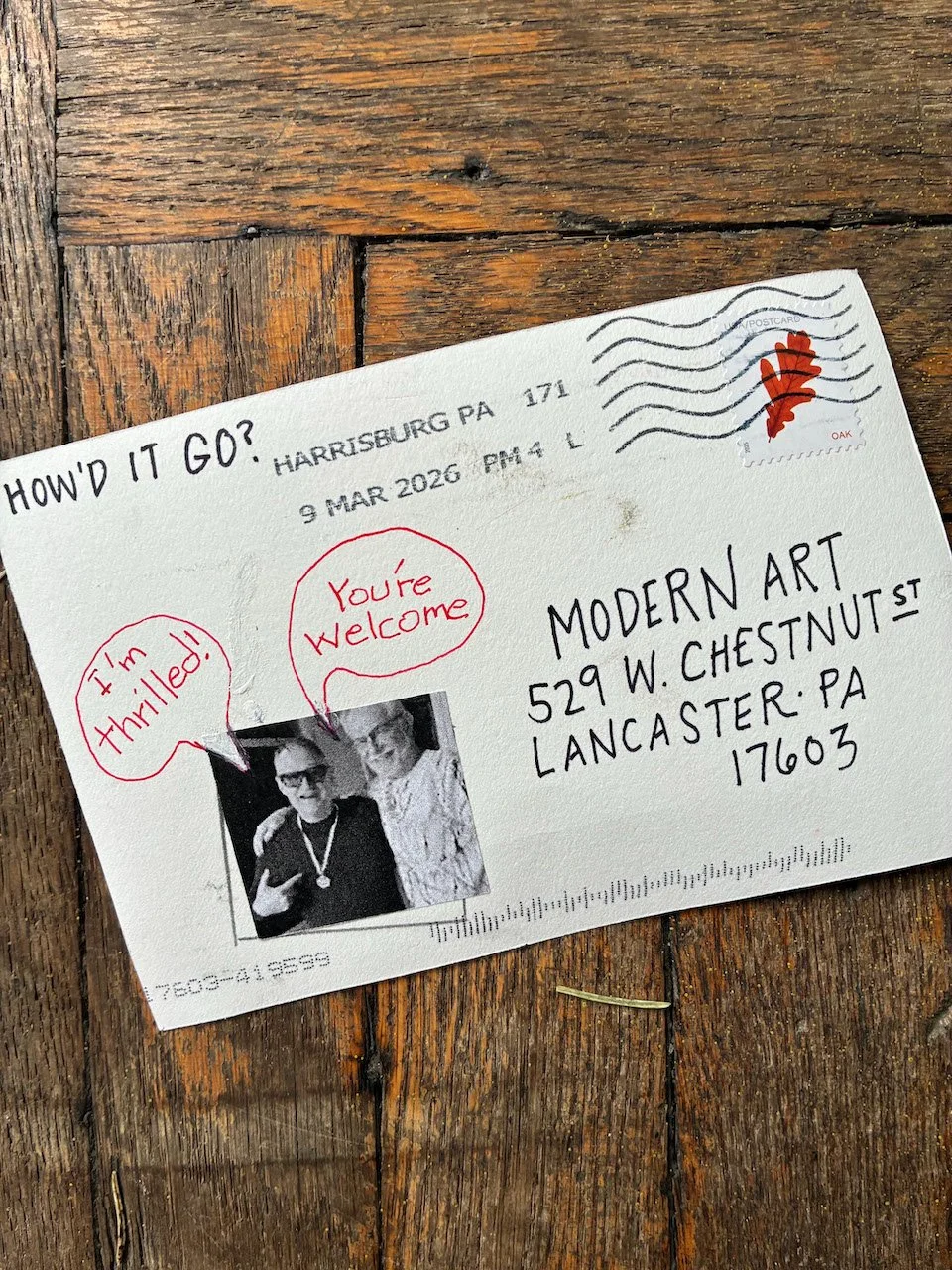
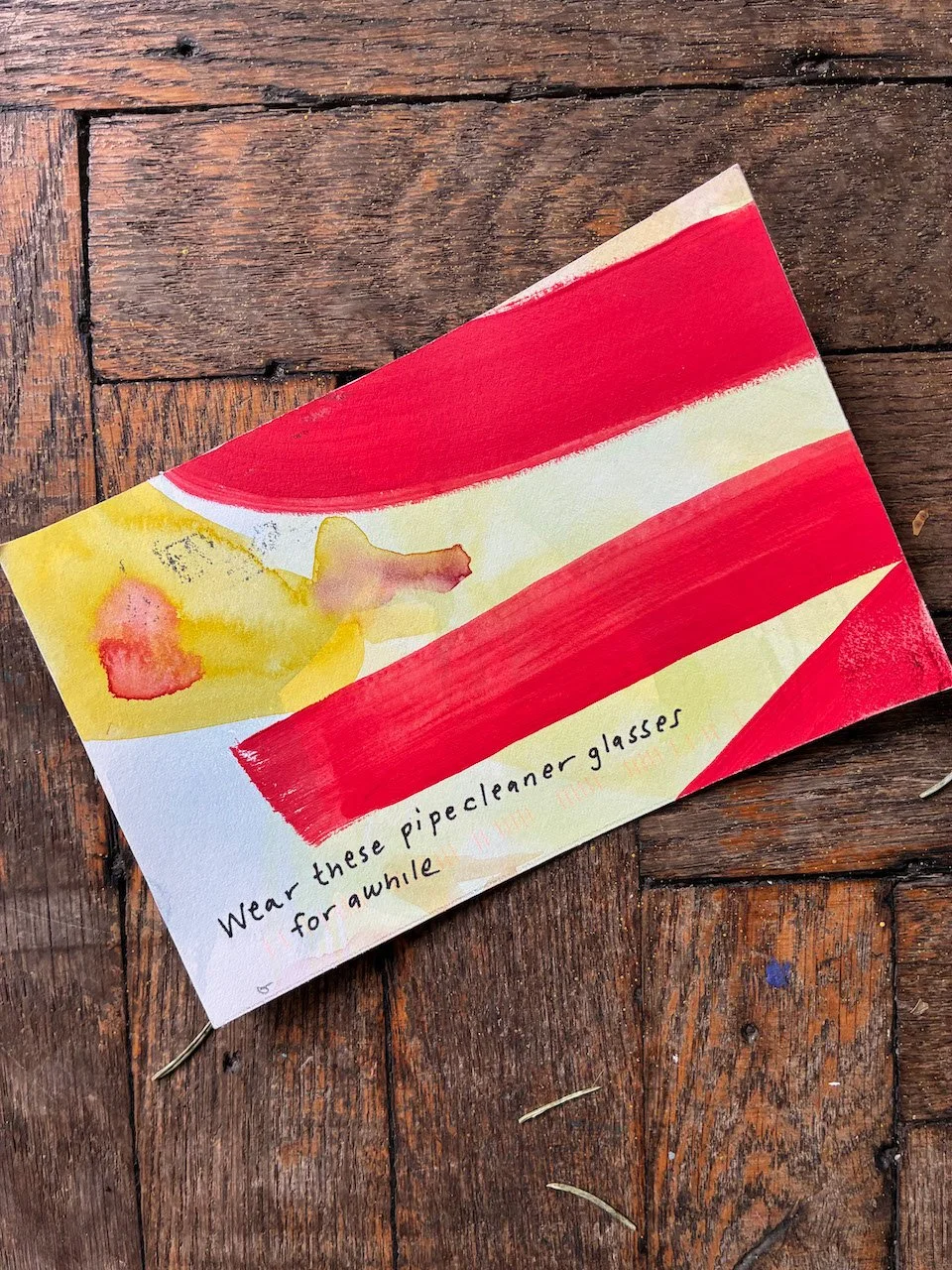
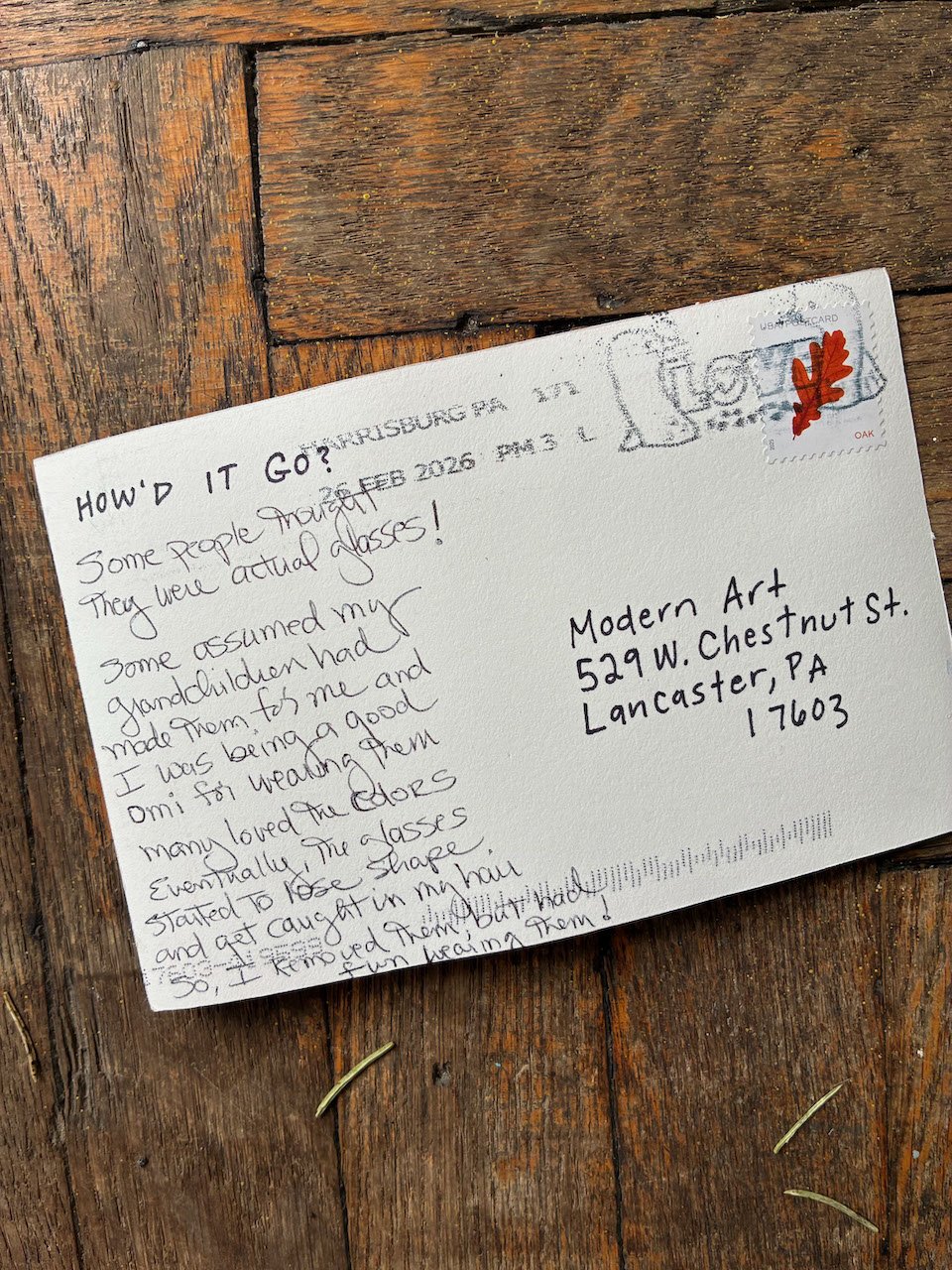
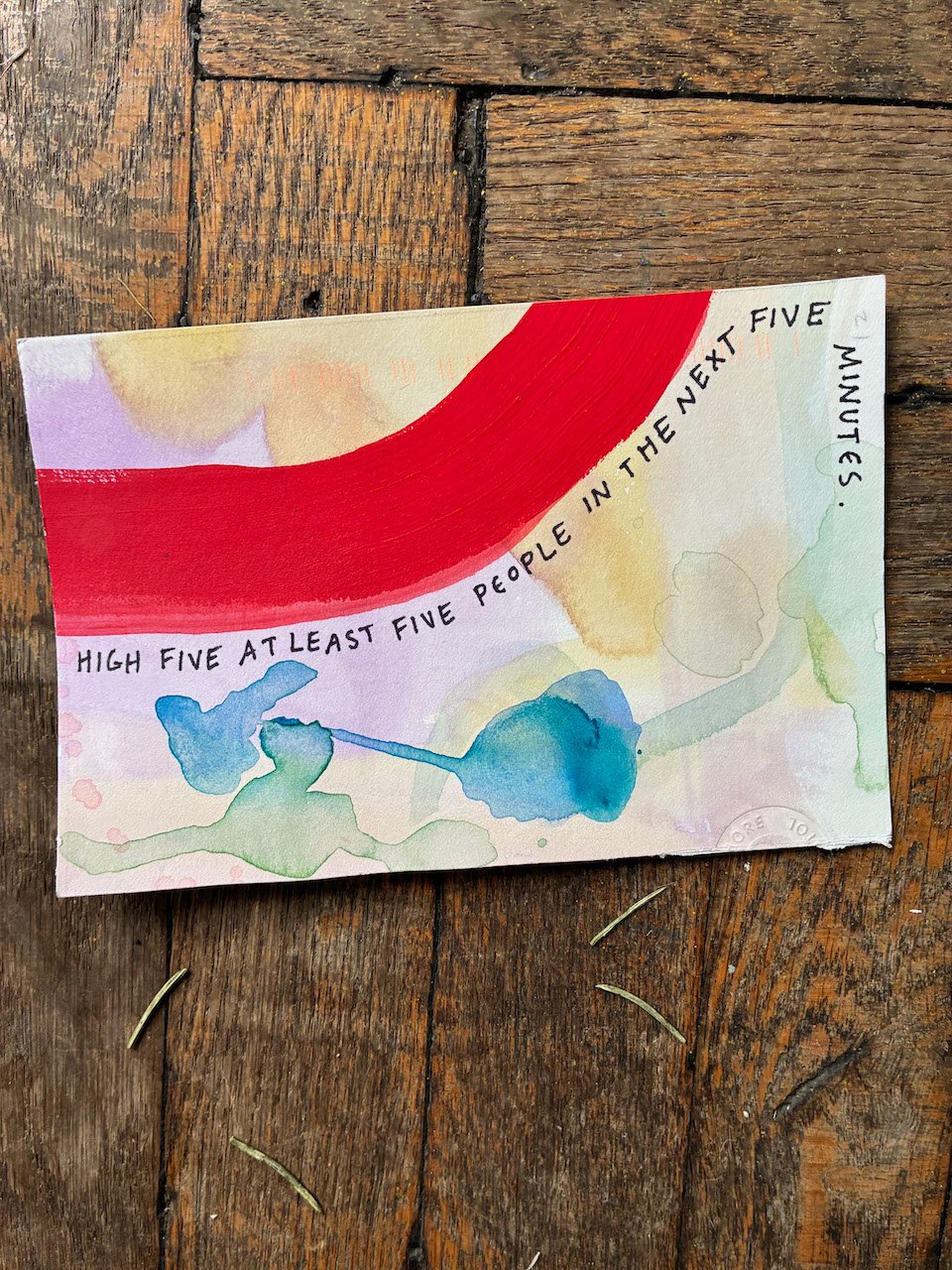
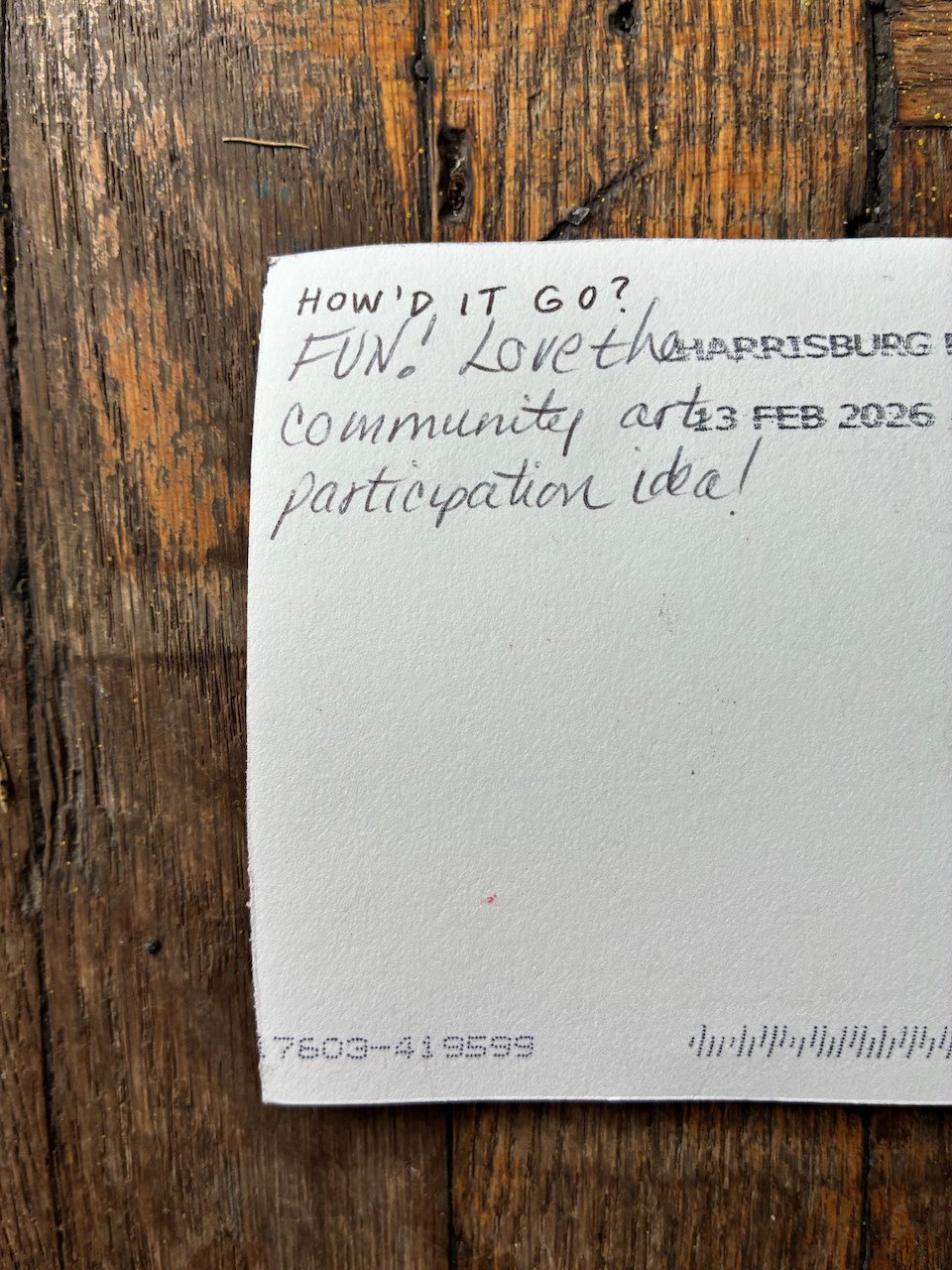
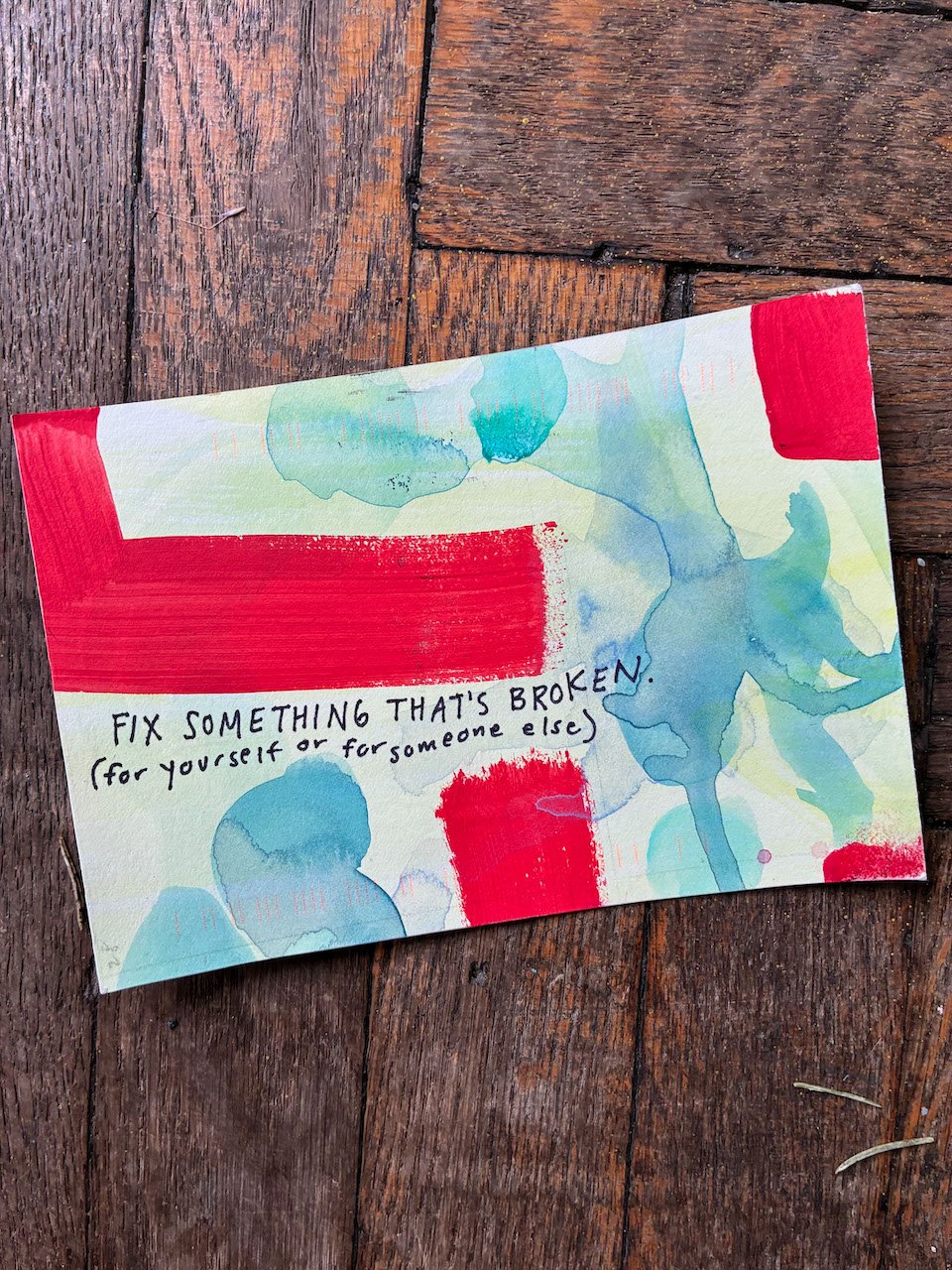
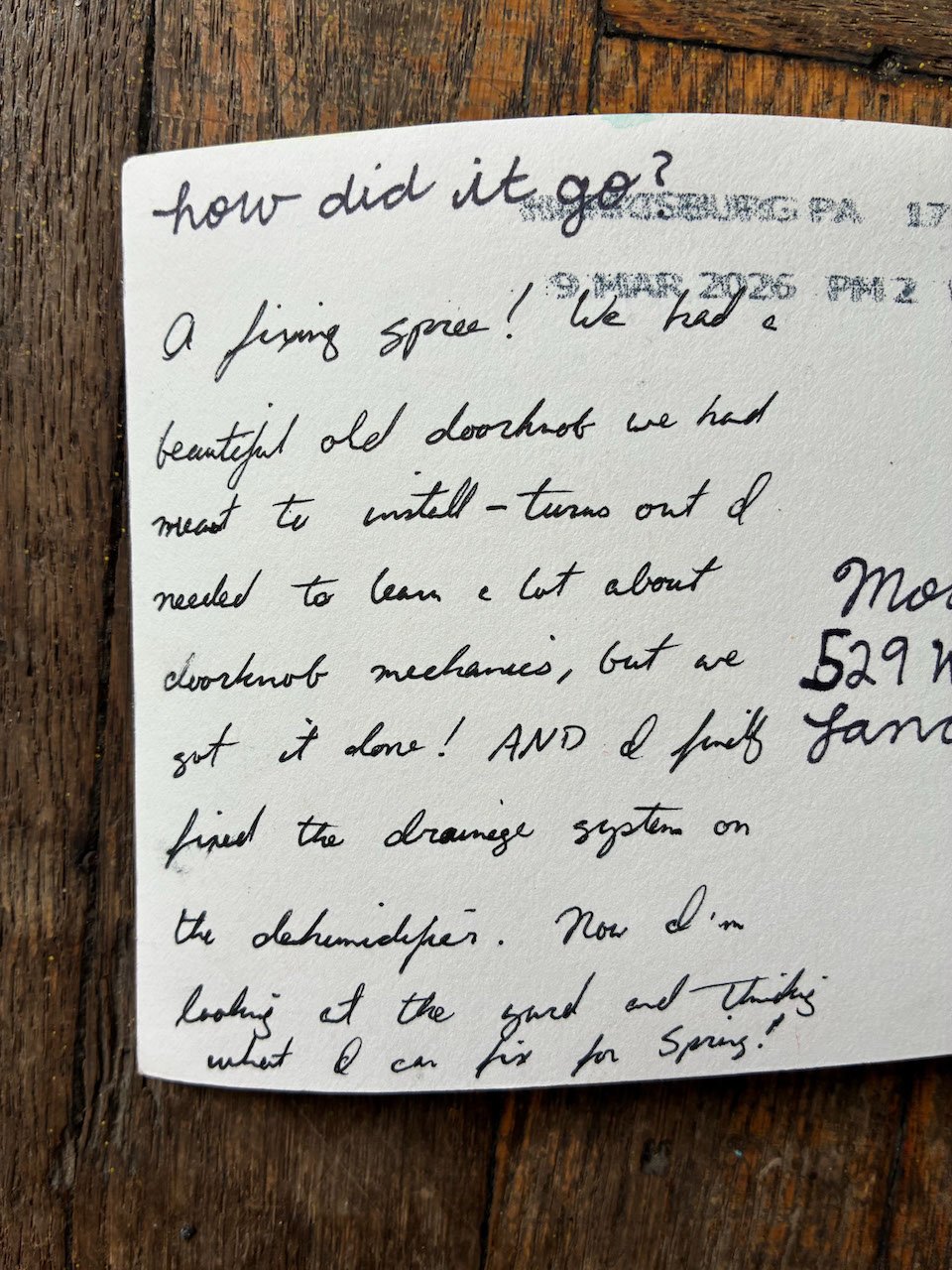
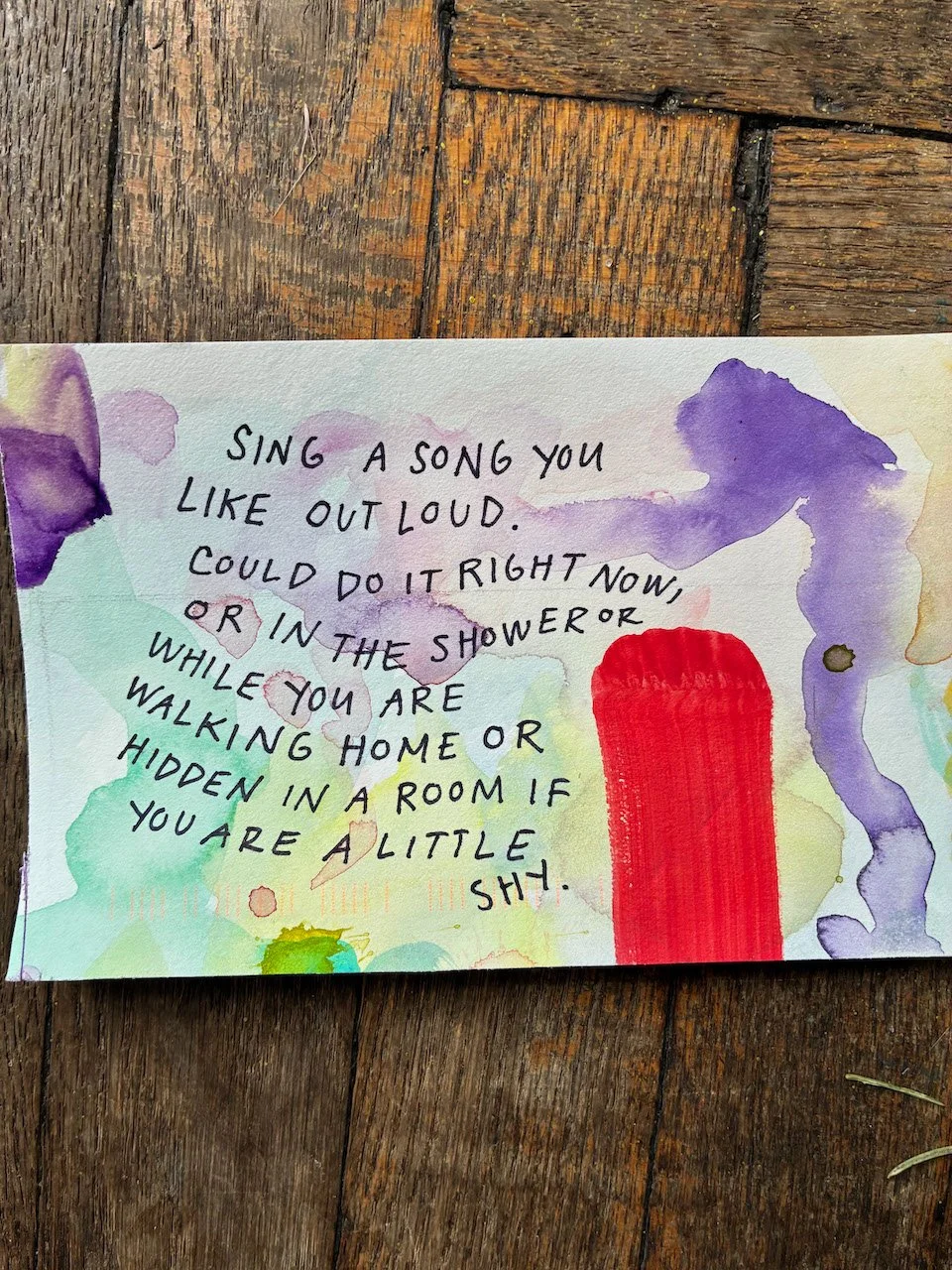
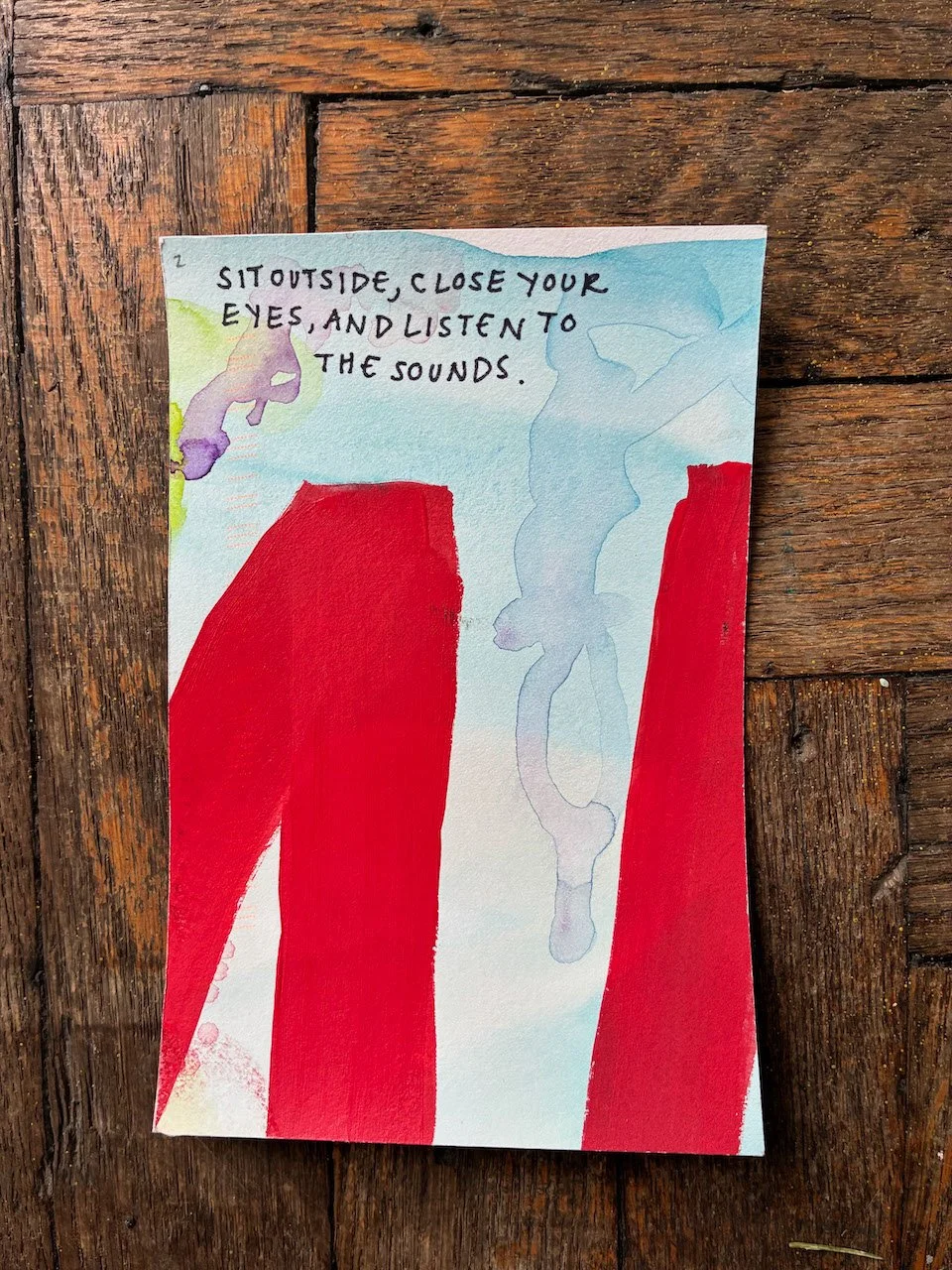
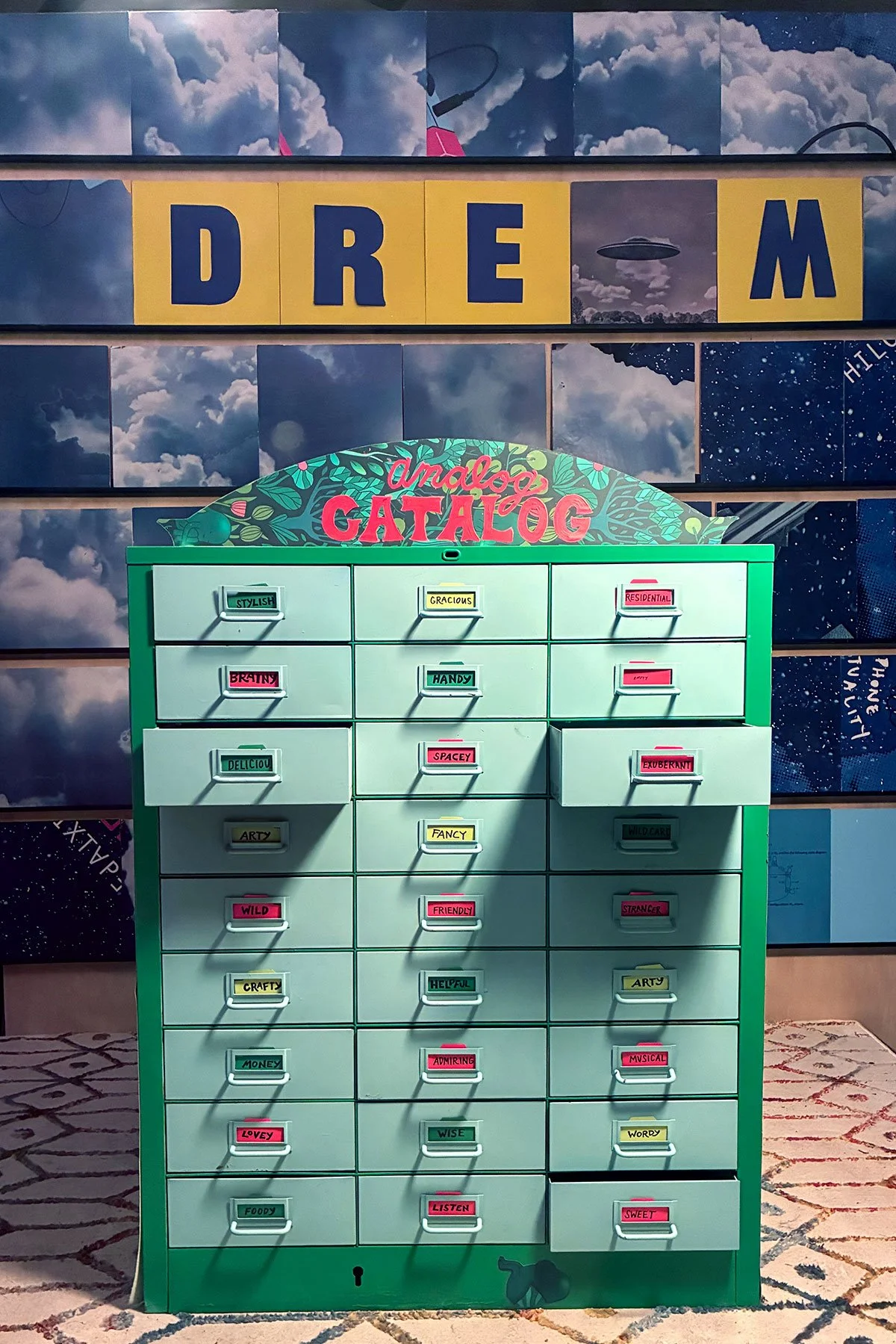
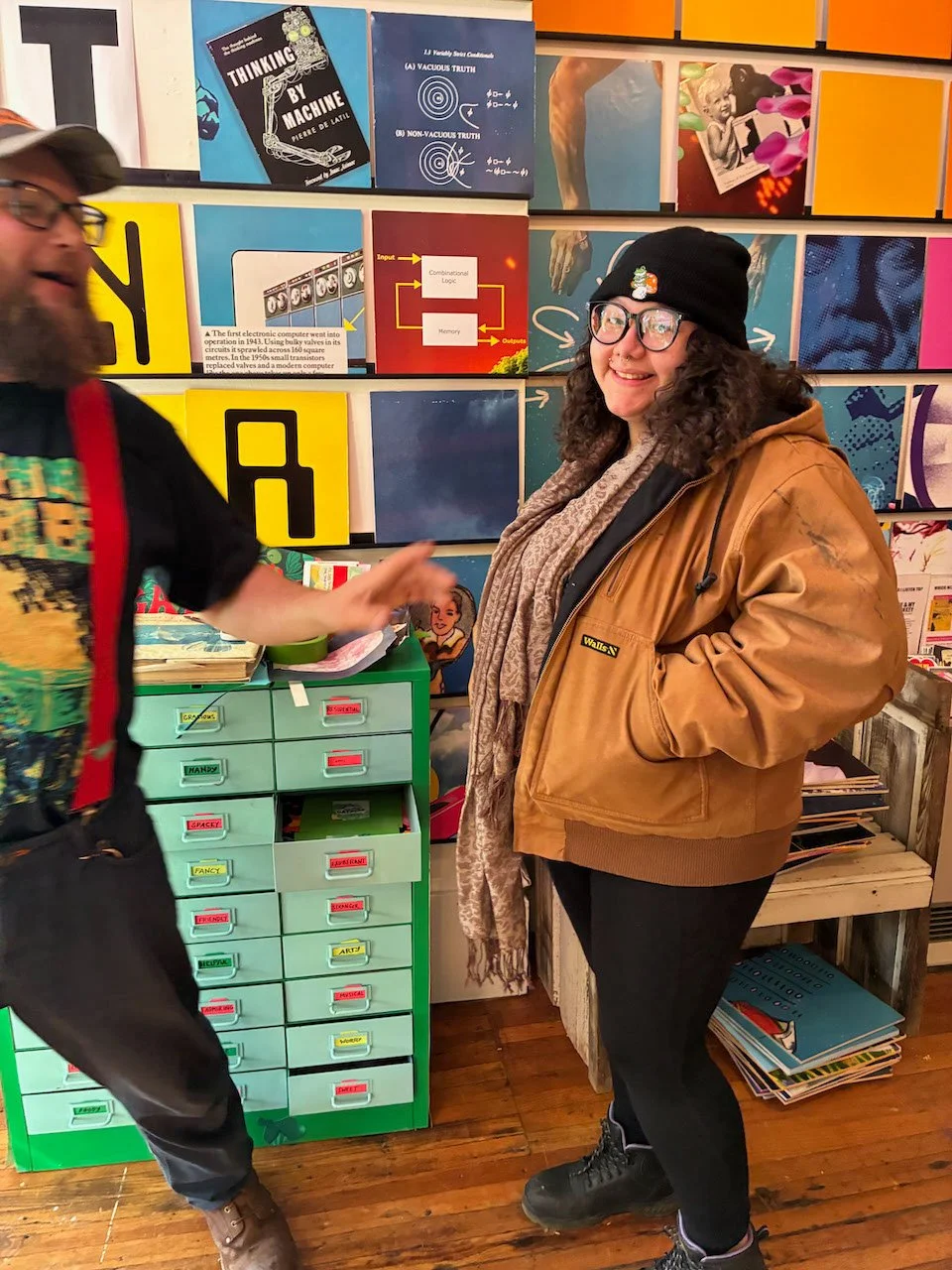
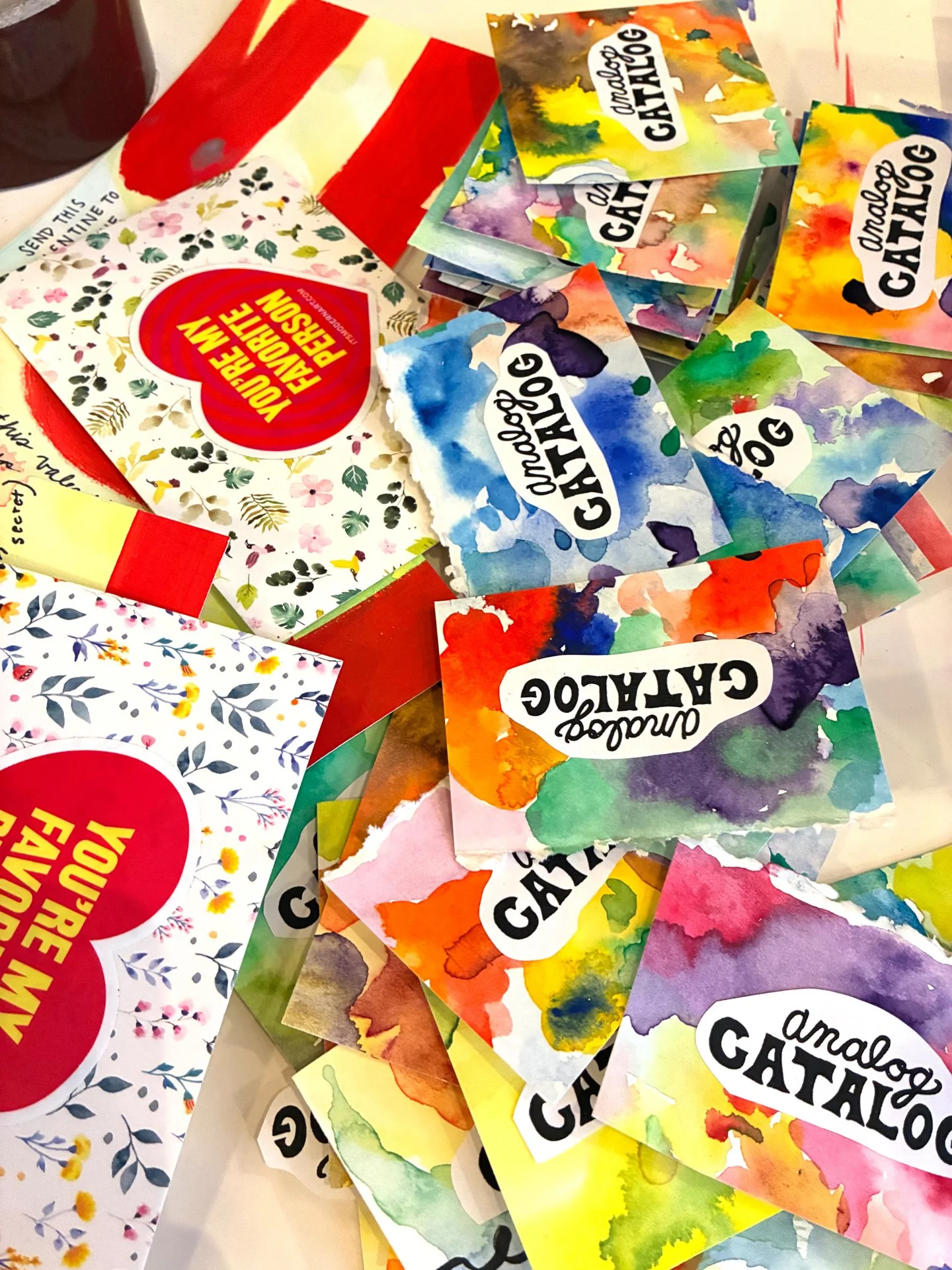
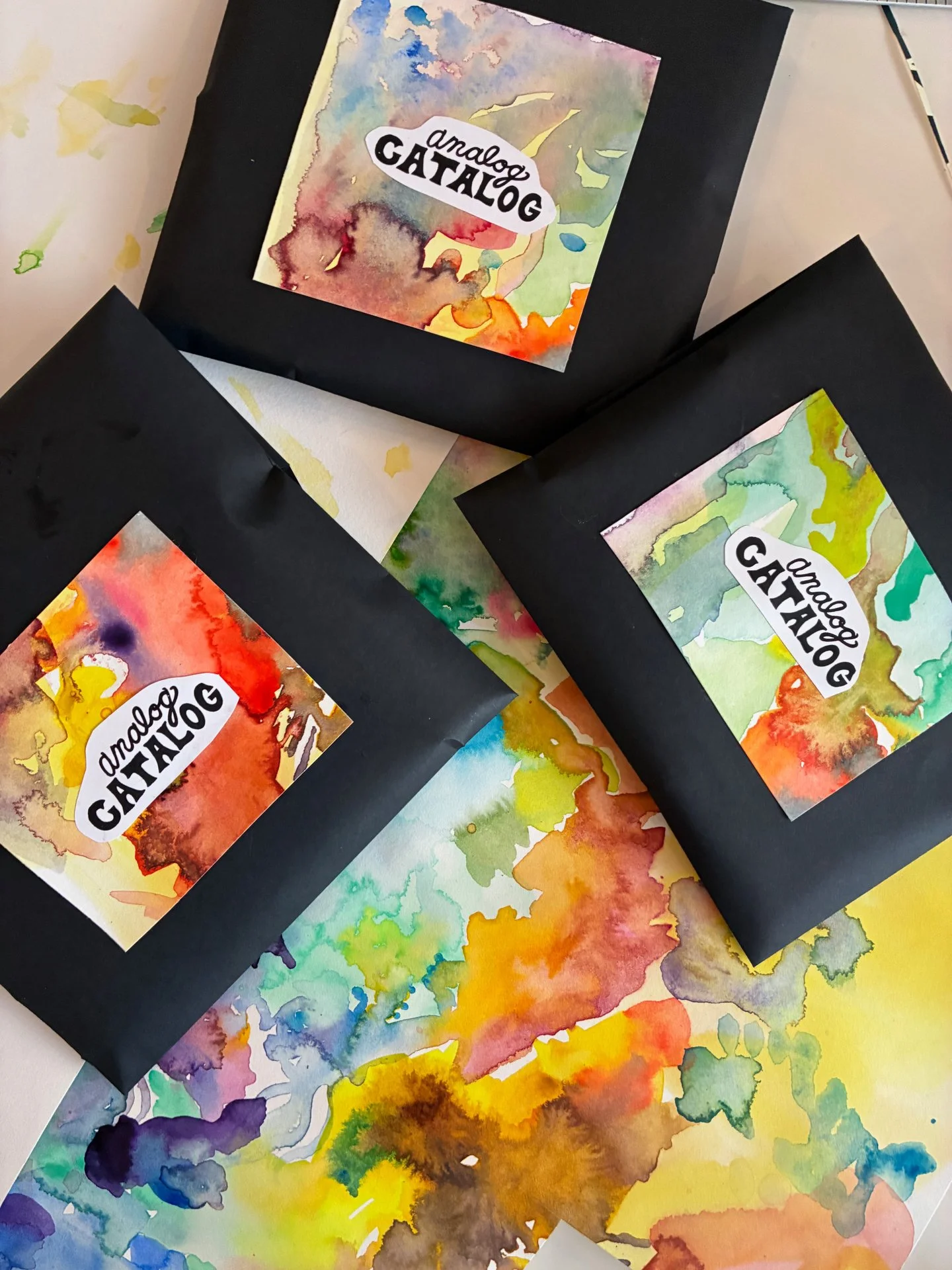
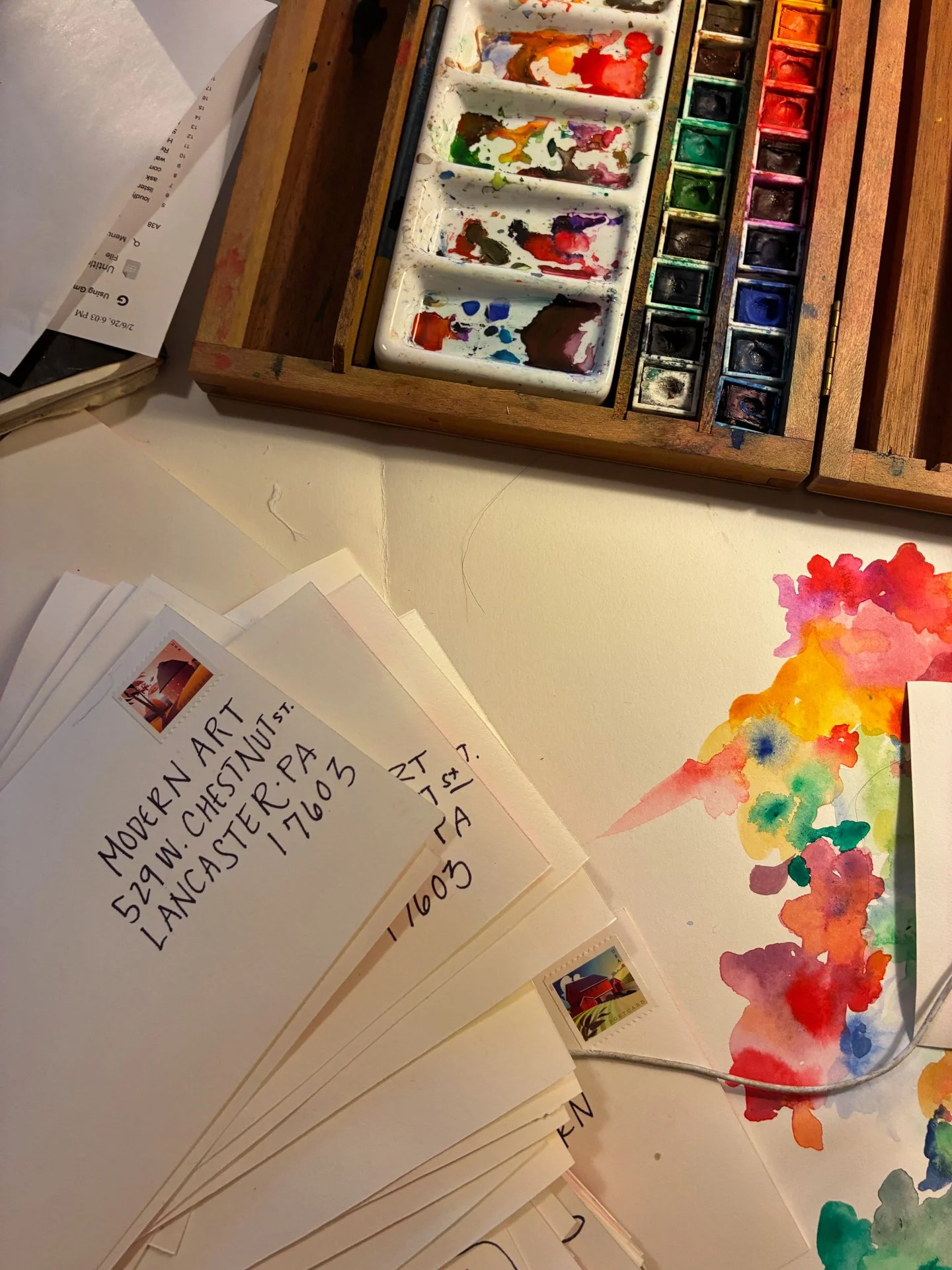
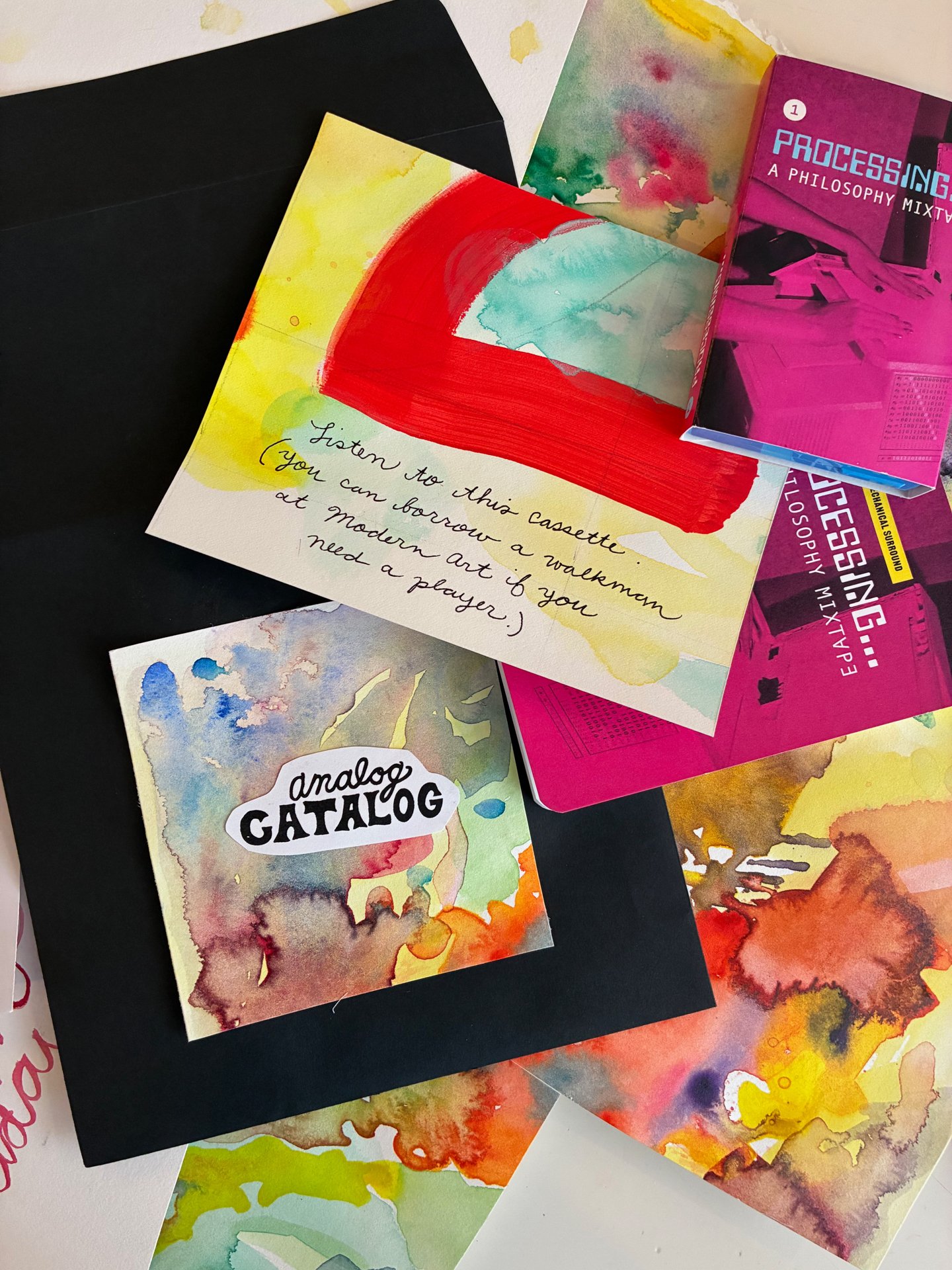
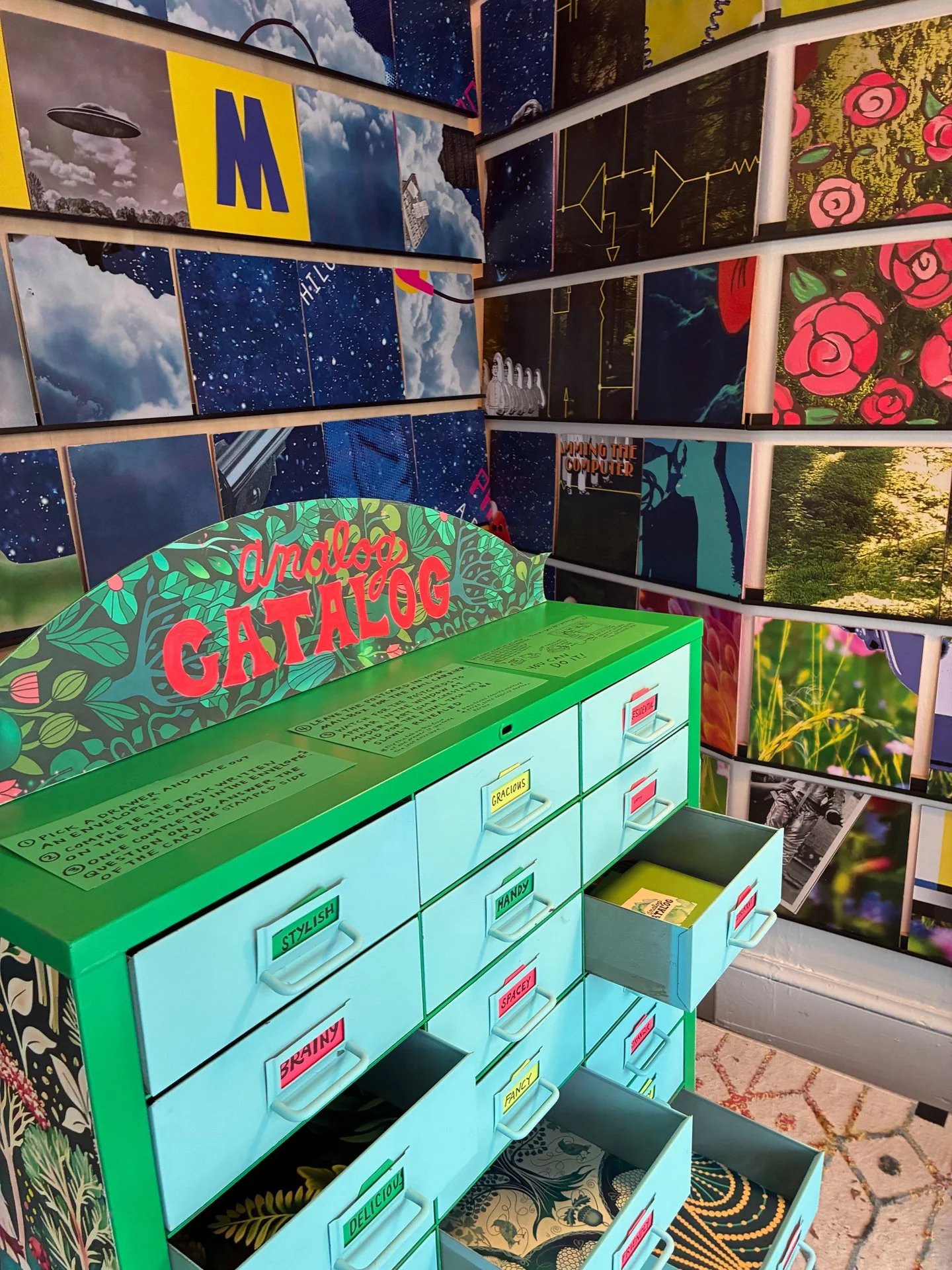
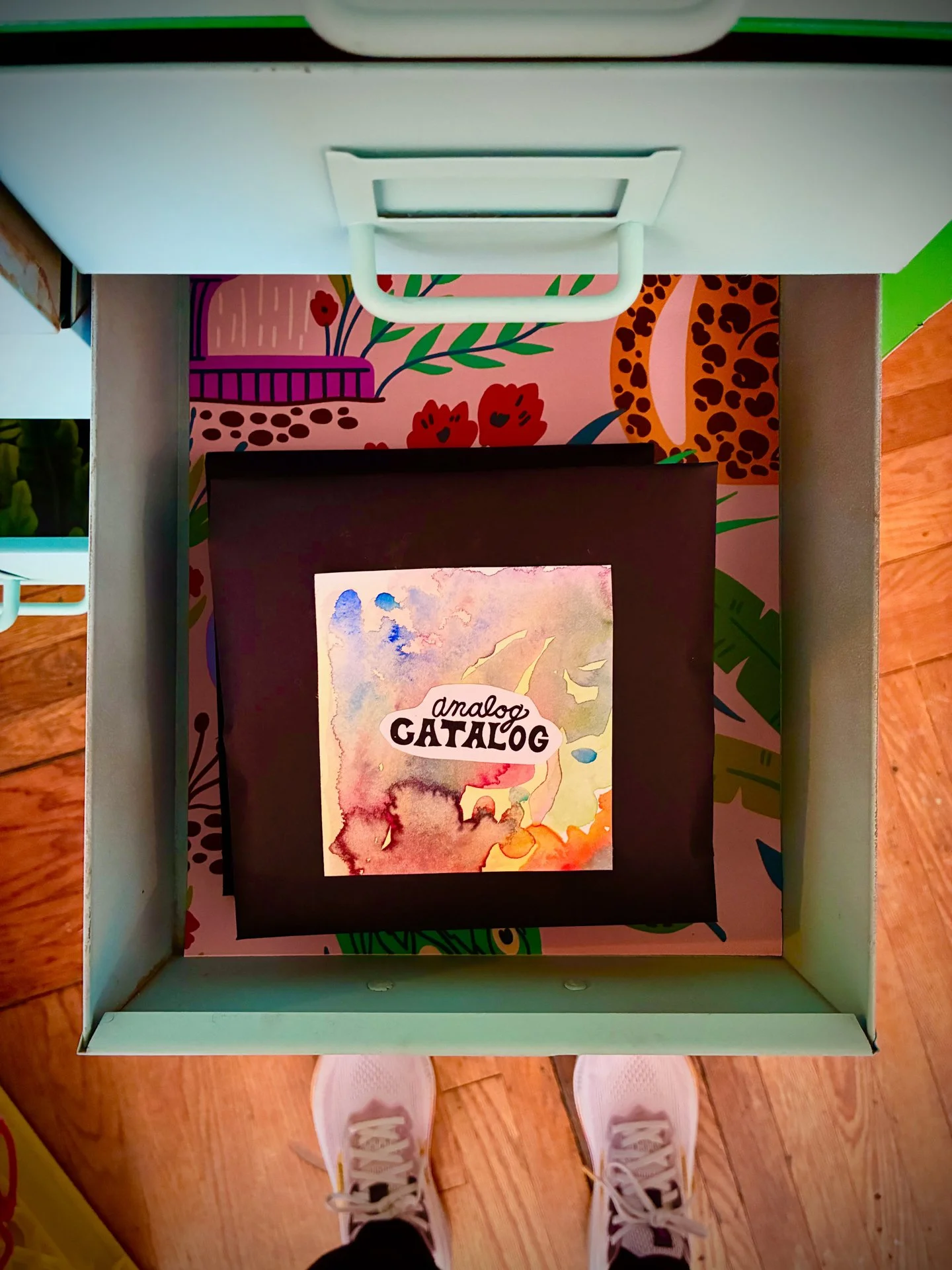
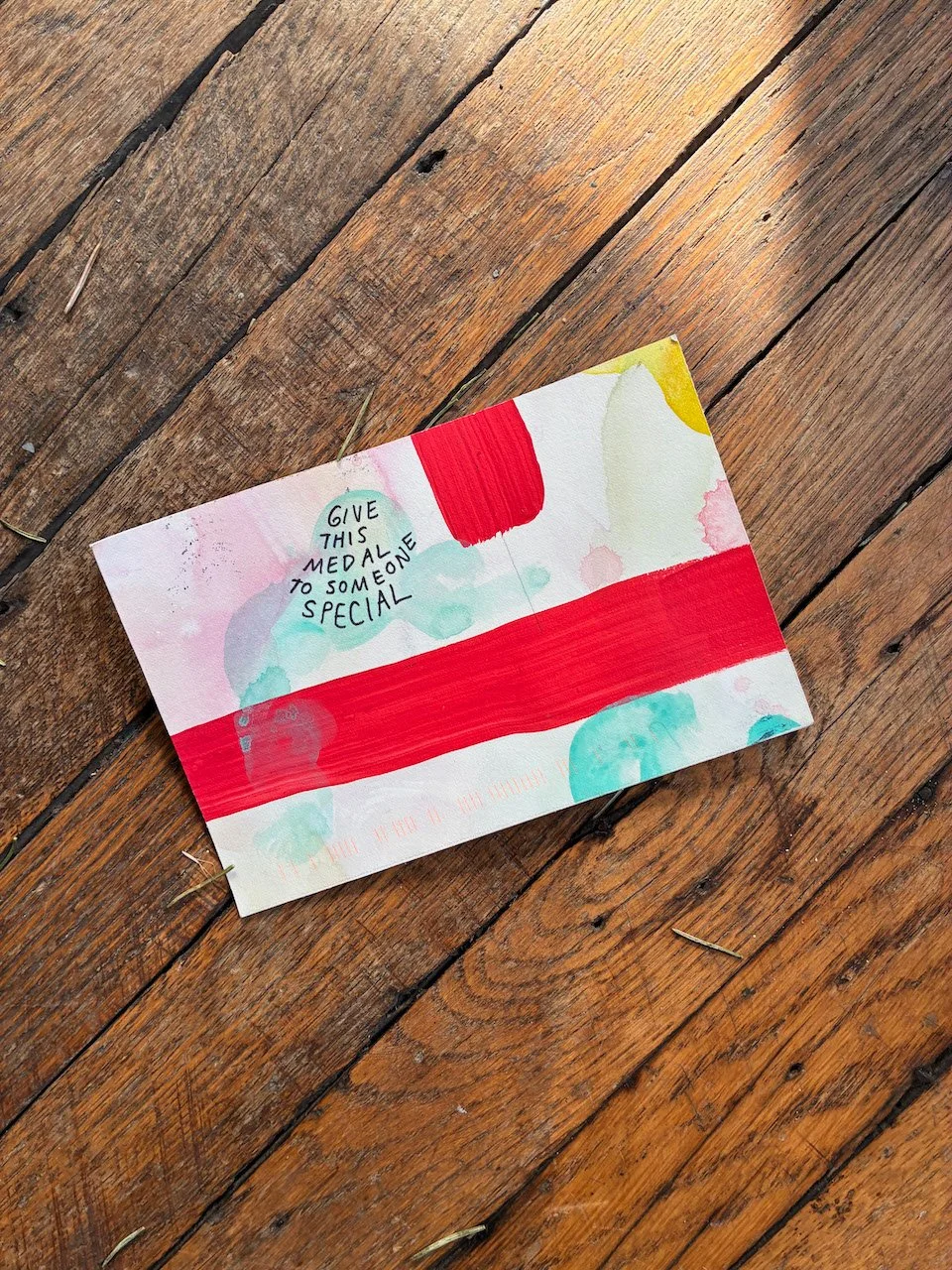
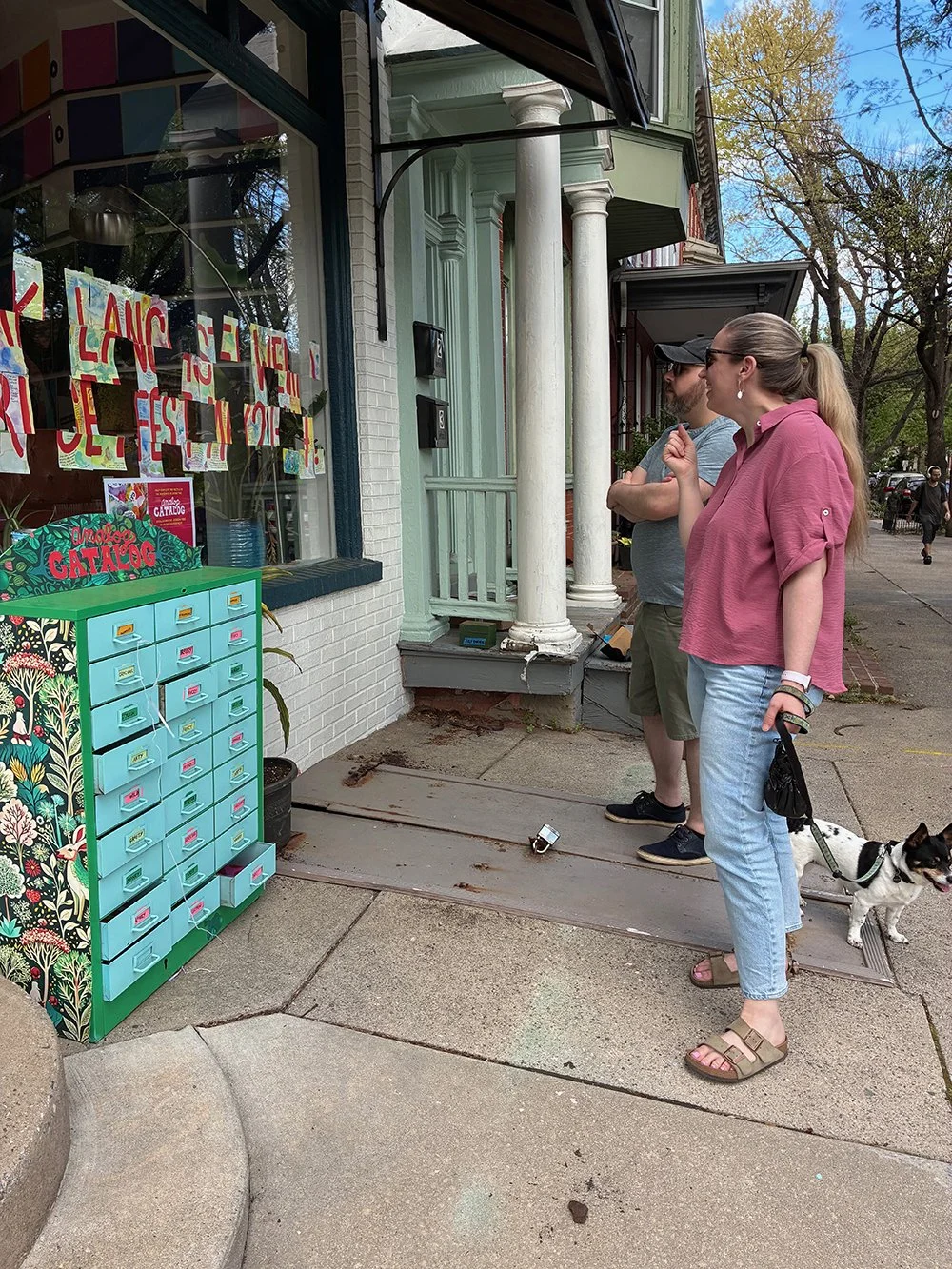
First presented in February 2026 as the central interactive artwork for the Lancaster Fringe Festival fundraiser, the catalog consisted of a cabinet of drawers, and a series of 75 analog tasks. Tasks included small challenges, like “Tell someone you love them", “Fix something that’s broken" and ”Wear something fancy tomorrow”. Participants selected an envelope from one of the drawers which contained the prompt on a pre-stamped and addressed postcard. After completing the task, they were asked to reflect on how it went, then mail them back to Modern Art.
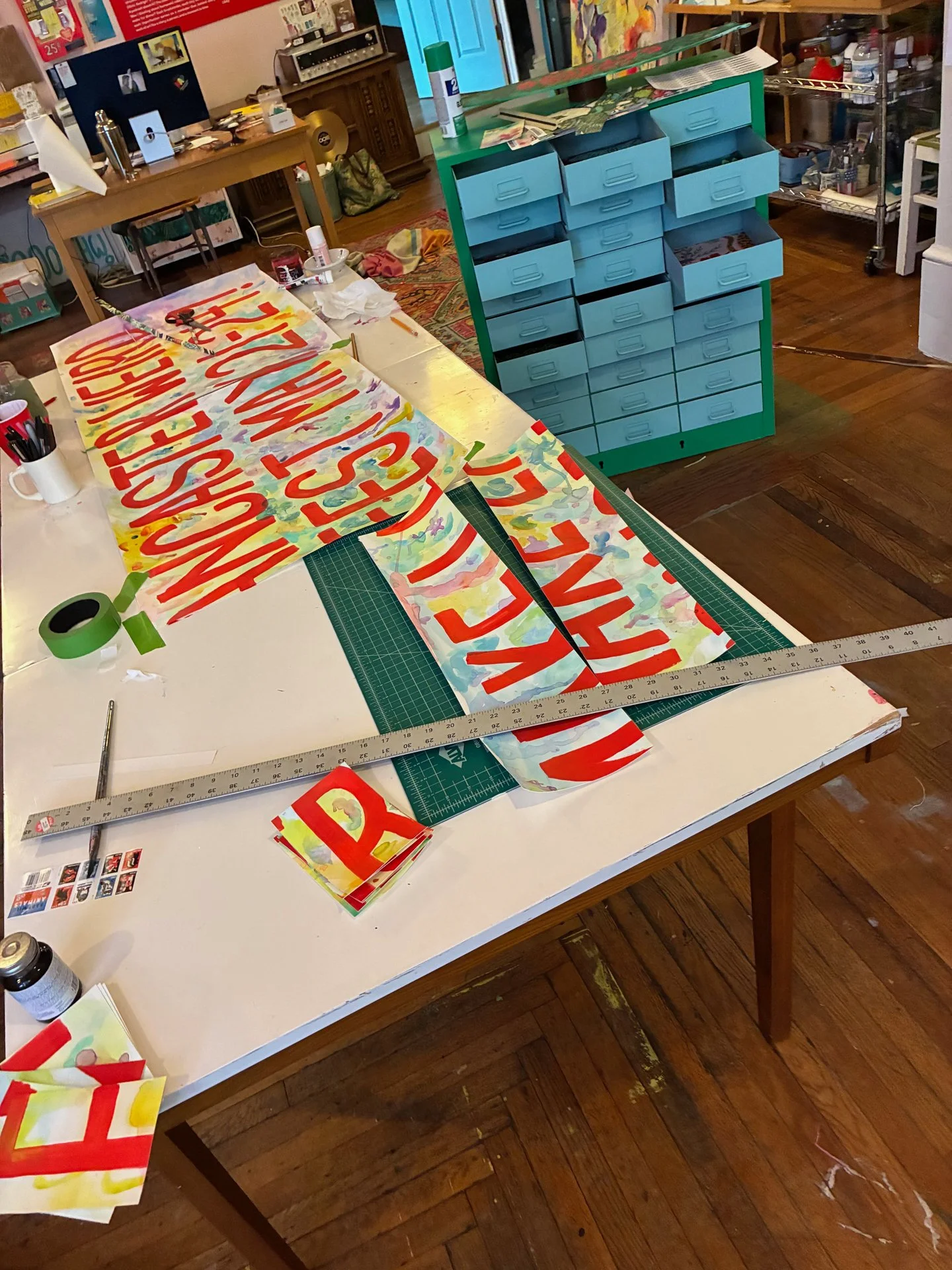
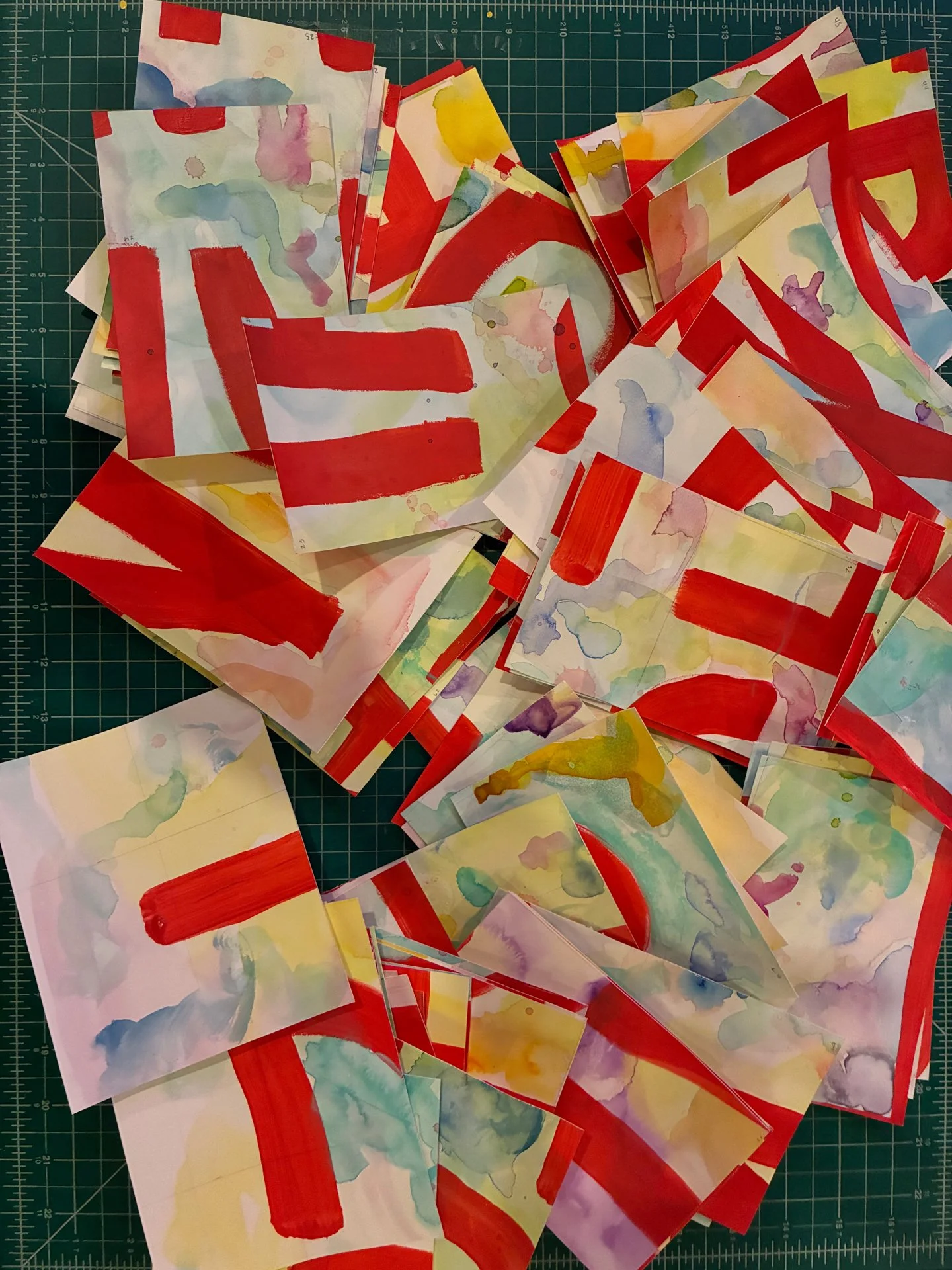
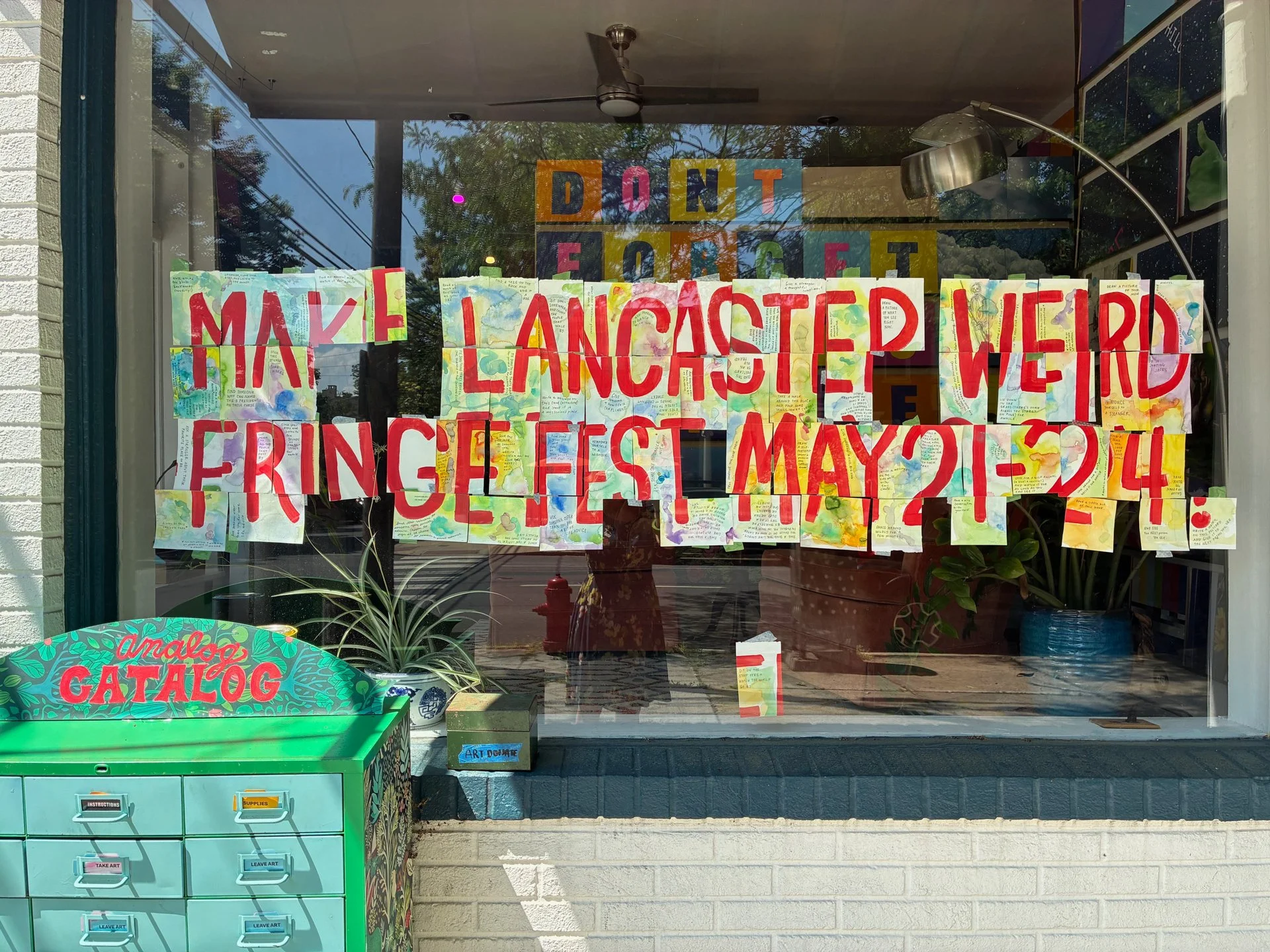
Each postcard had been cut from a larger, hand-painted 10’-by-4’-foot banner with a larger community task, so as the cards returned through the mail, they were installed in the storefront window, gradually reconstructing the larger message through the accumulation of many individual contributions.
By the end of the exhibition, all 75 cards had been claimed. Thirty days after that, 41 postcards were returned in the mail. 34 were still out in the wild.
Instead of ending the experiment with an incomplete banner, I found a way to keep it going: I recreated the original banner, cut new postcards from the missing sections, and placed the cabinet with 34 new envelopes outside Modern Art, inviting passers-by to complete the remaining tasks and return their completed cards through my mail slot. The work continued as neighbors and visitors opened the drawers, completed the tasks, and added to the banner in the window.
Every task in the catalog was intentionally modest, accessible, and hopefully joyful— they were challenges only in that they ask participants to step outside their routine. But each individual action contributes to something larger than just the task. It’s an experiment of what can happen when many people commit to small acts of curiosity, generosity, vulnerability, or attention.
The concept of the Catalog embraces uncertainty as art. I didn’t know if the postcards would be returned, if the banner would ever be completed, or even that the project would “work” in the end. But through trusting strangers, embracing incompleteness, it revealed not only the final “task” (MAKE LANCASTER WEIRD!), but also that a shared work, and delightful surprises, come from many small acts. The completed banner is only one outcome; the artwork lives on as much in the encounters, the conversations, and the many moments of joy that made its creation possible.
Take a peek at the project, and the process, below:
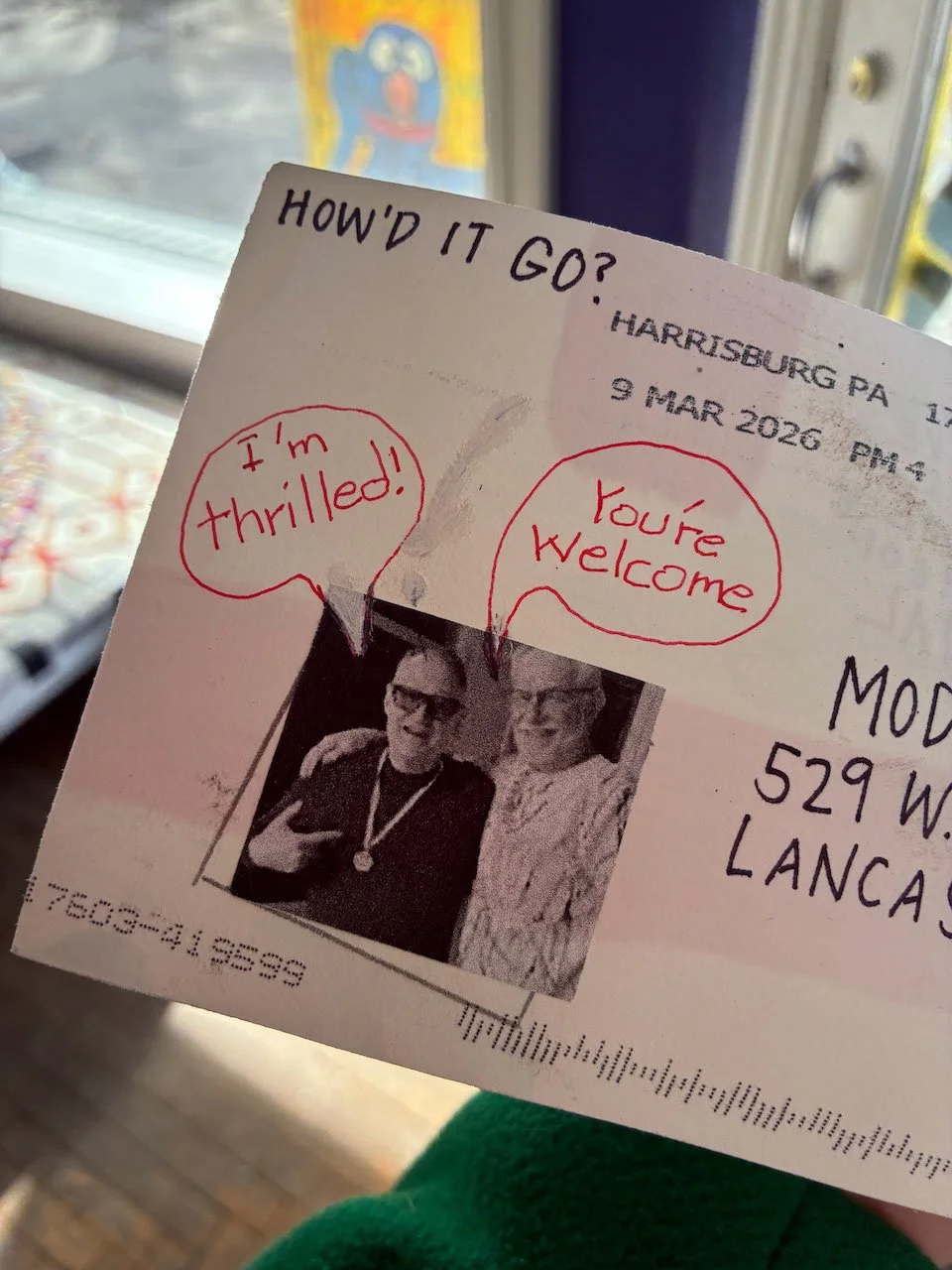
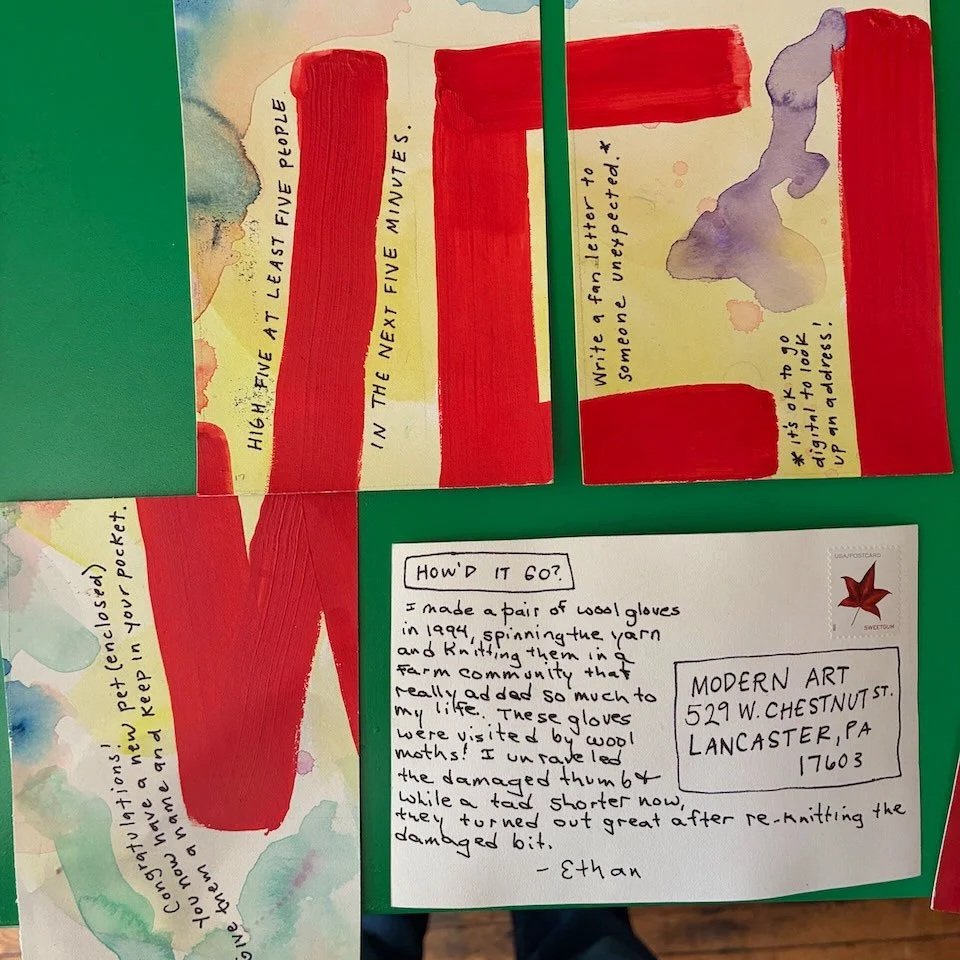
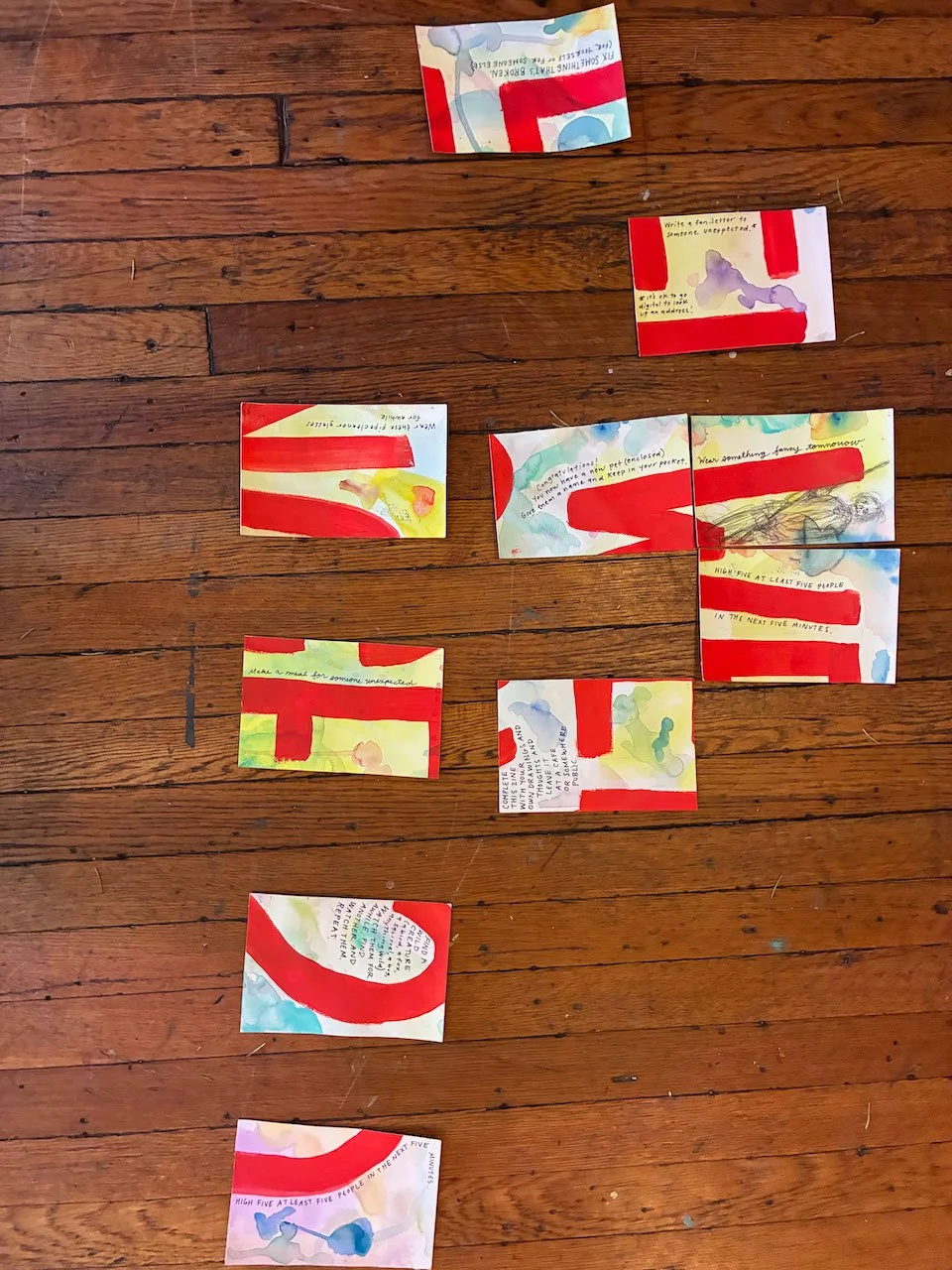
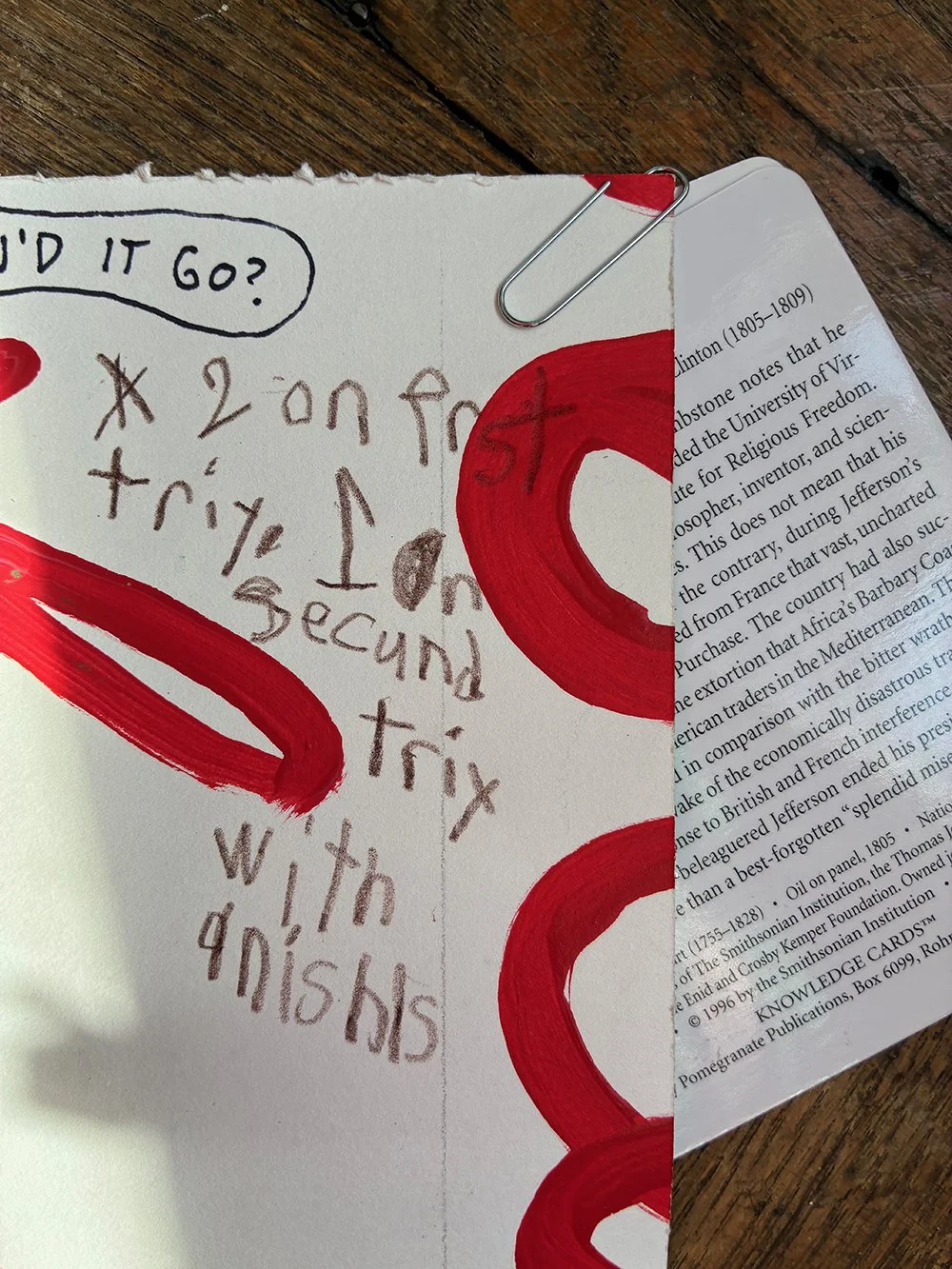
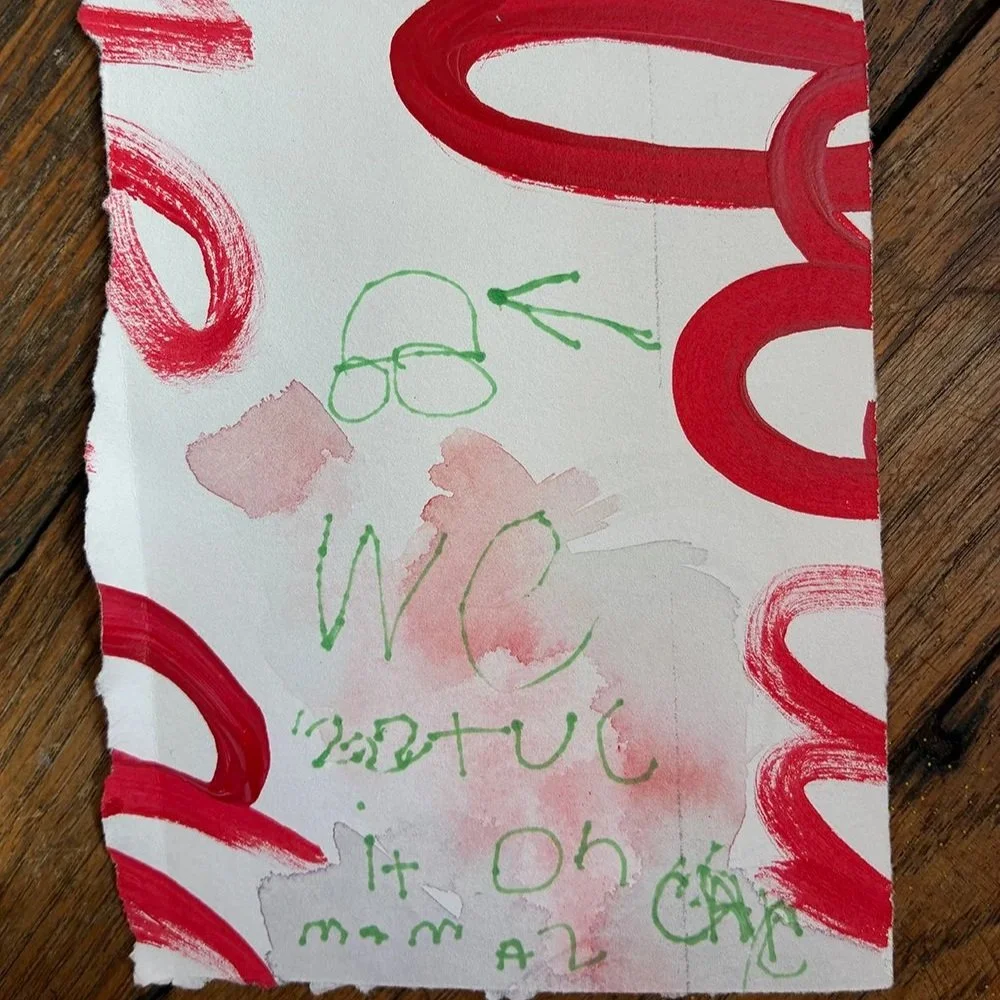
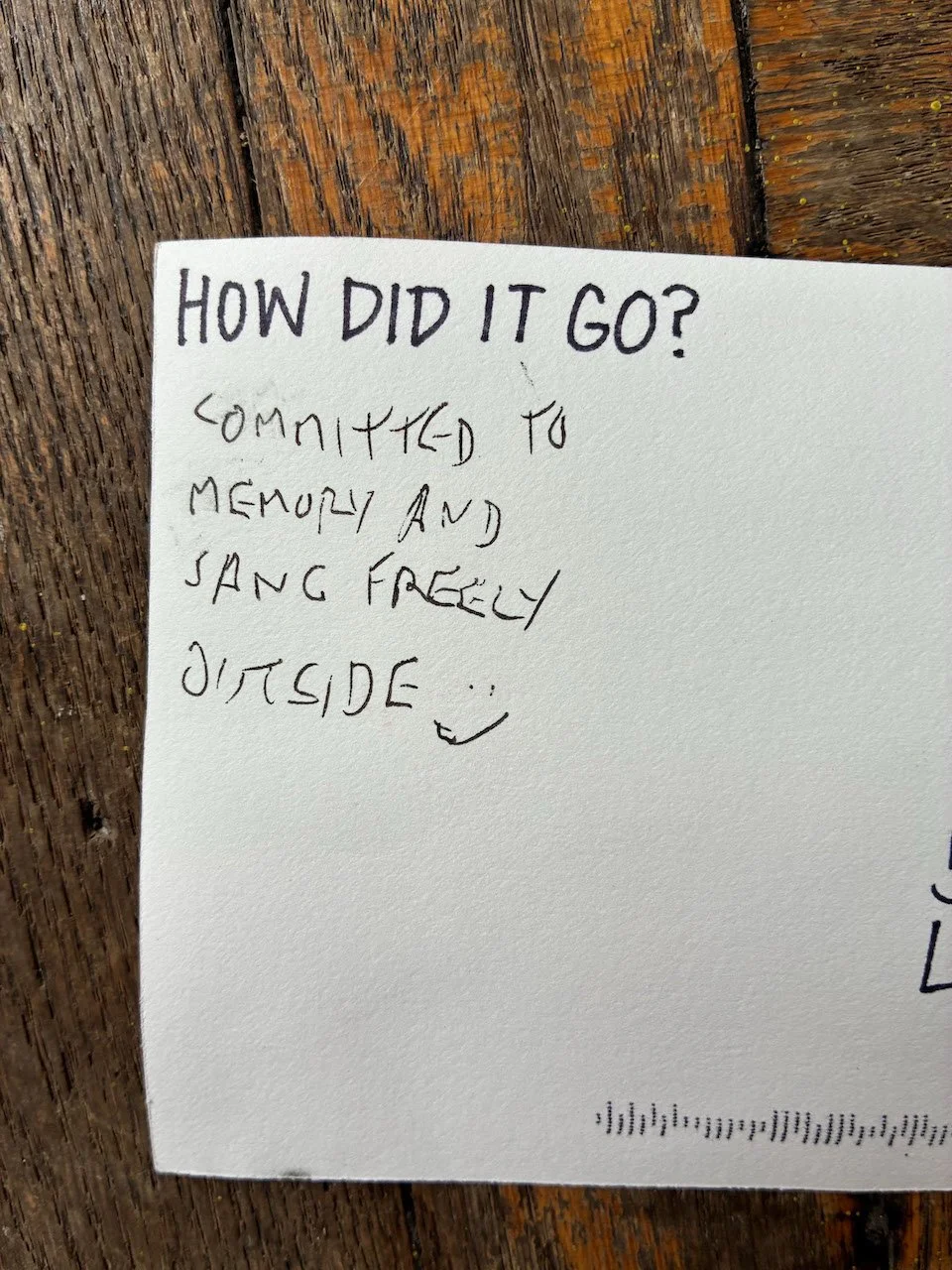
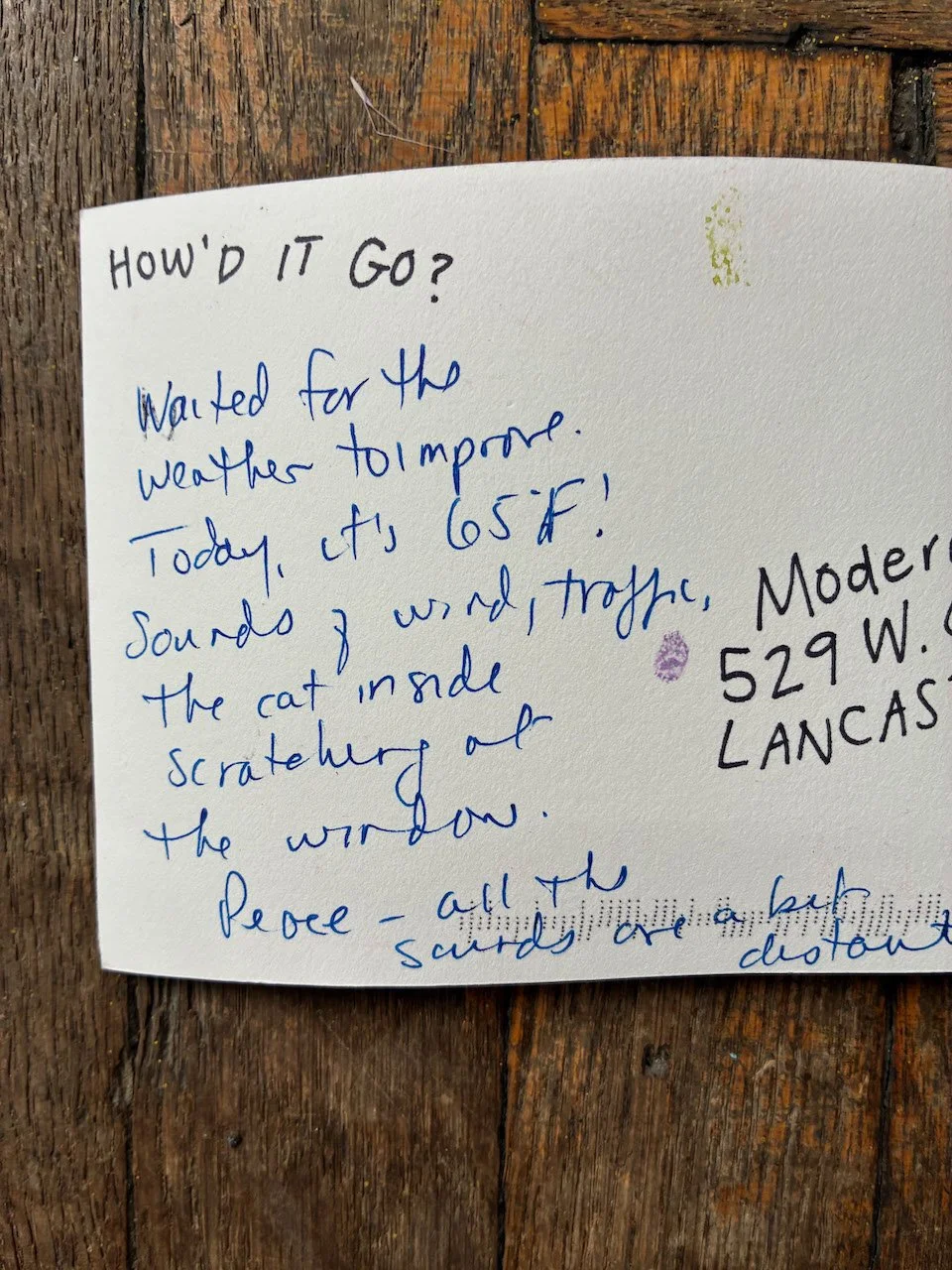
One of the best parts of this experiment was coming into work every day, seeing a pile of cards on the floor in front of the mail slot, and reading what people wrote about their tasks. Check some out here: