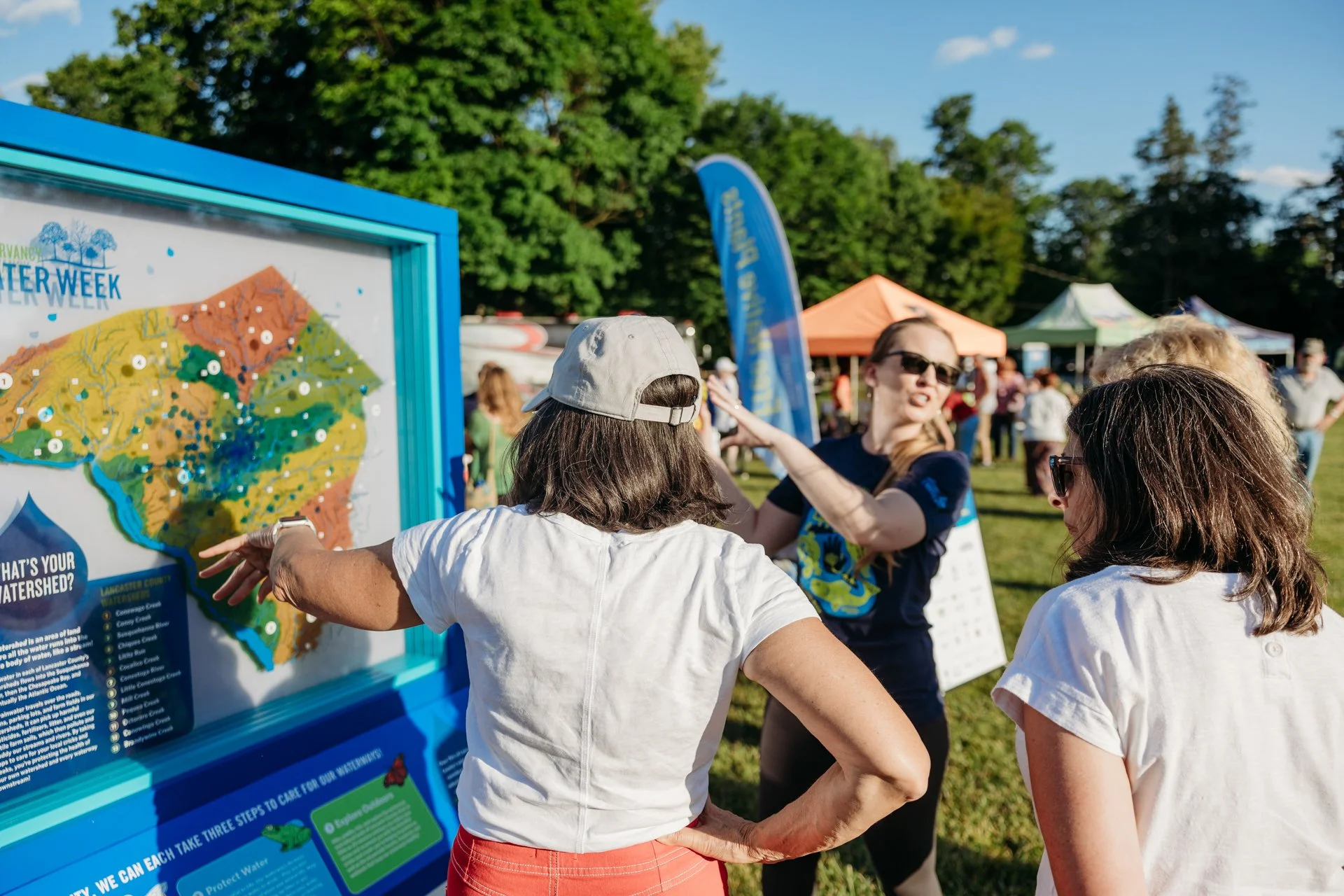
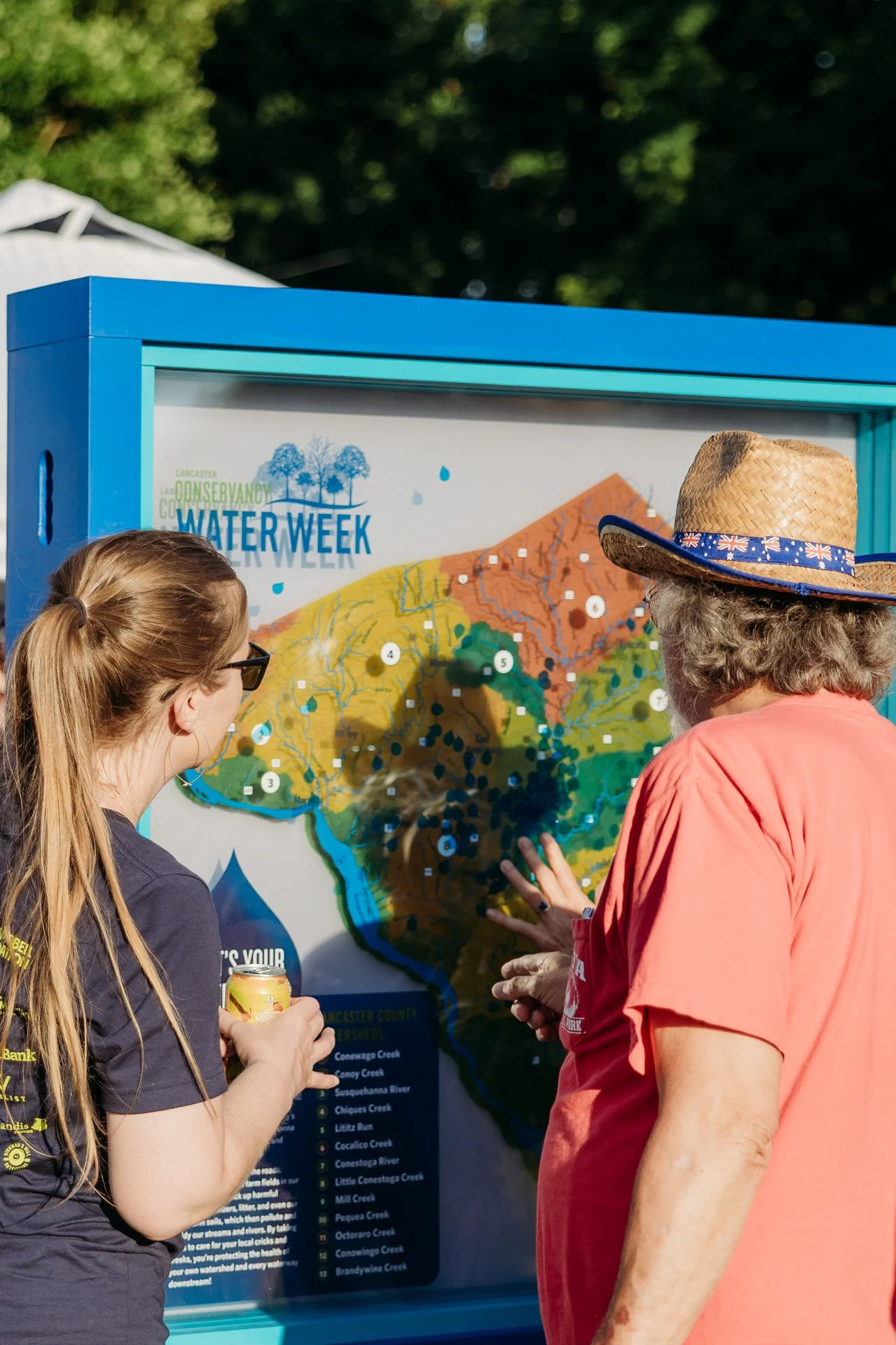
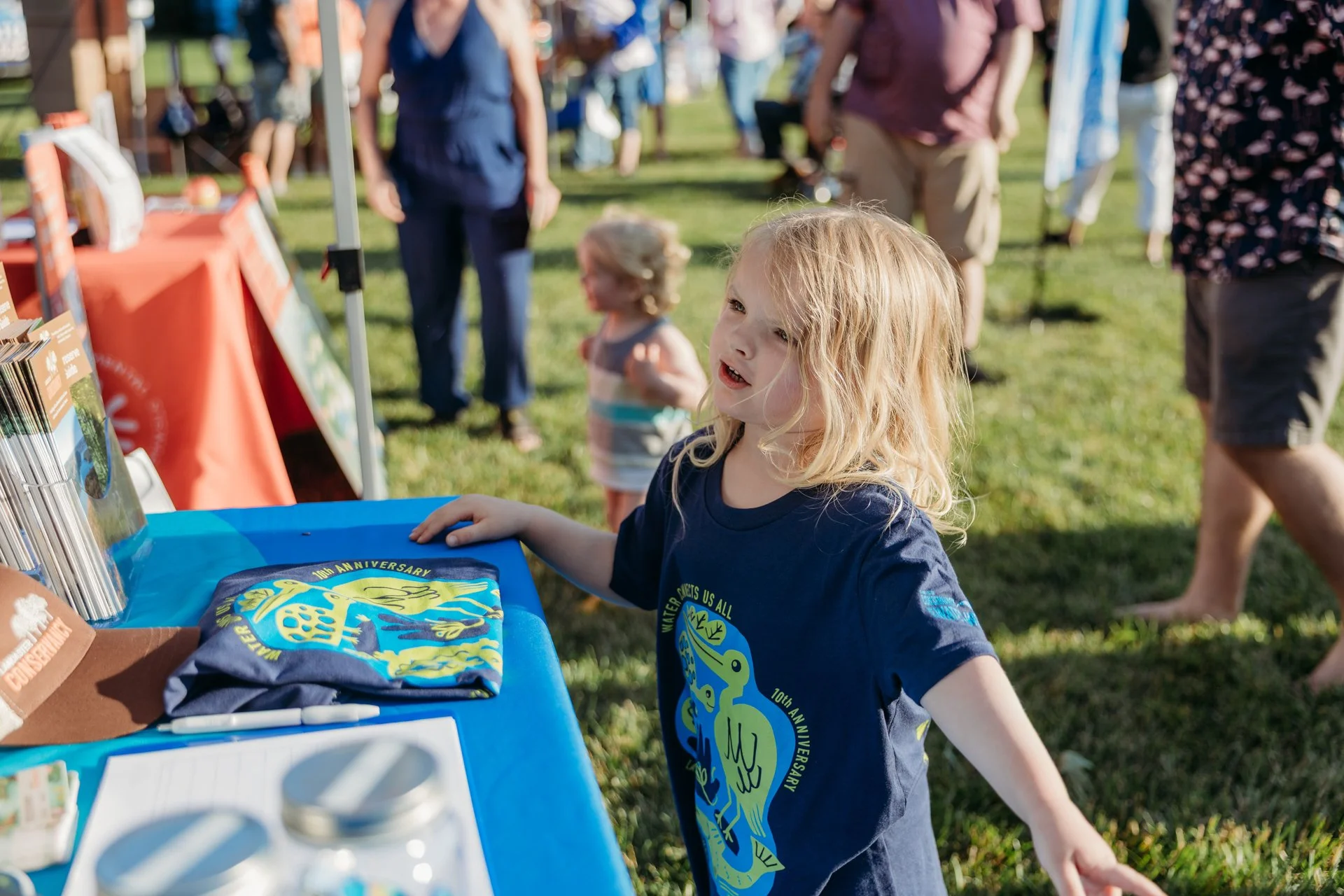
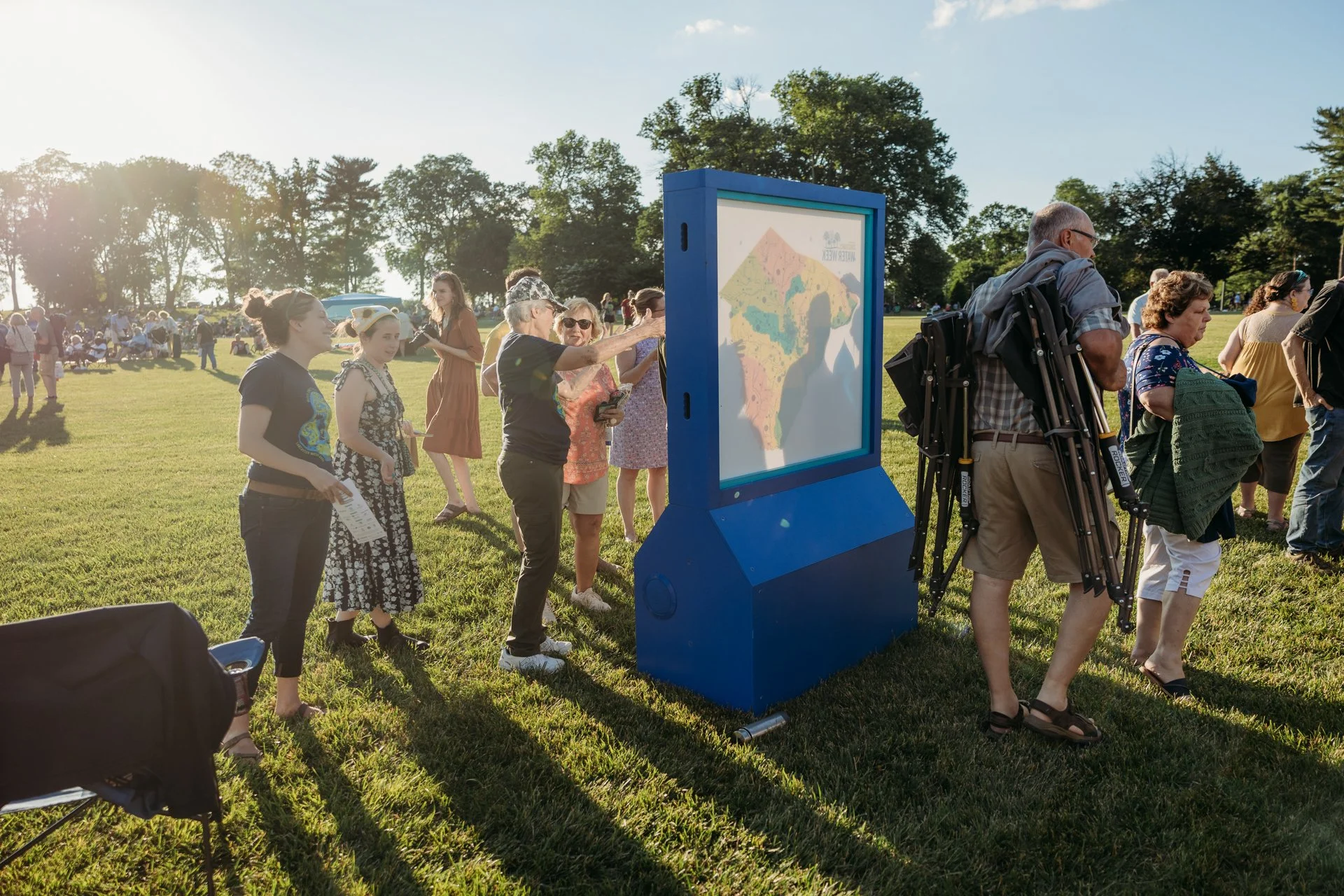
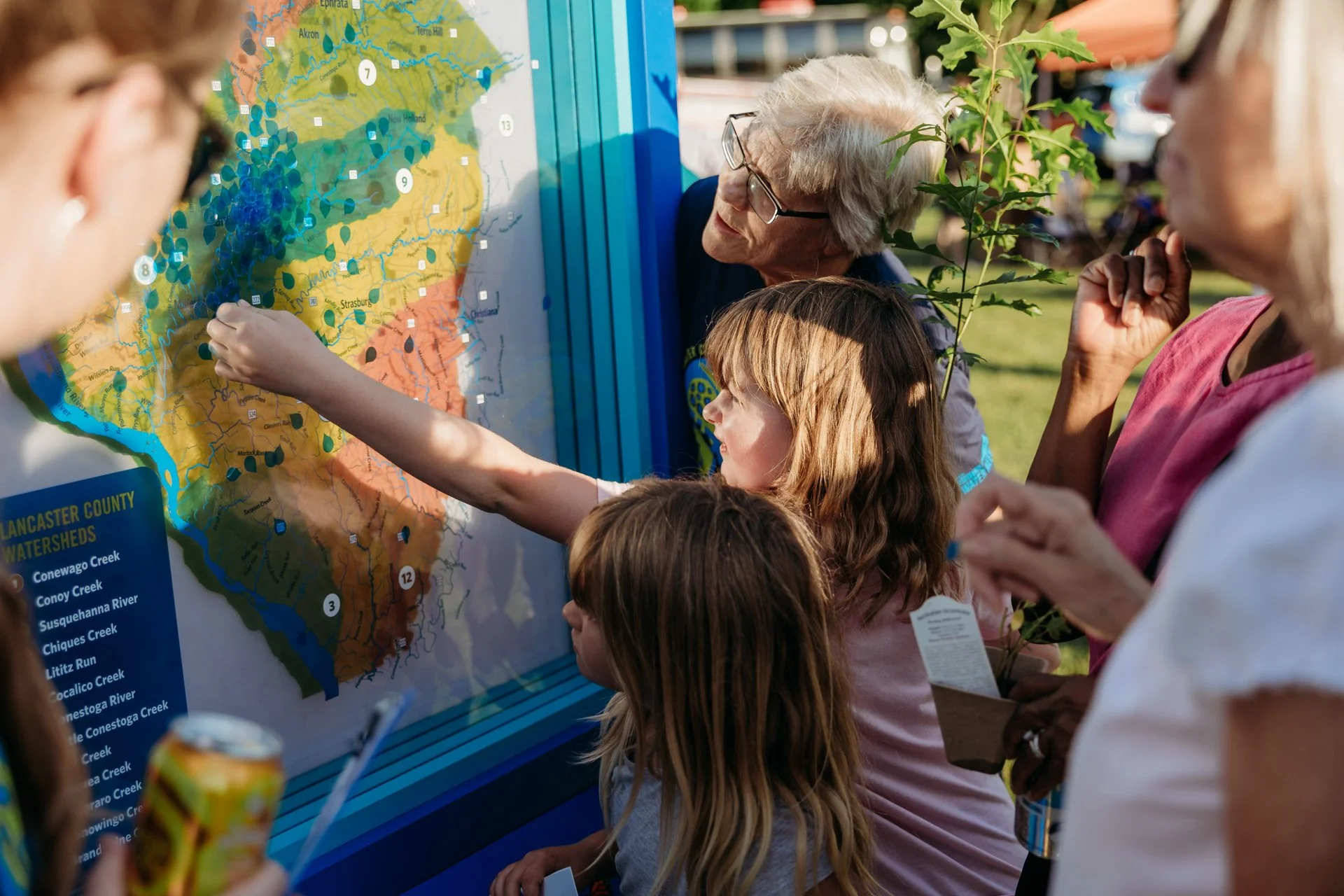
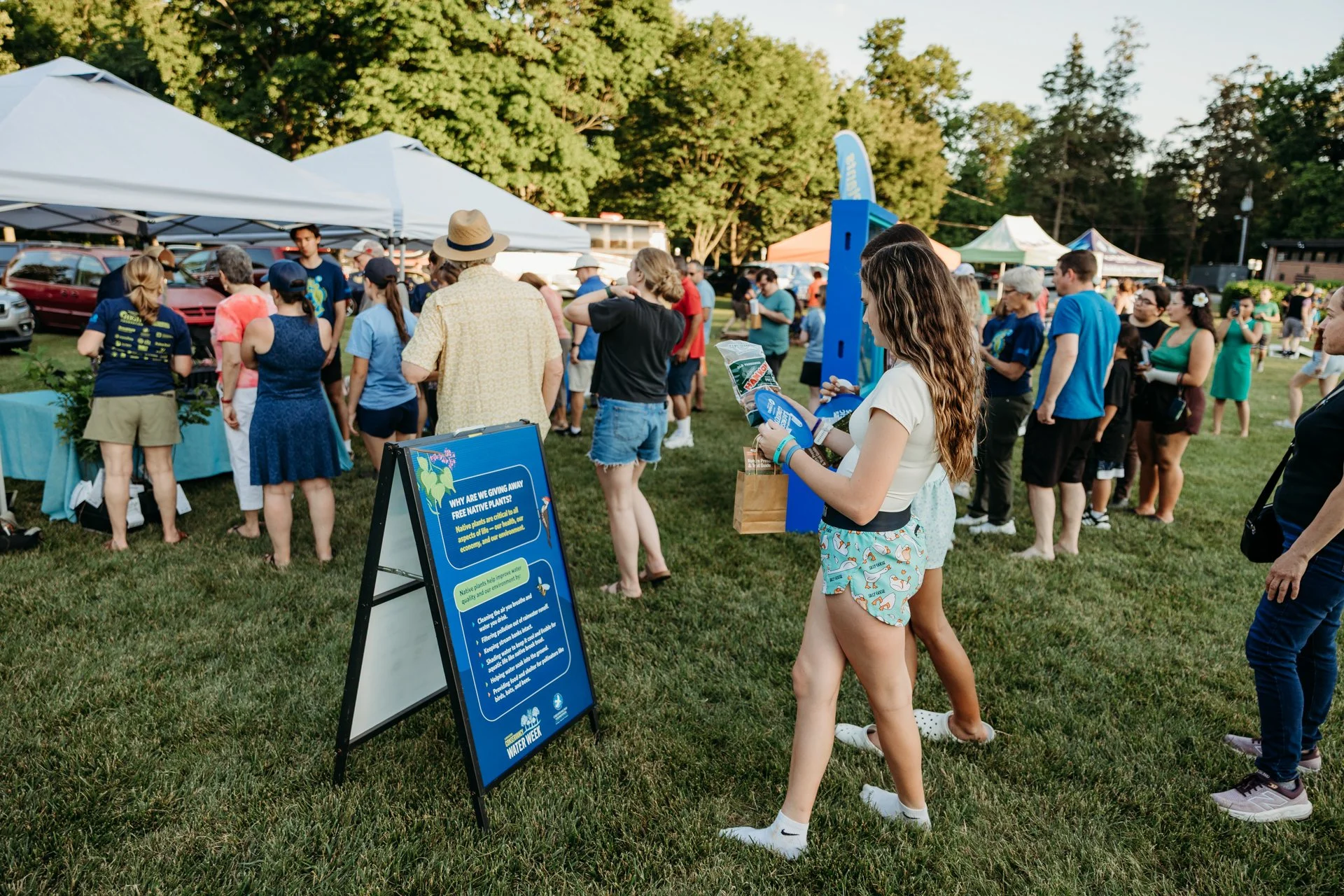
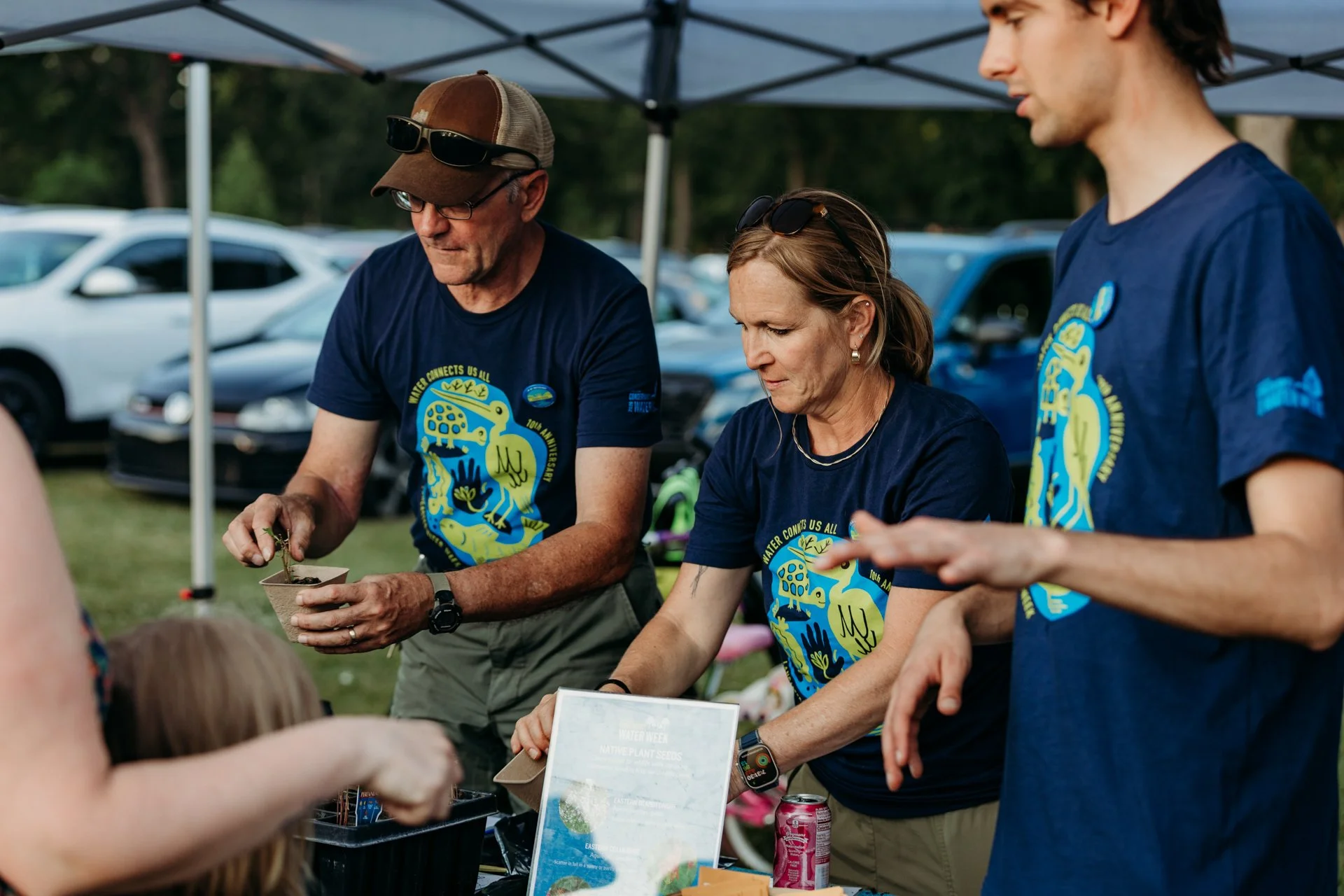
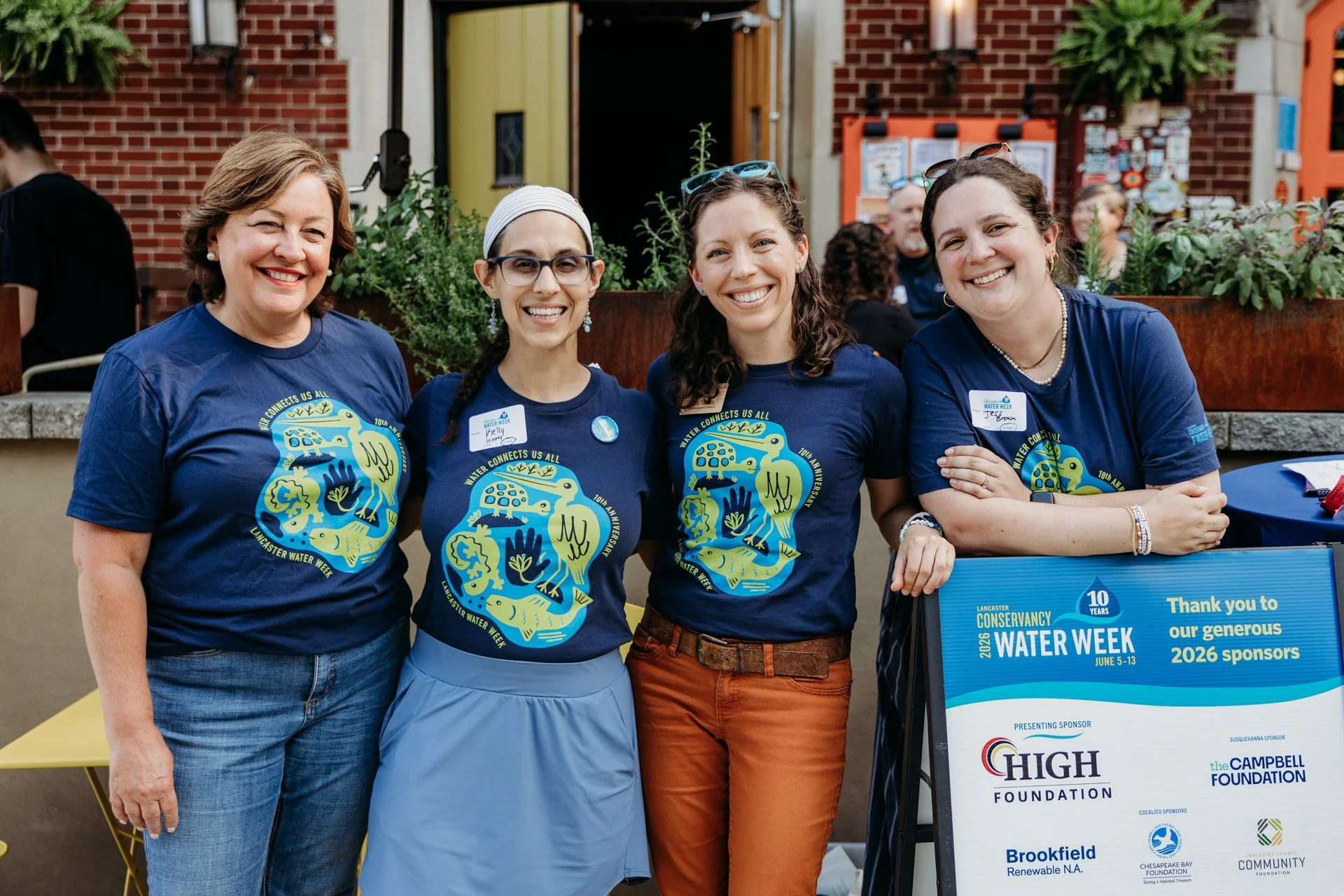
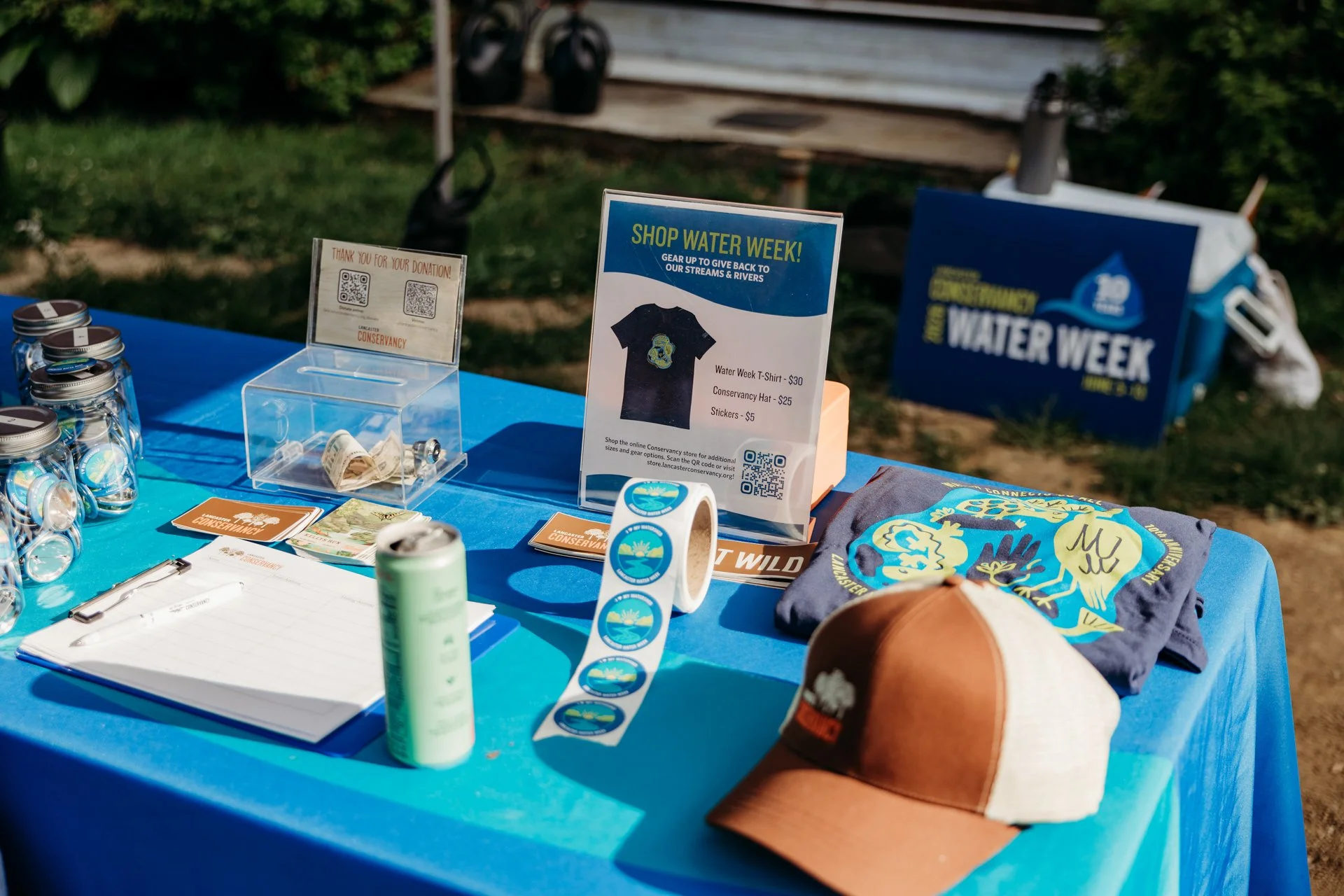
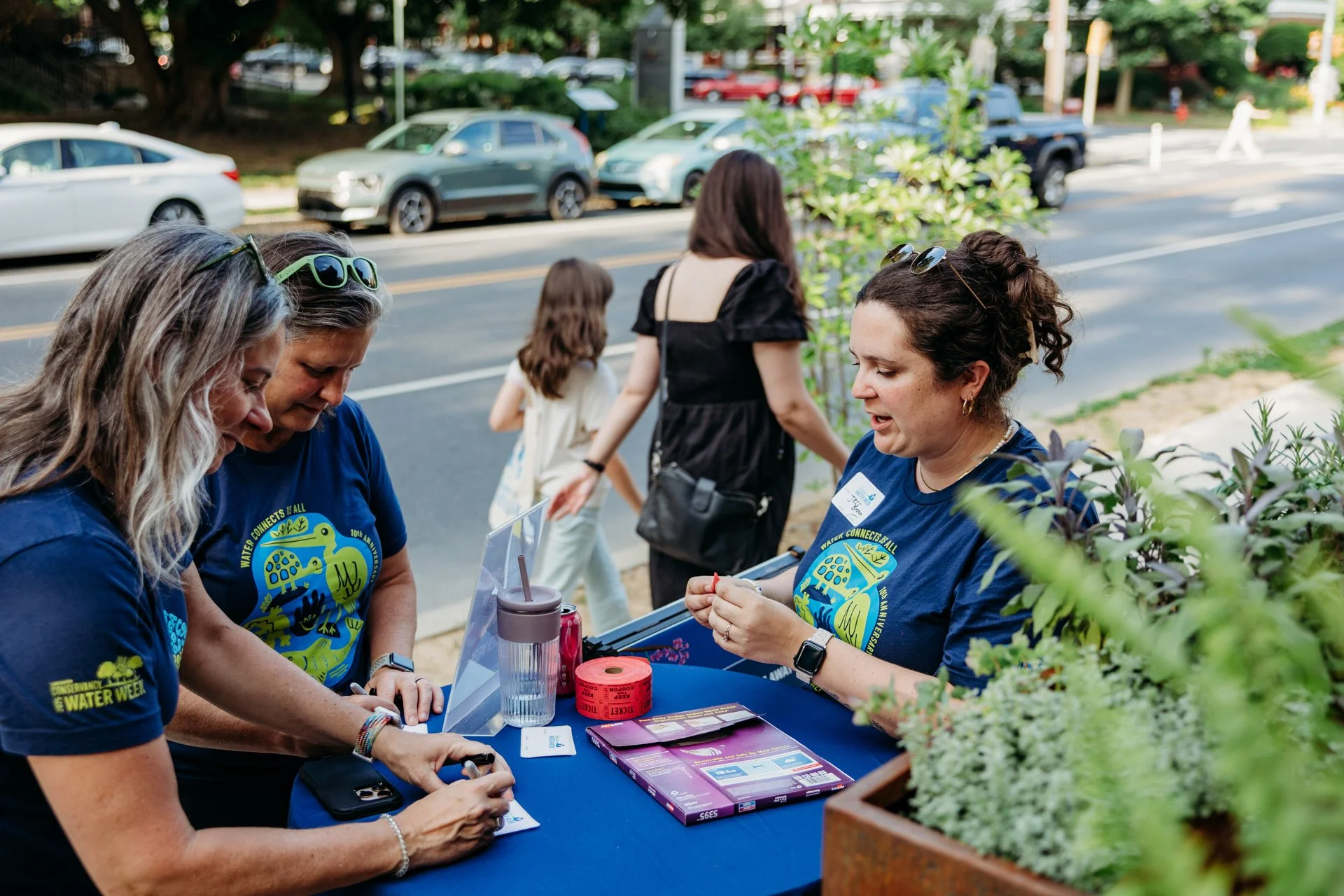
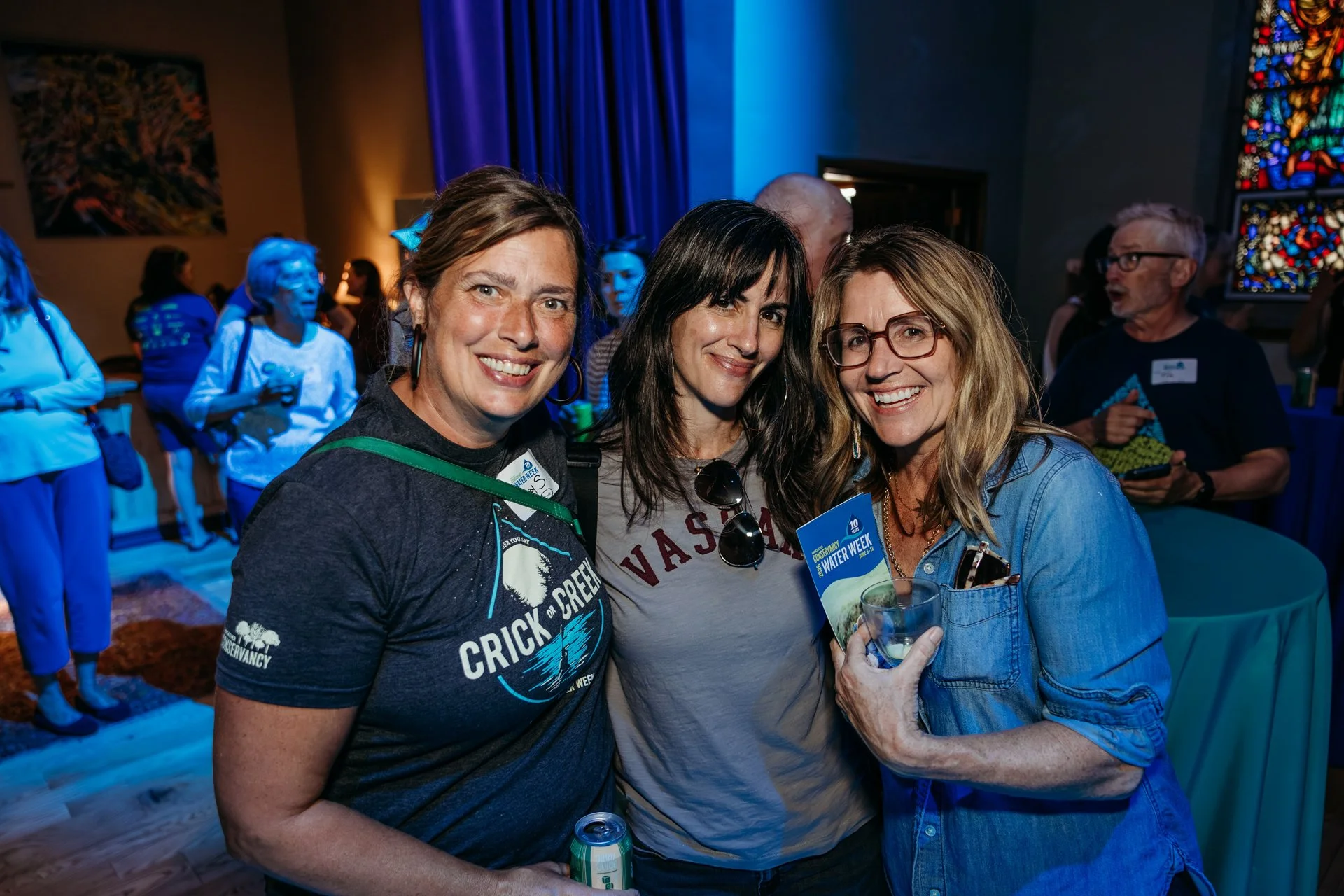
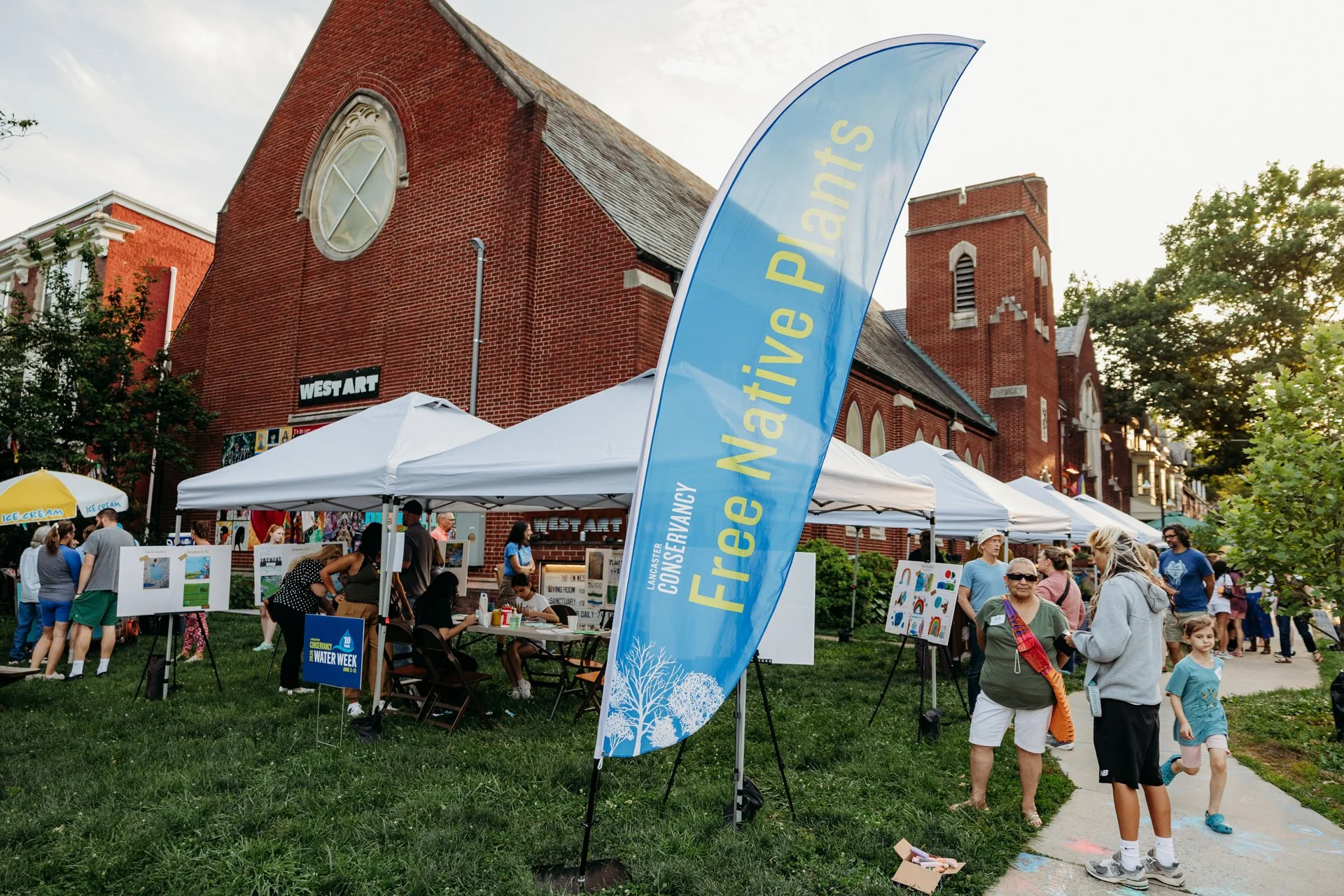
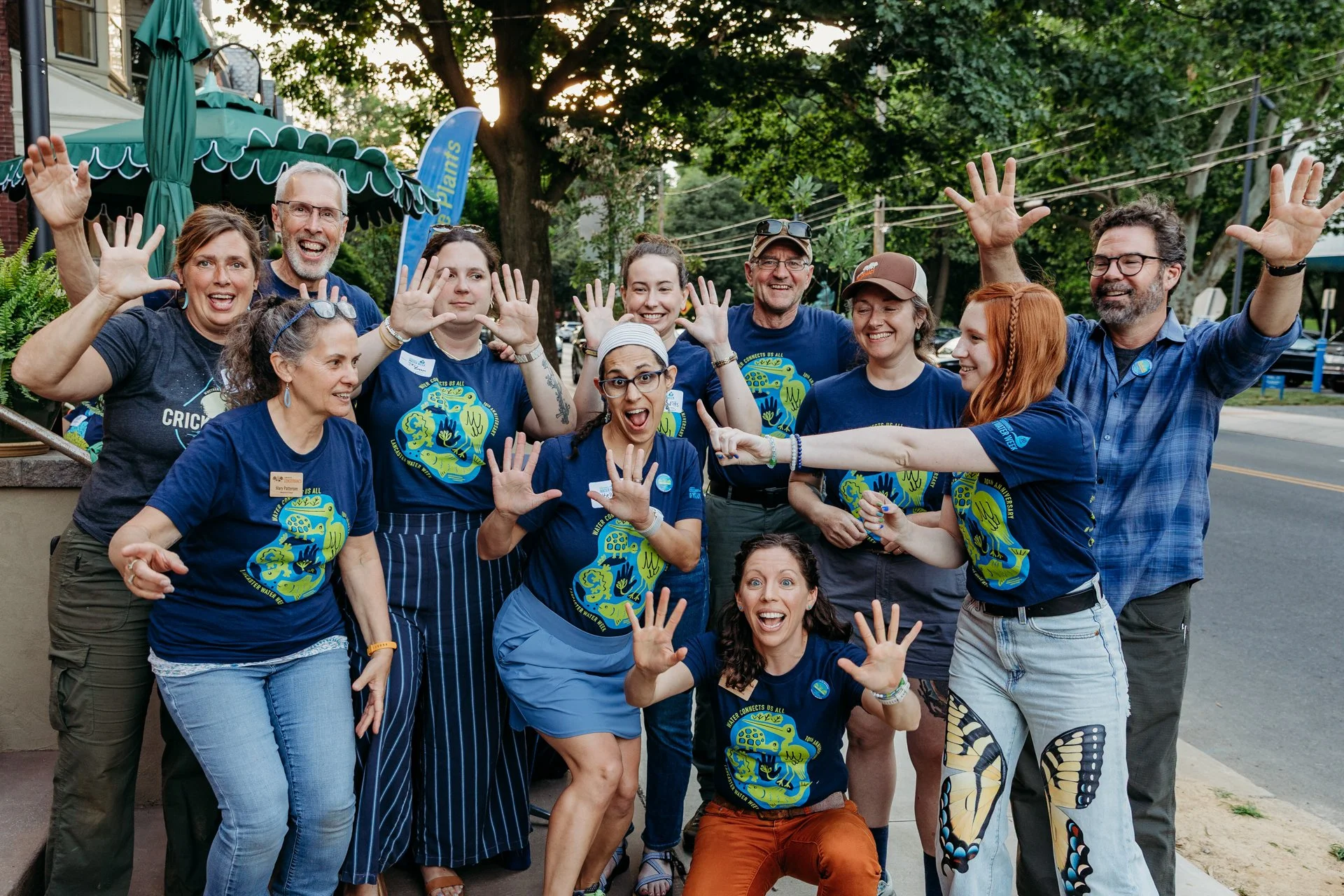
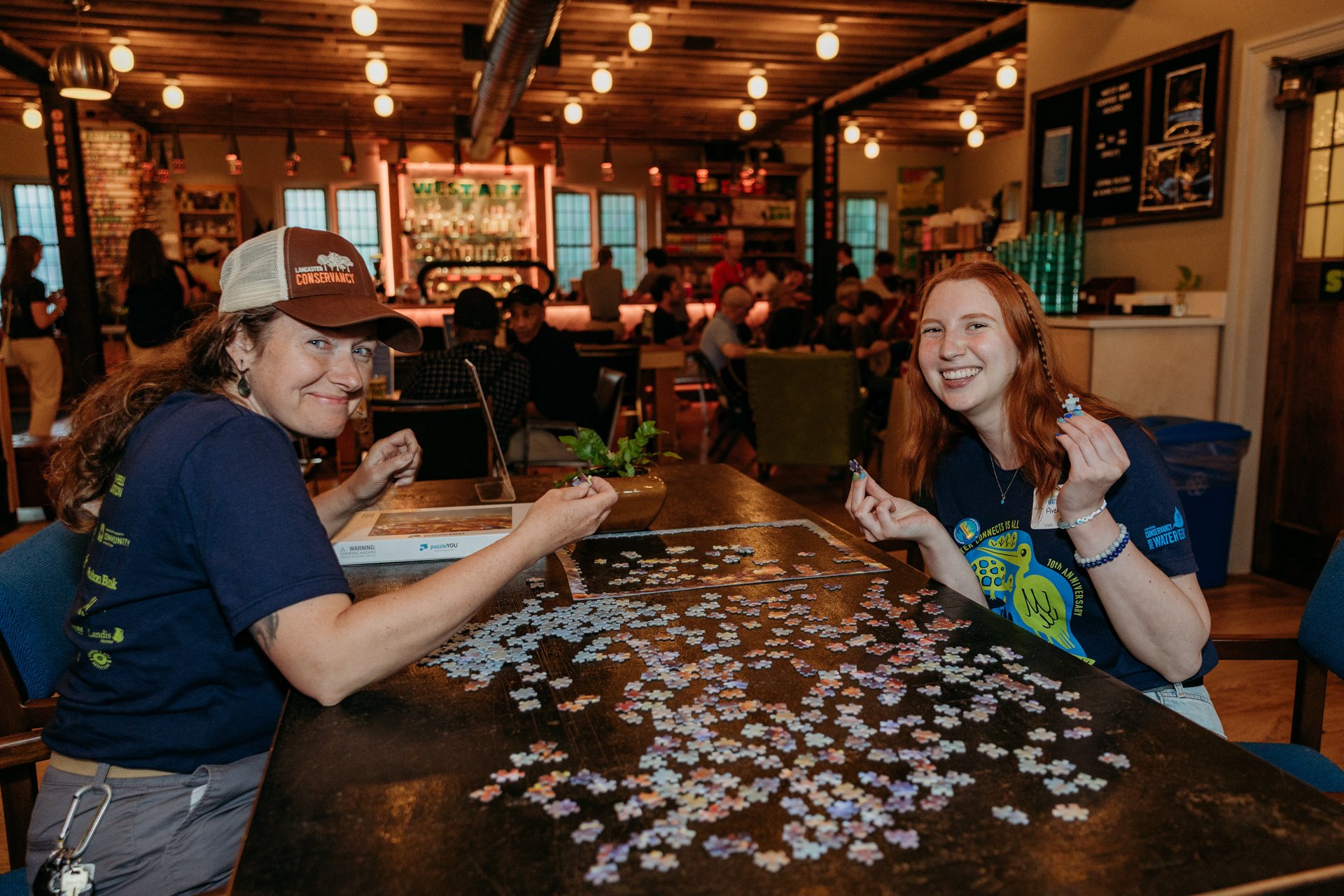
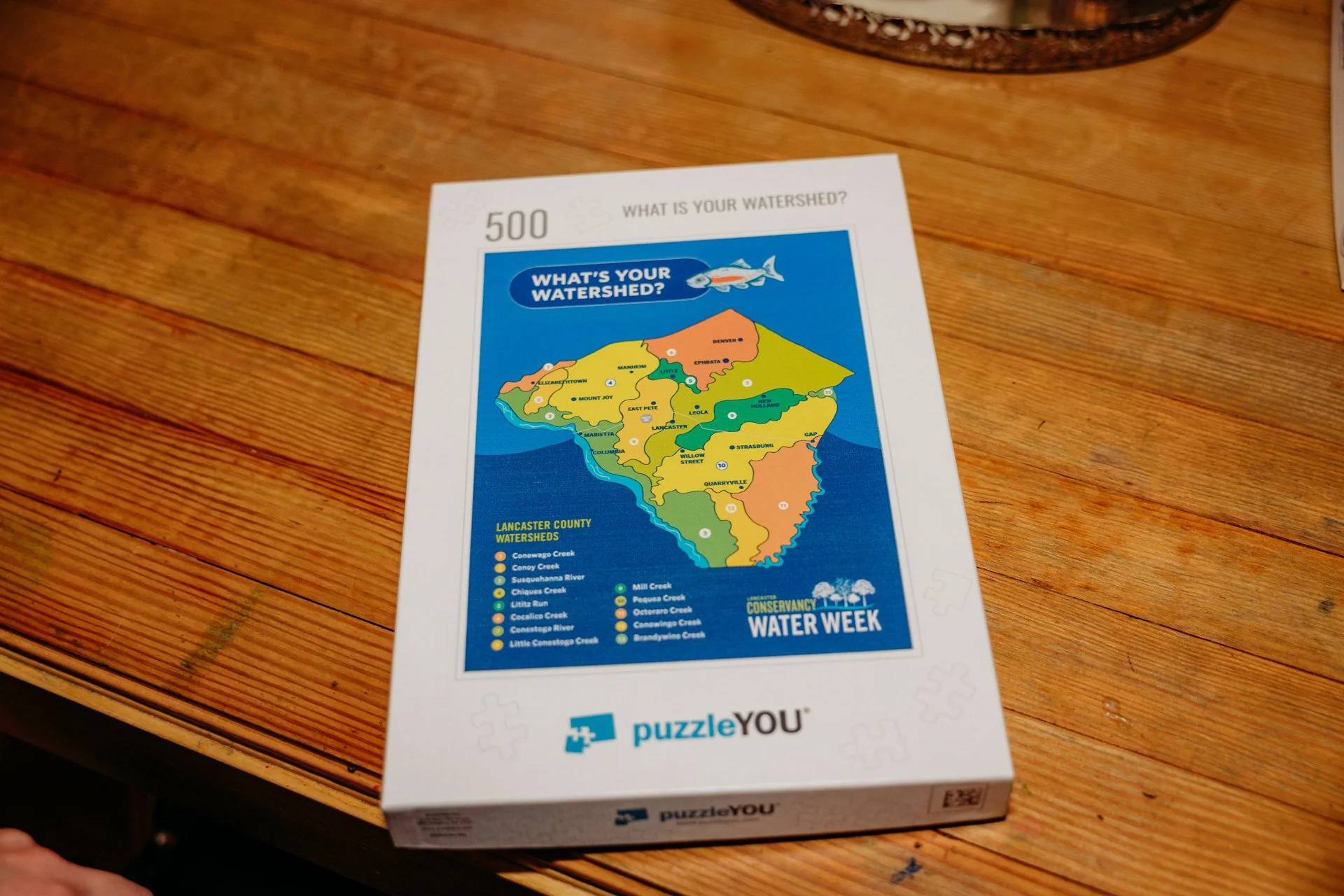
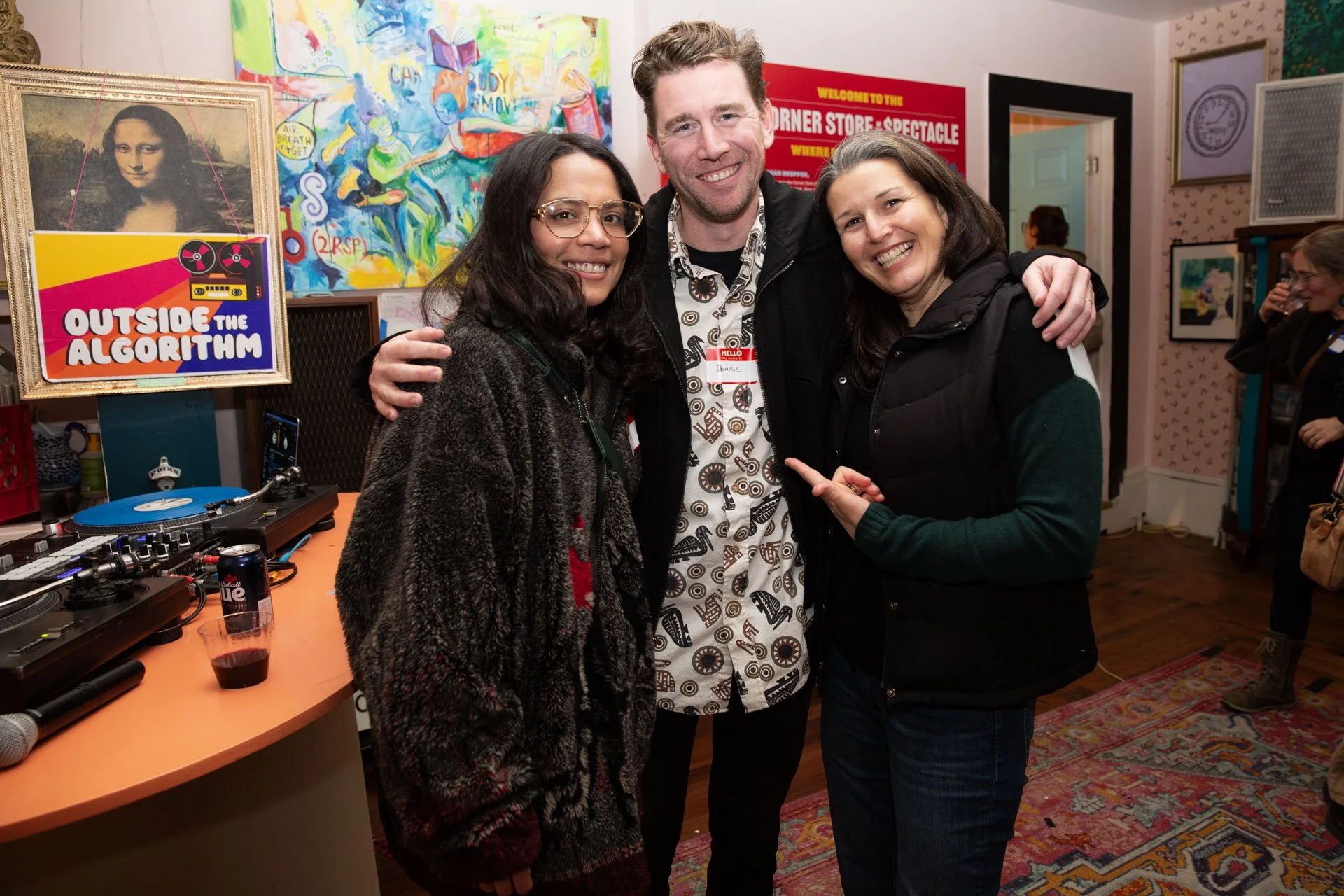
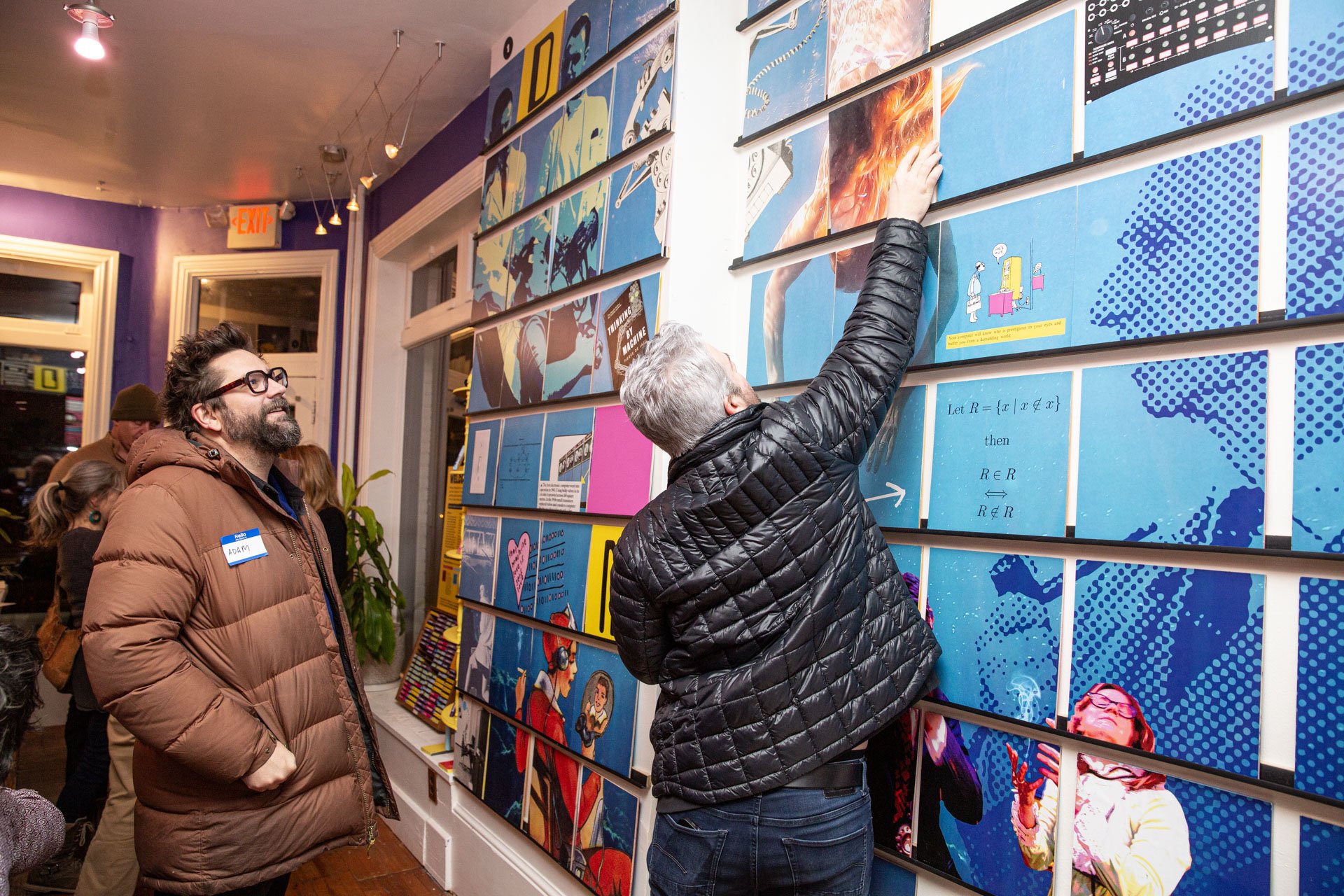
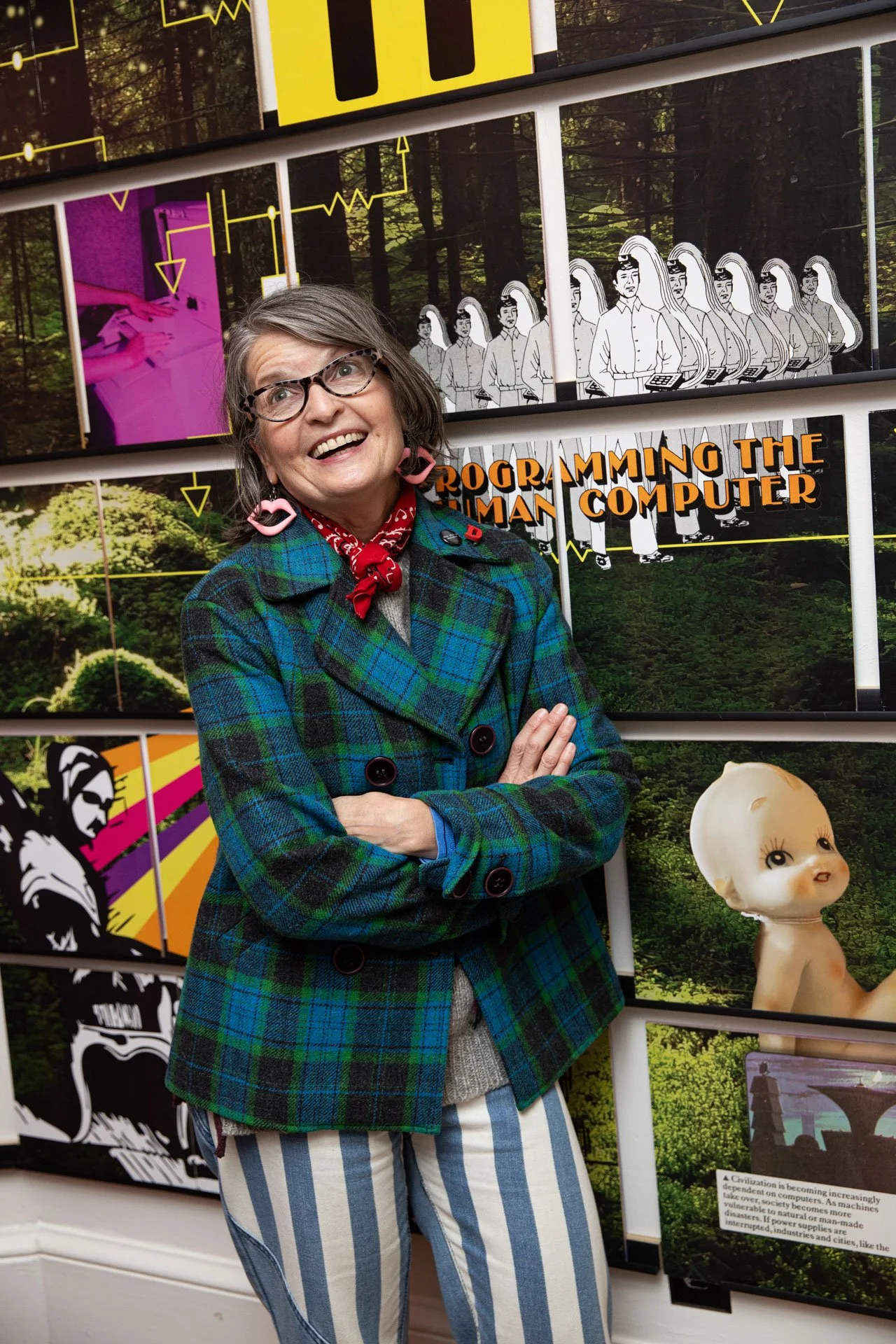
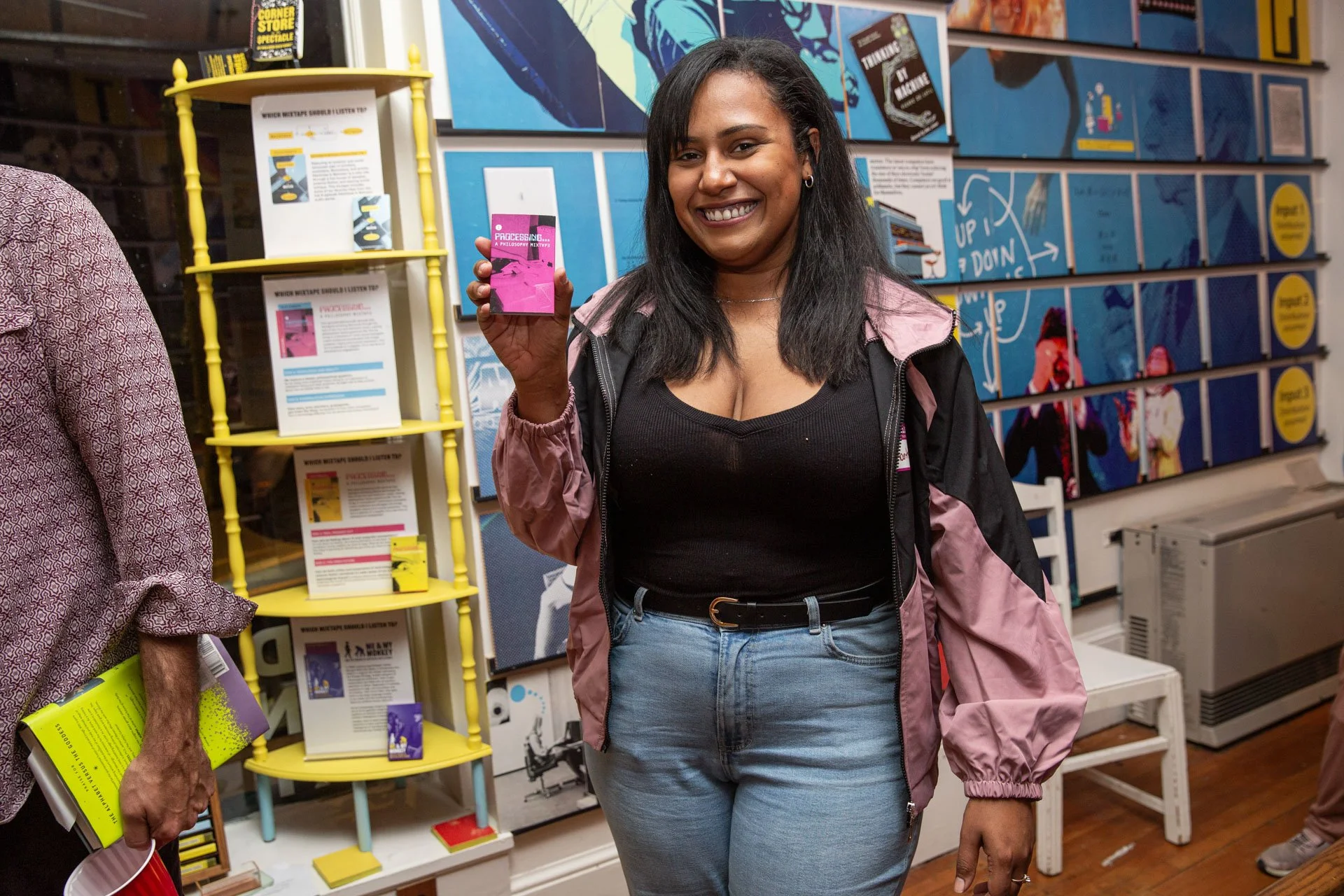
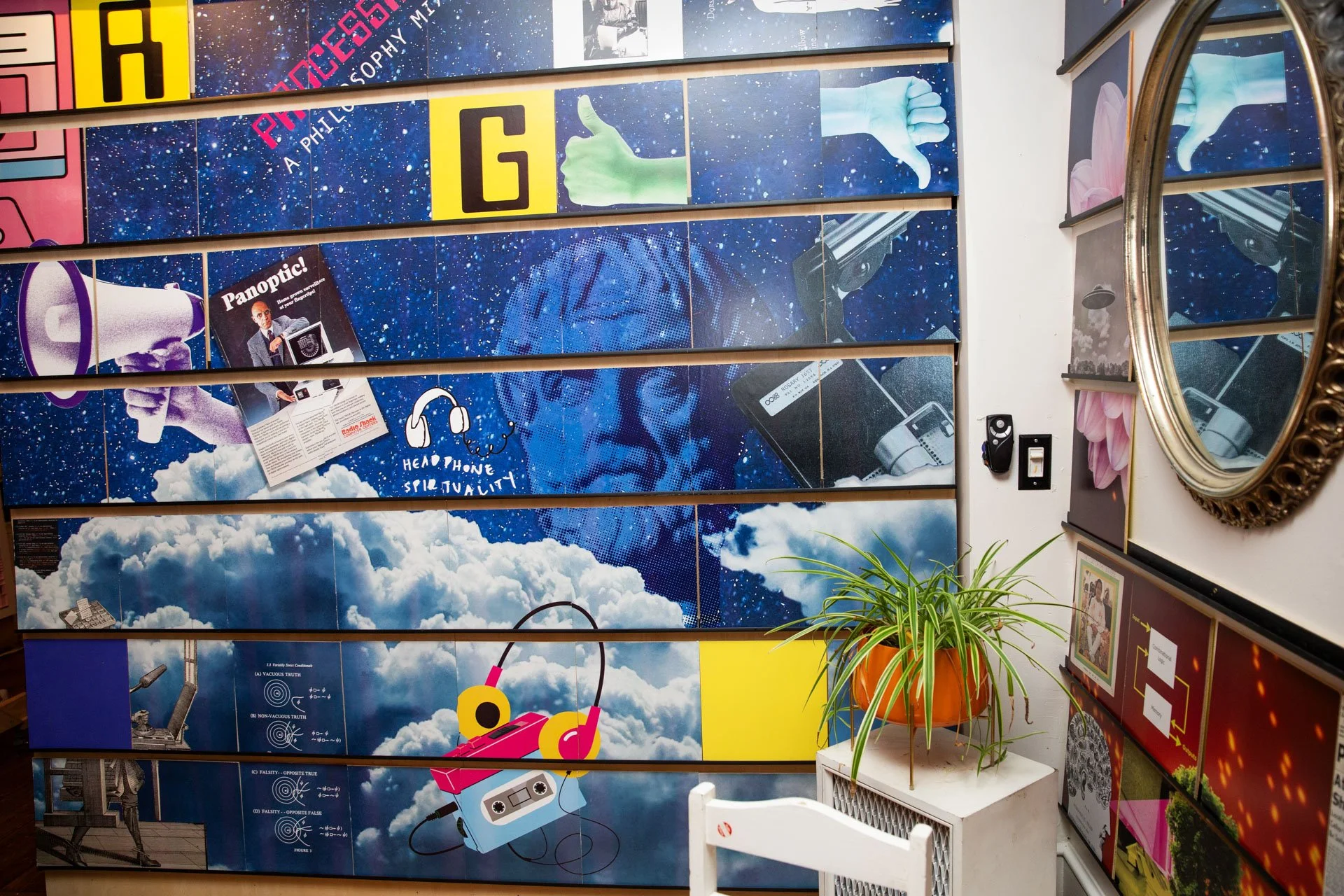
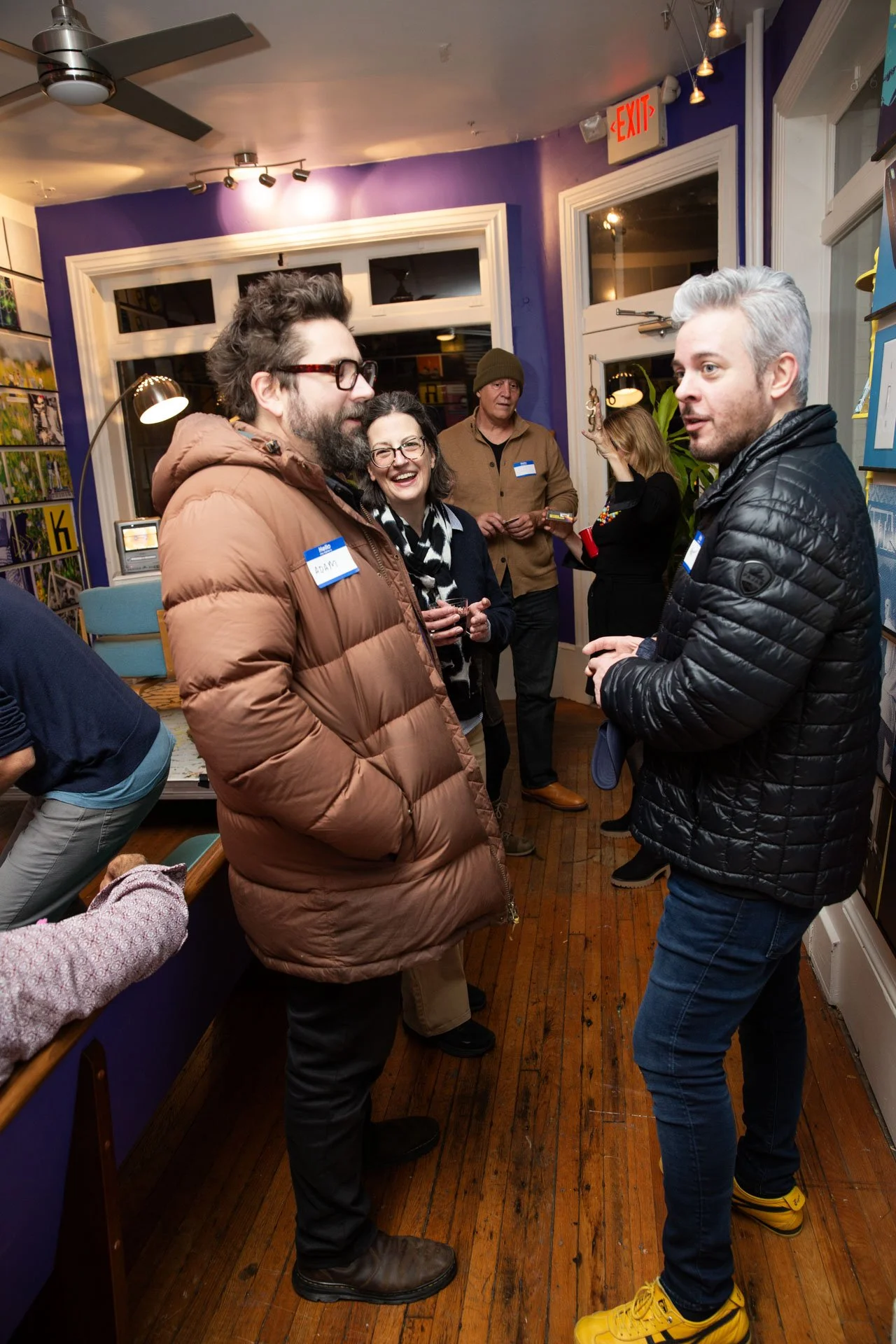
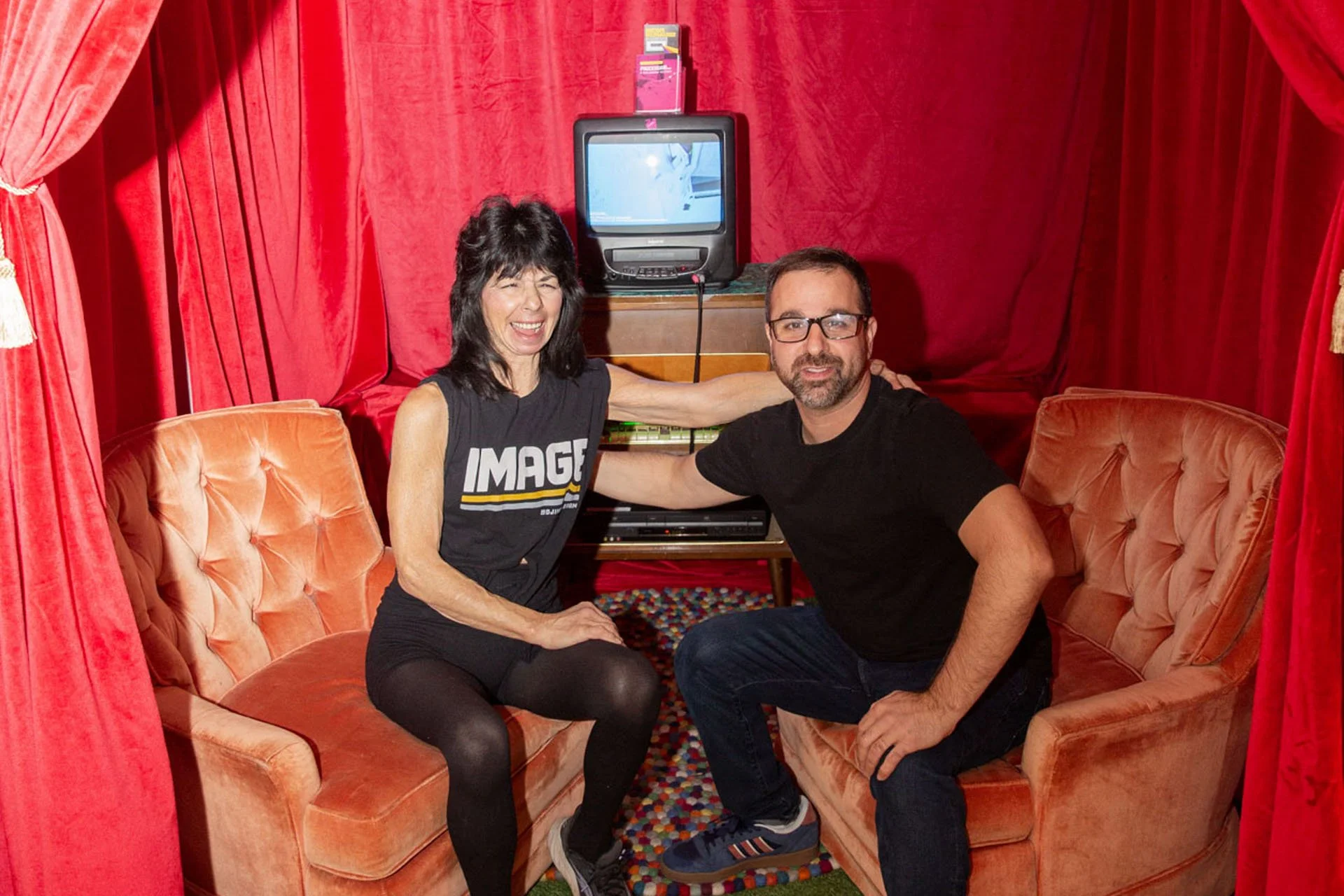
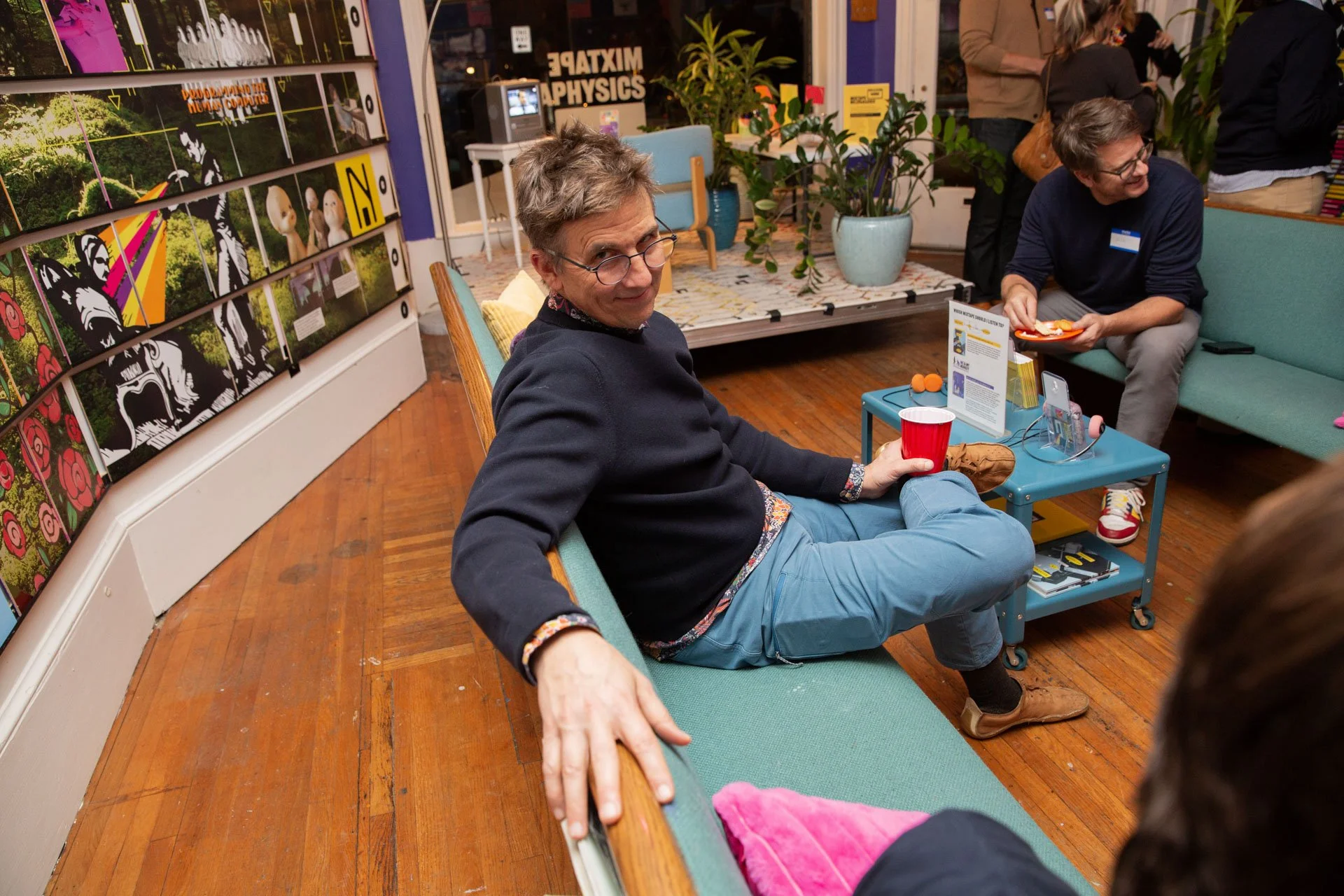
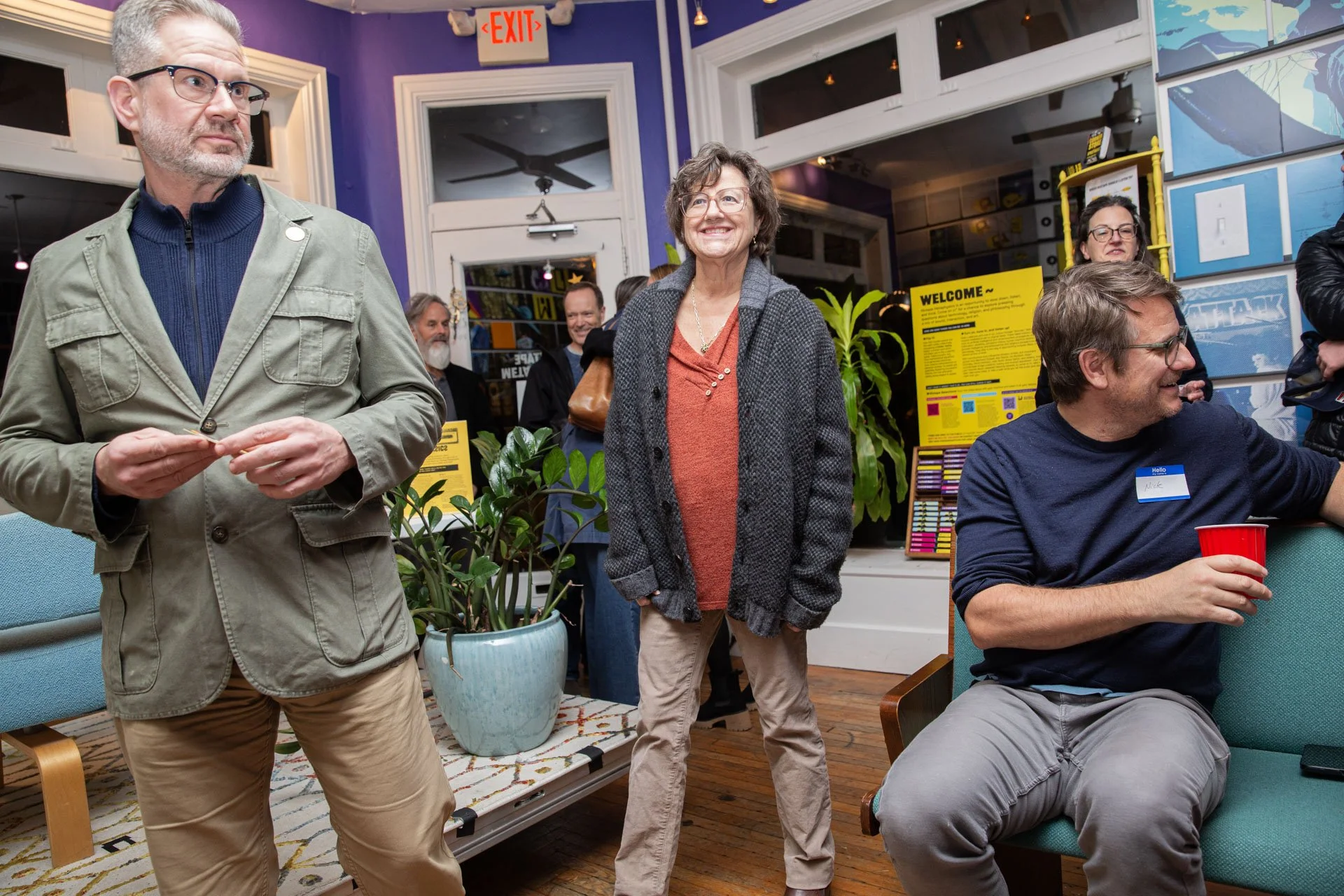
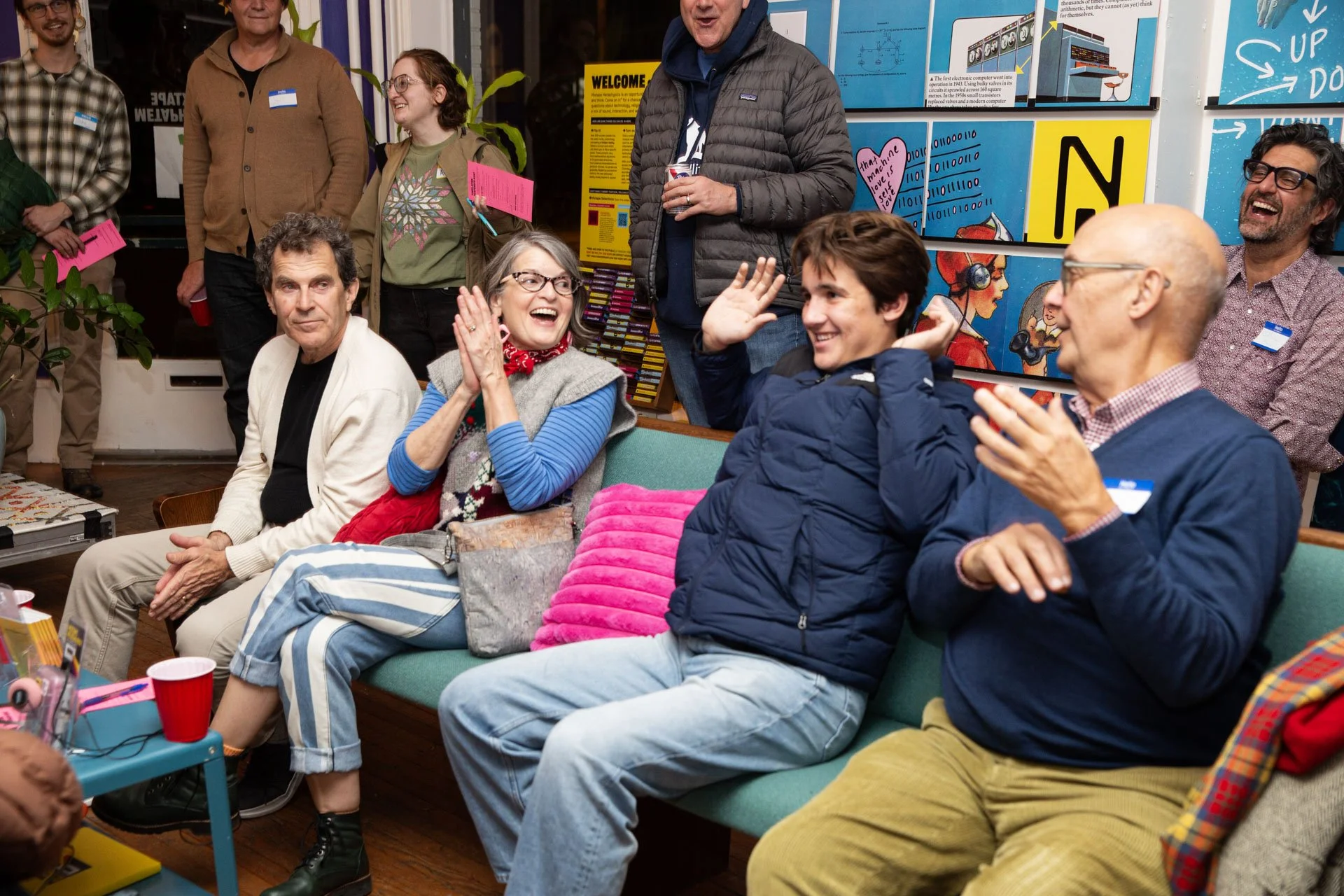
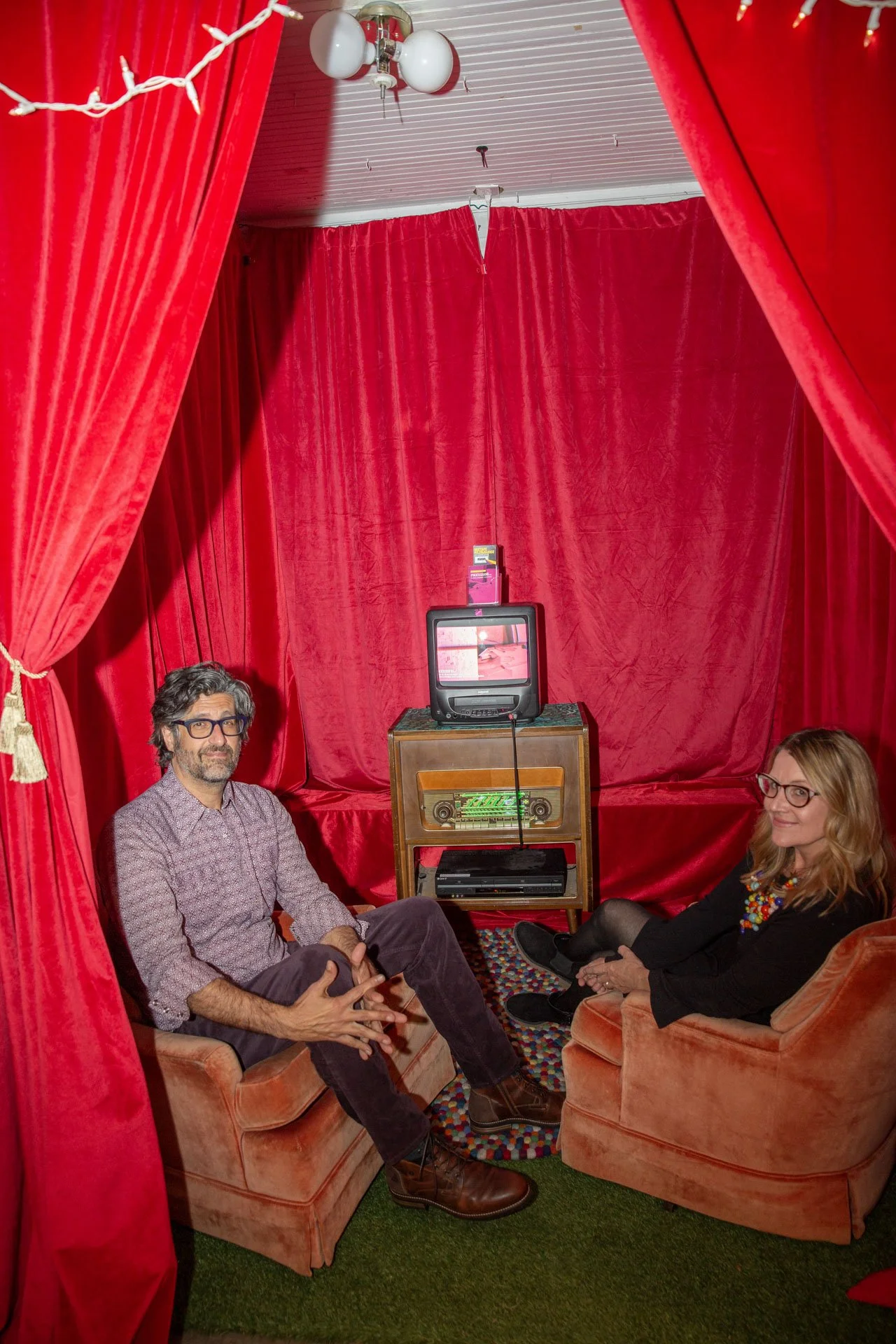
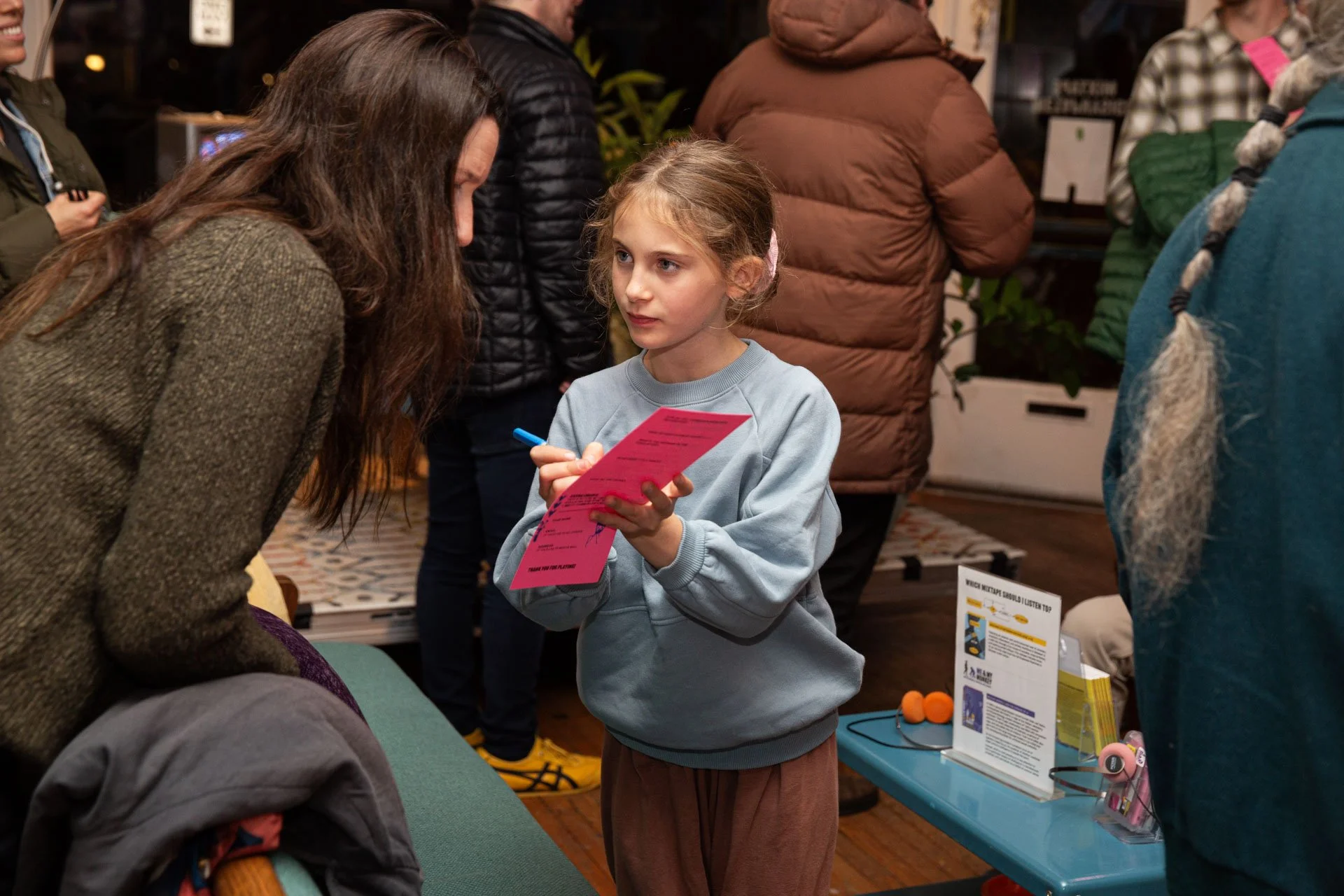
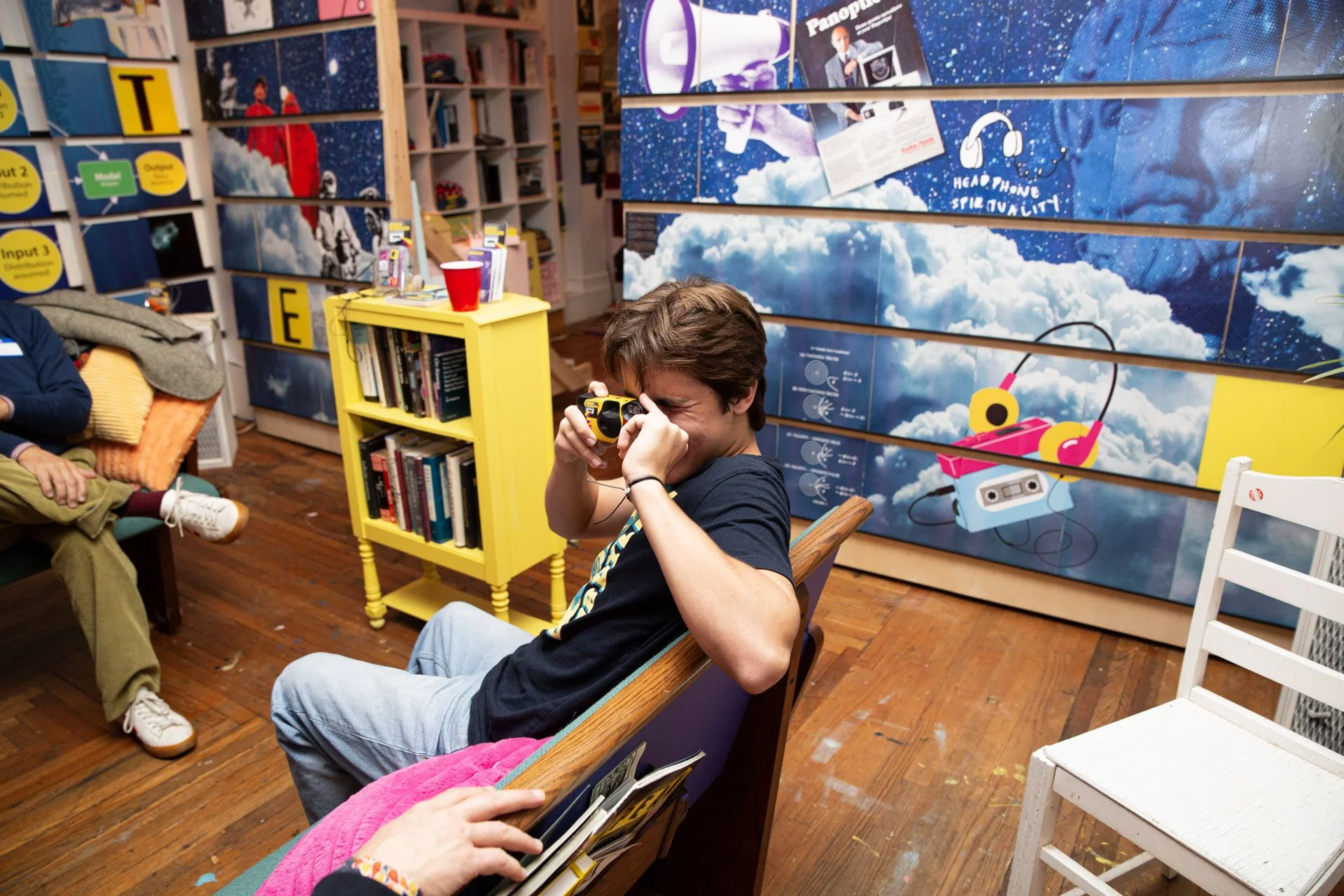
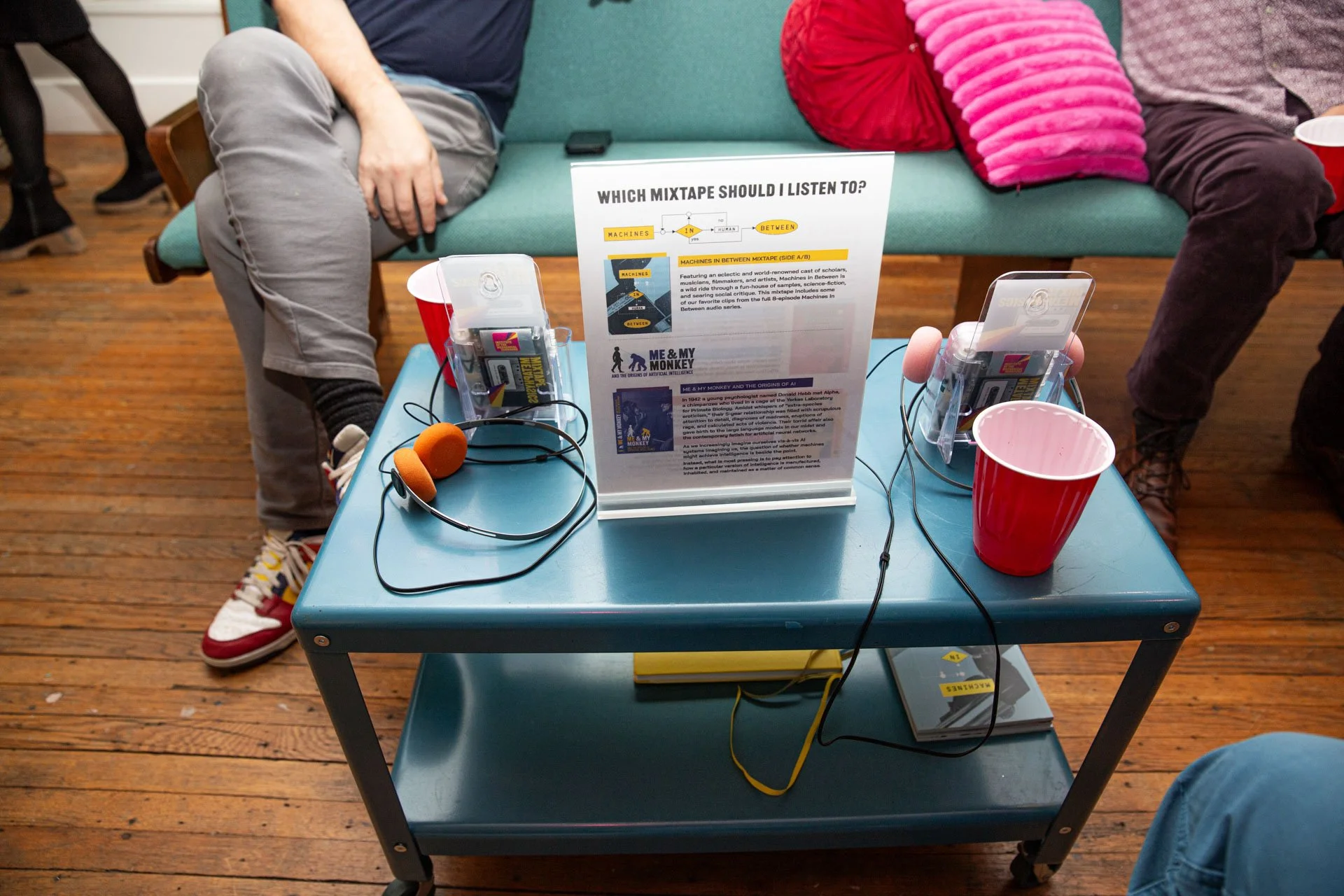
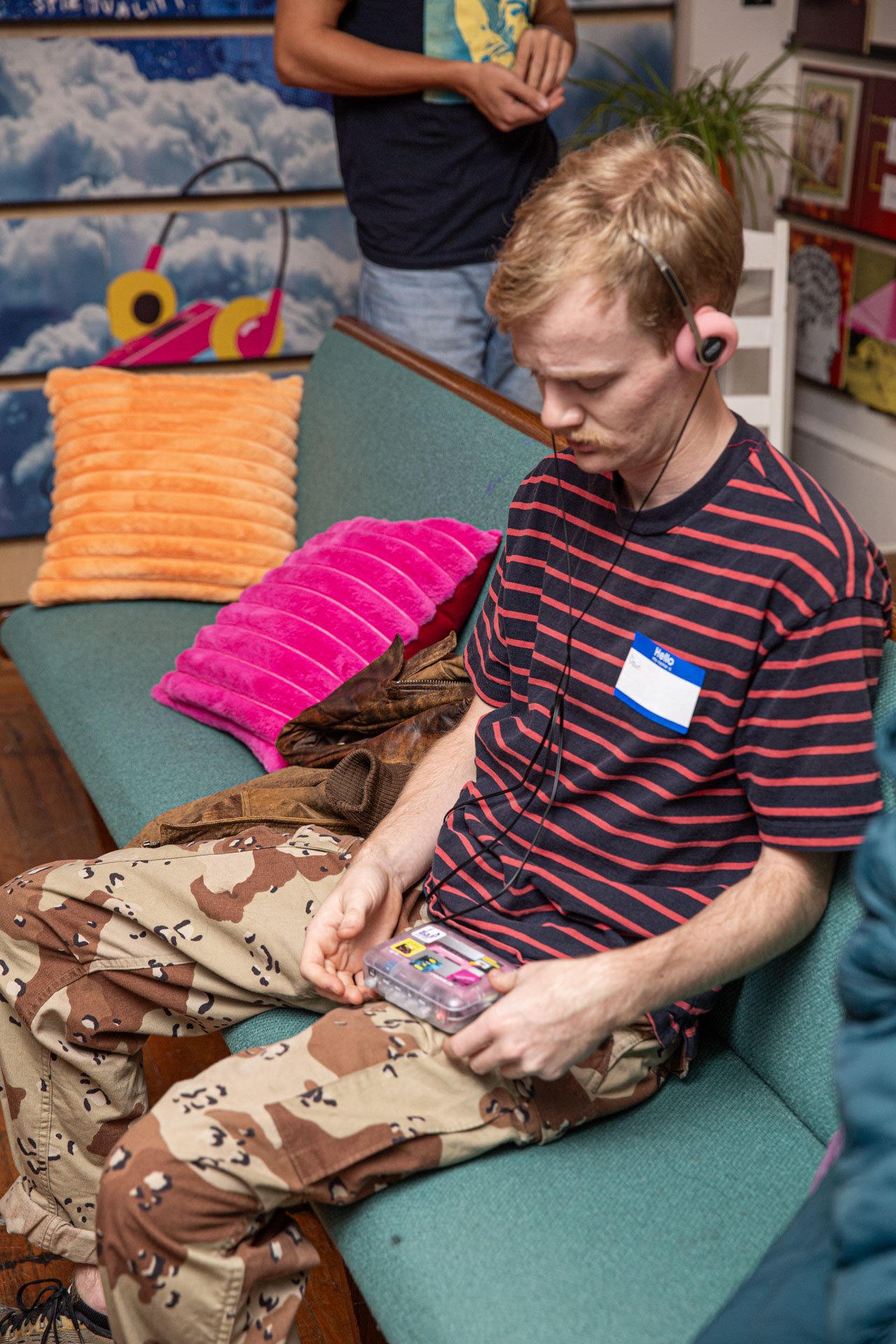
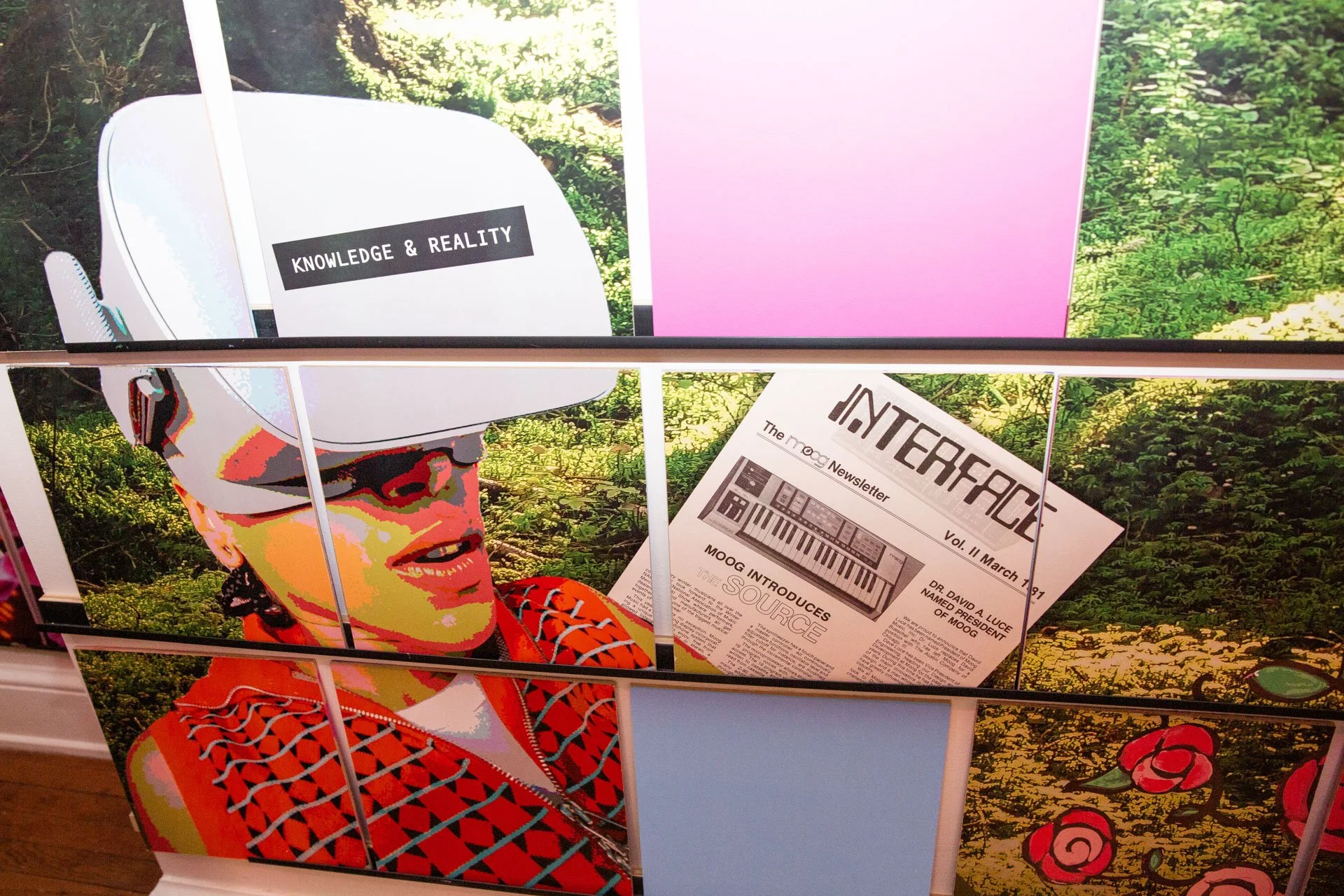
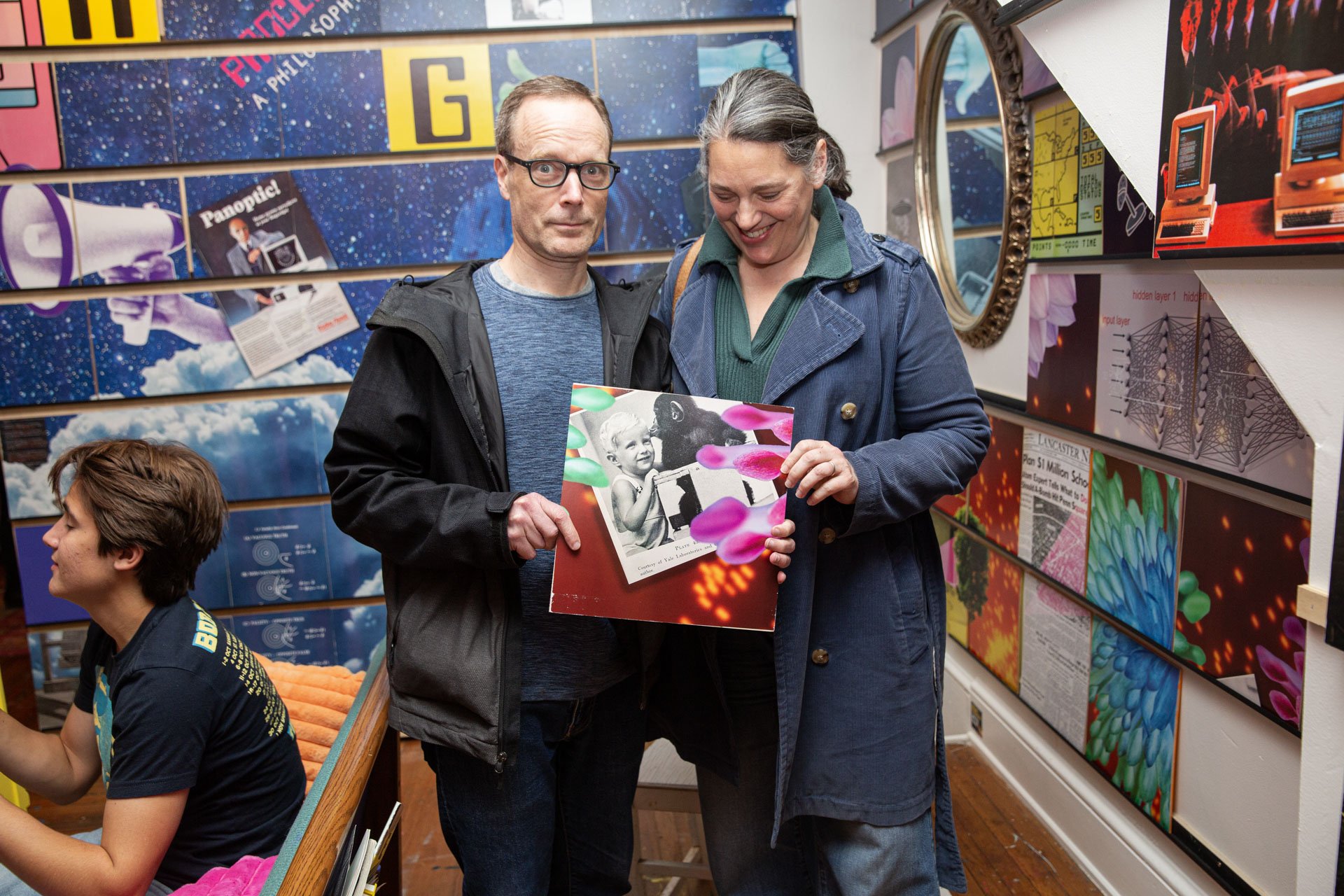
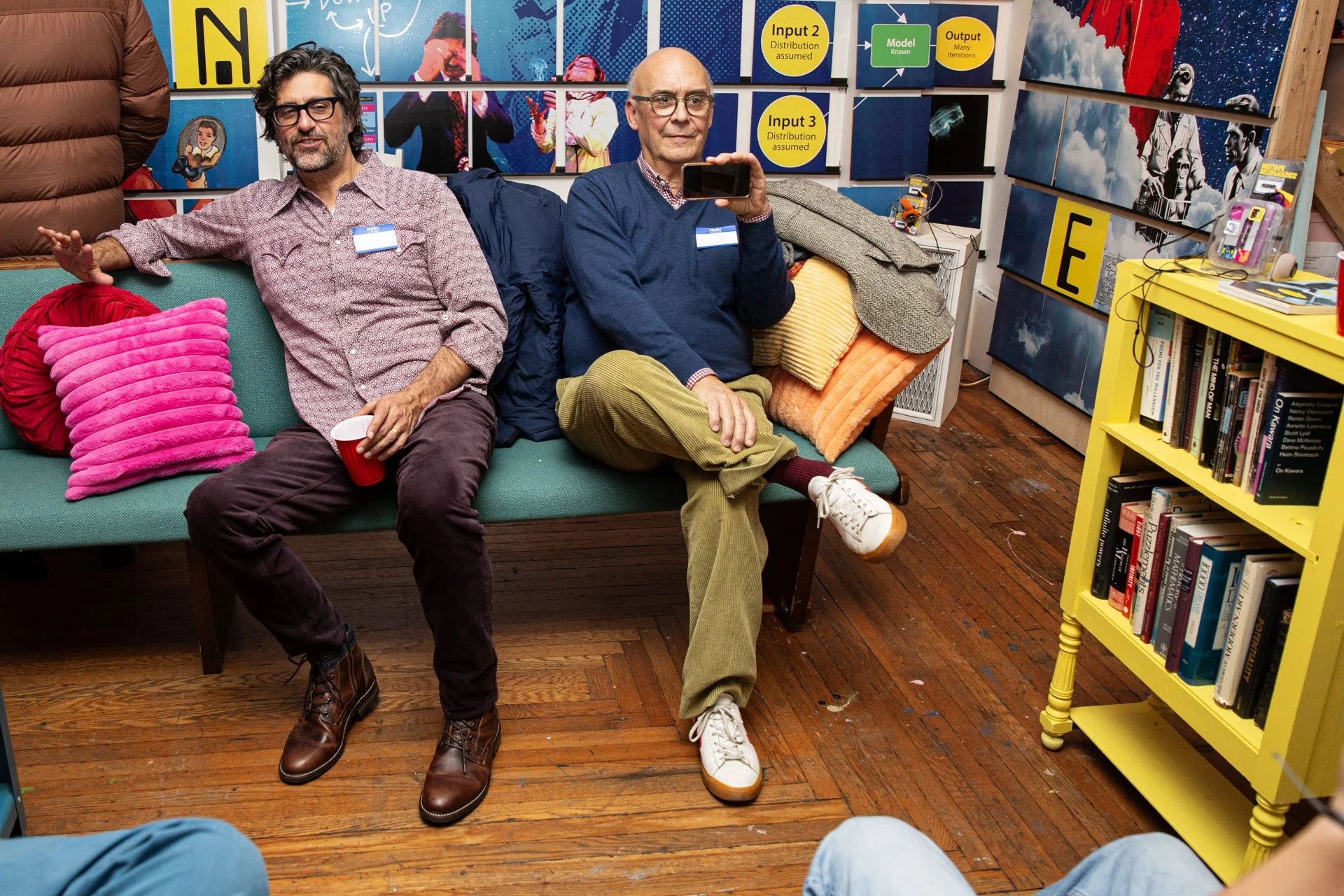
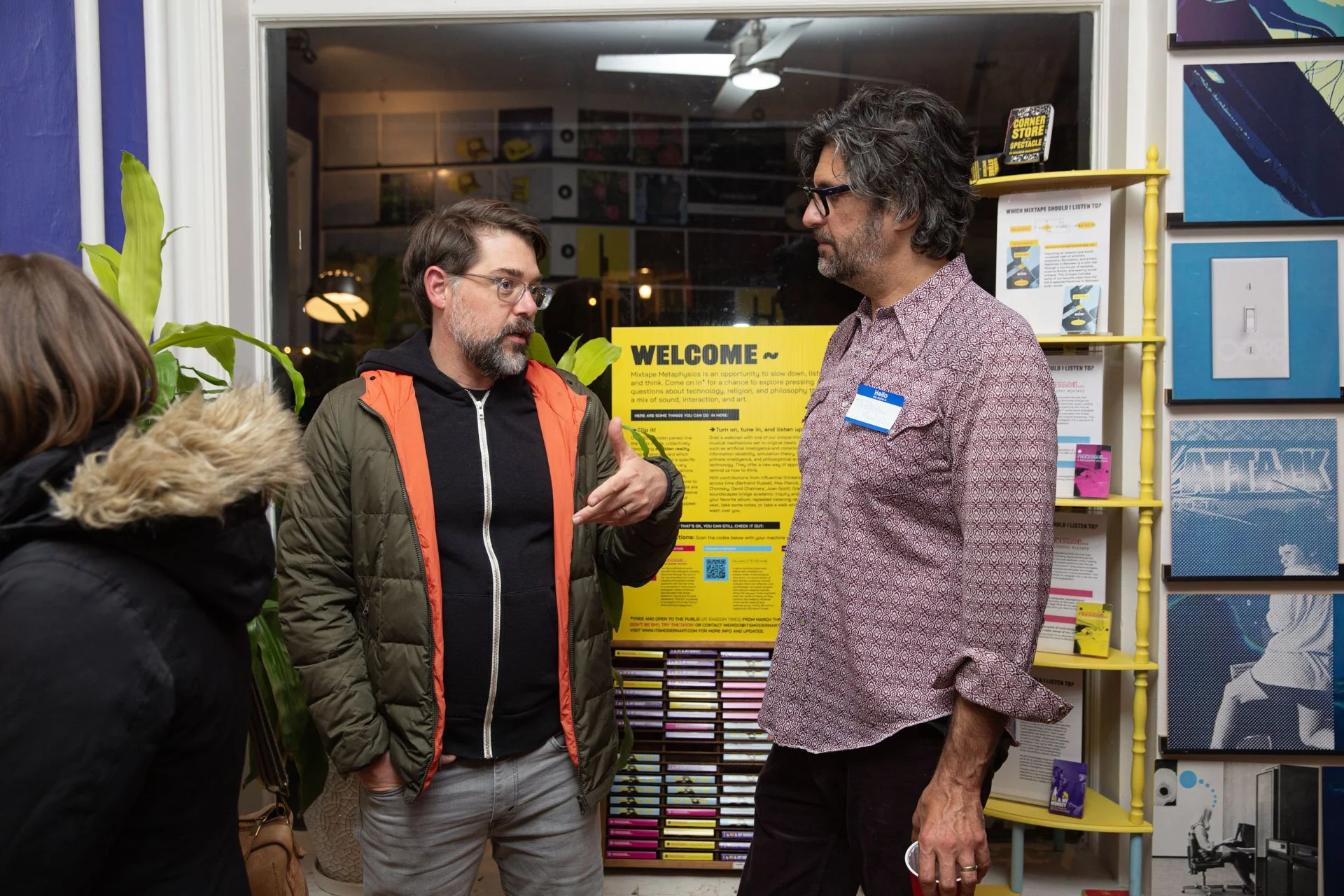
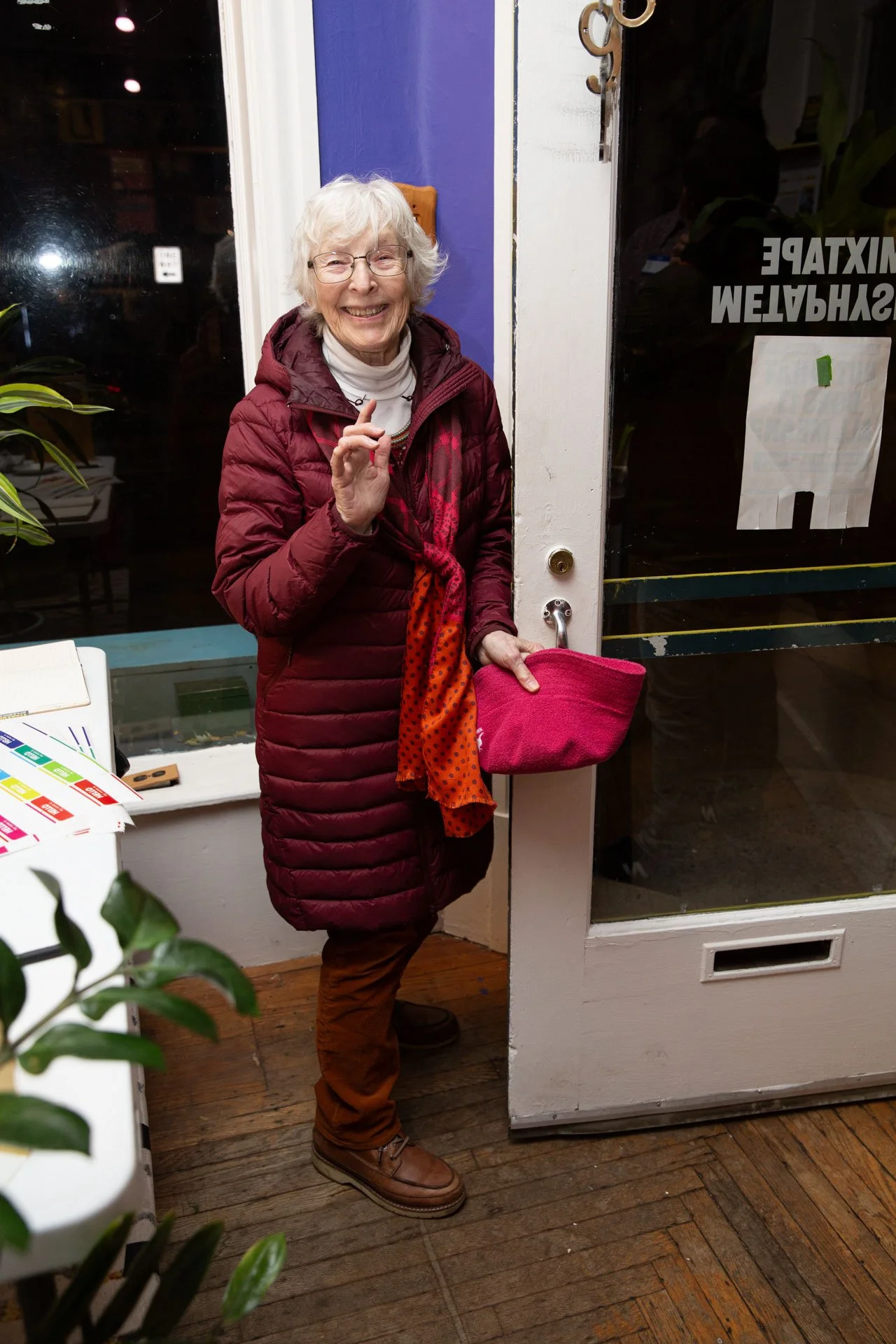
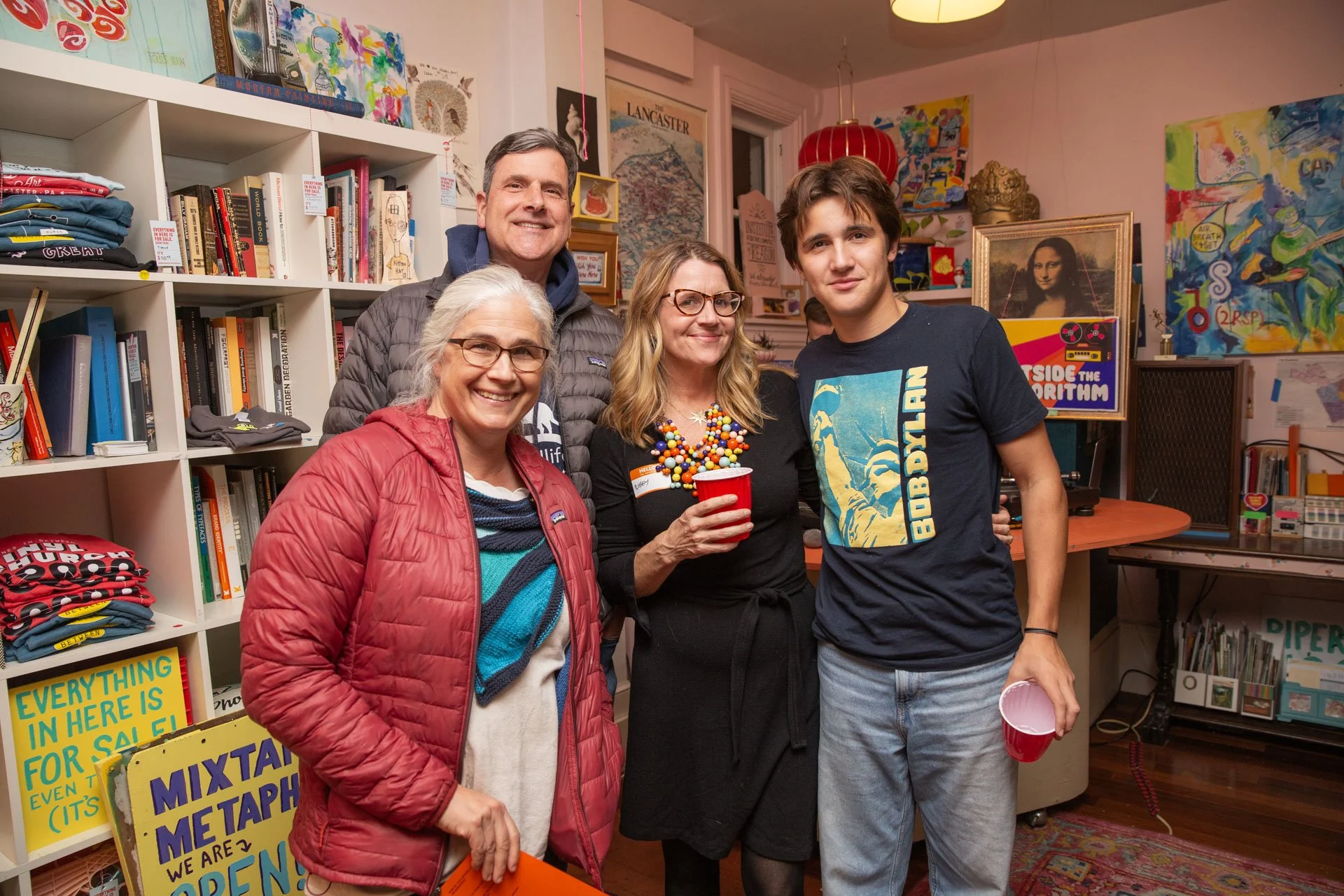
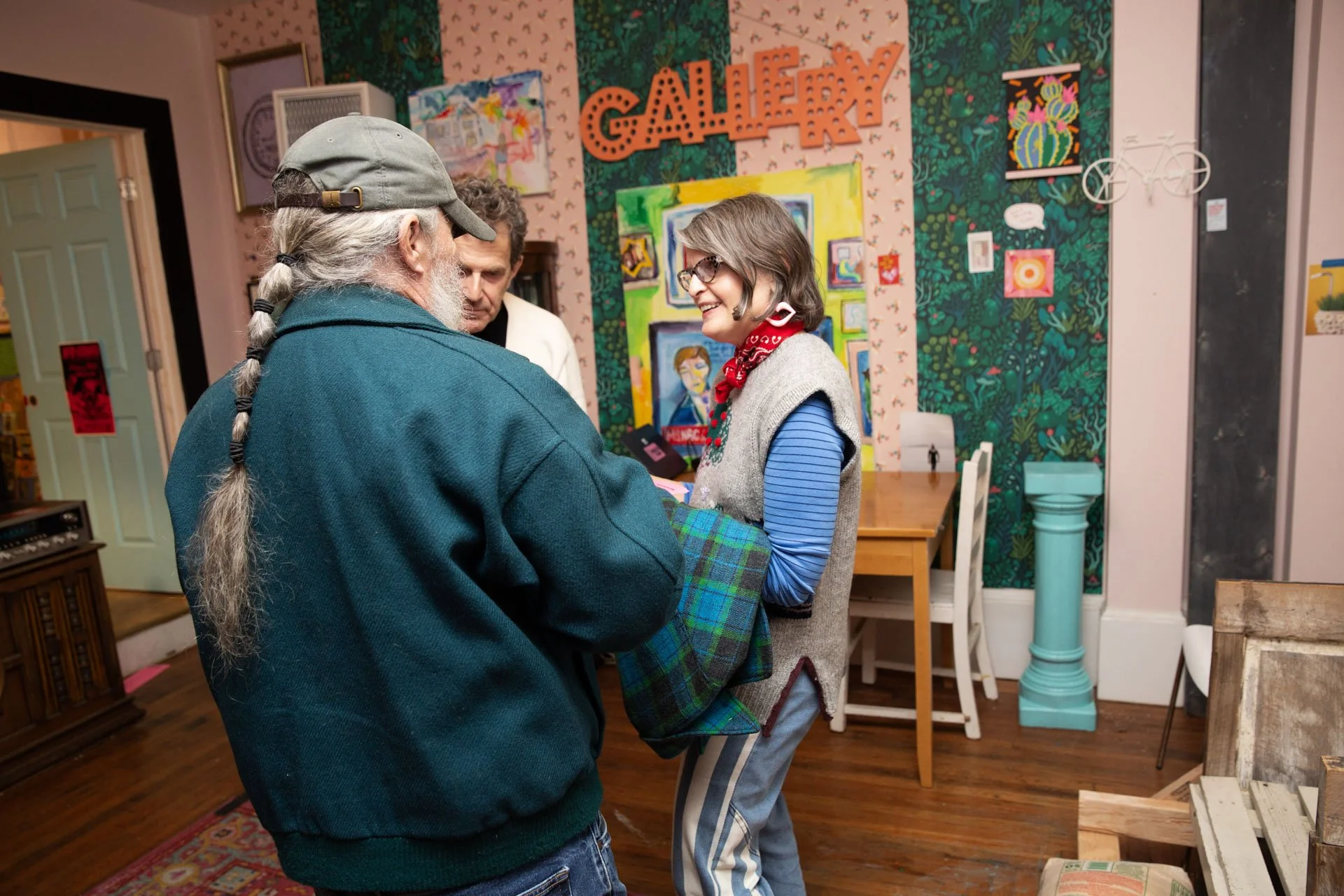
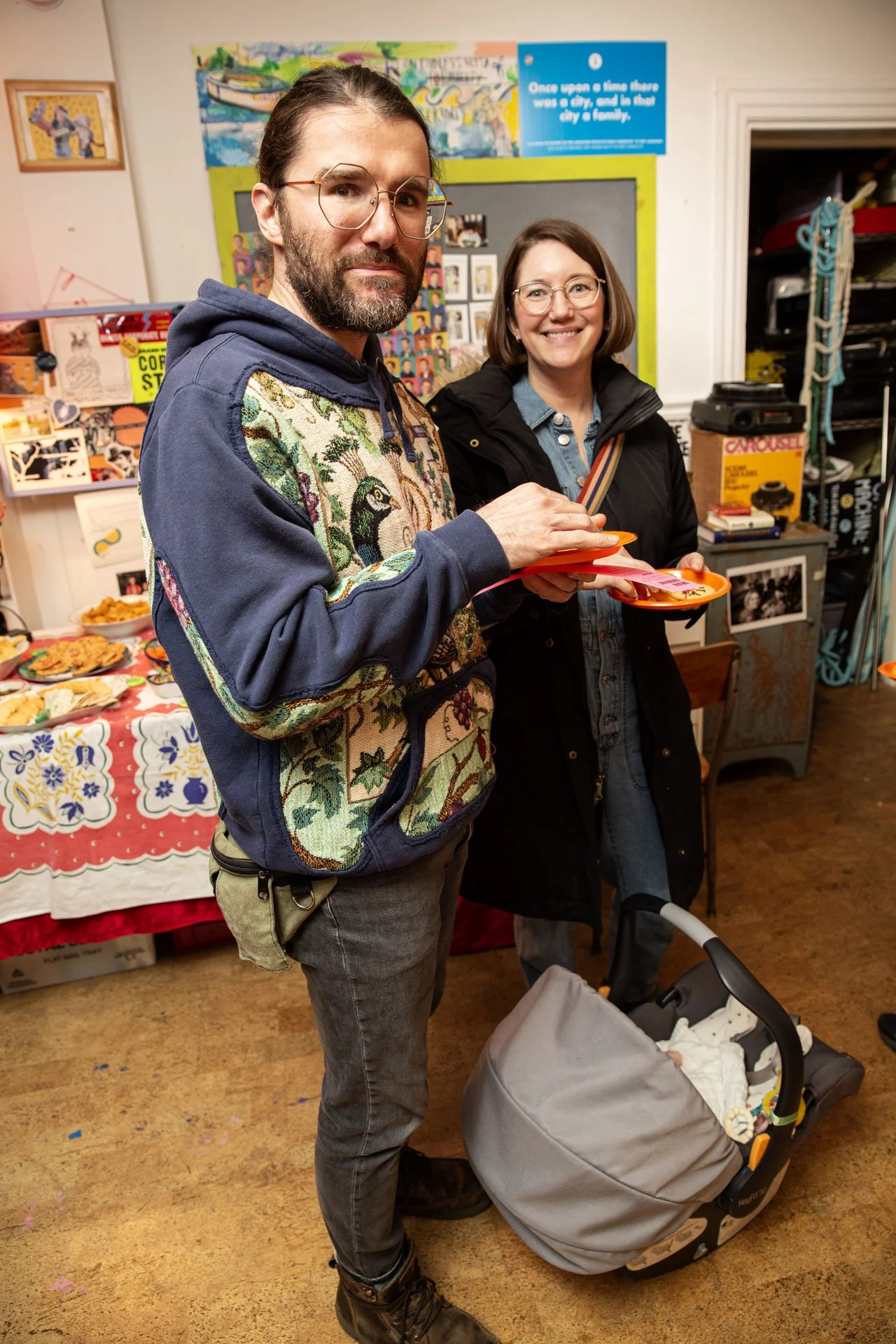
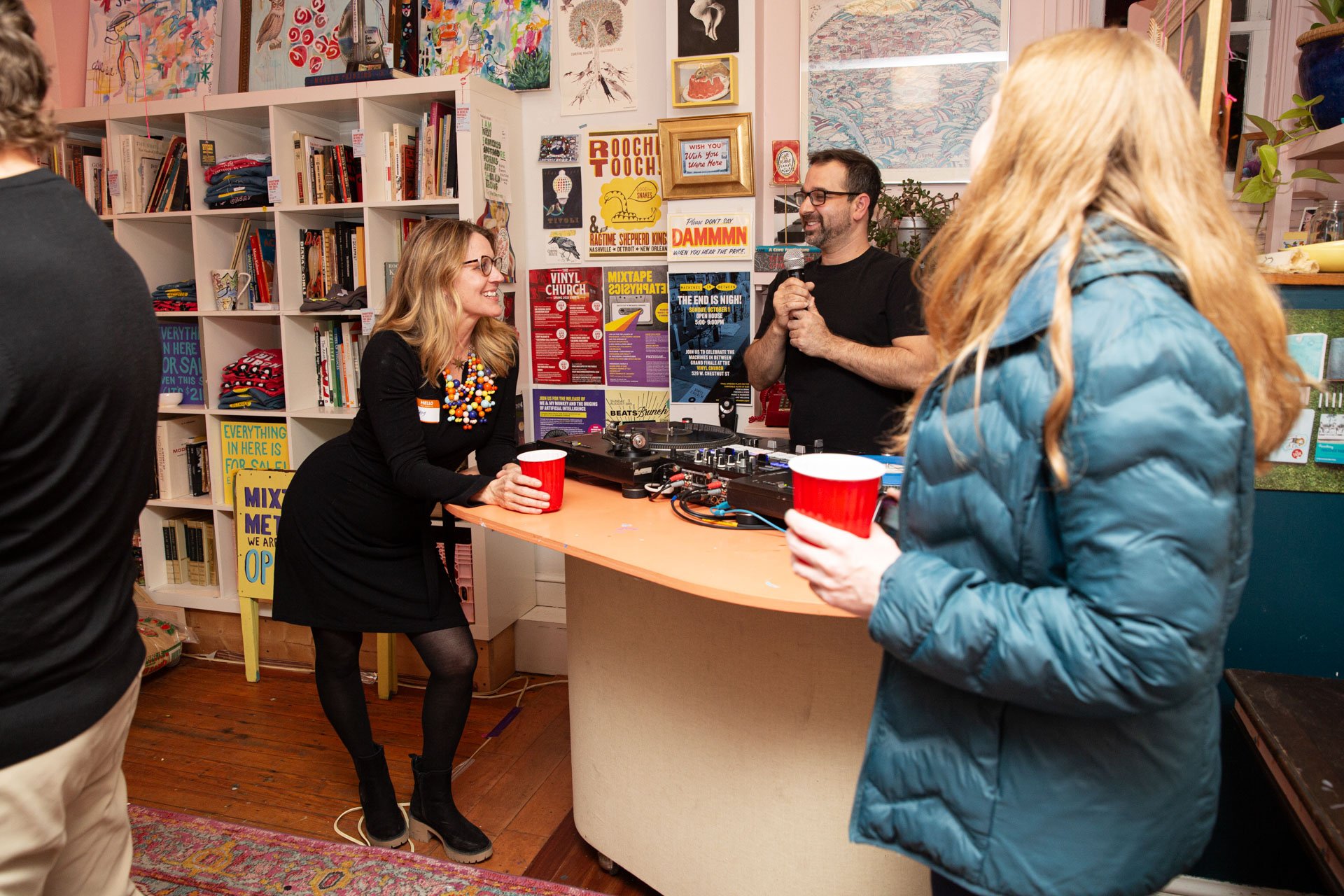
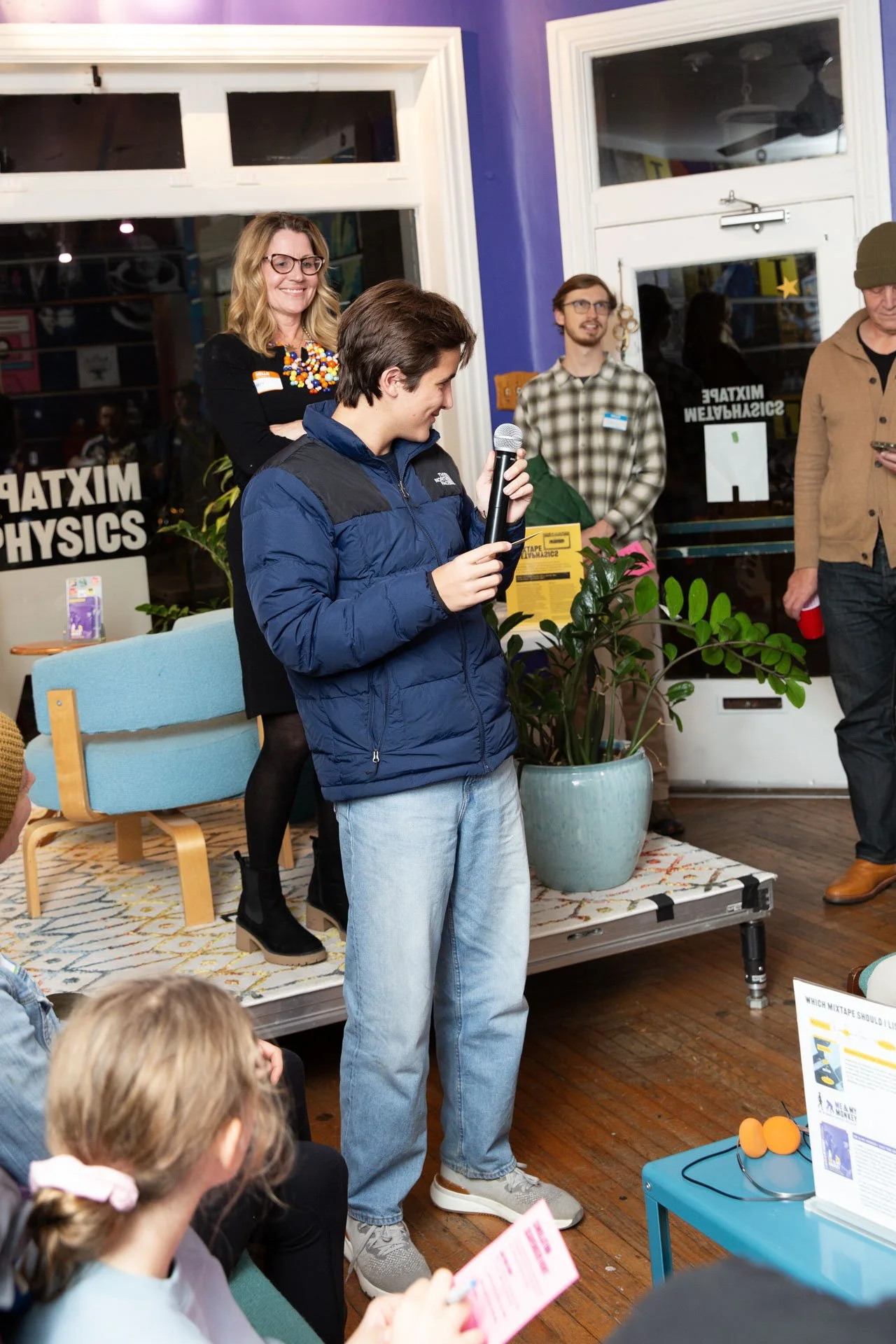
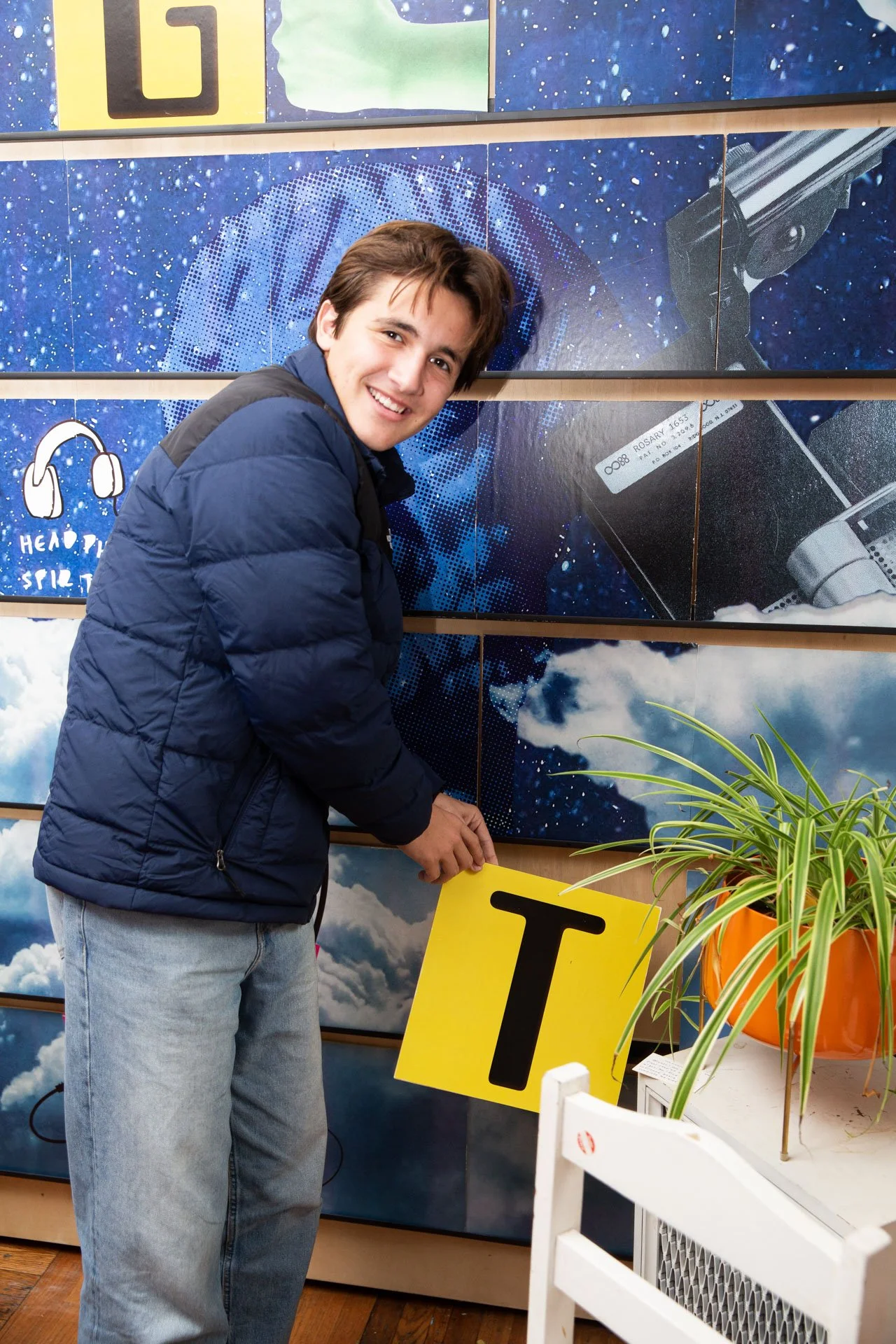
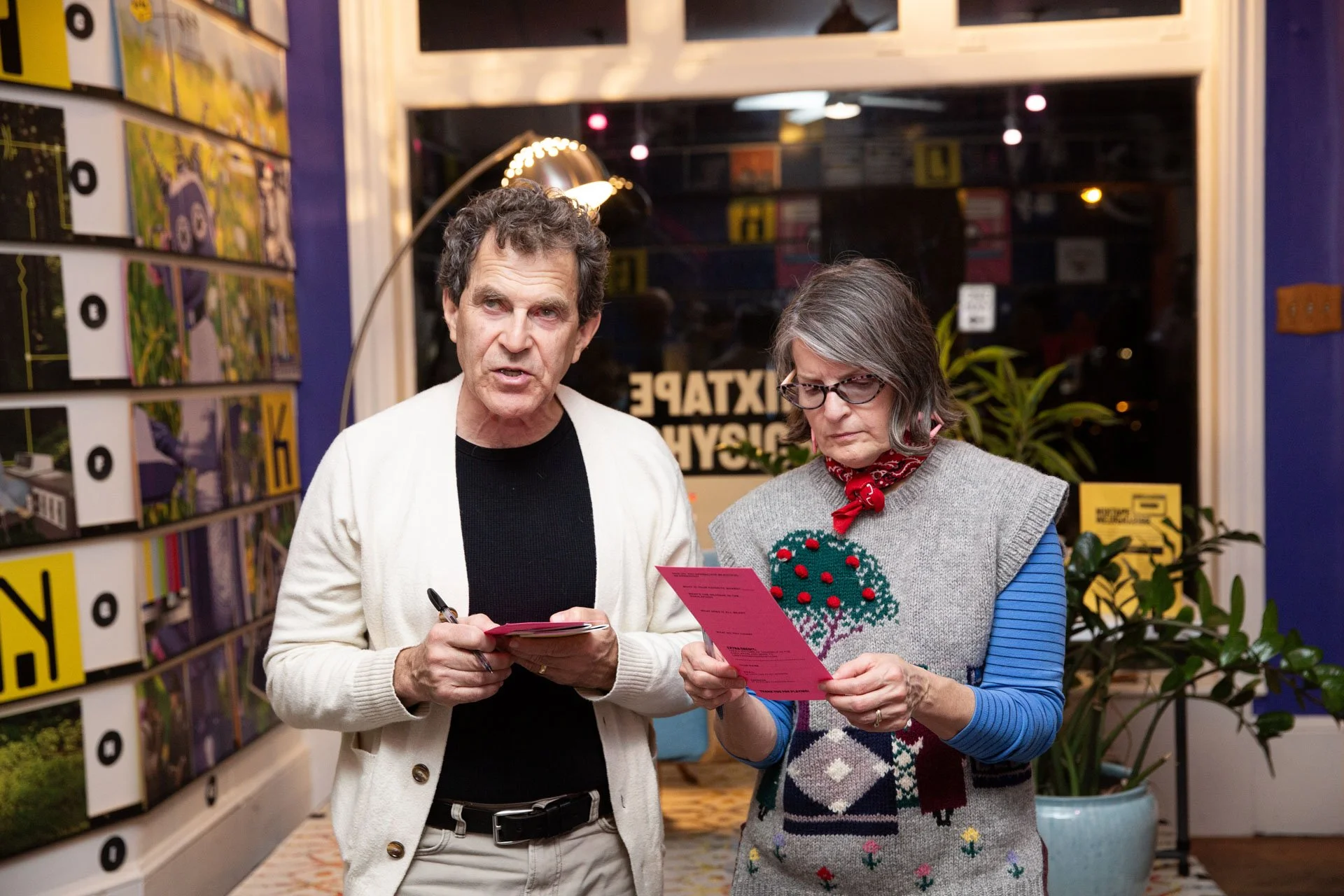
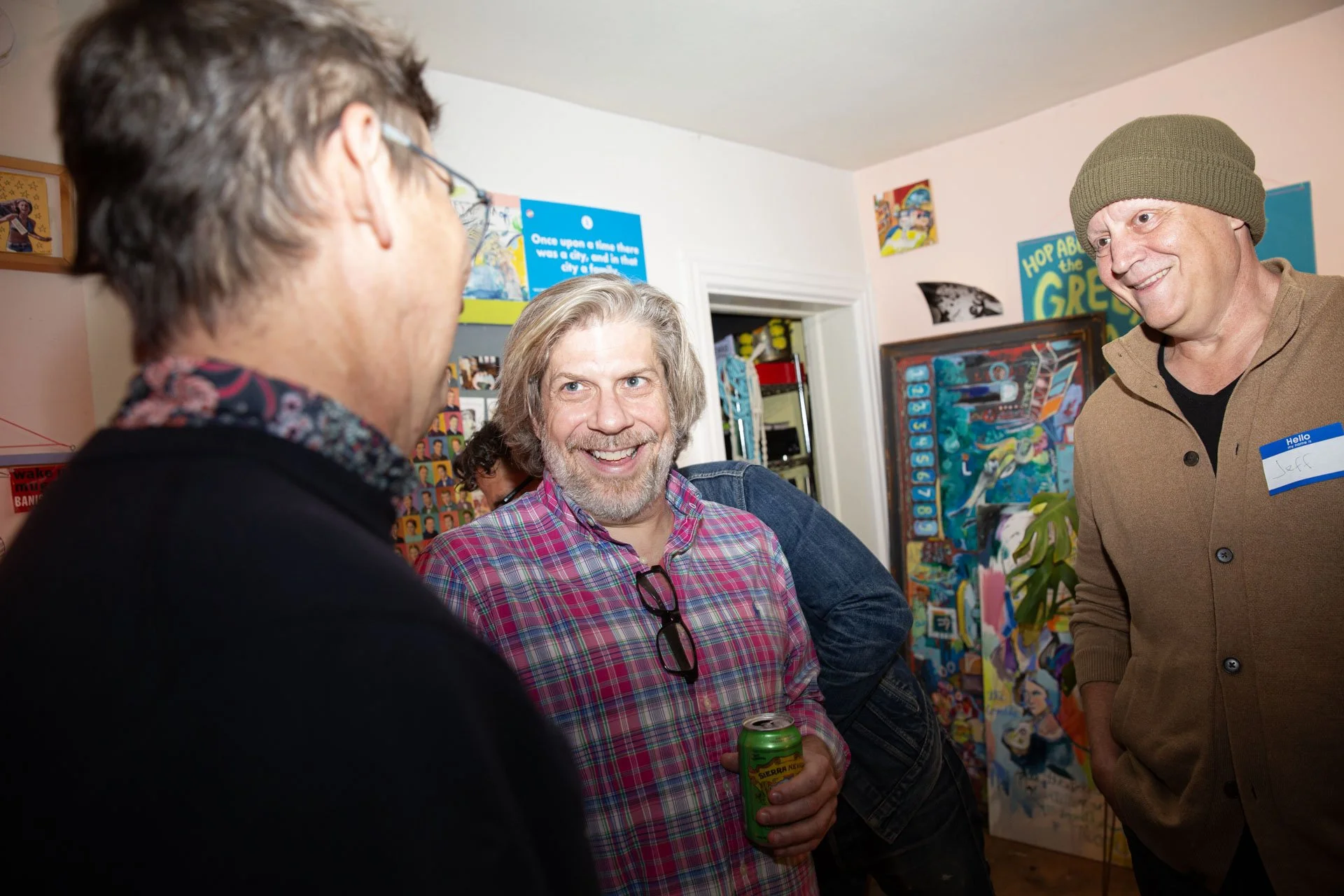
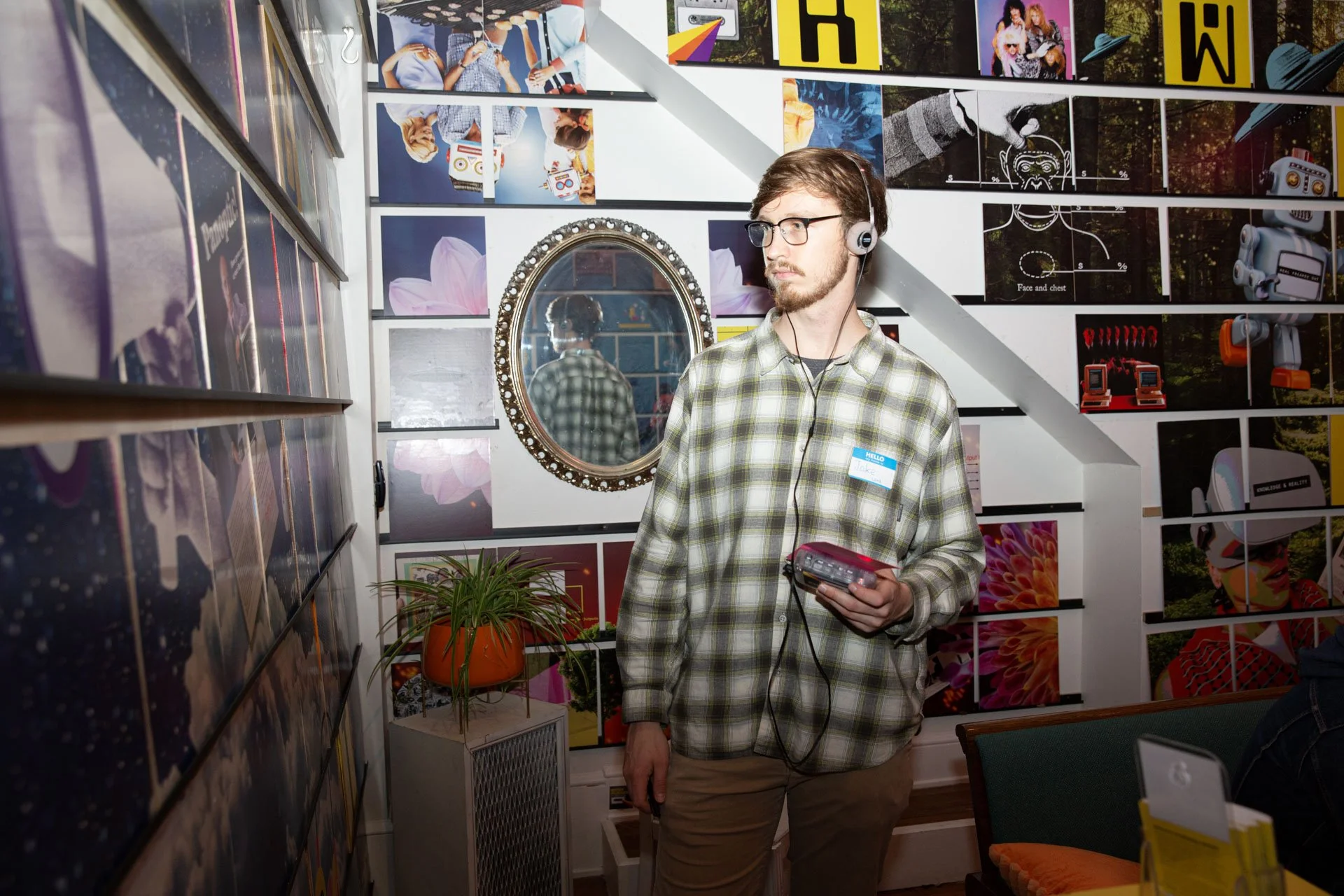
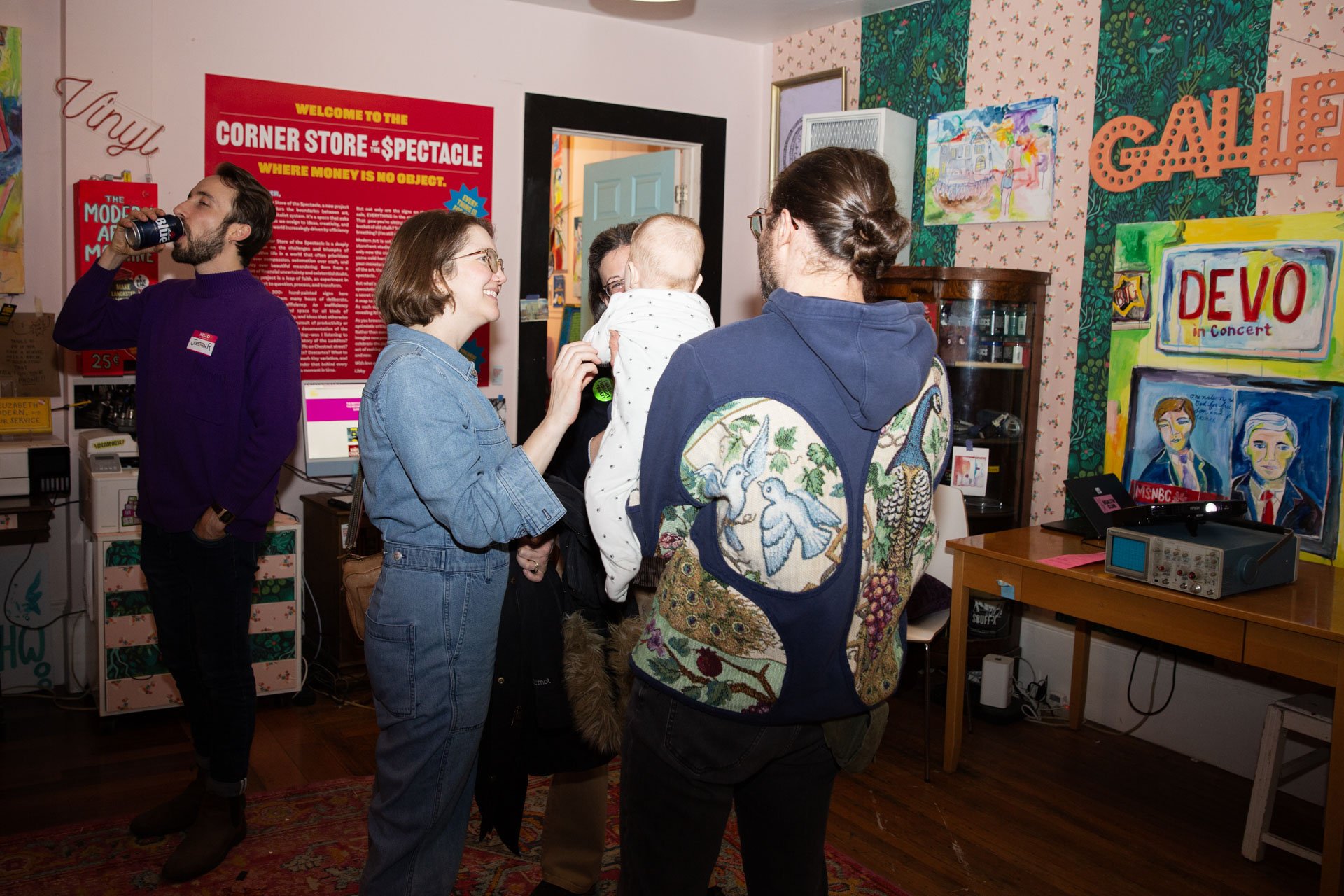
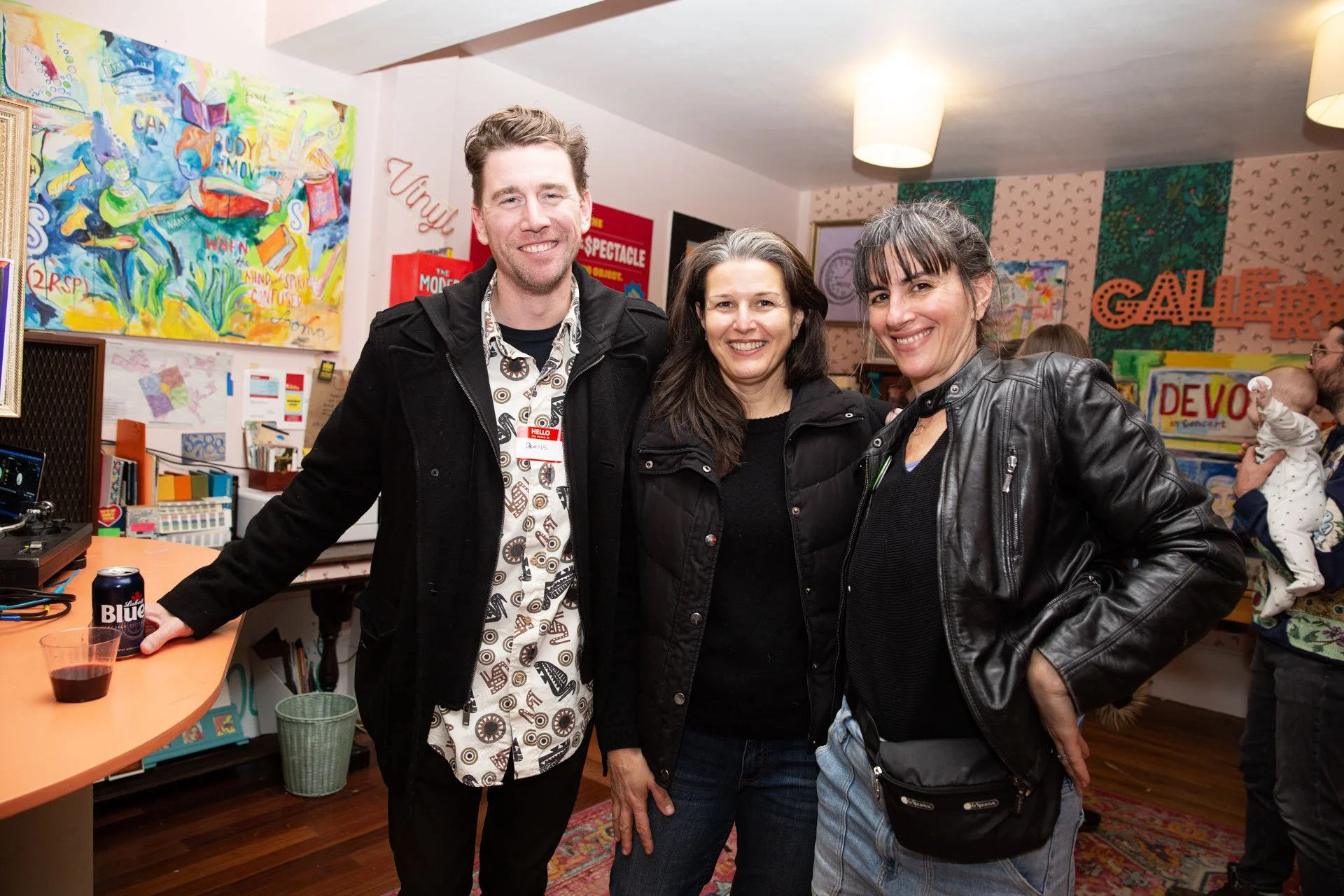
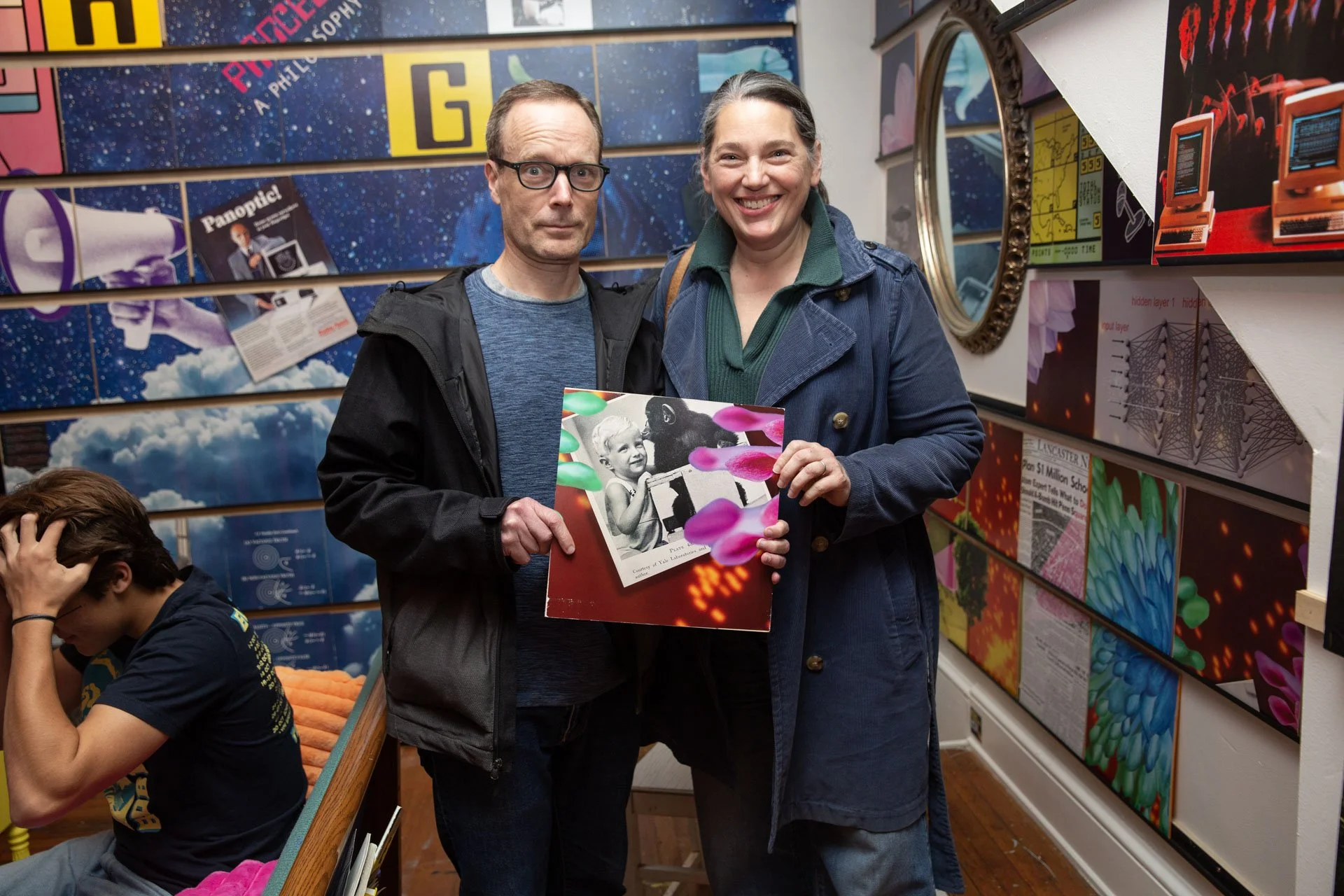
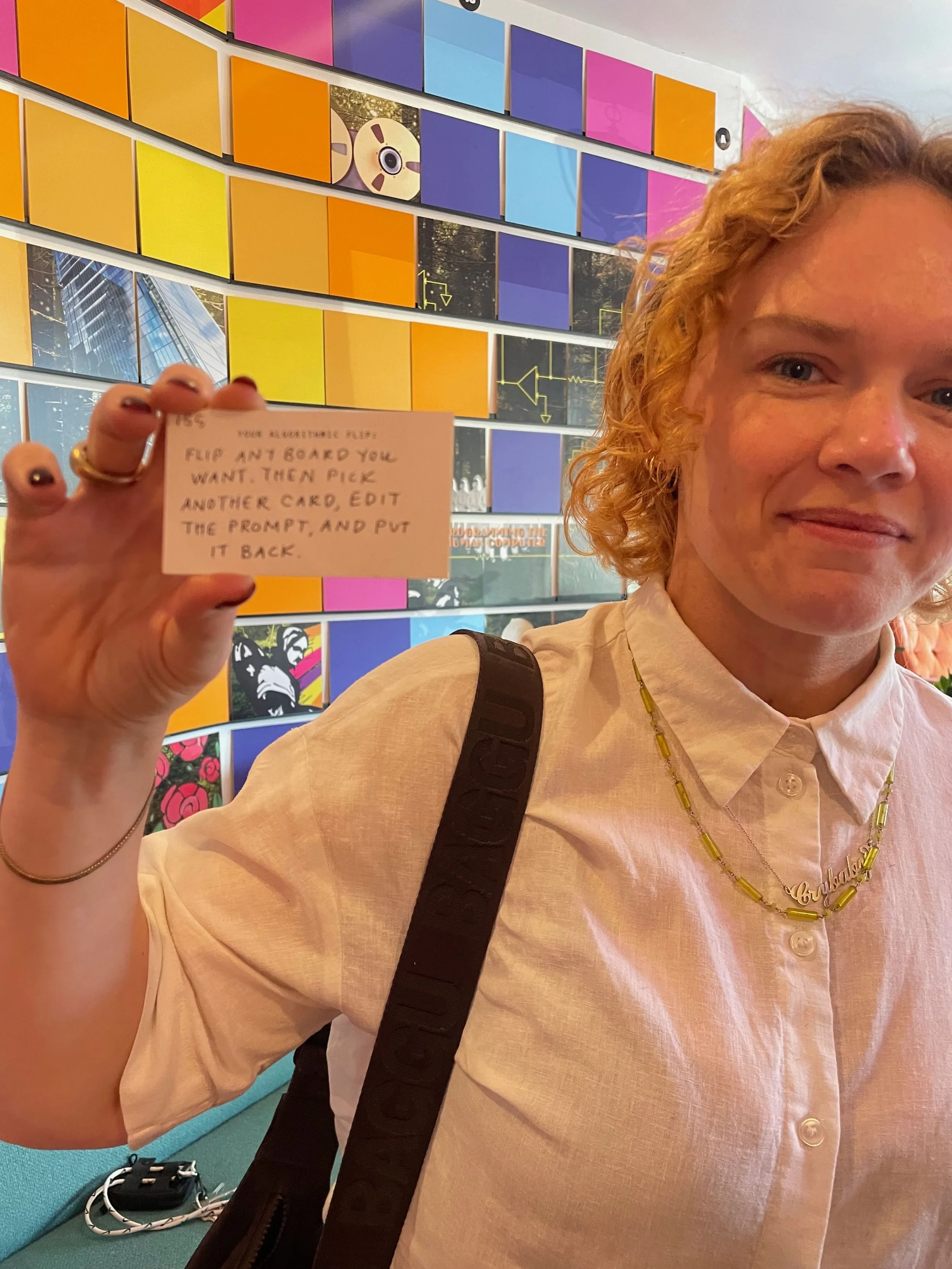
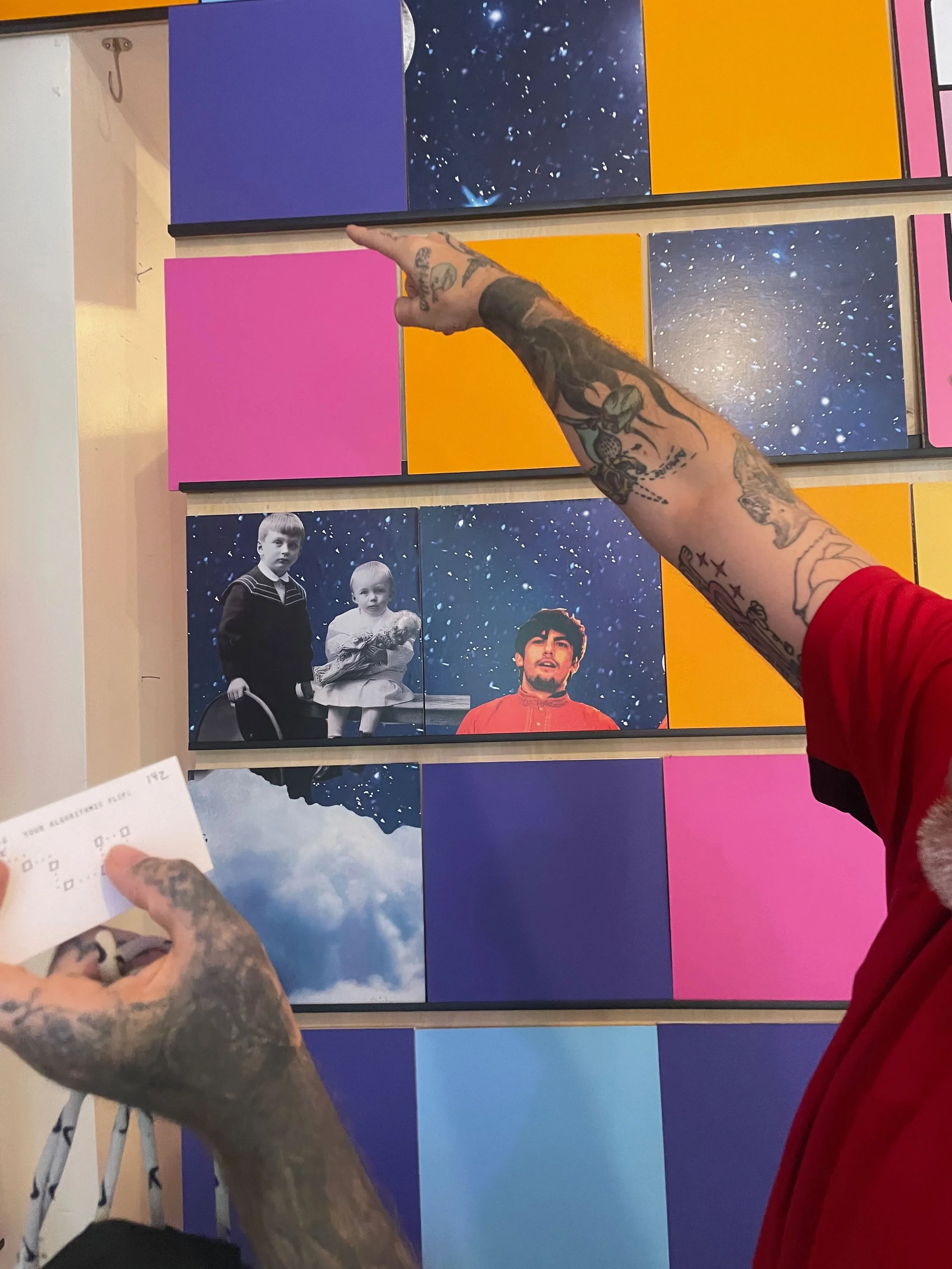
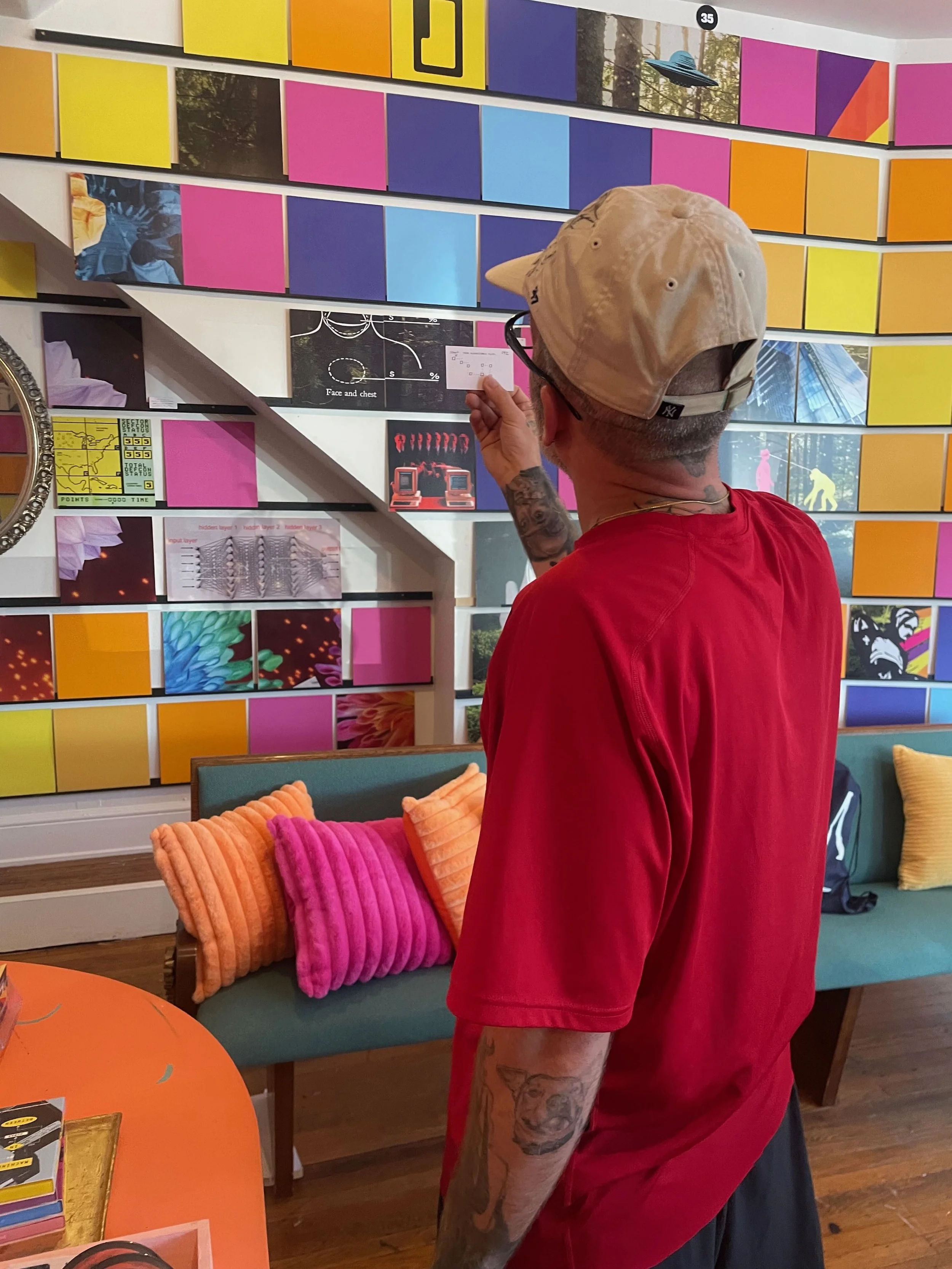
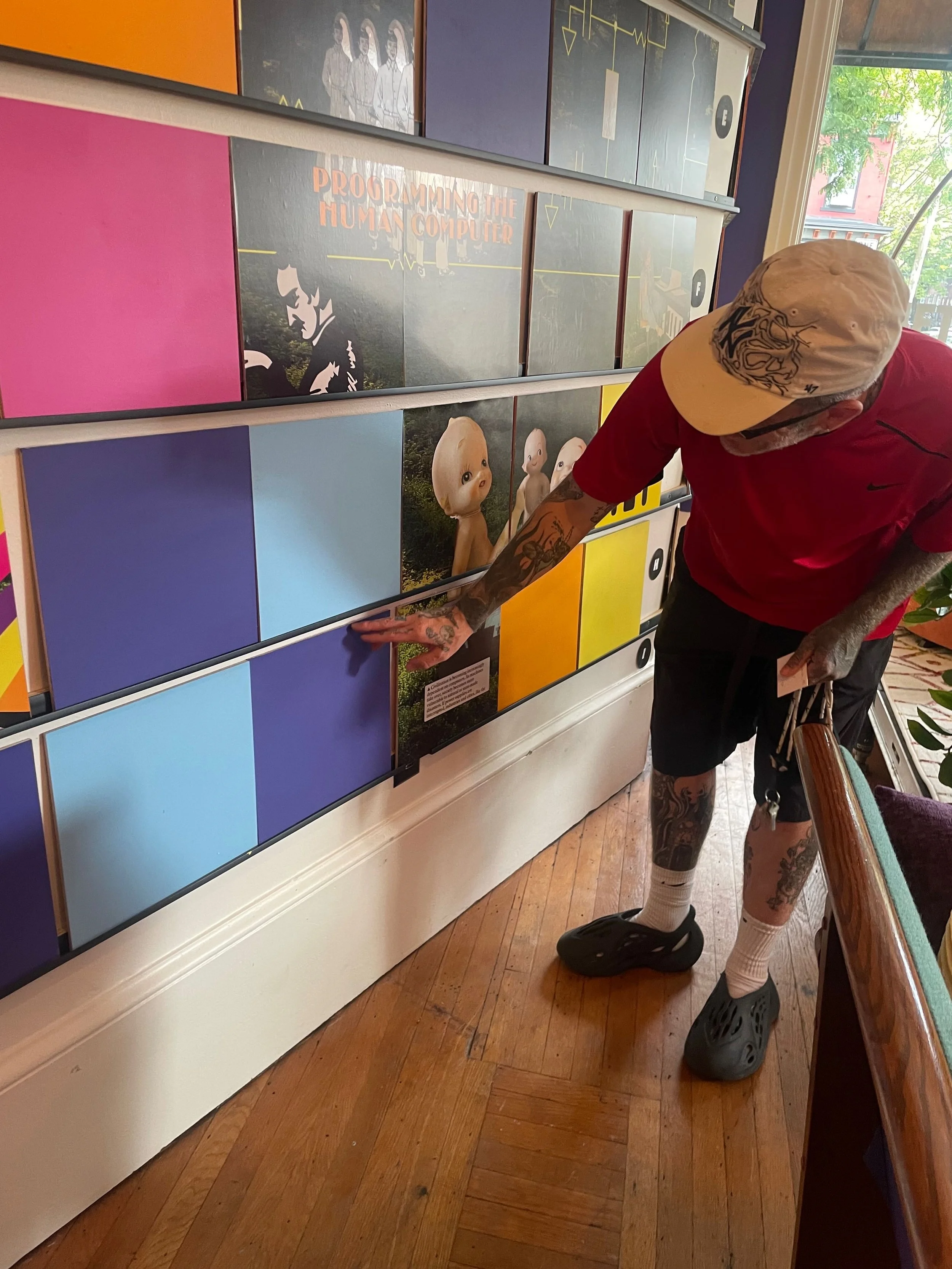
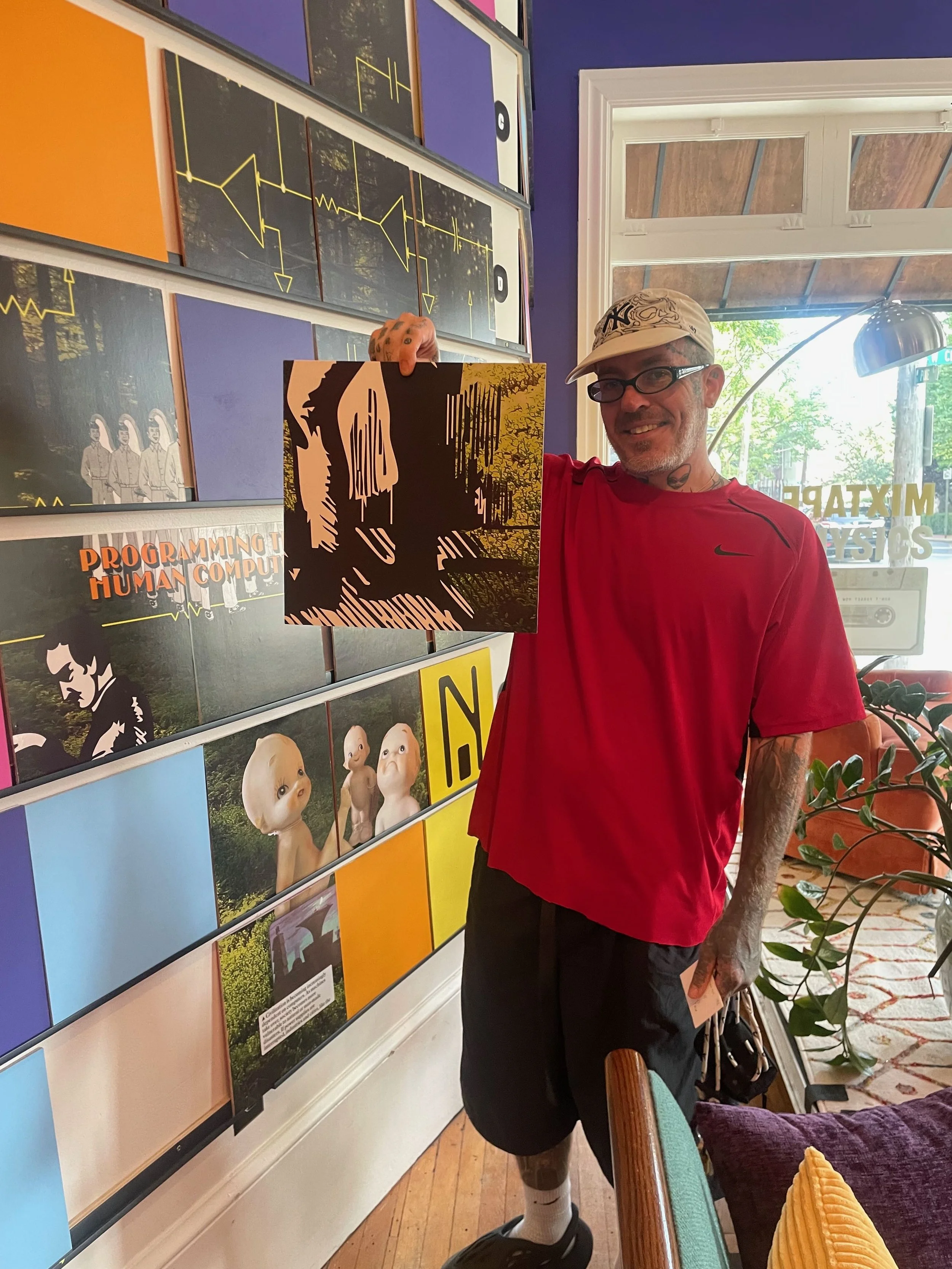
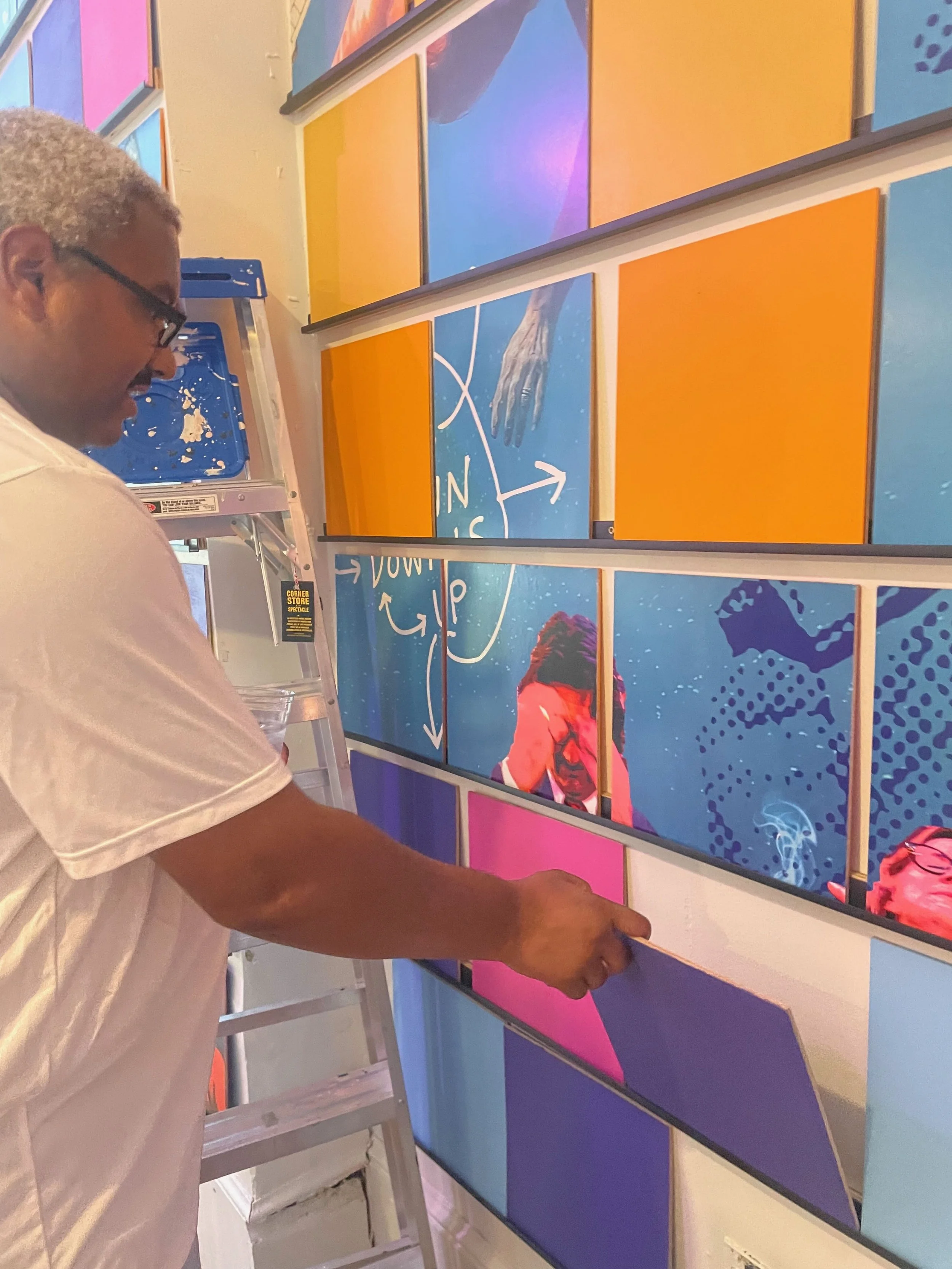
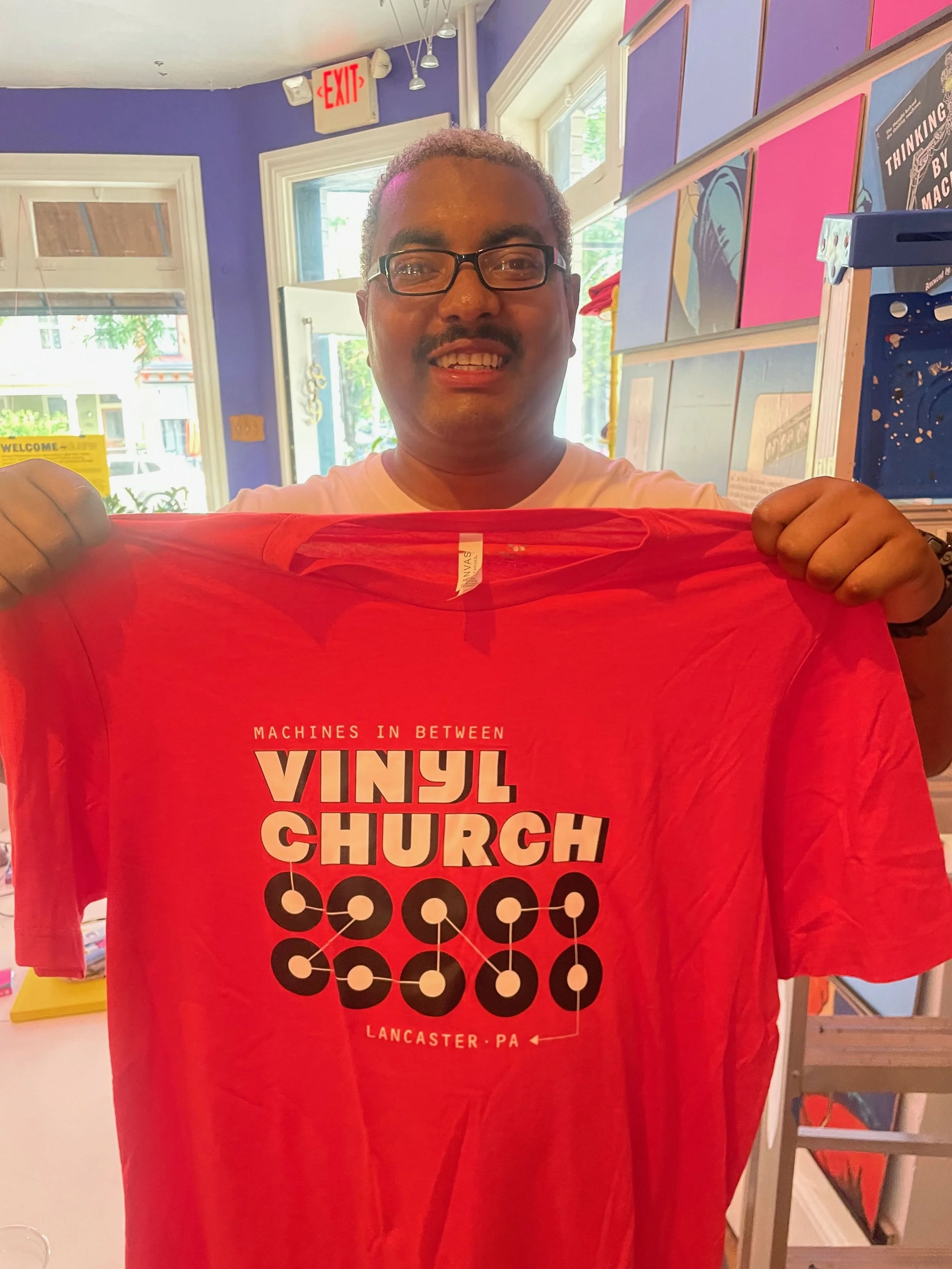
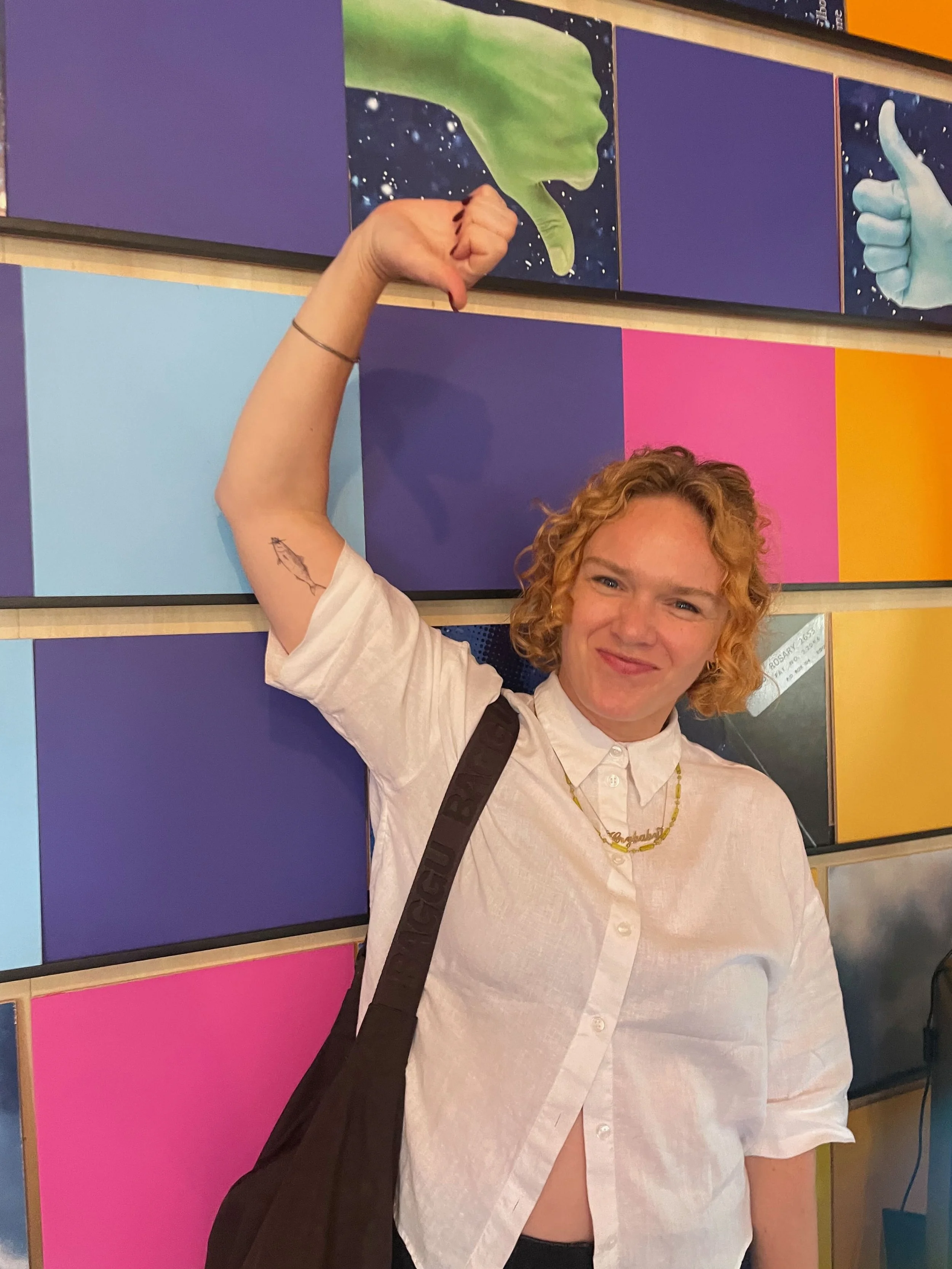
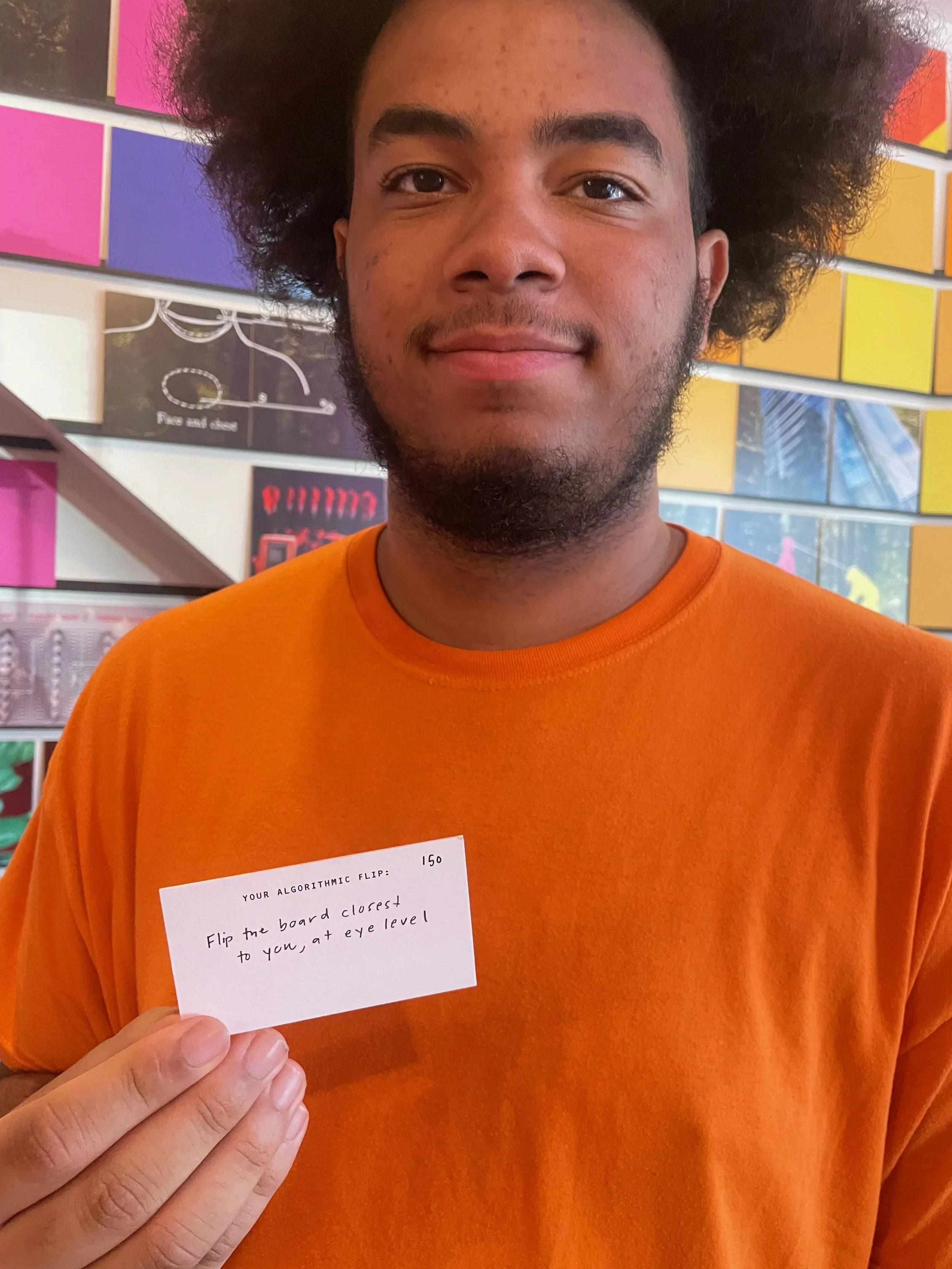
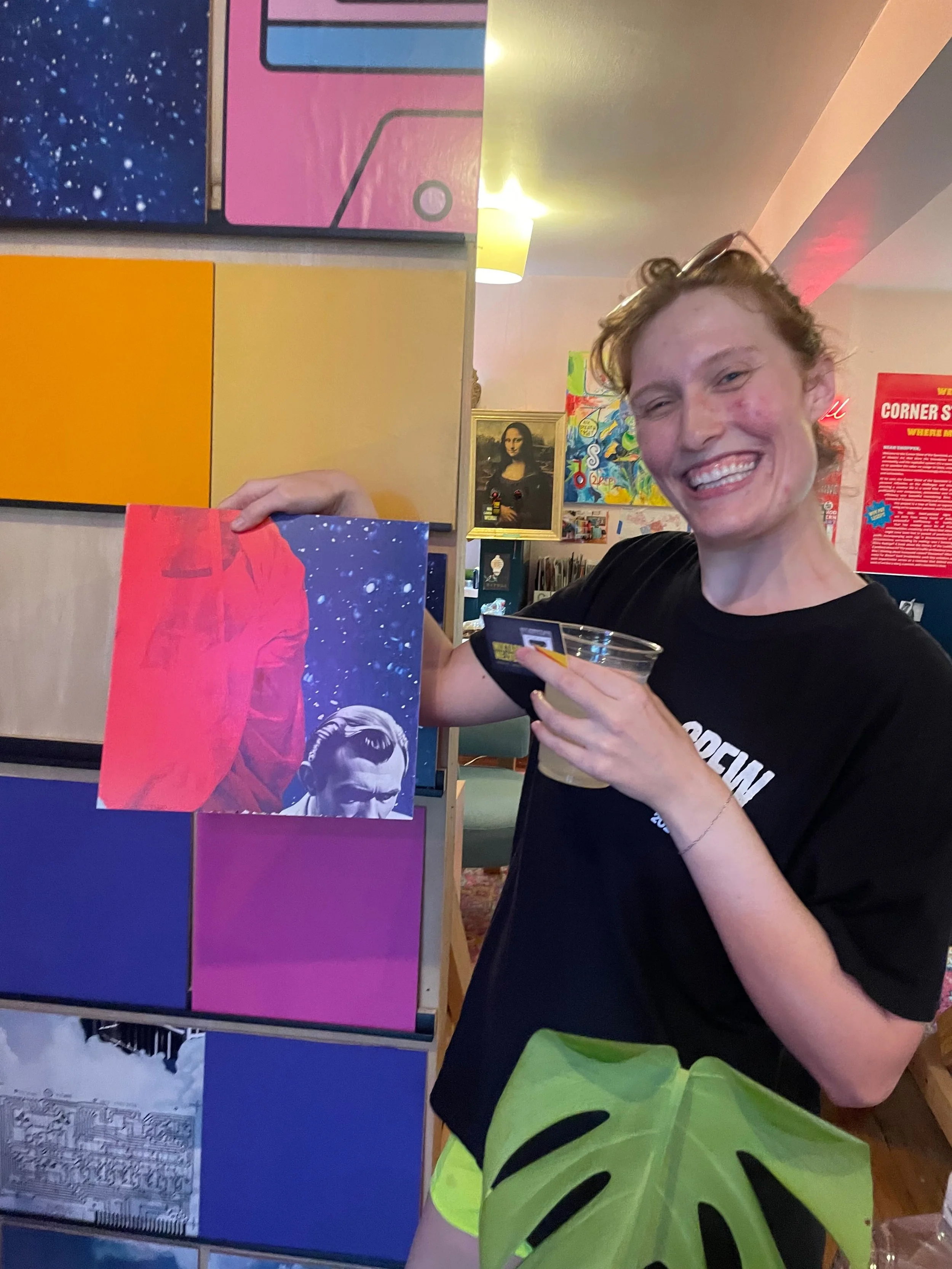
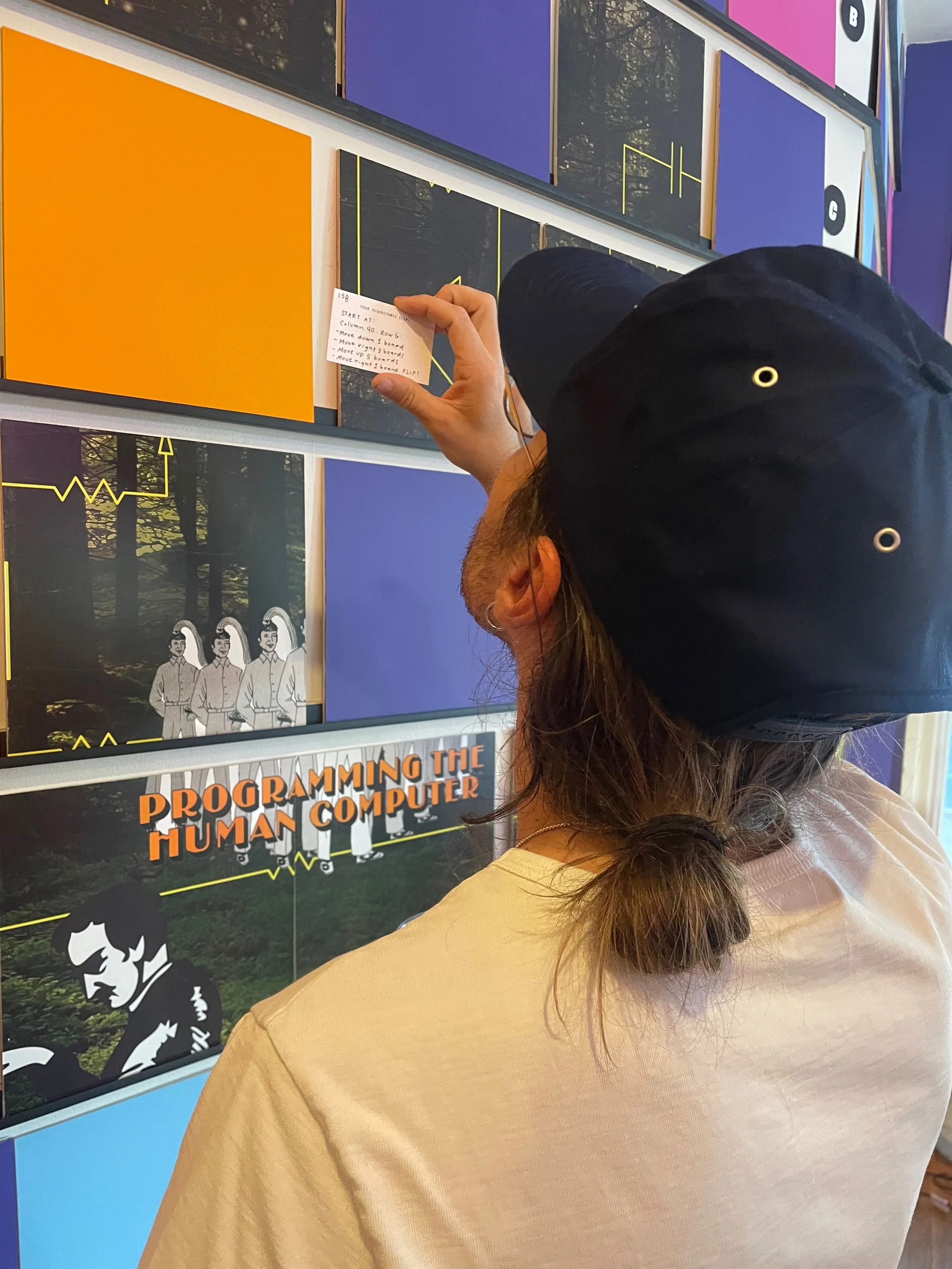
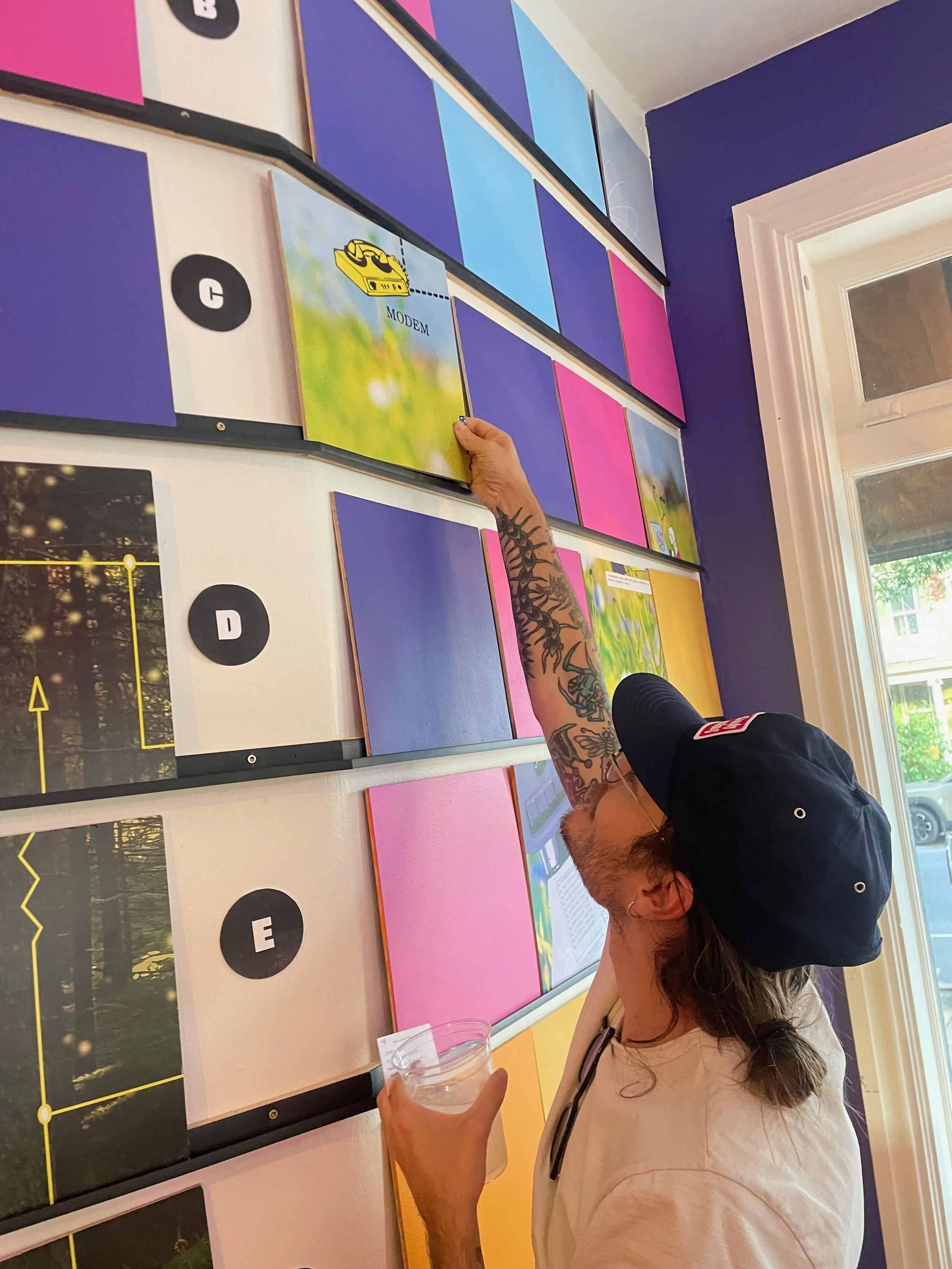
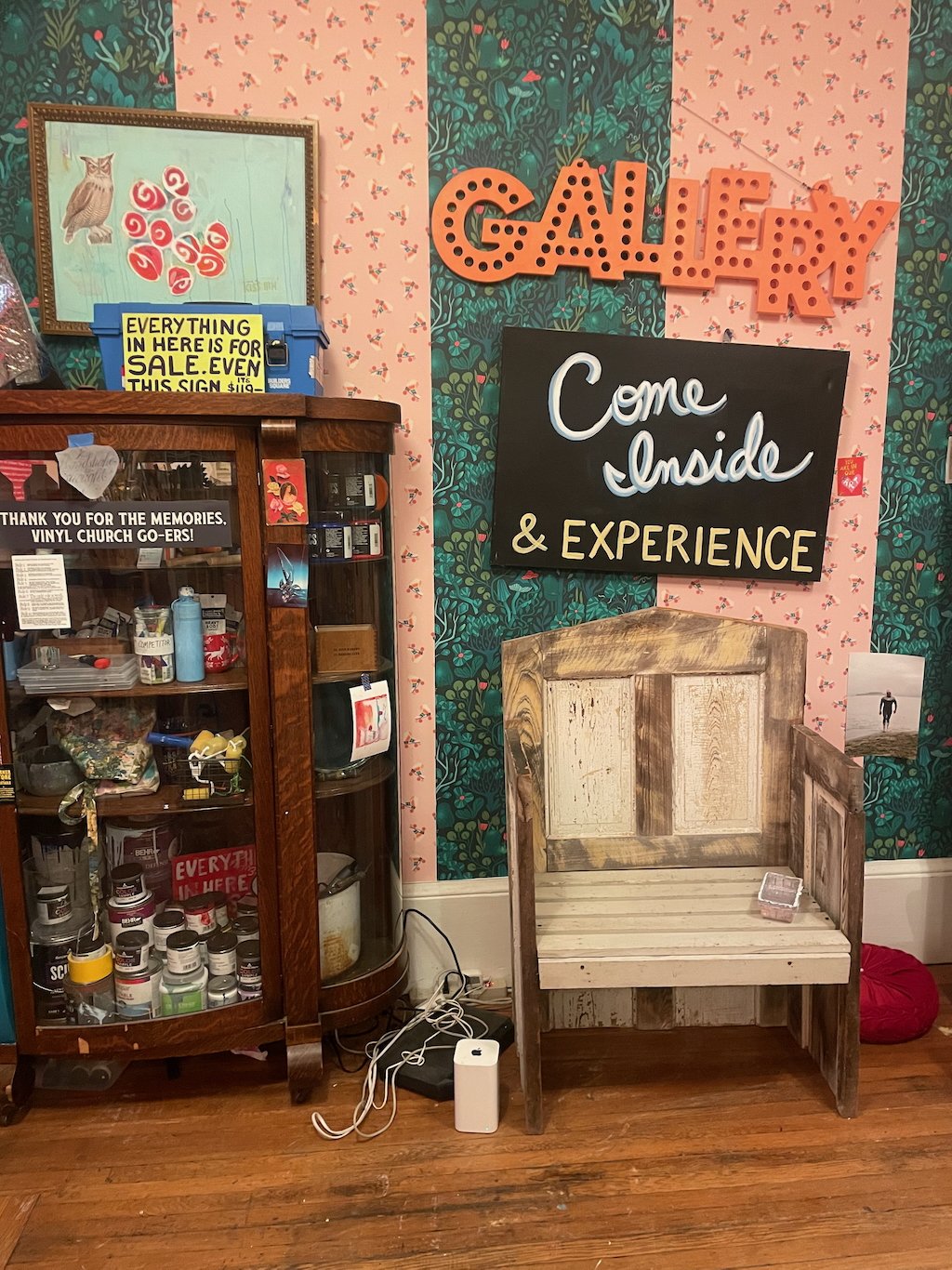
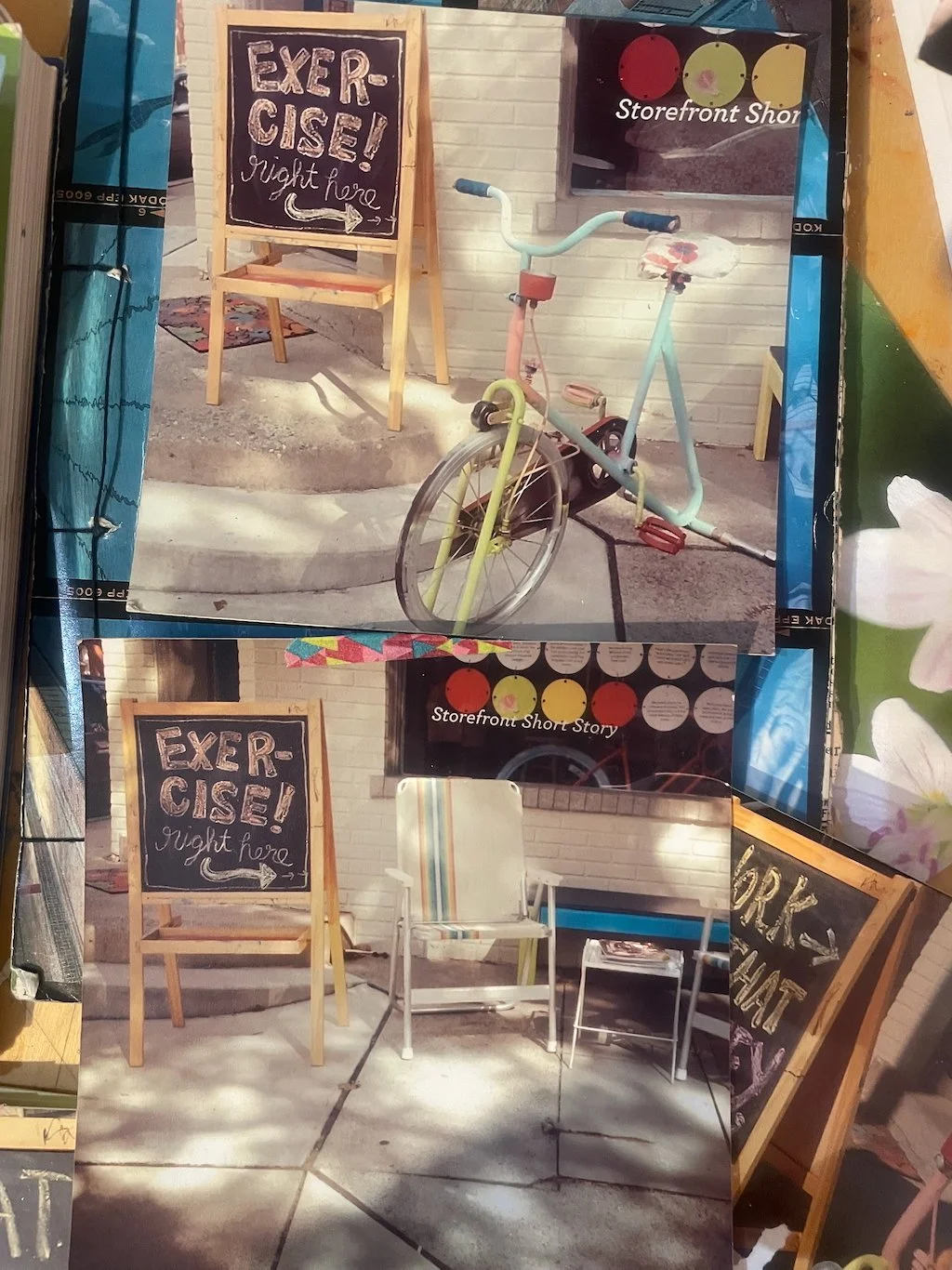
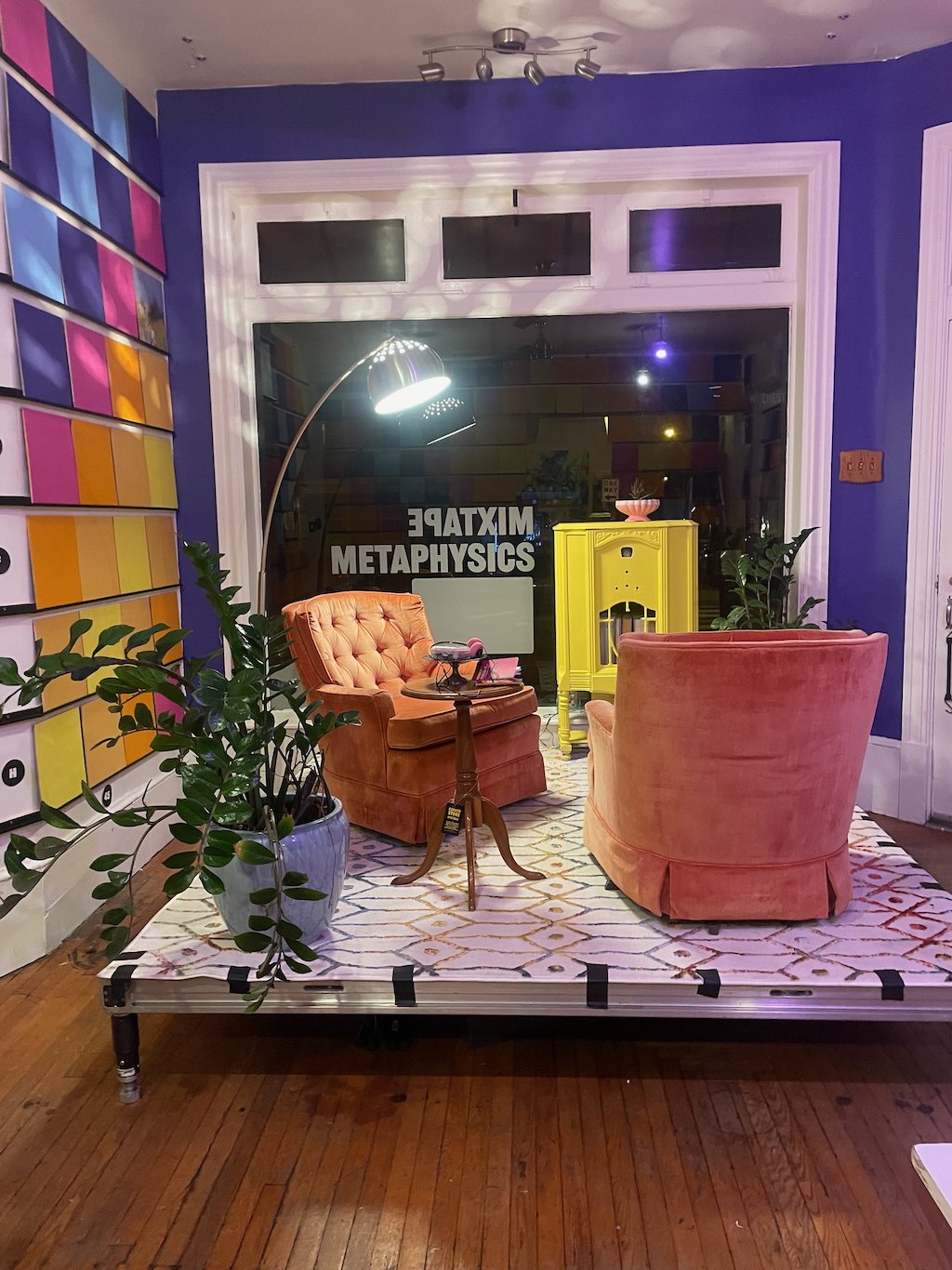
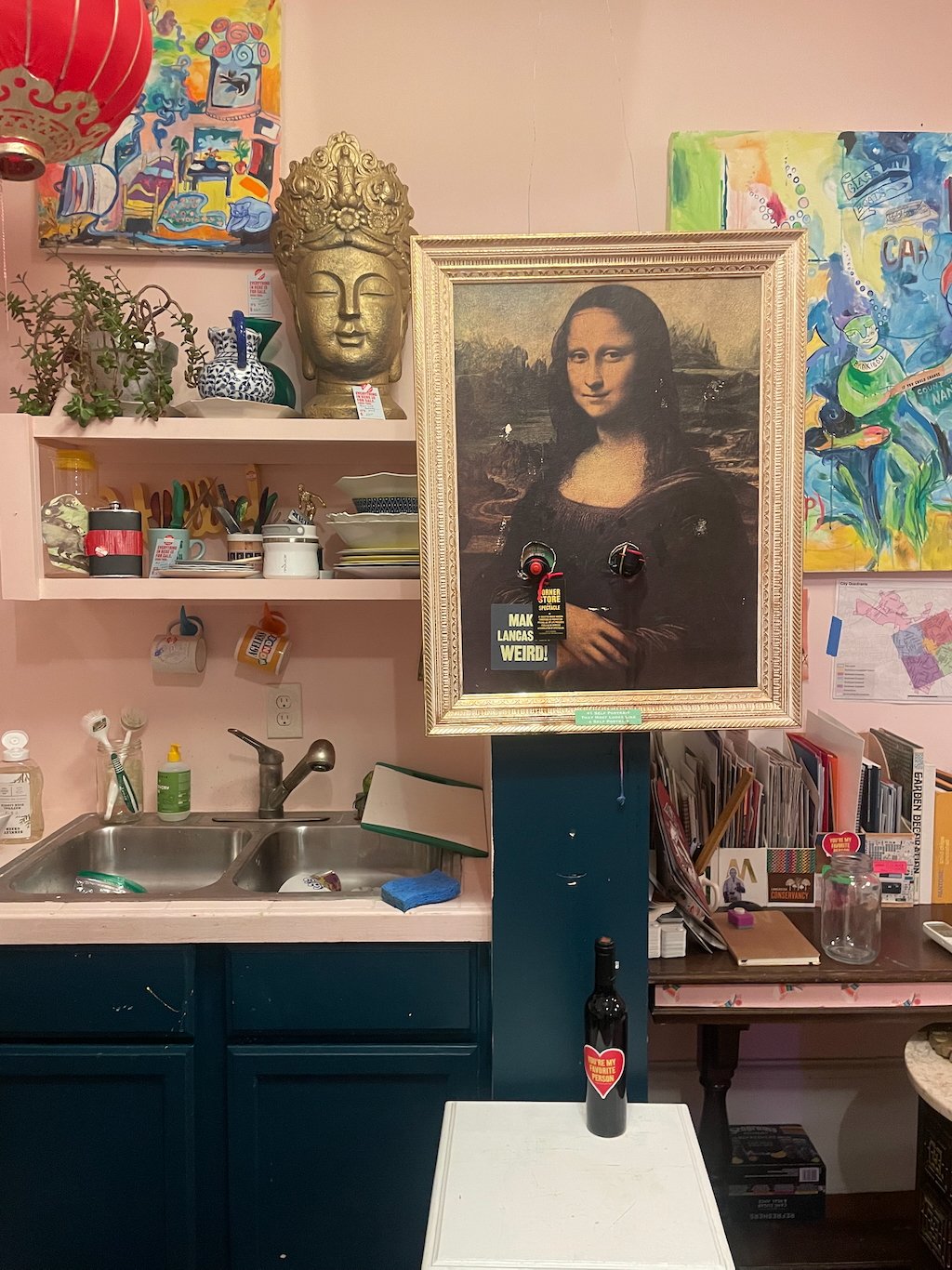
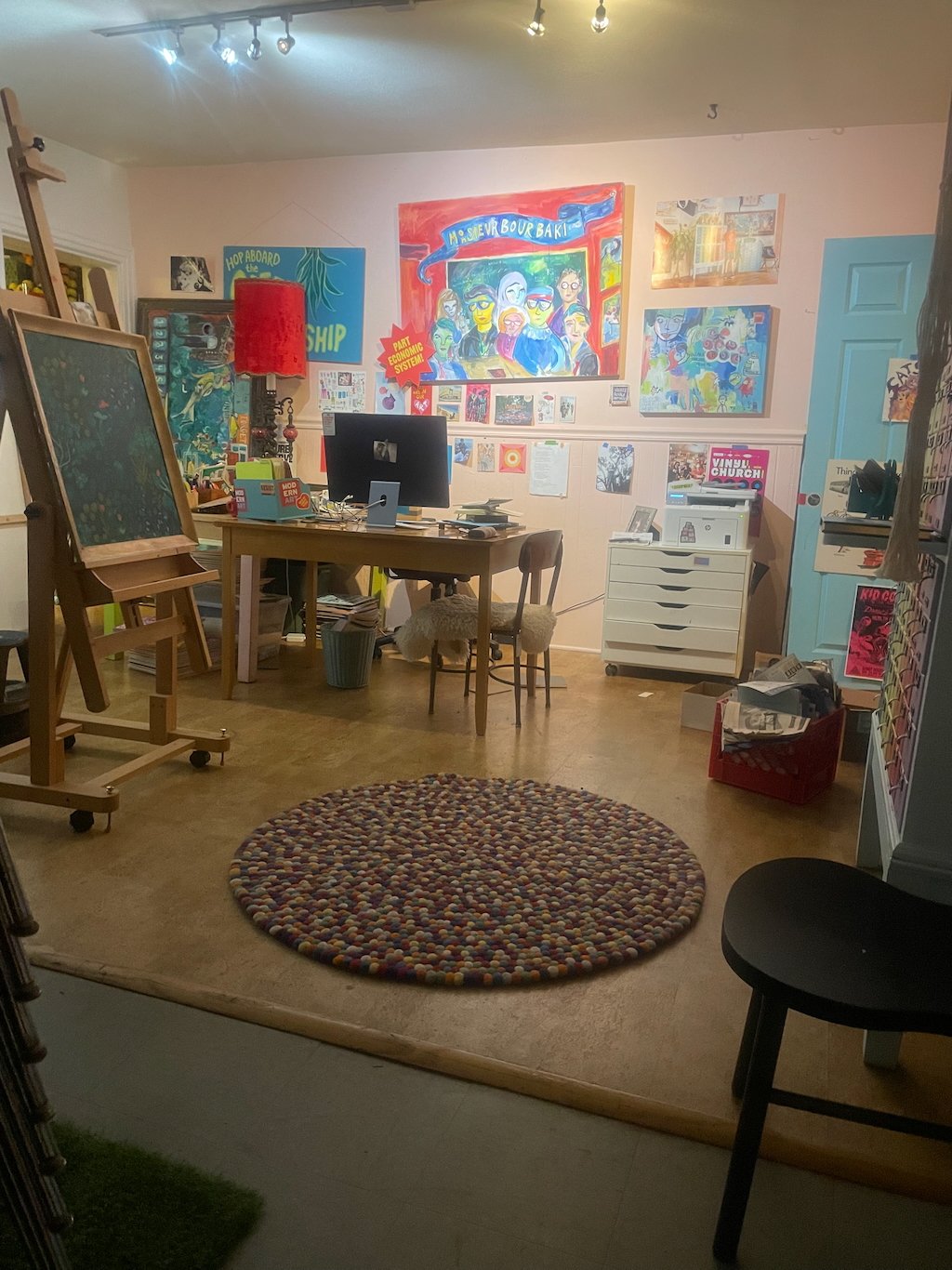
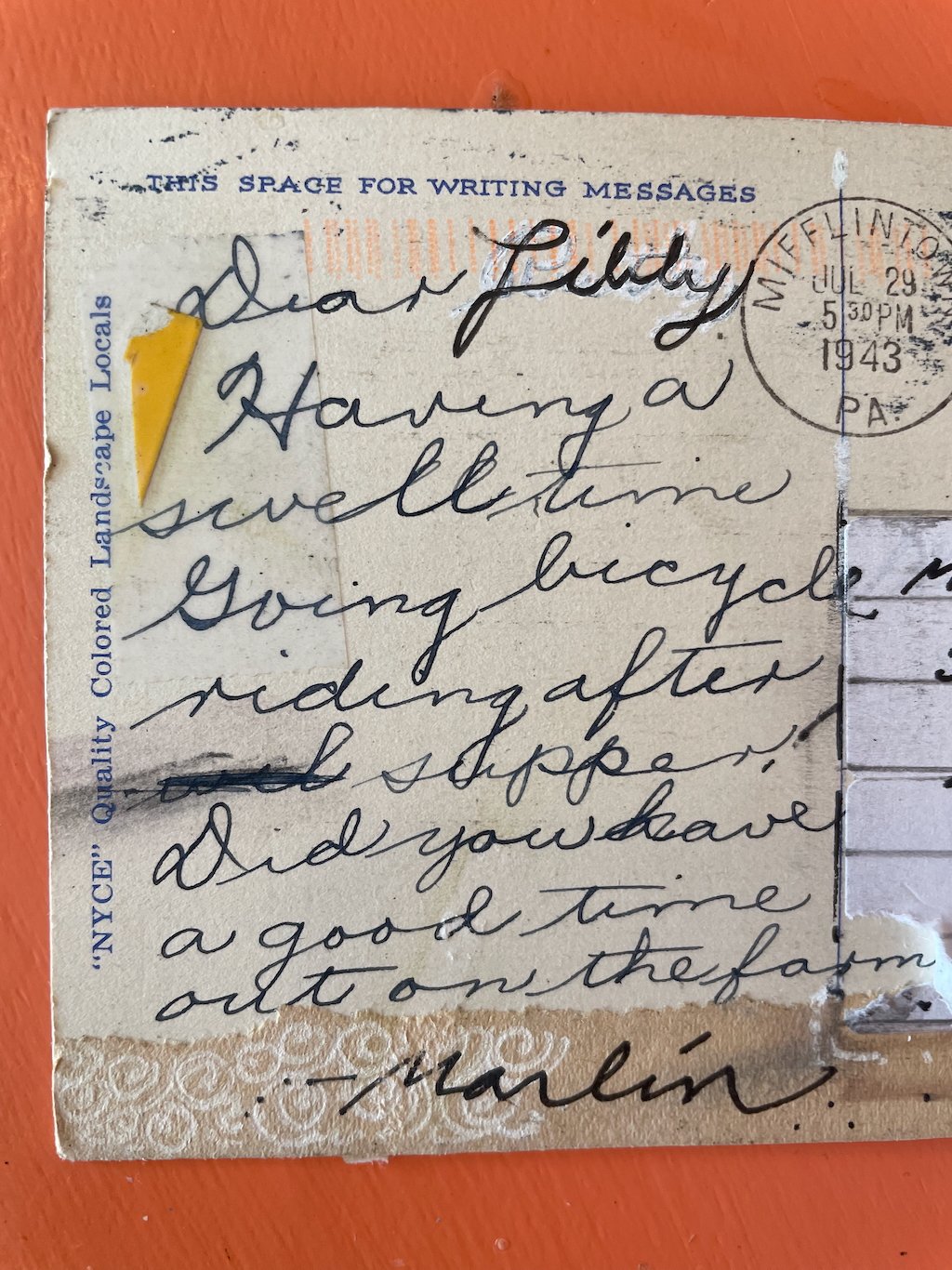
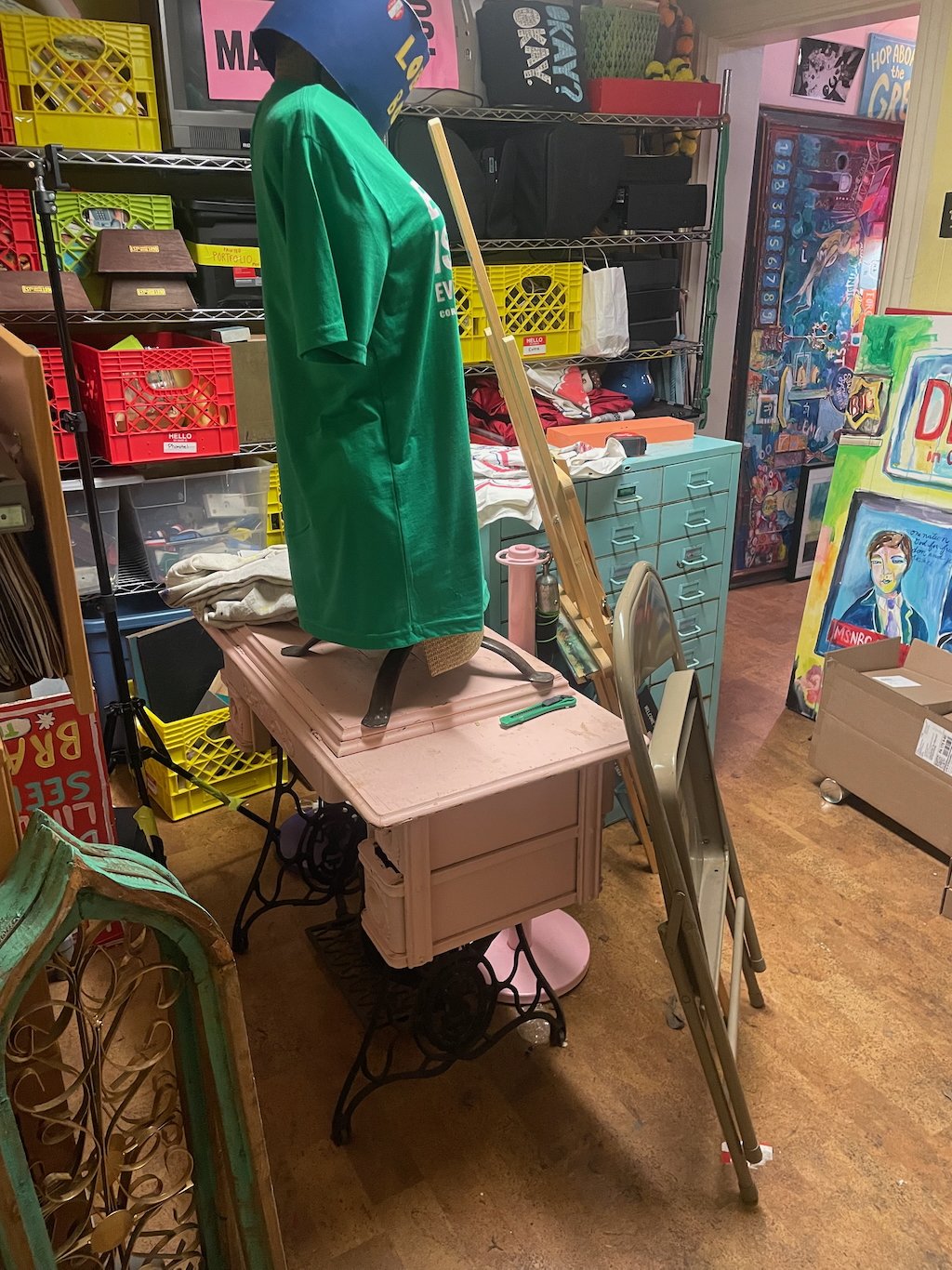
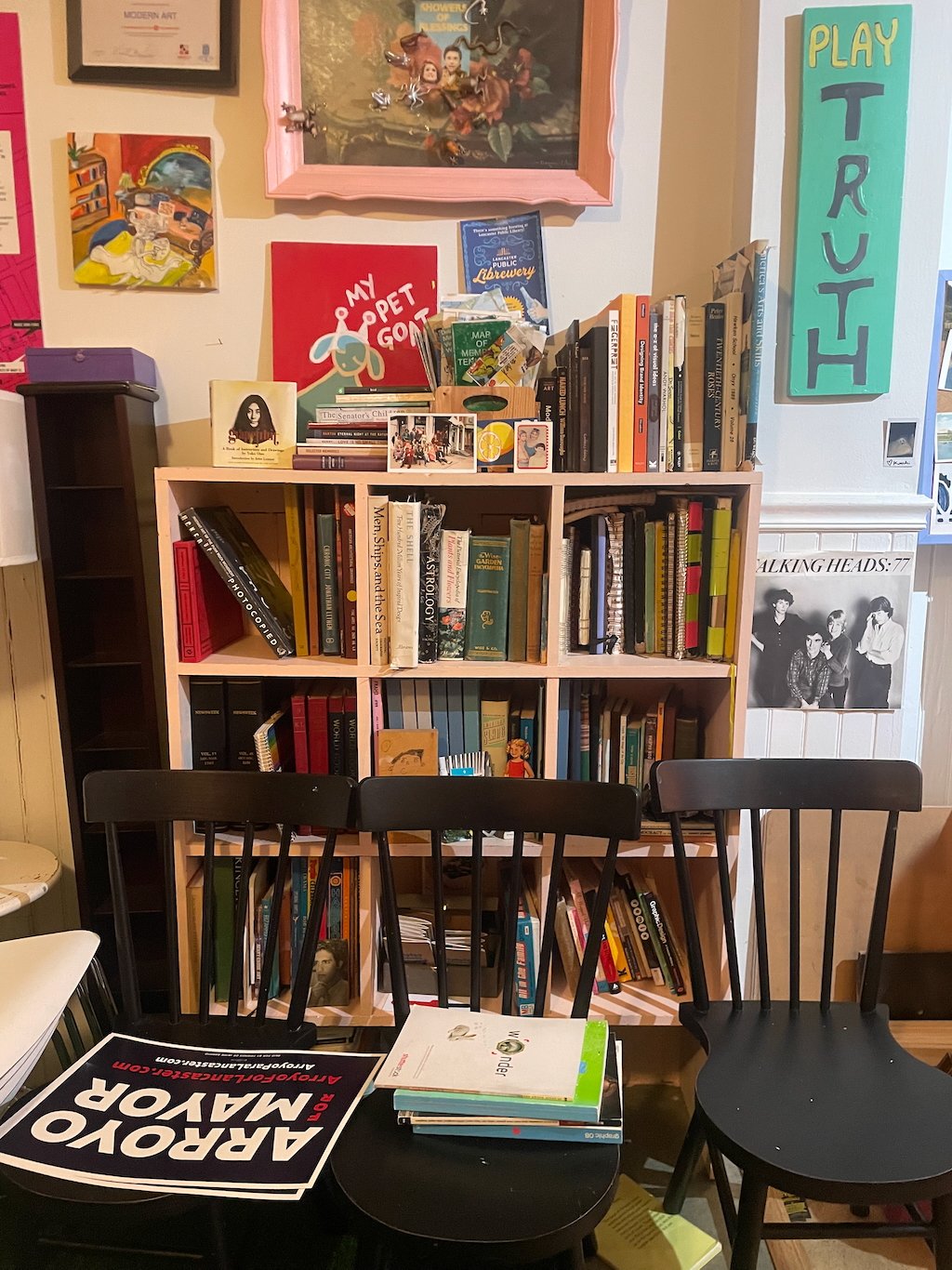
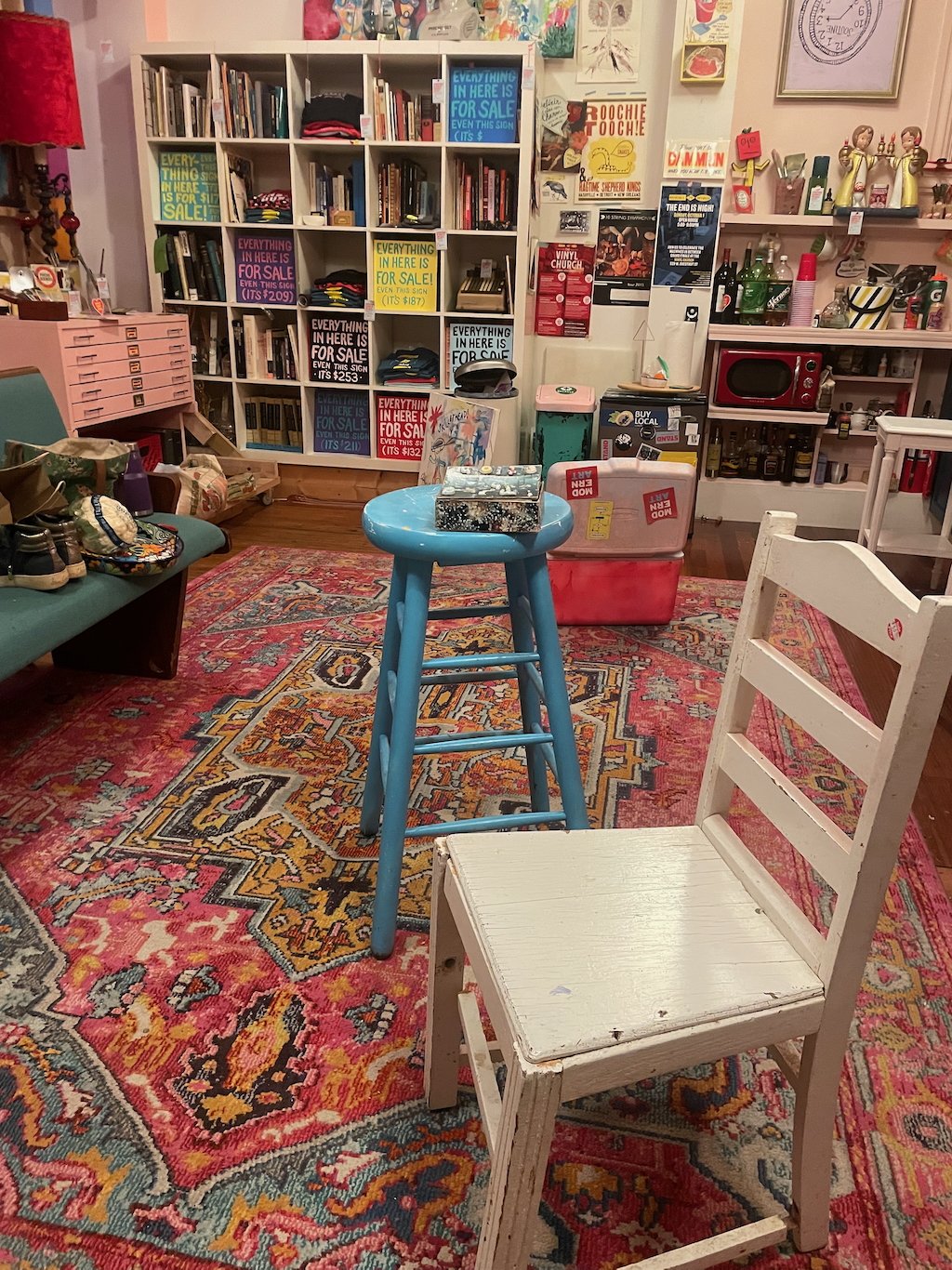
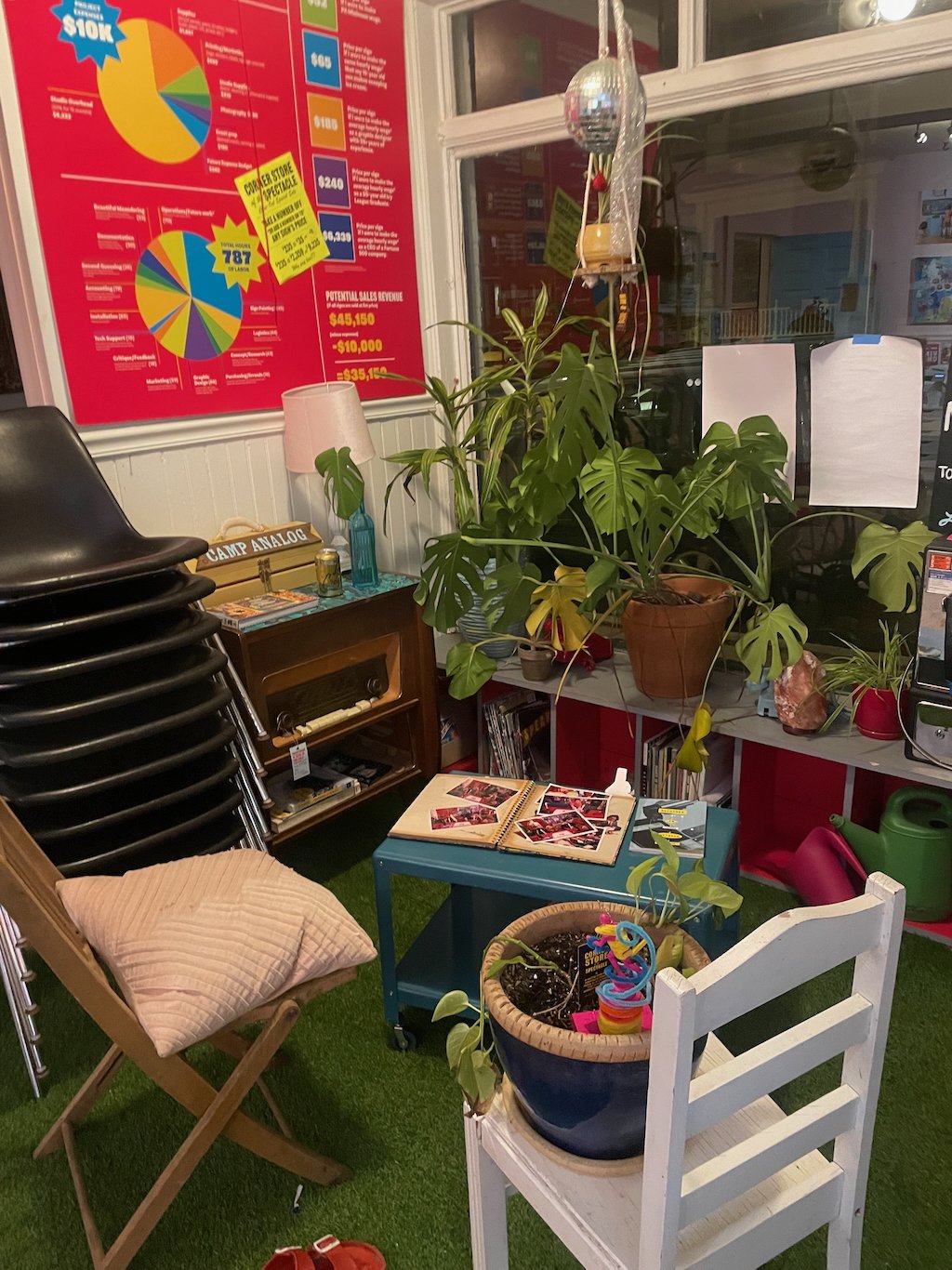
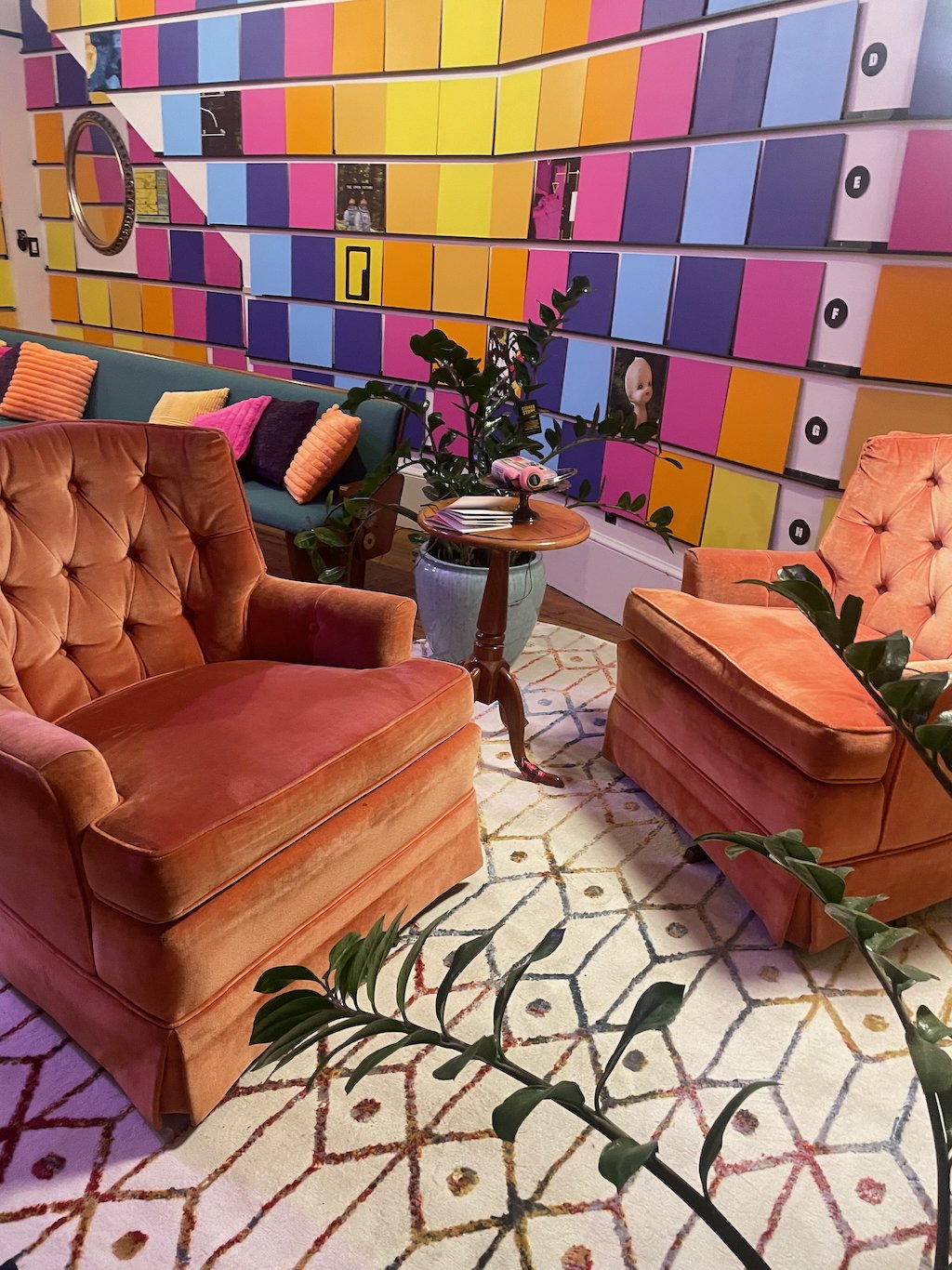
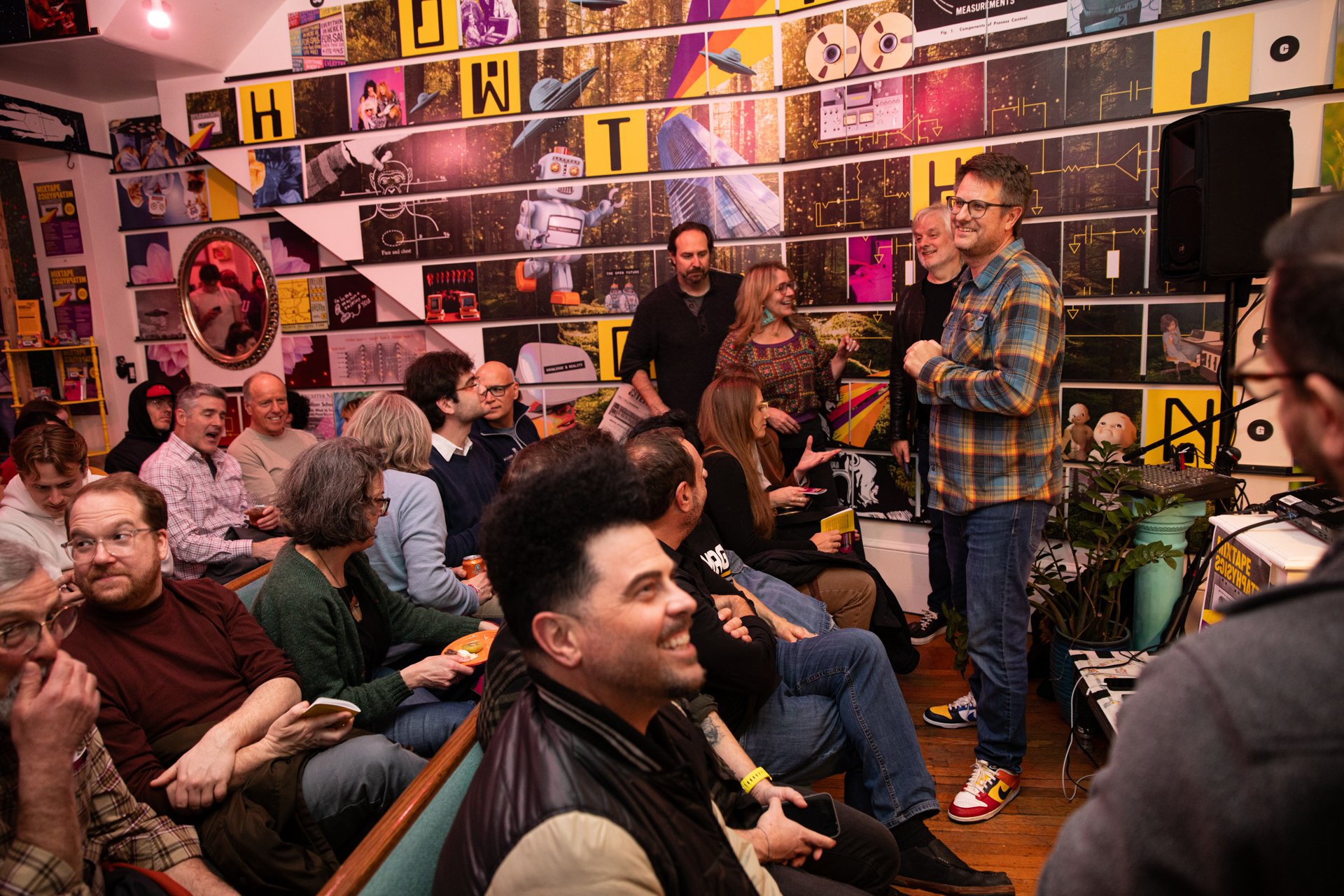
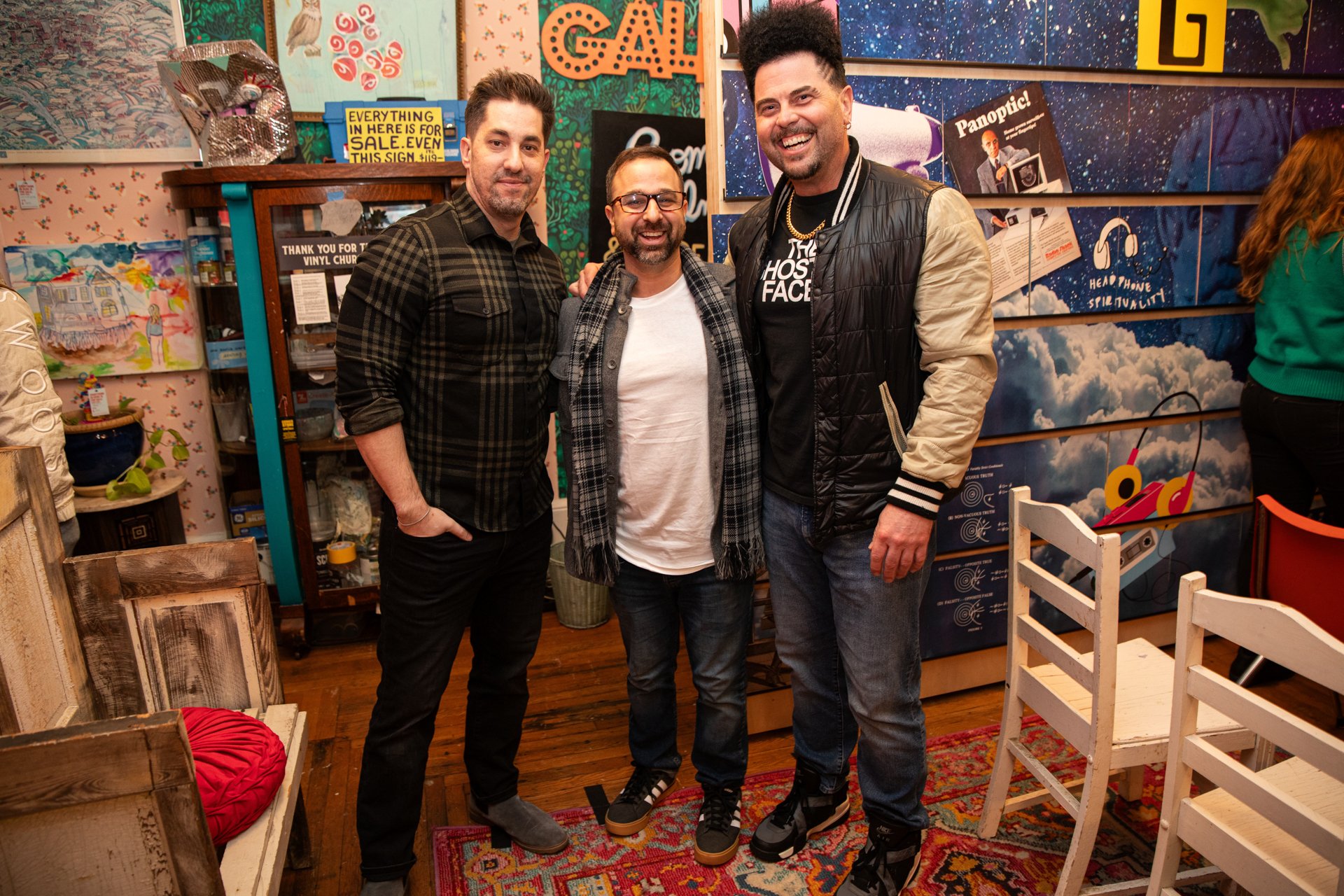
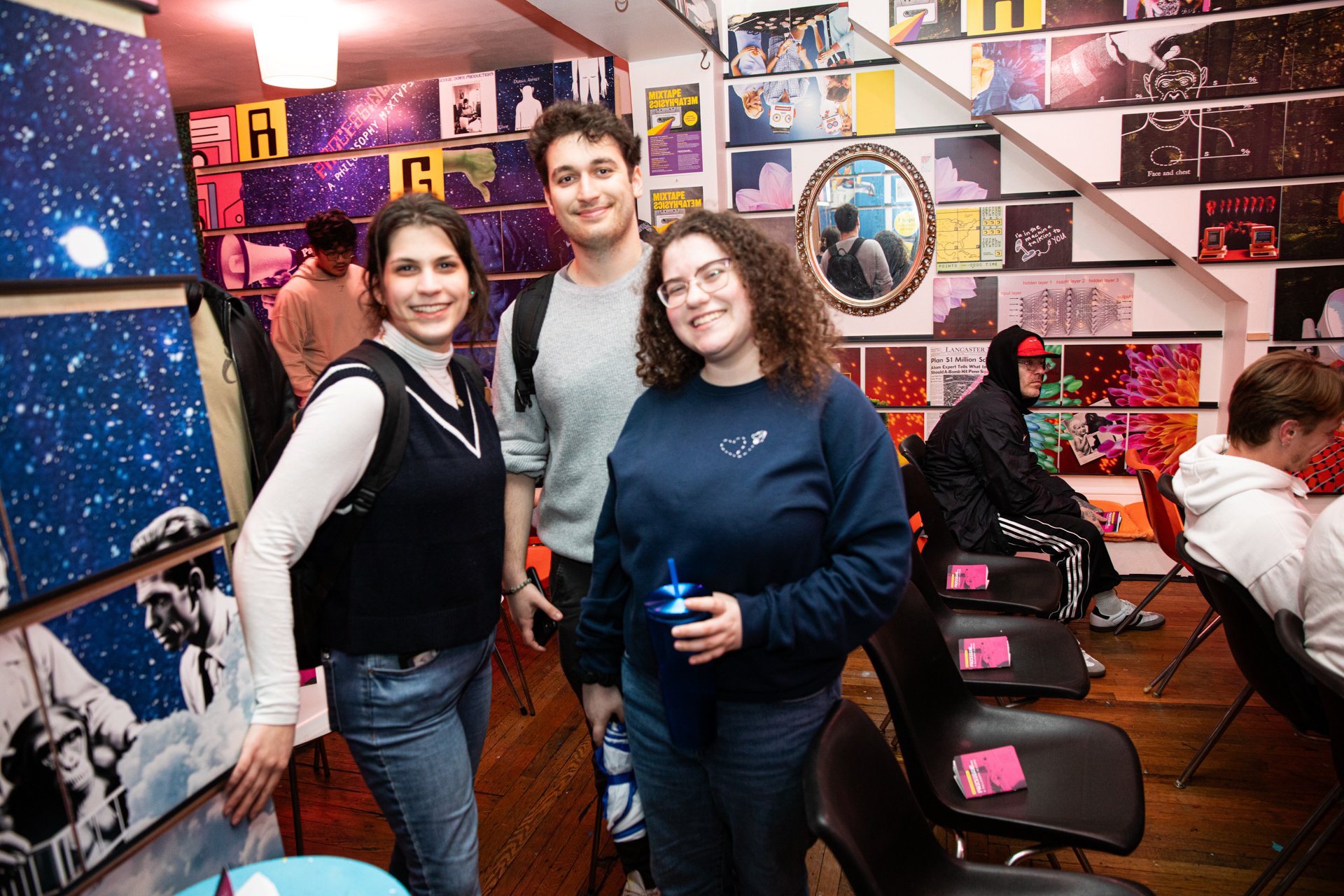
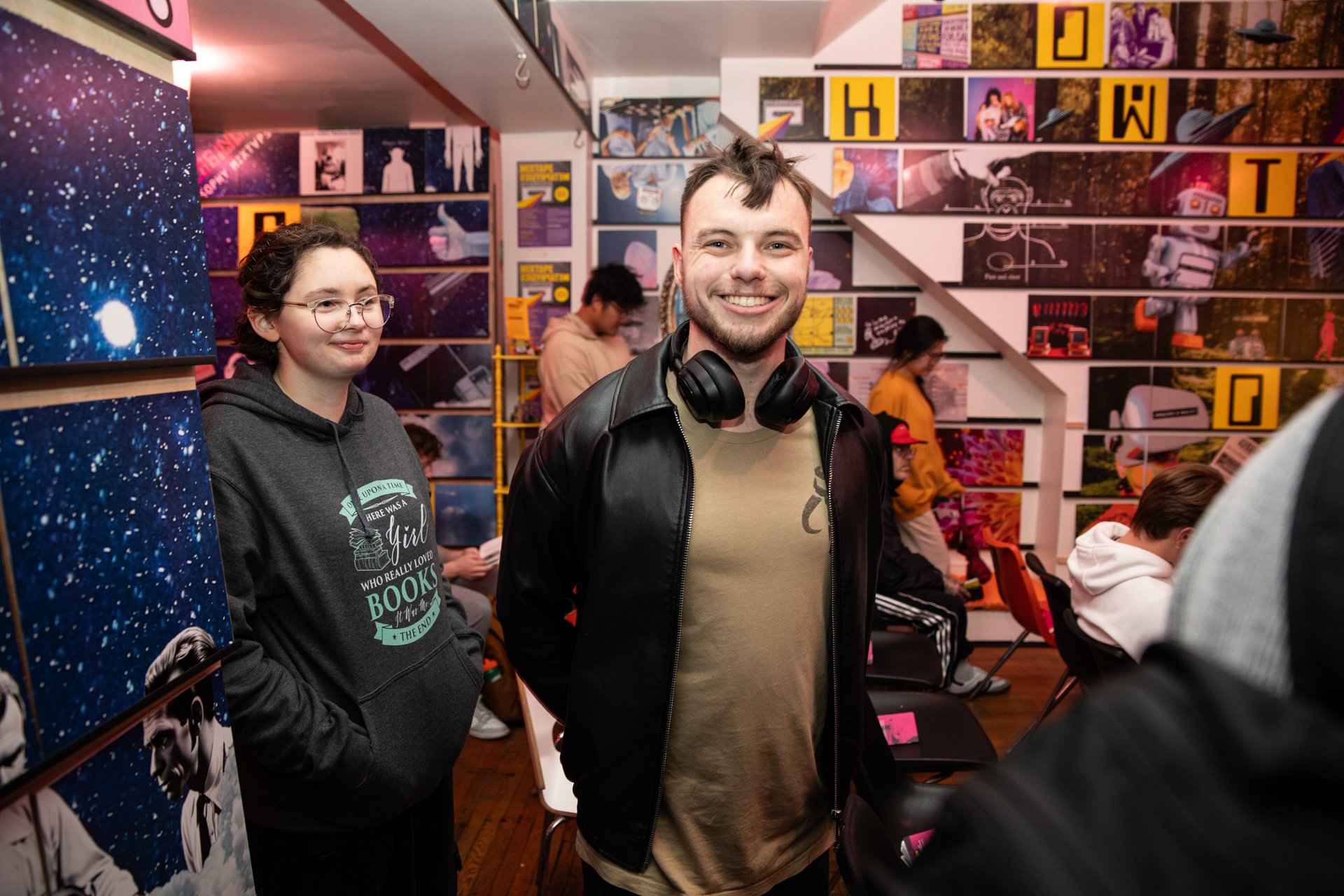
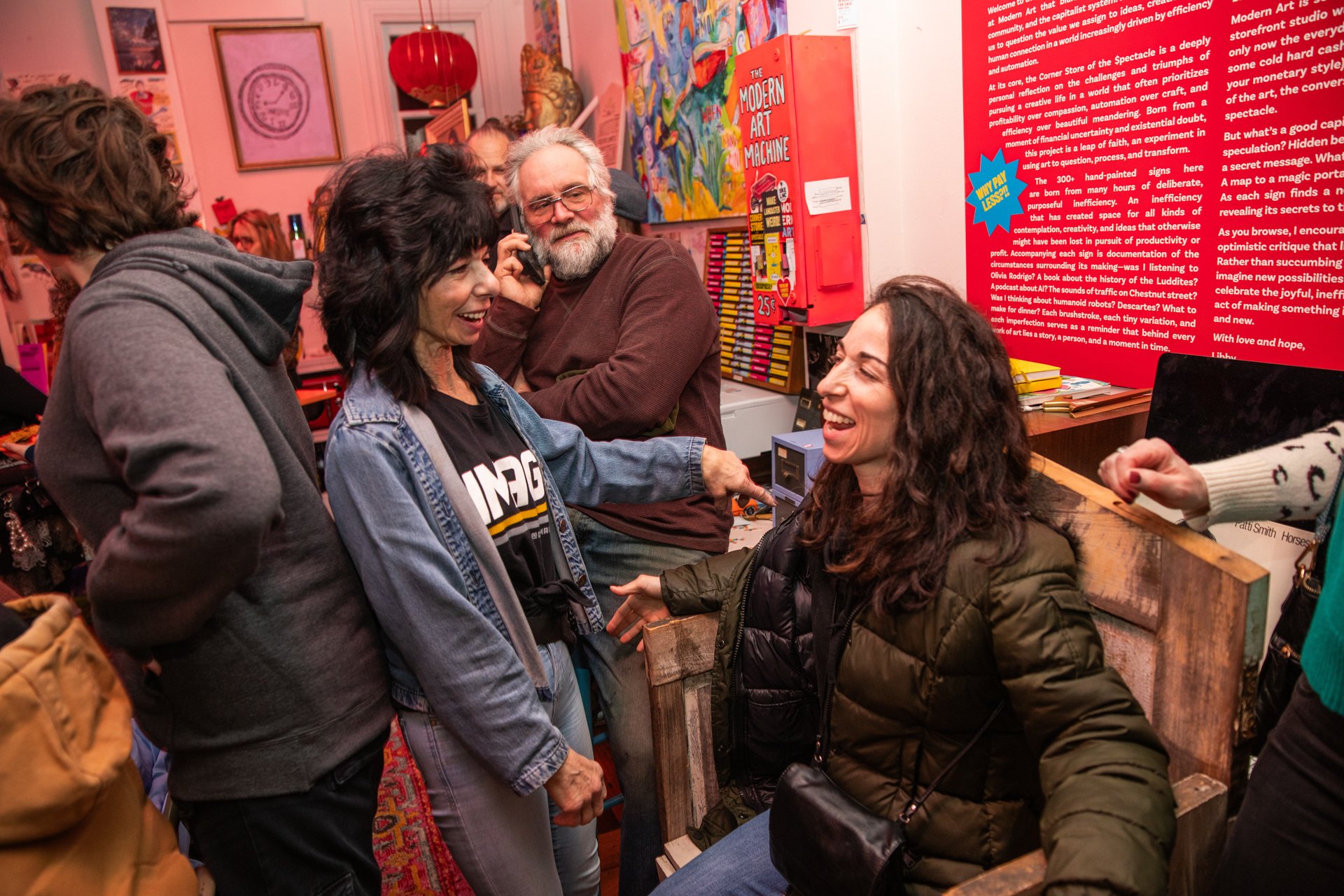
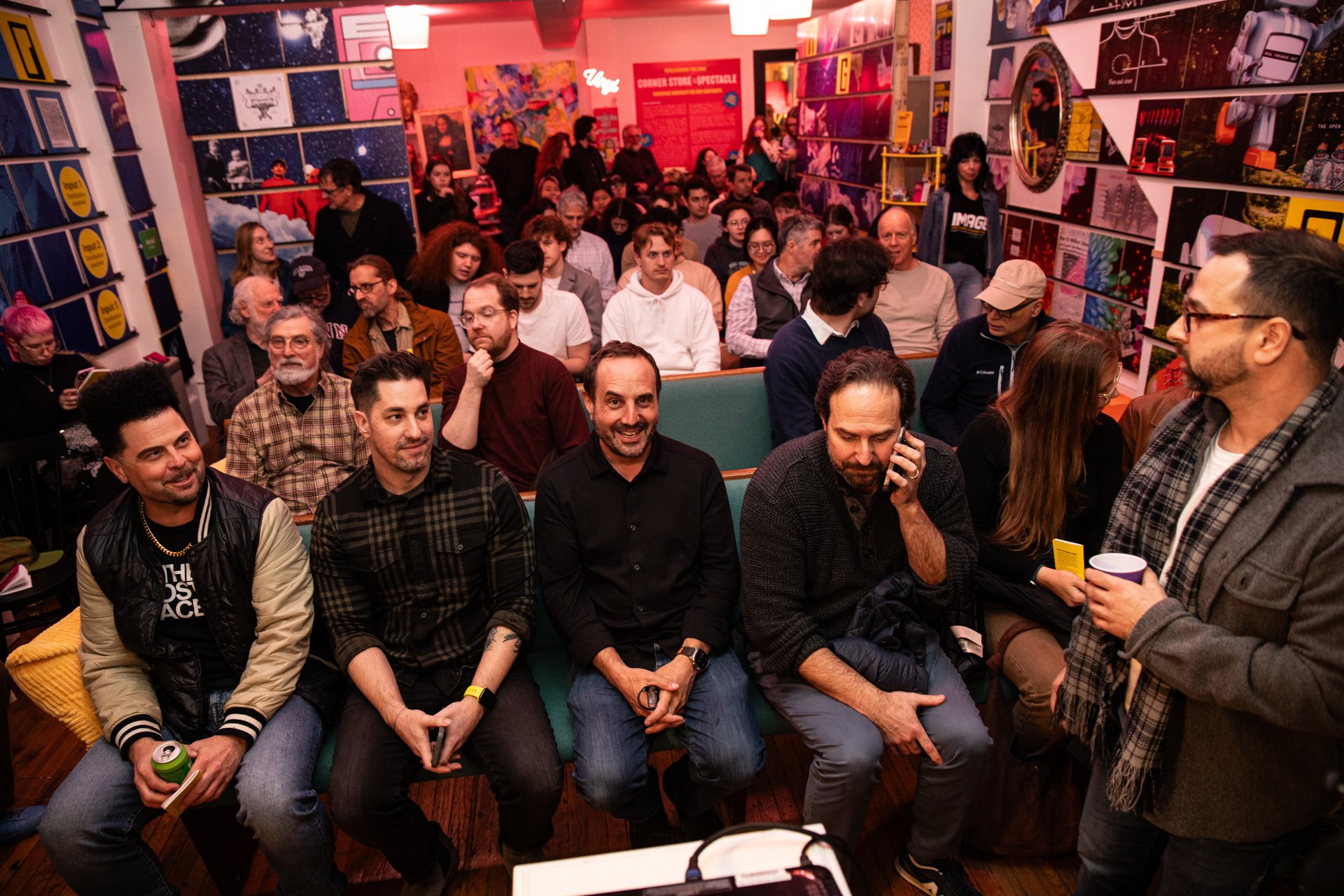
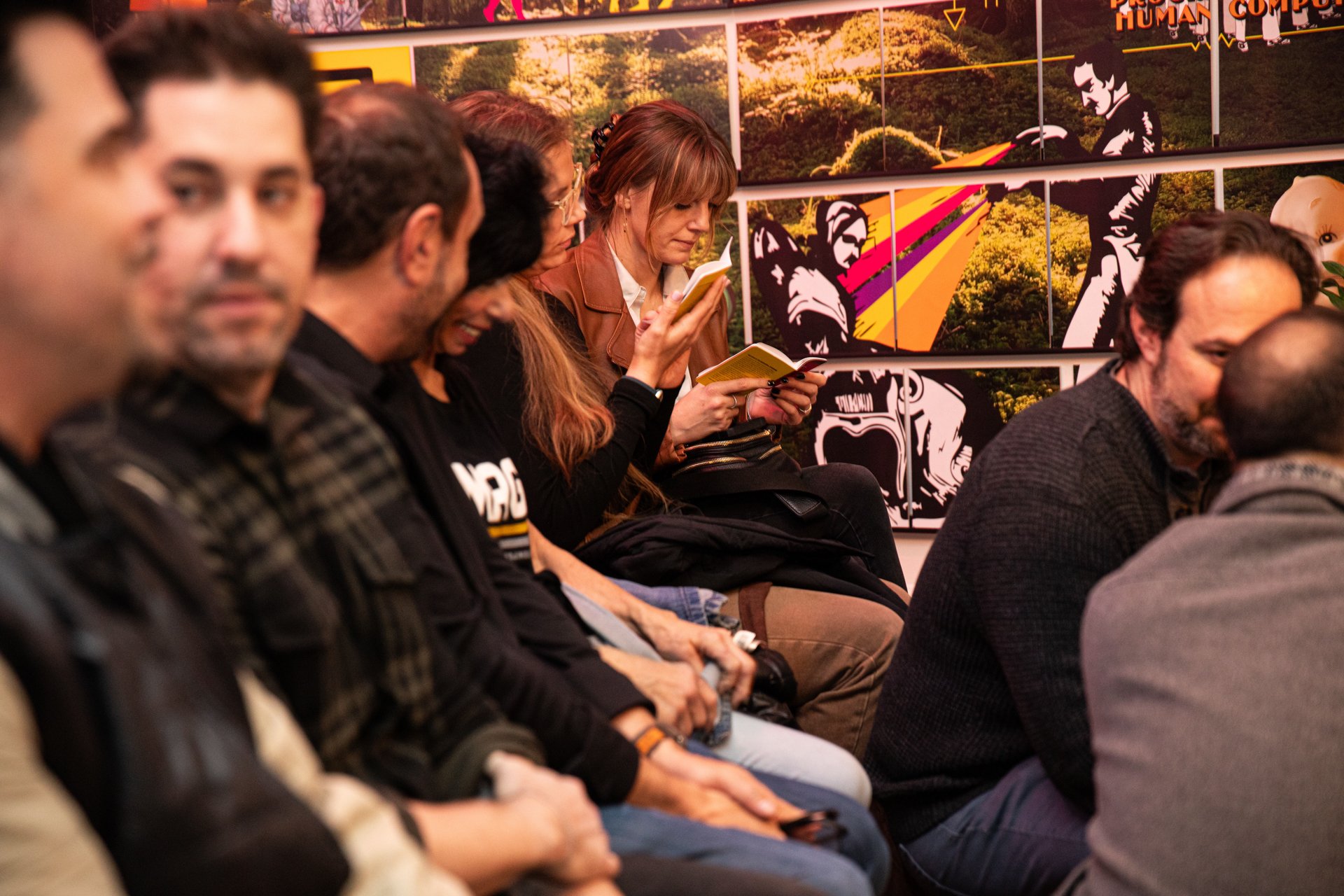
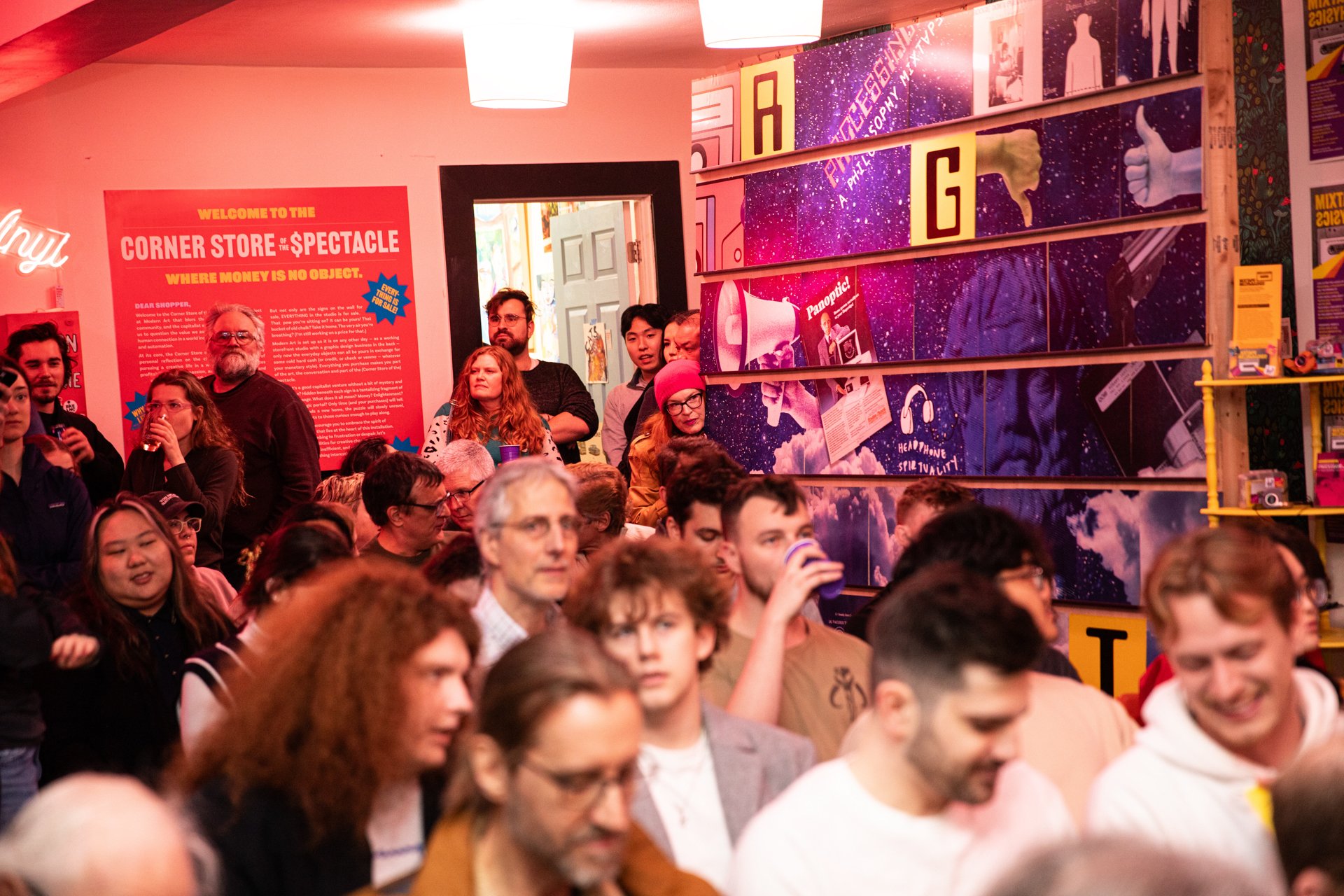
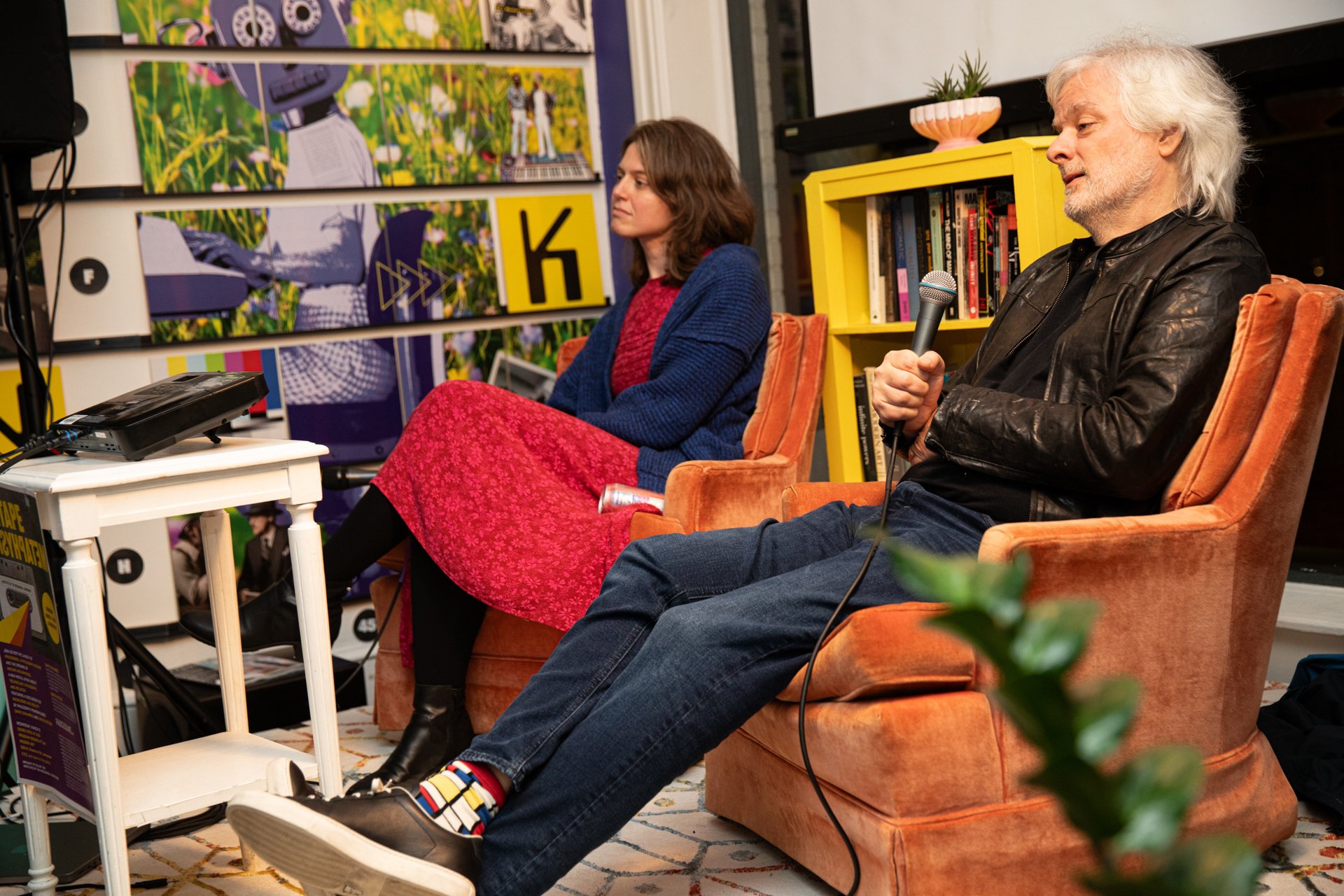
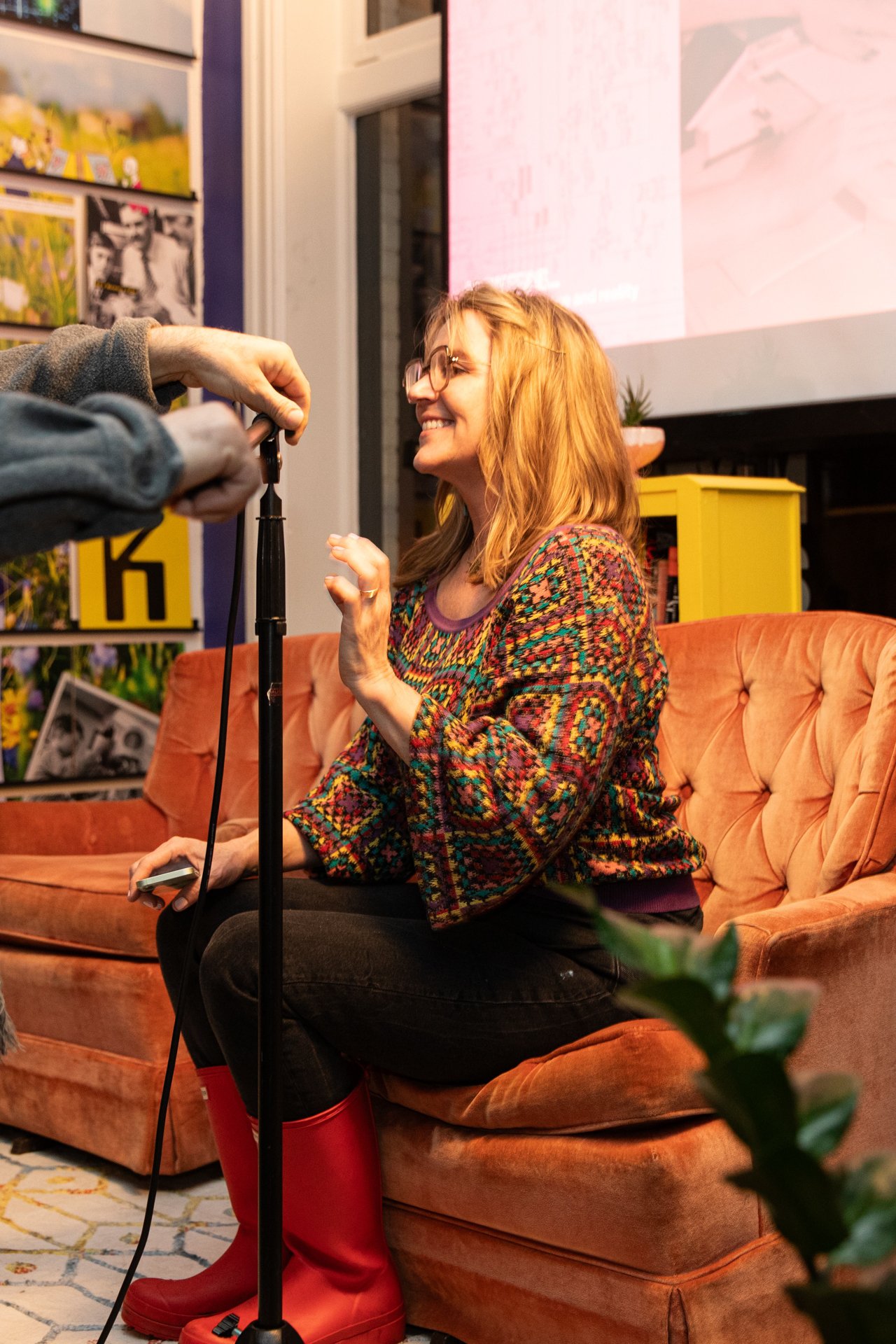
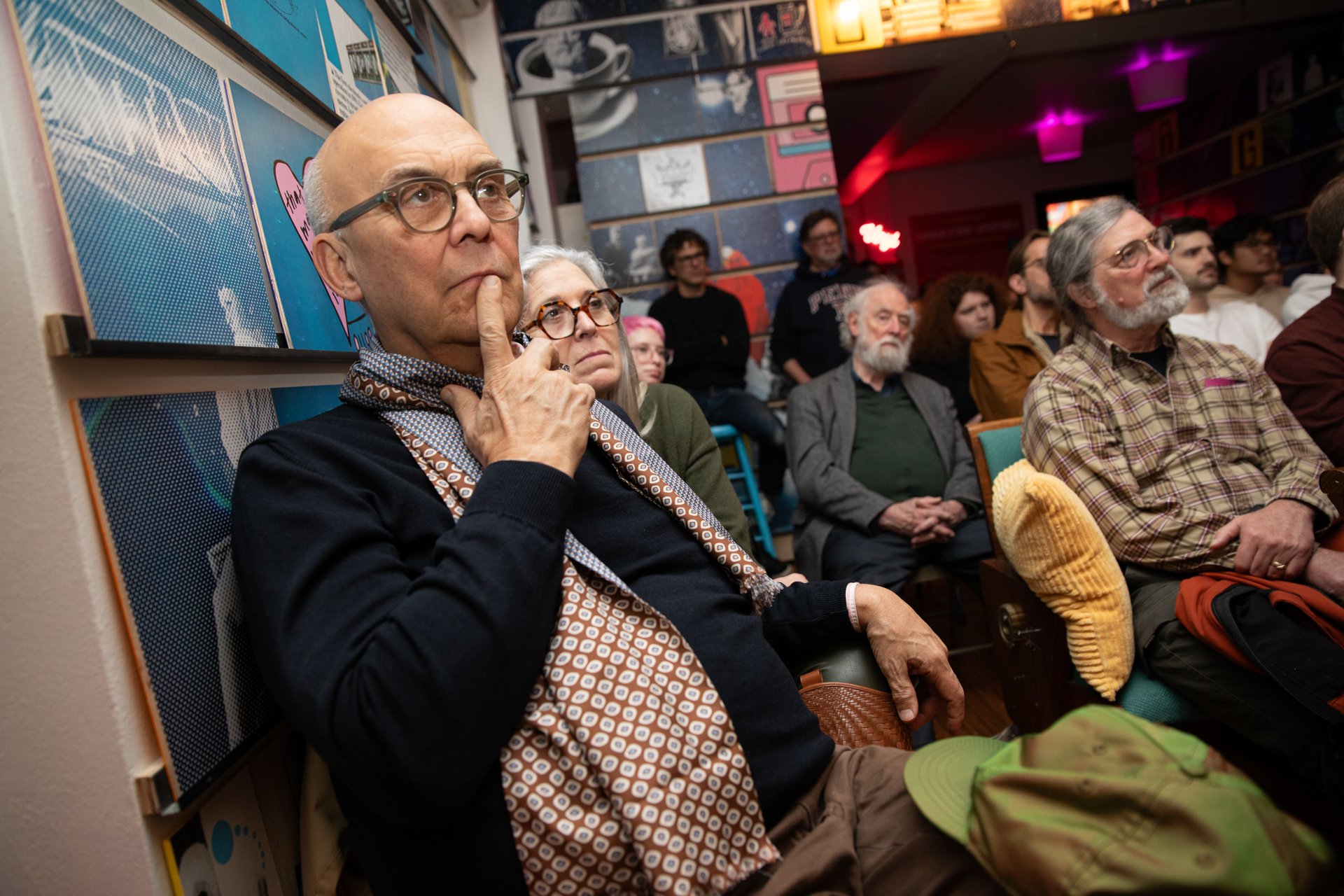
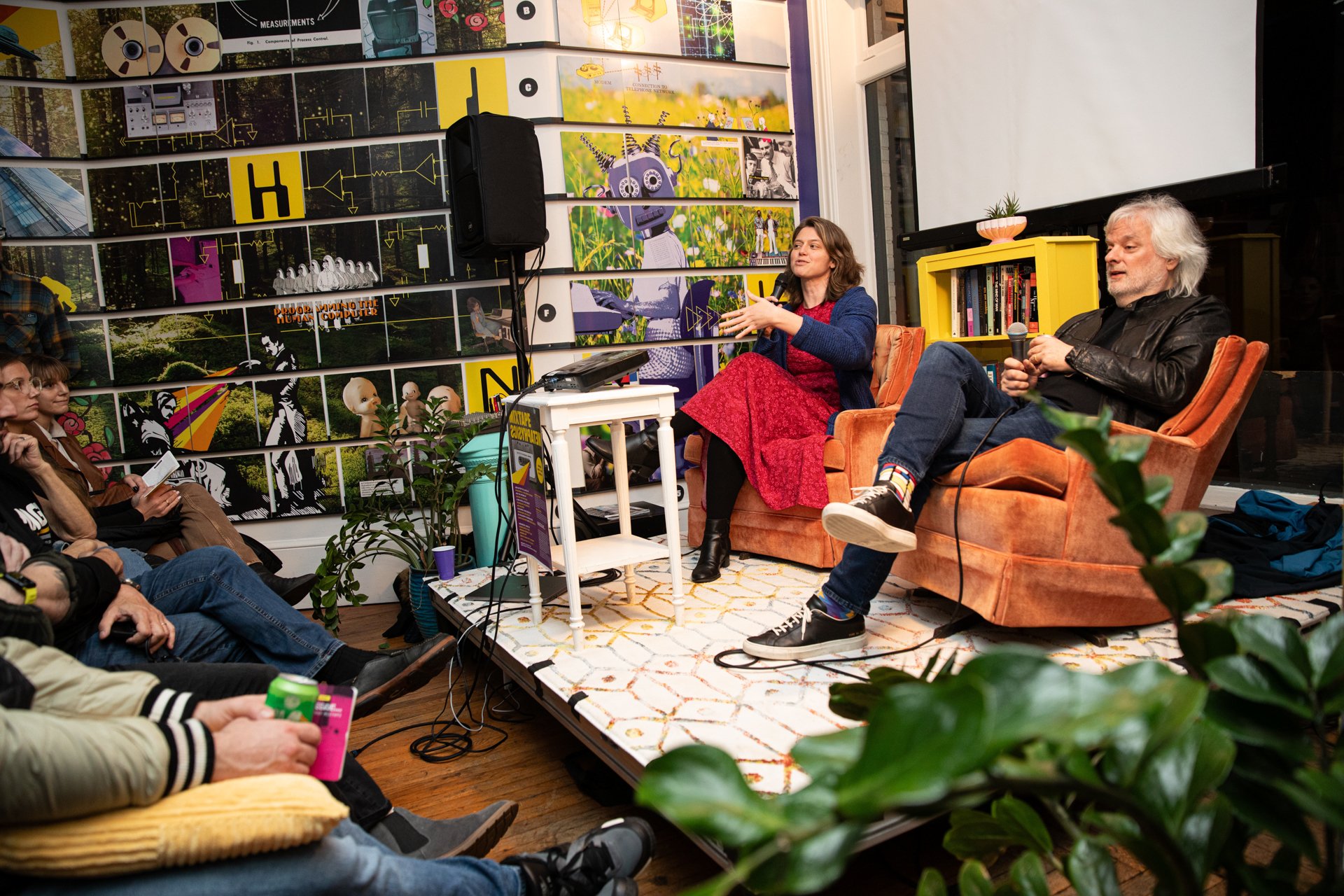
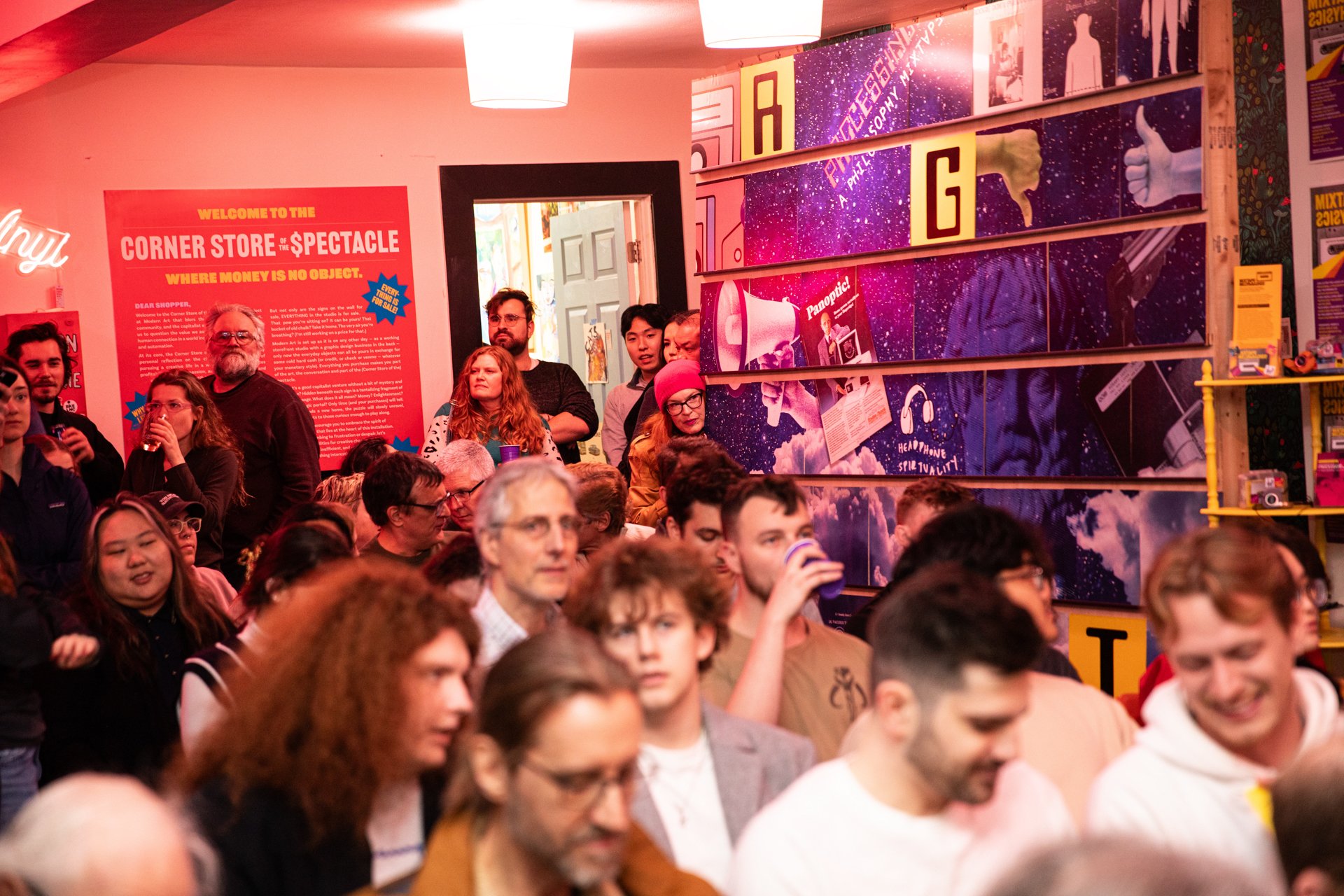
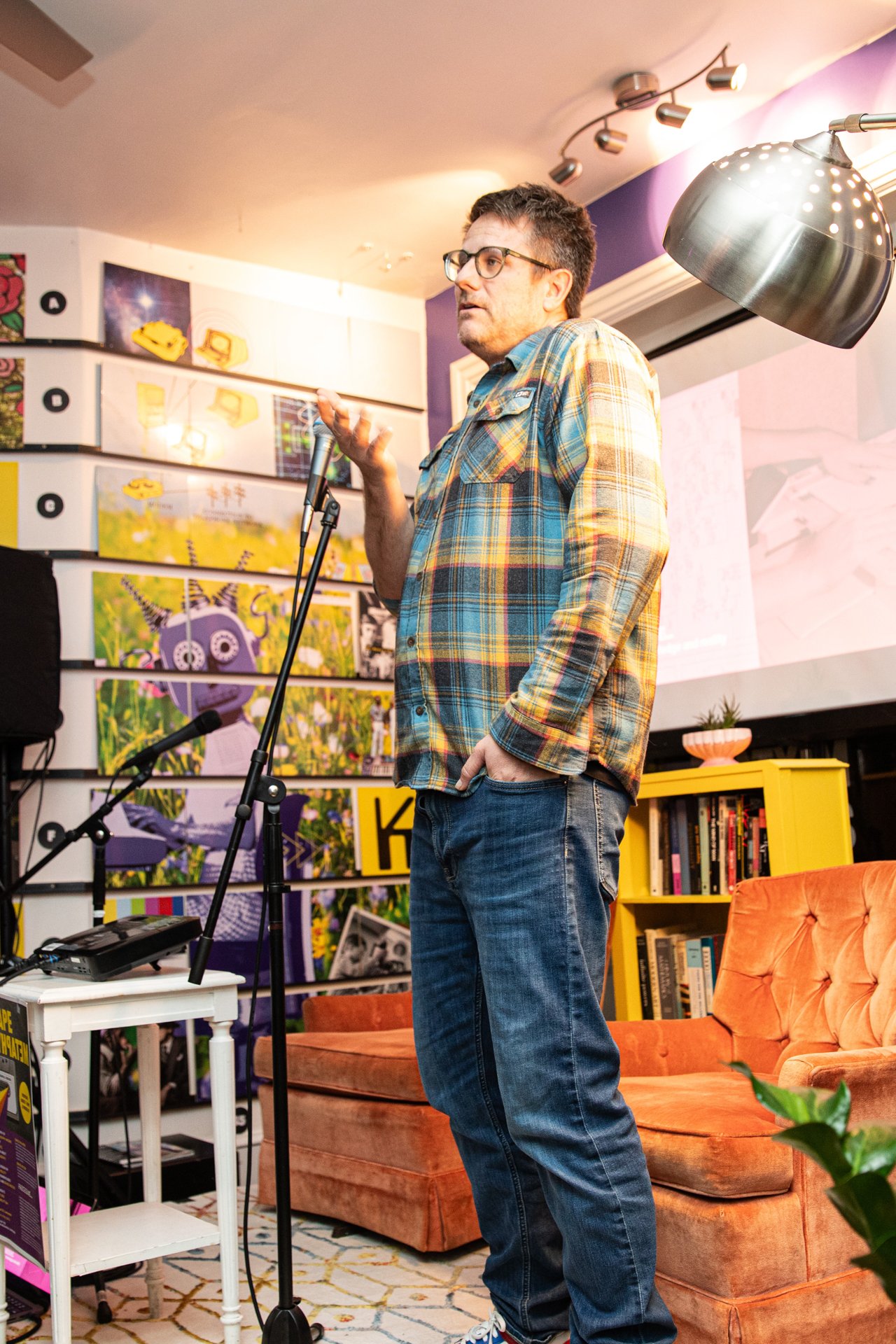
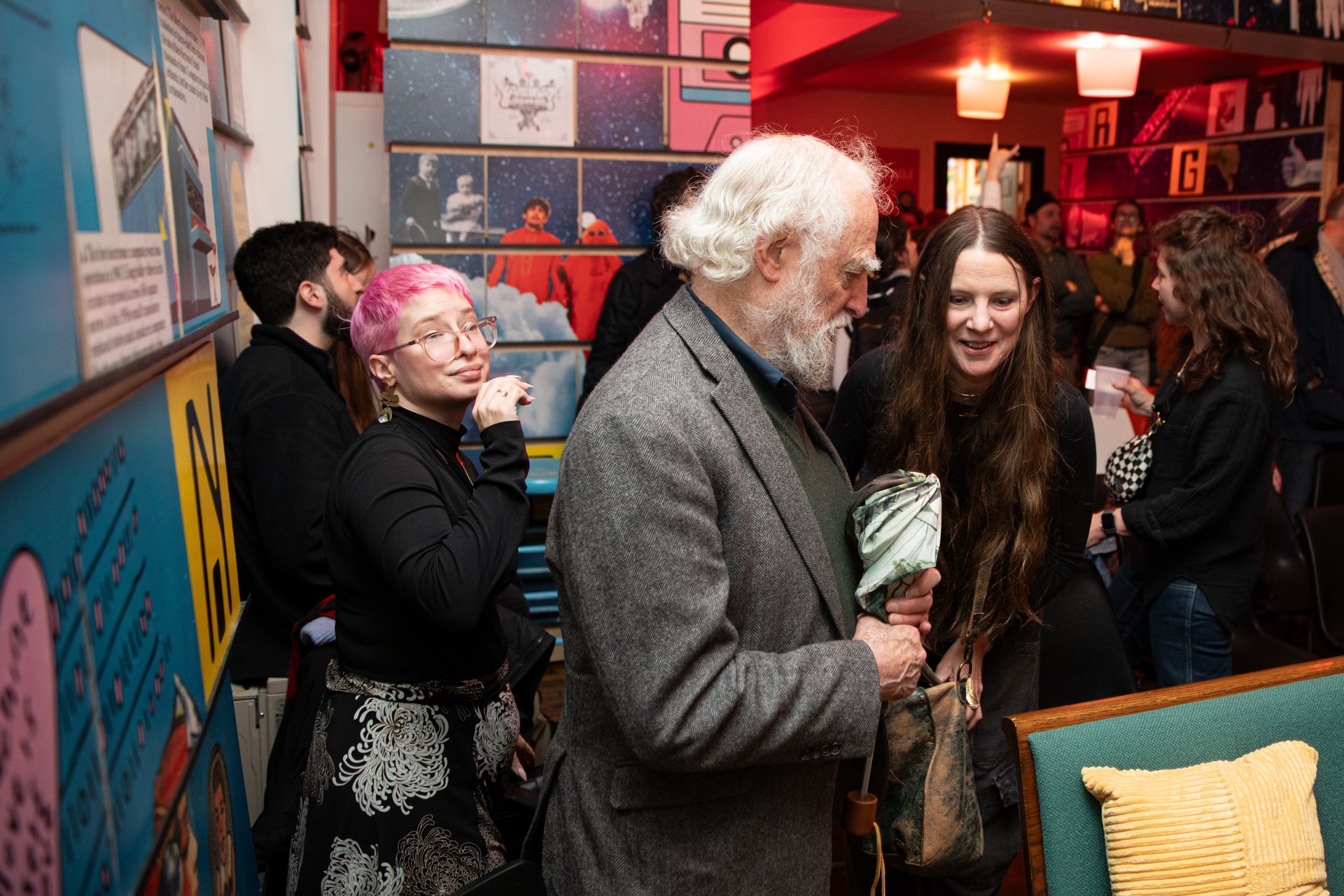
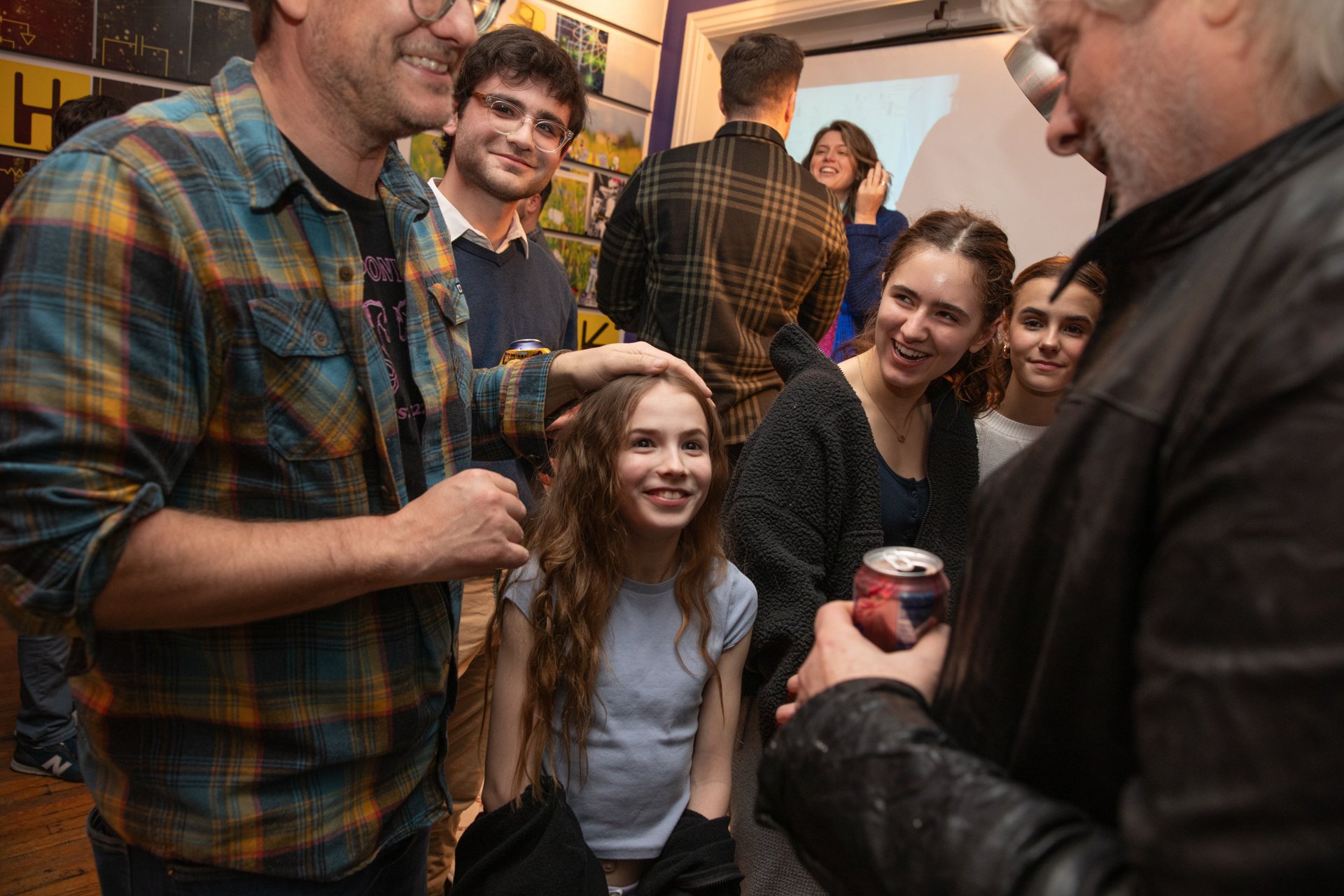
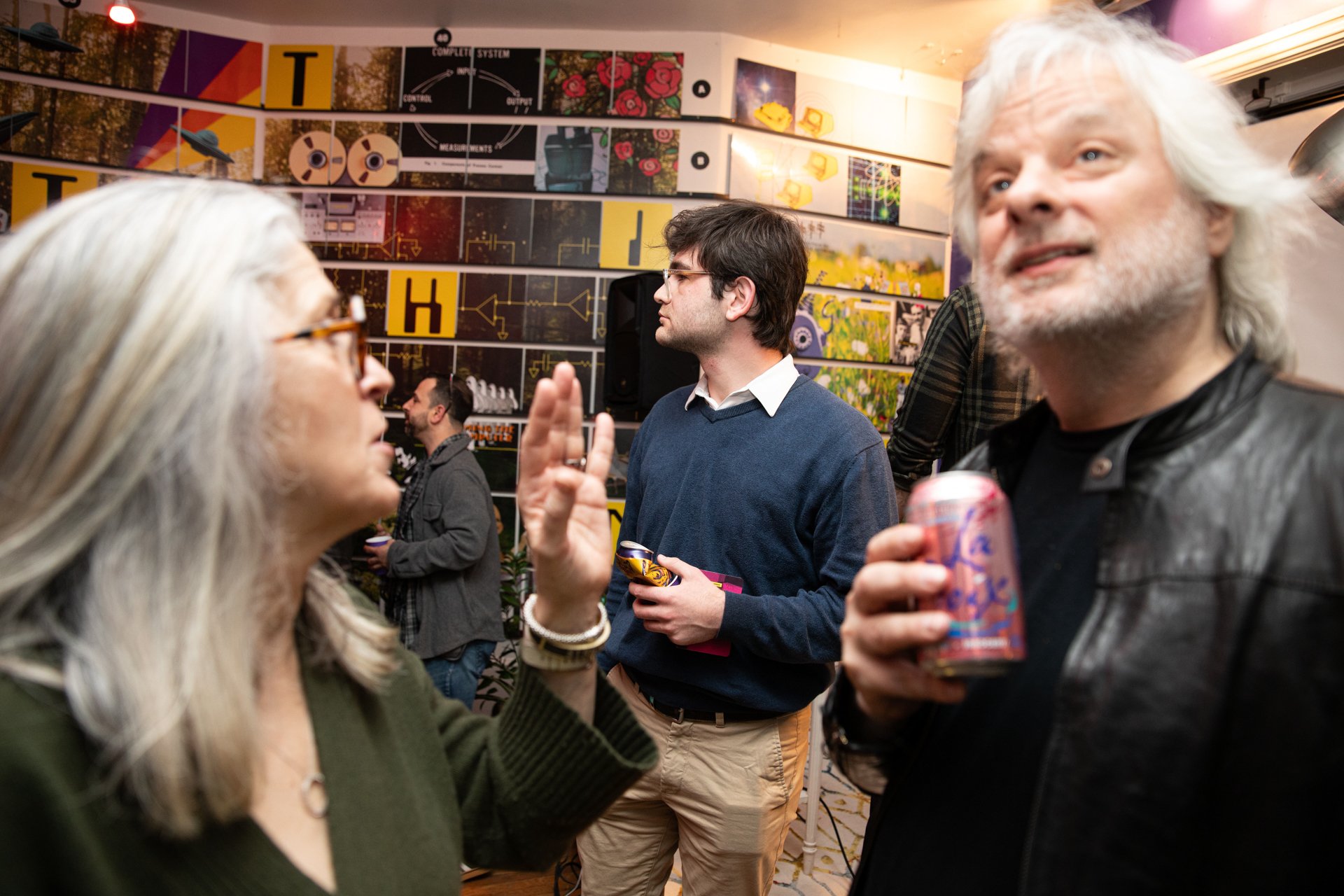
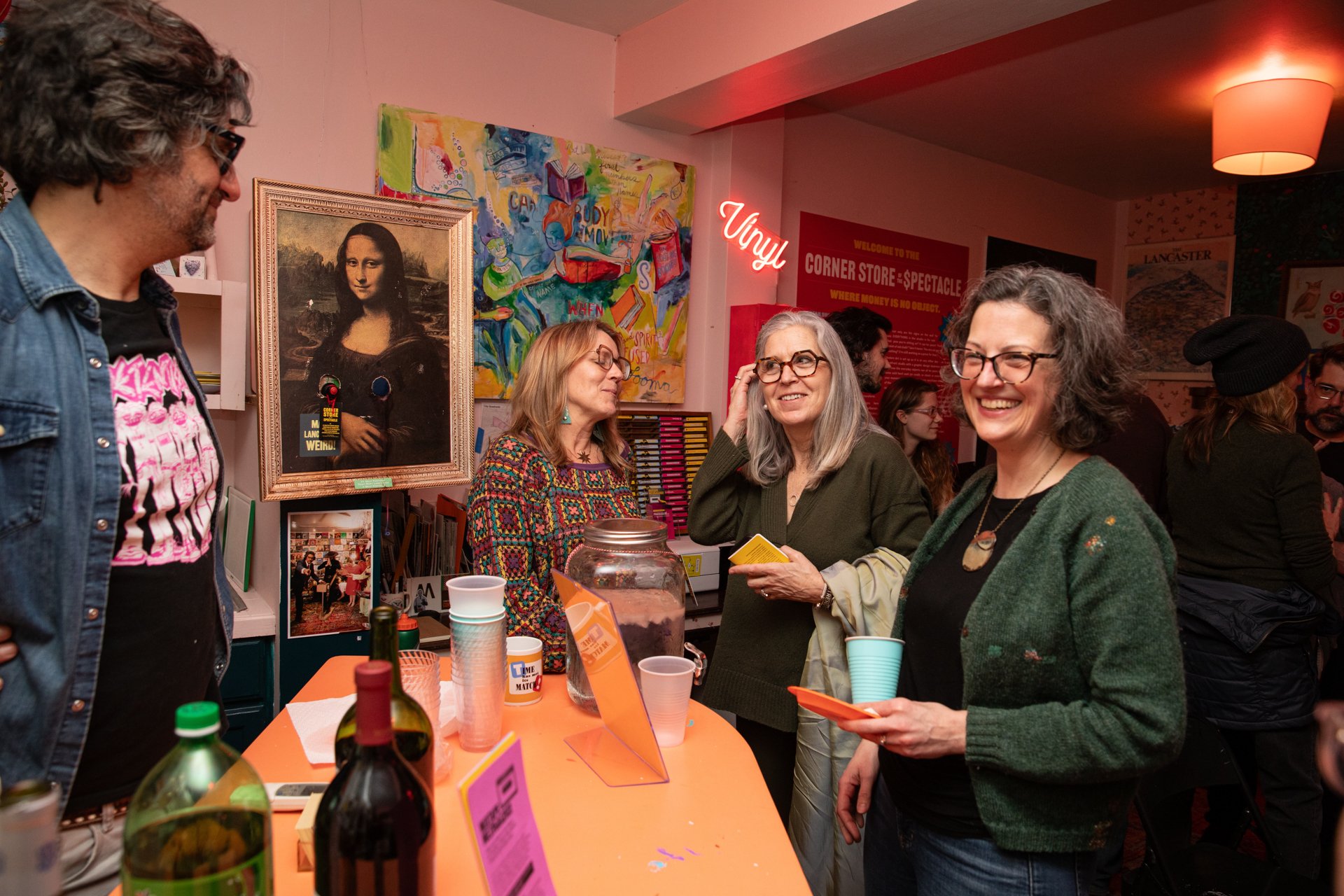
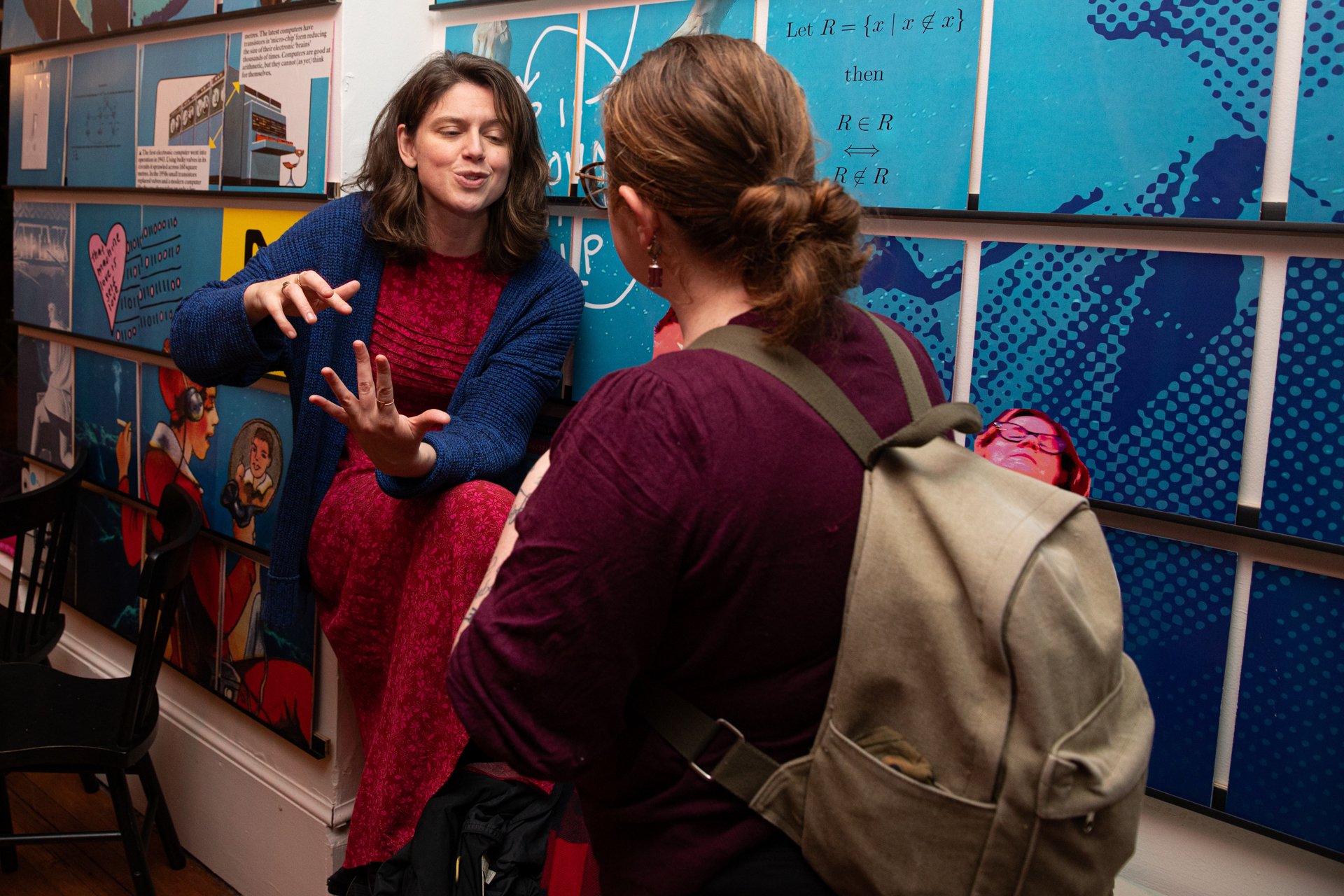
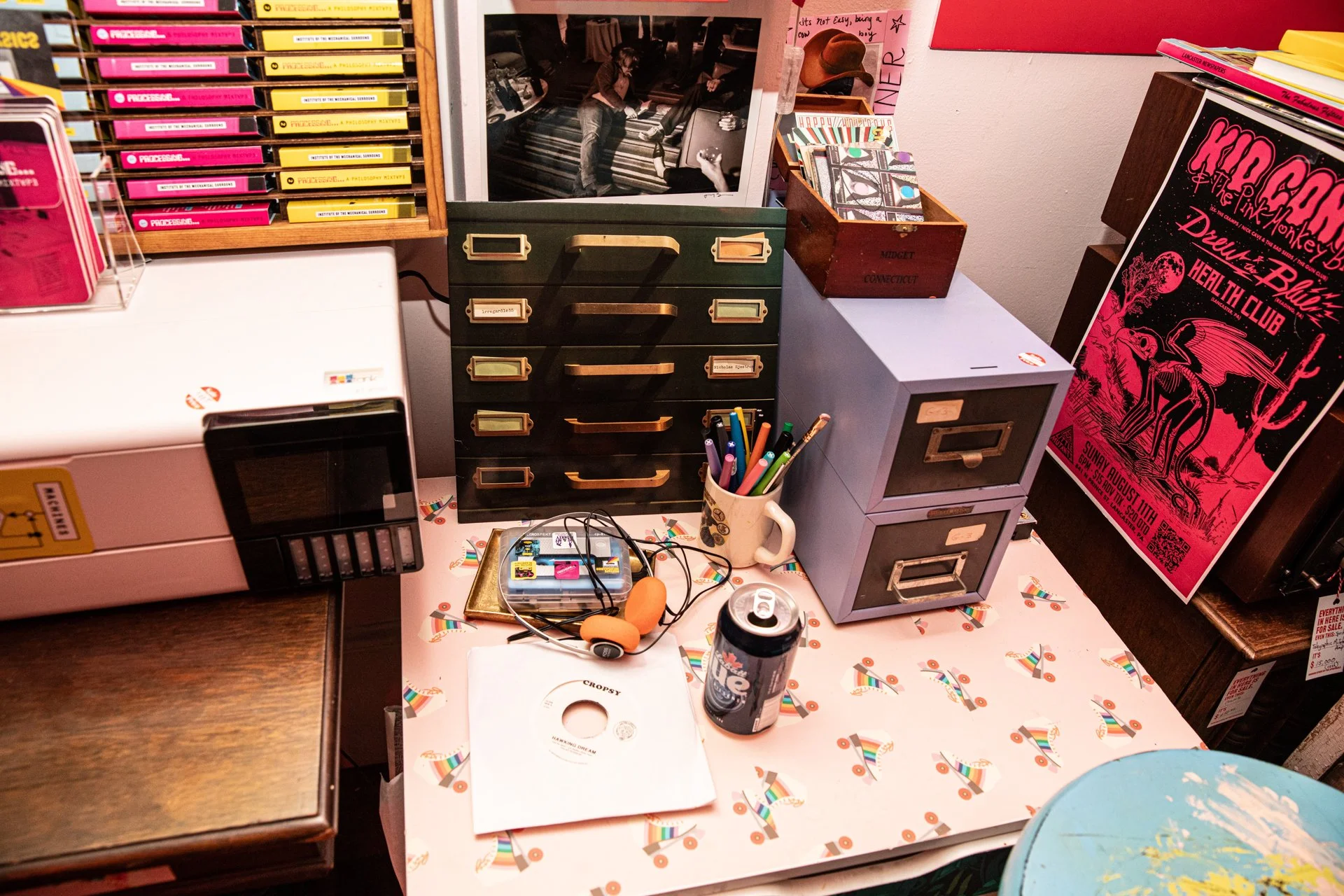
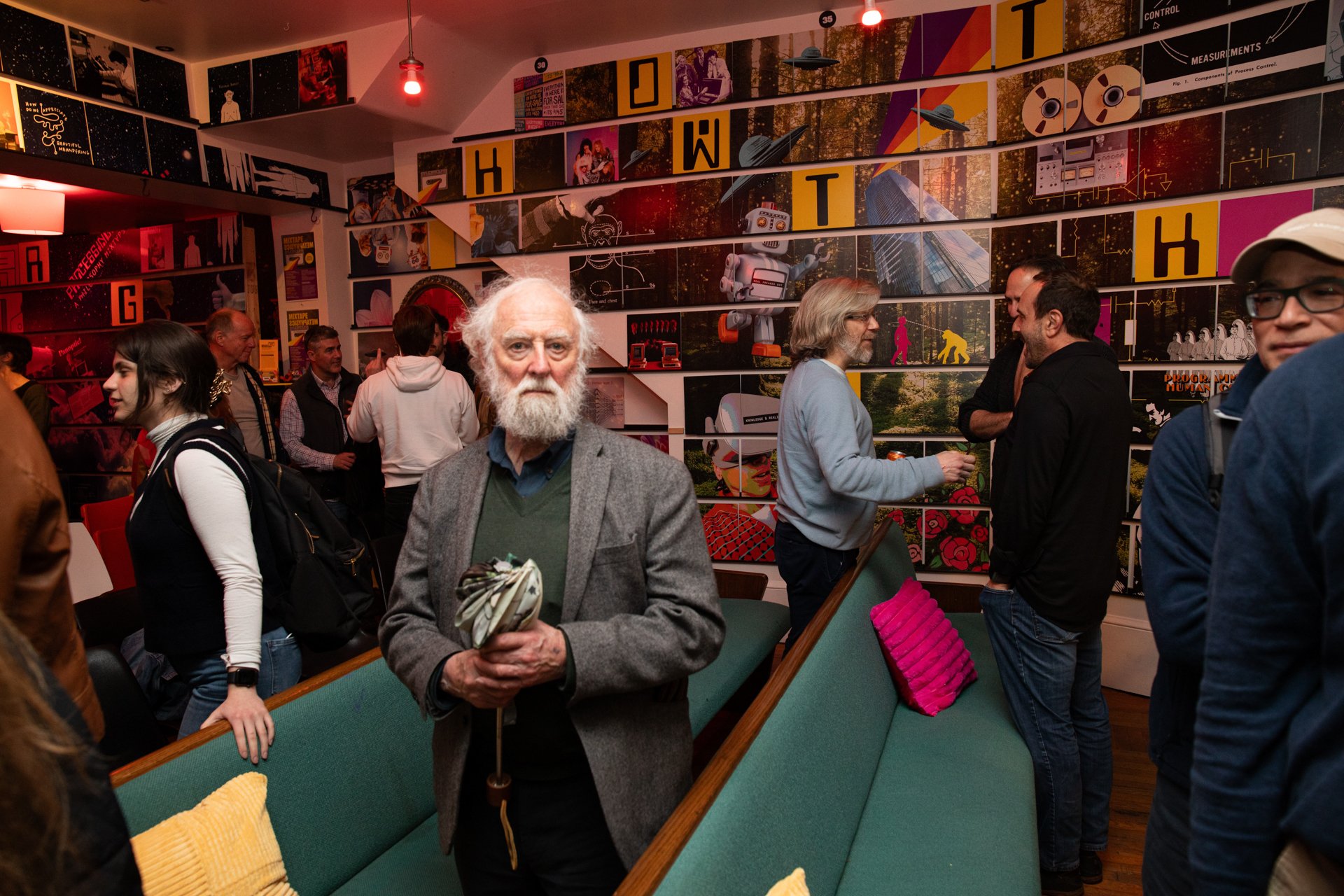
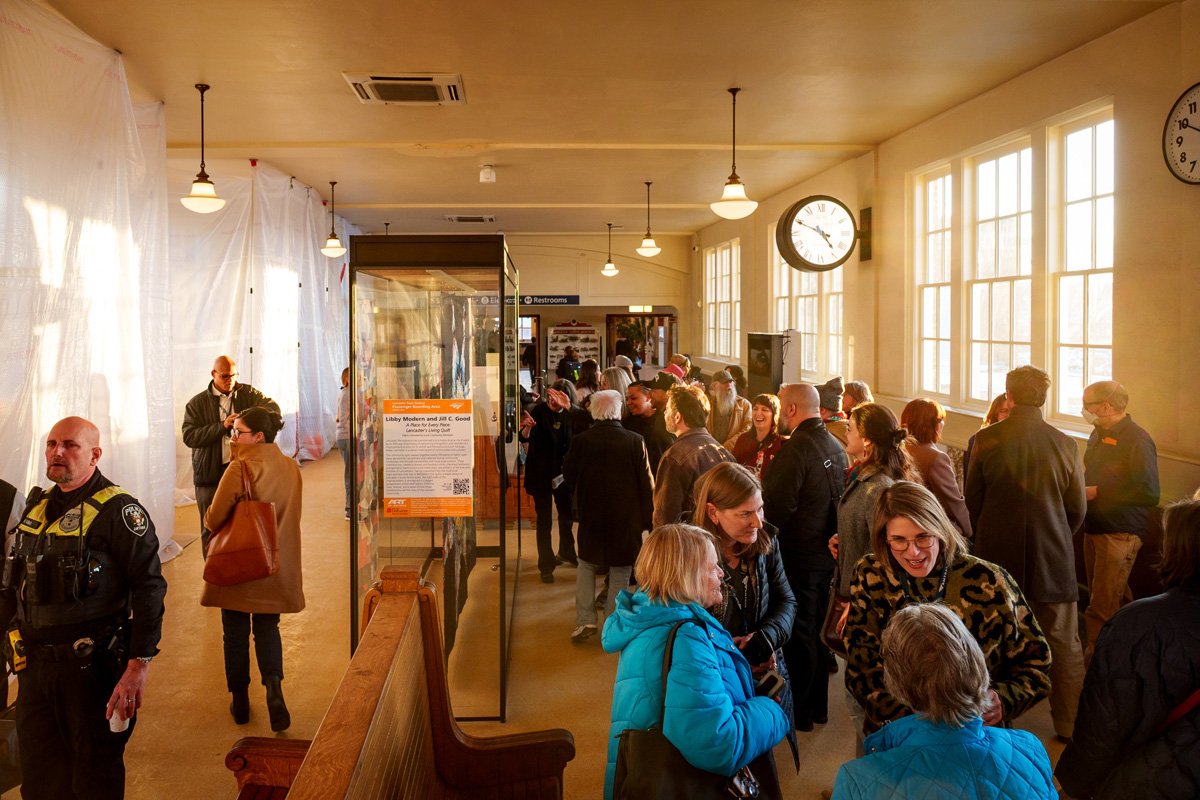
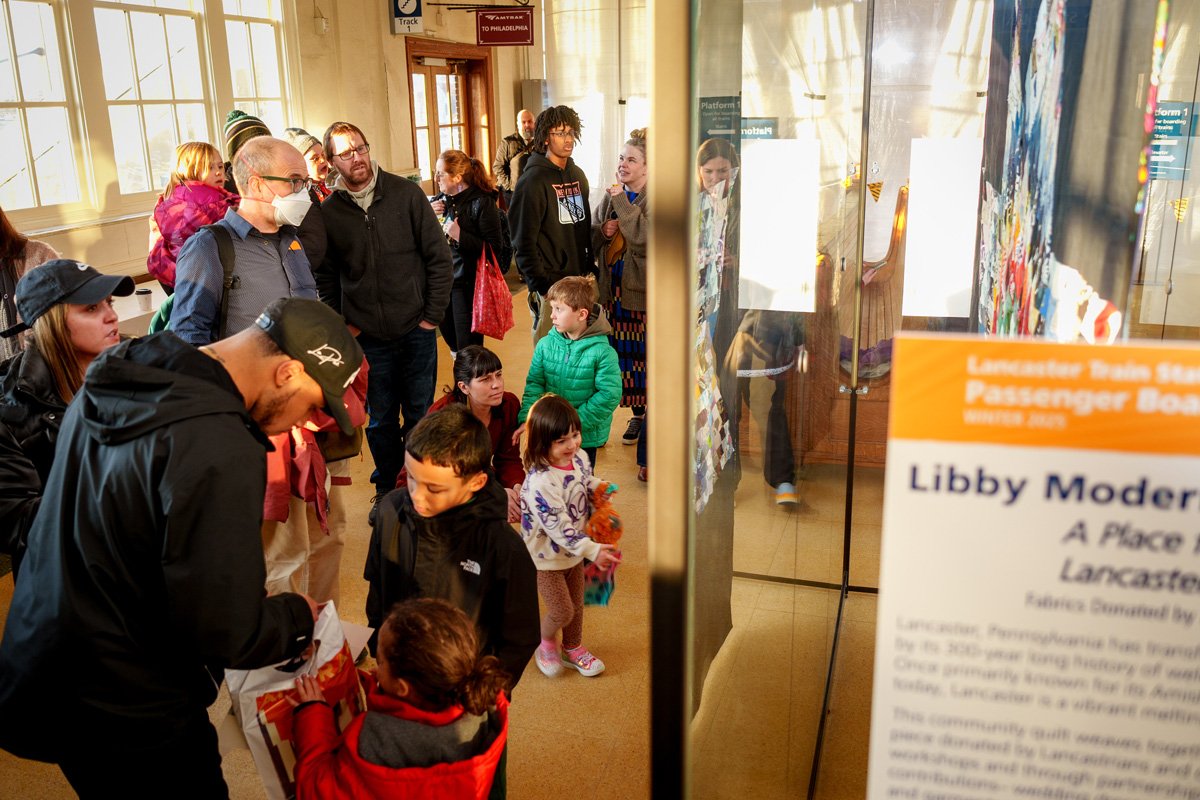
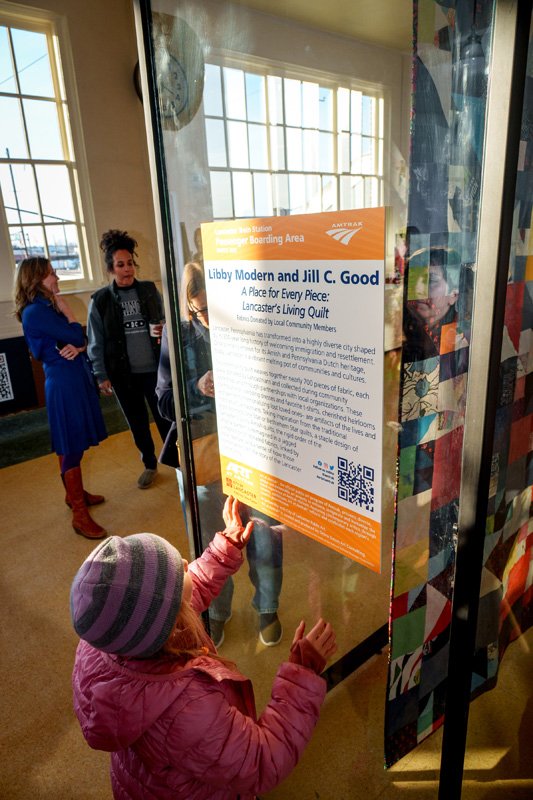
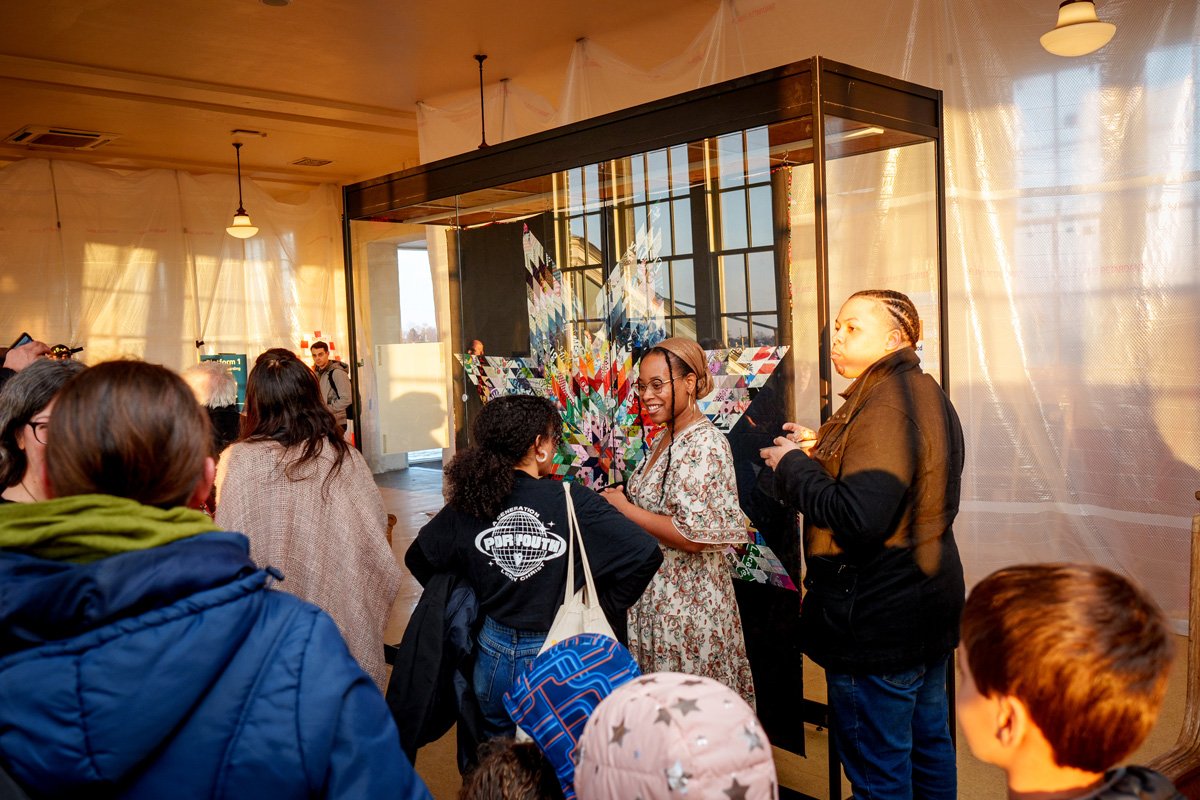
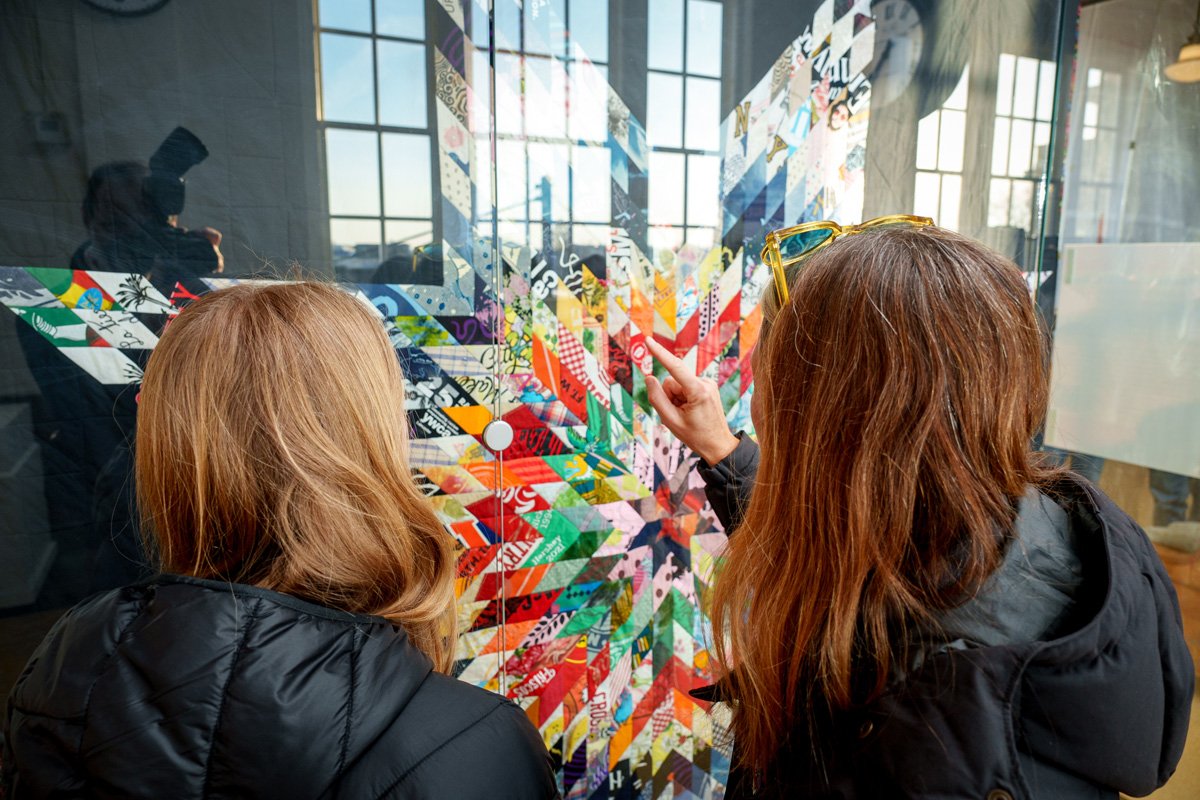
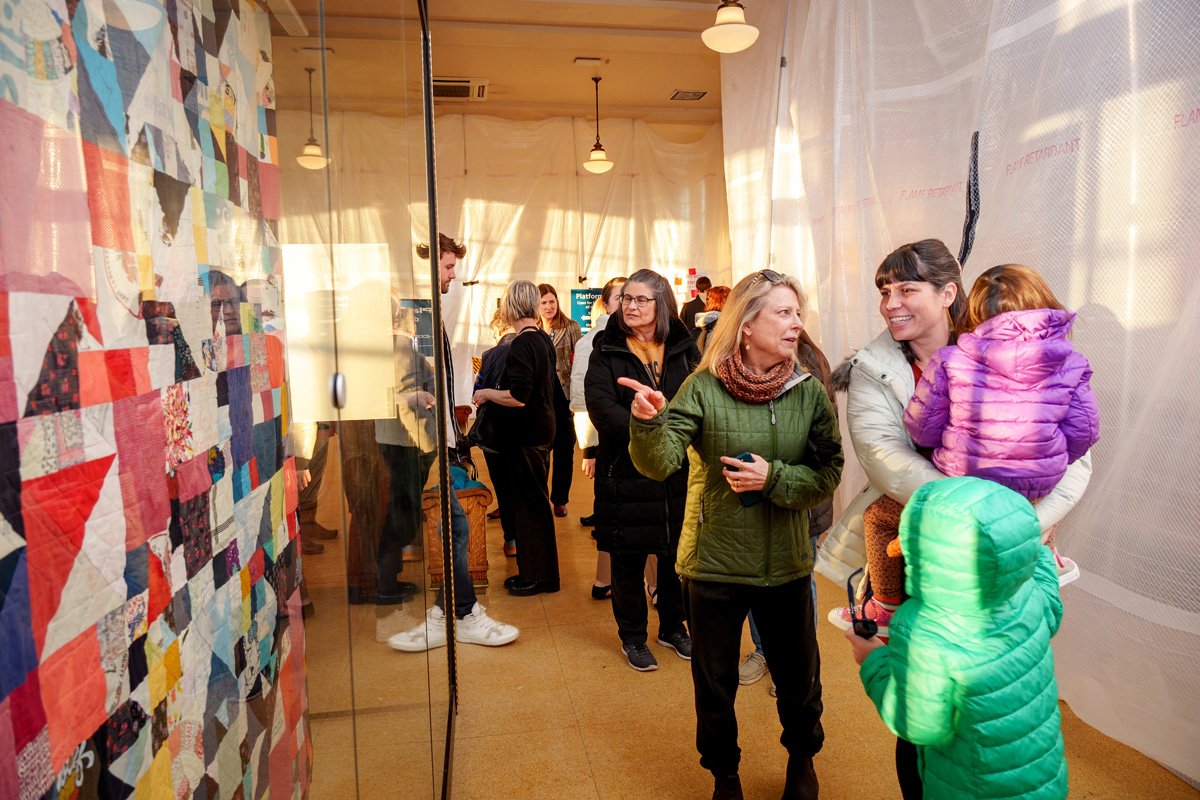
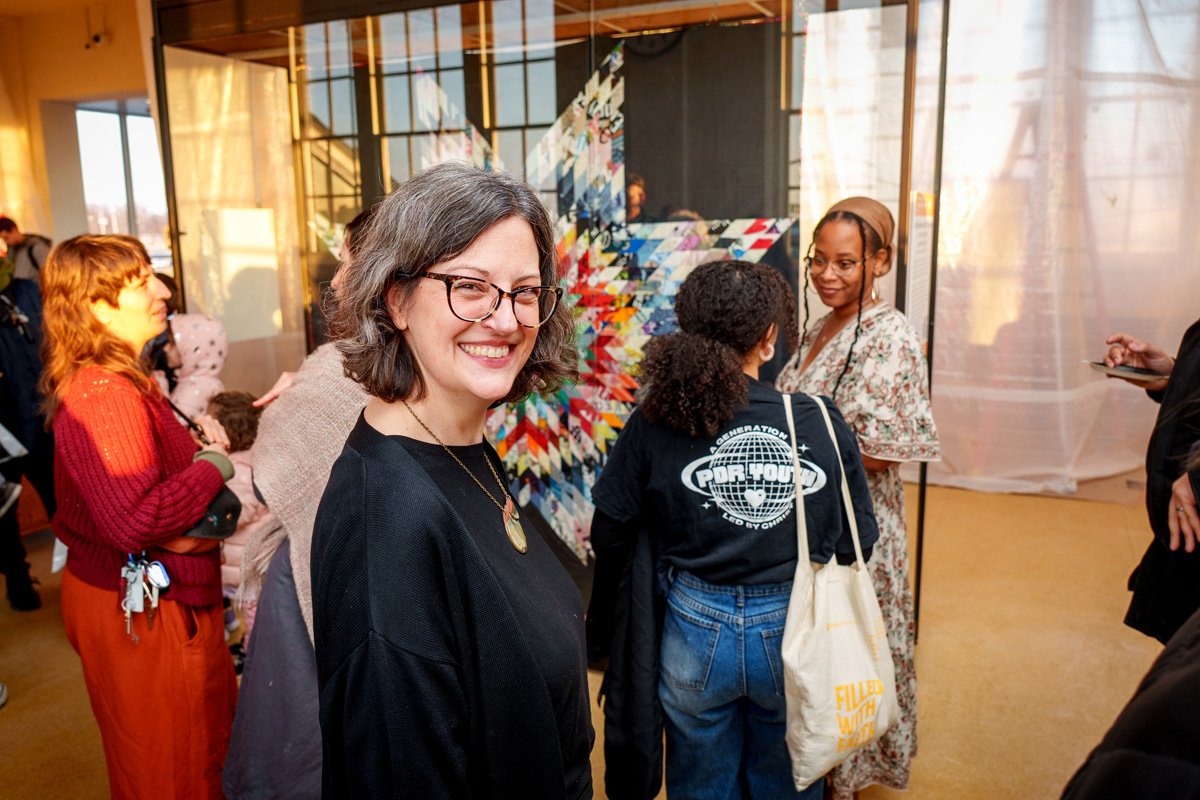
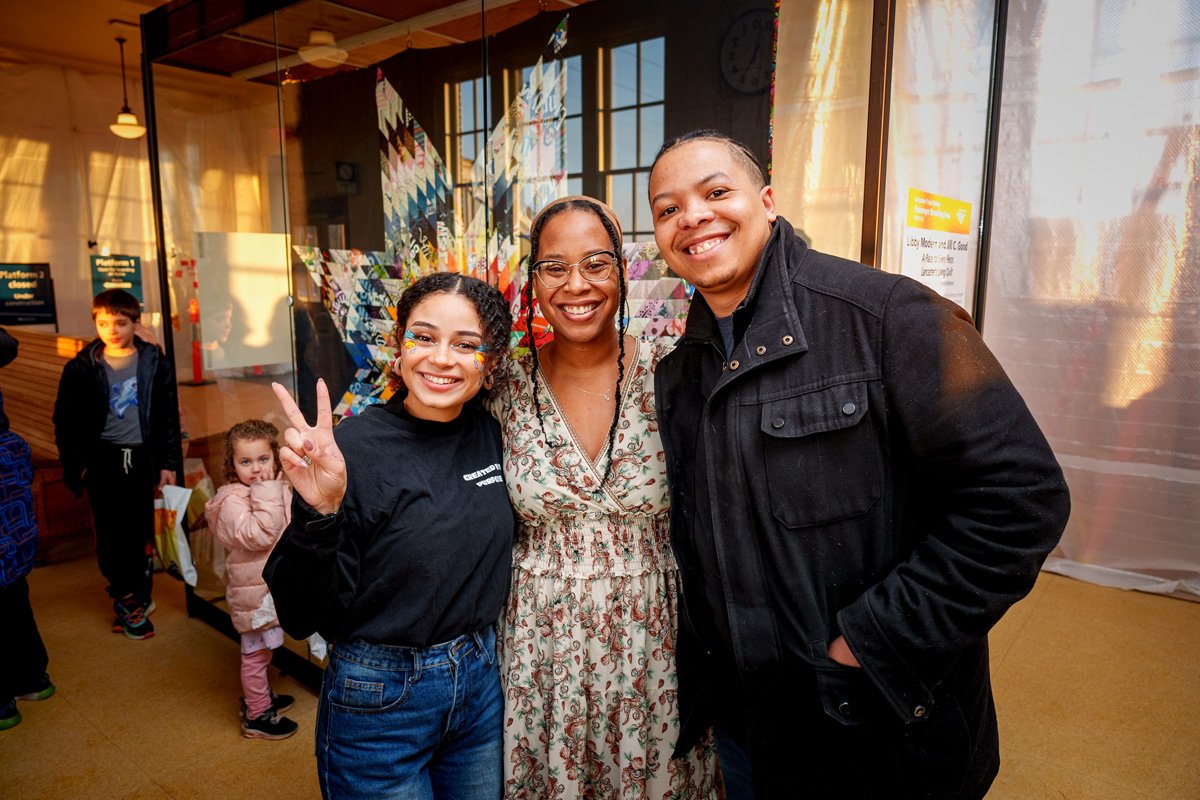
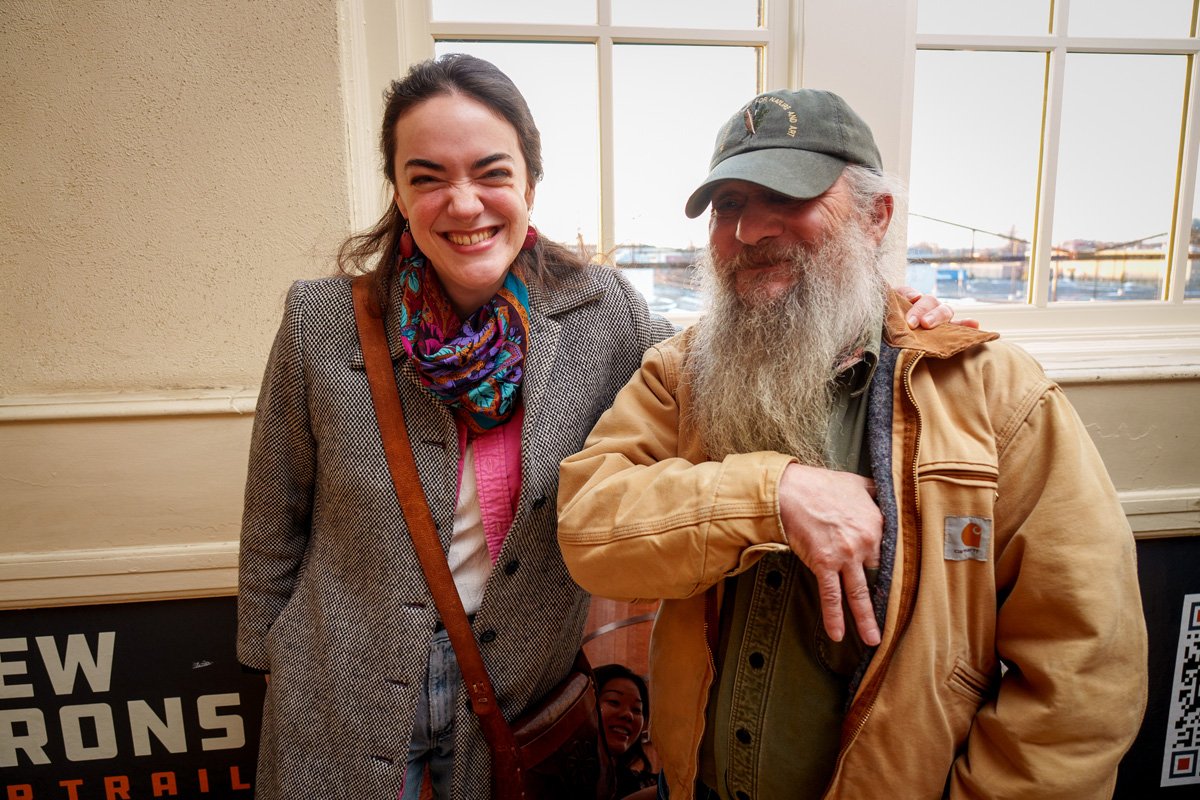
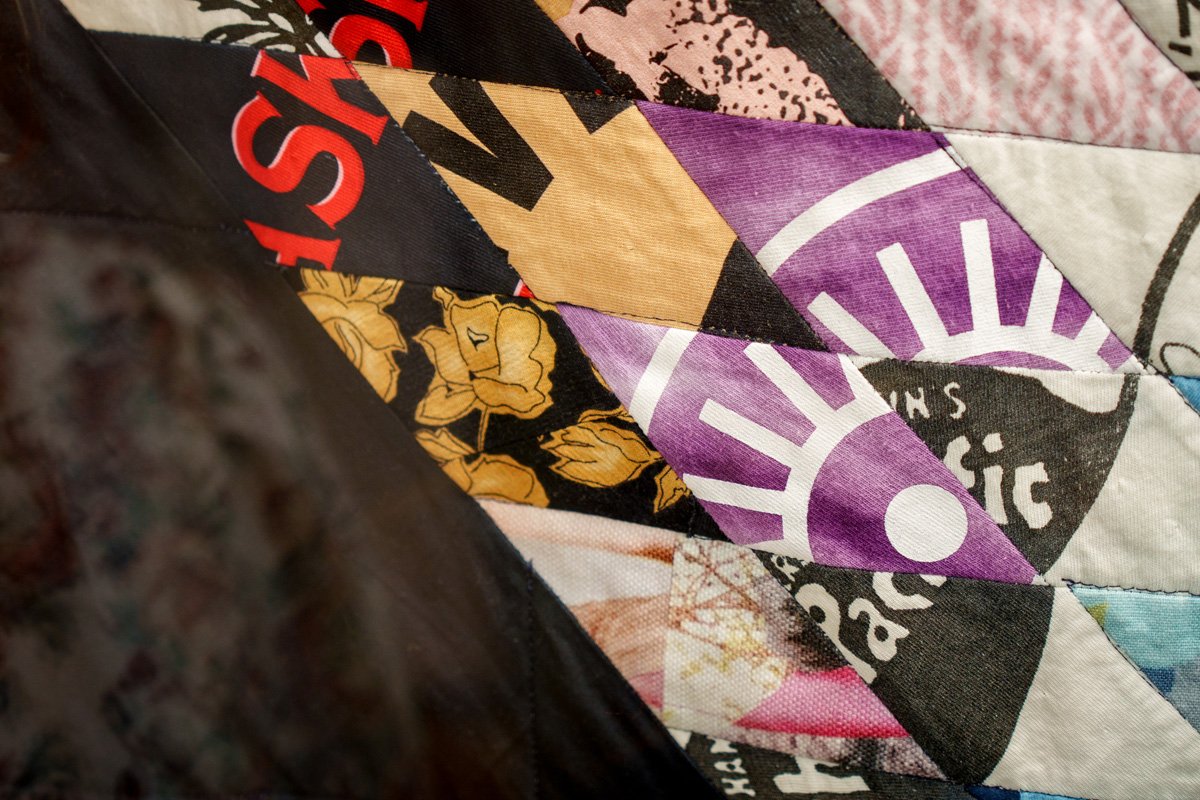
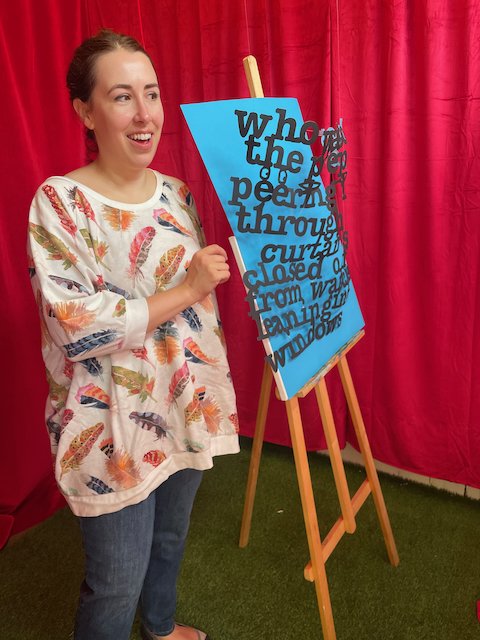
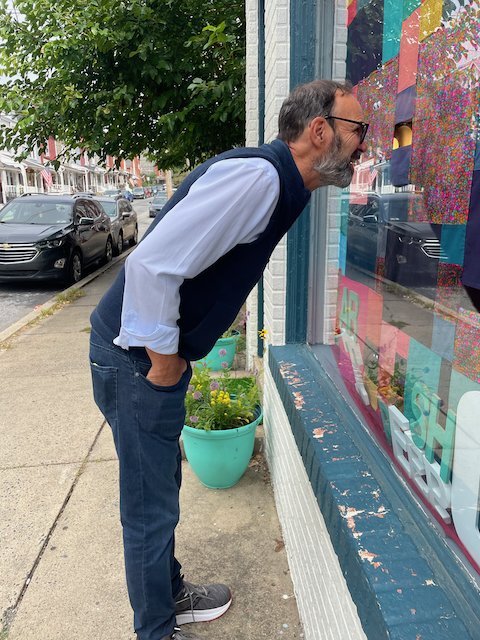
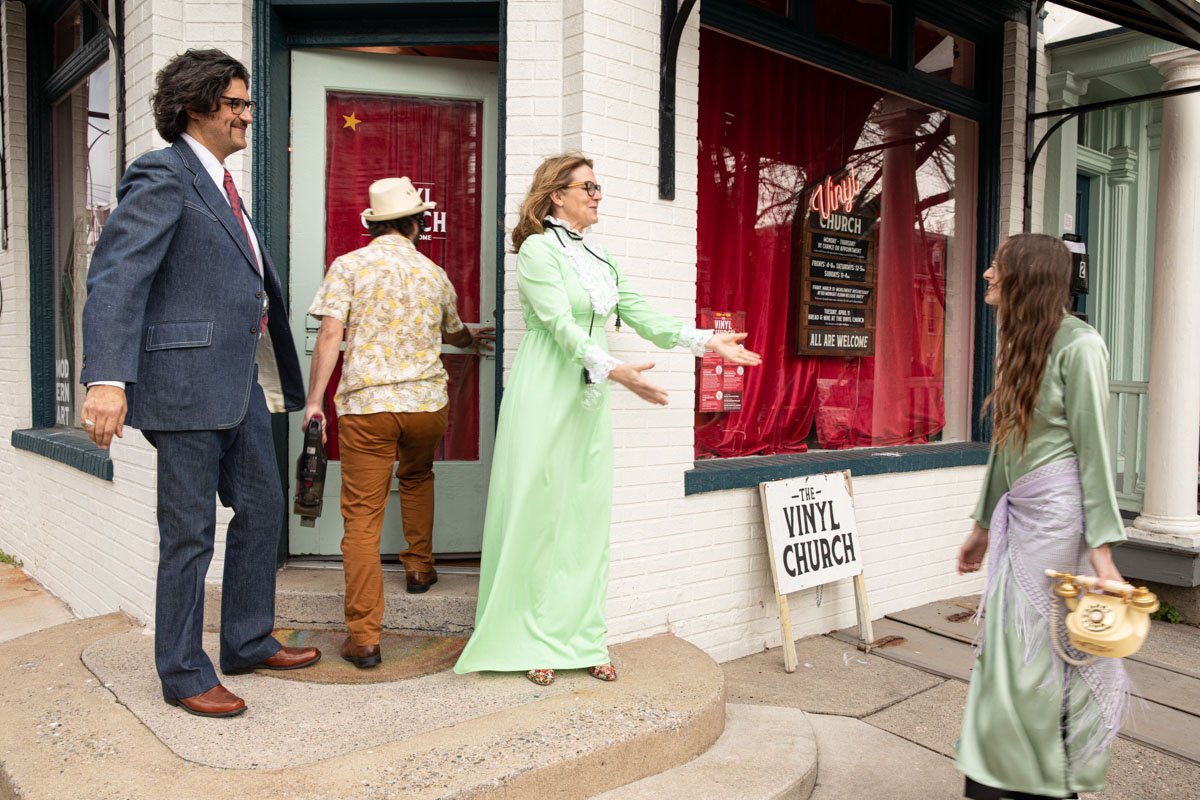
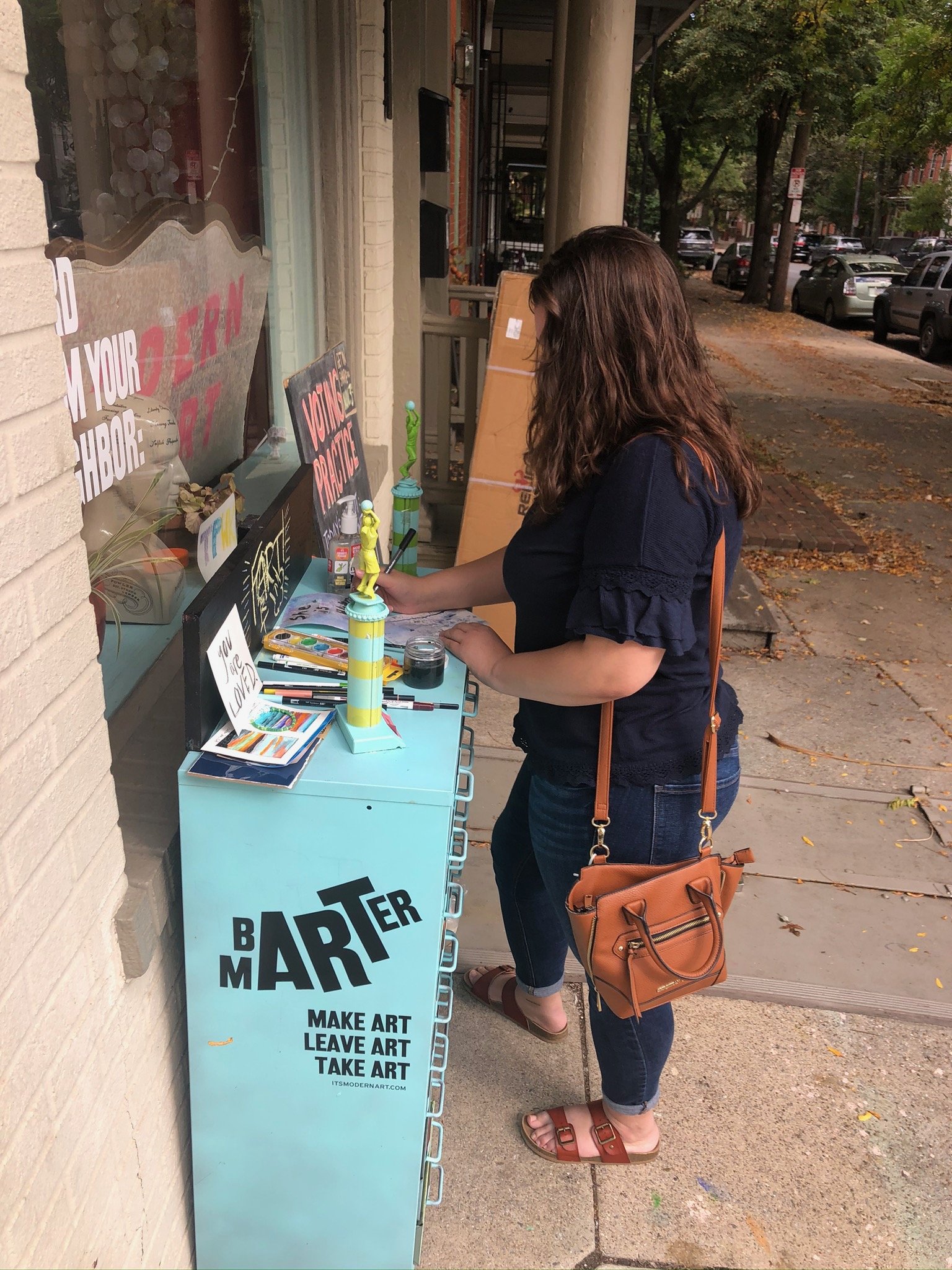
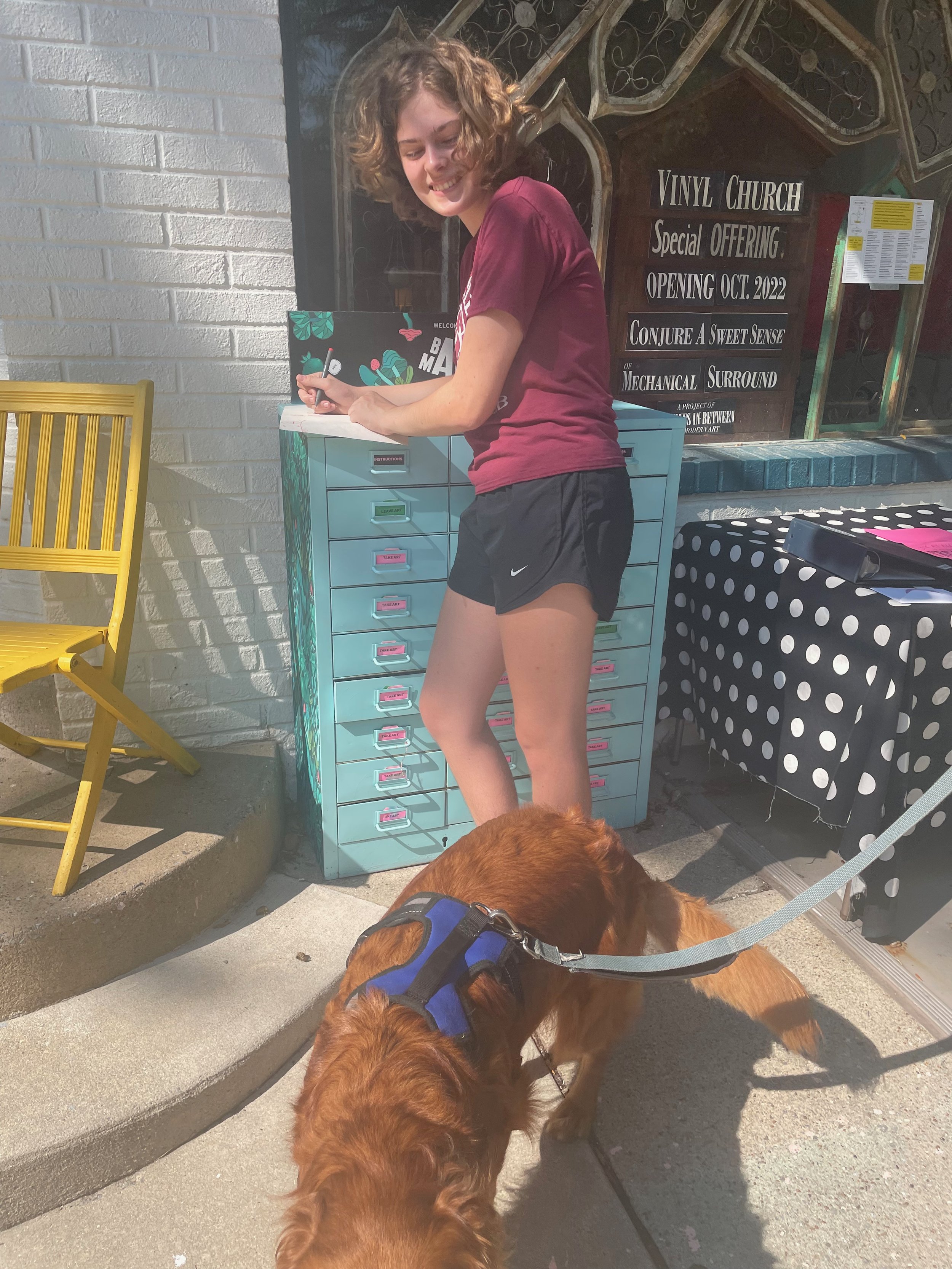
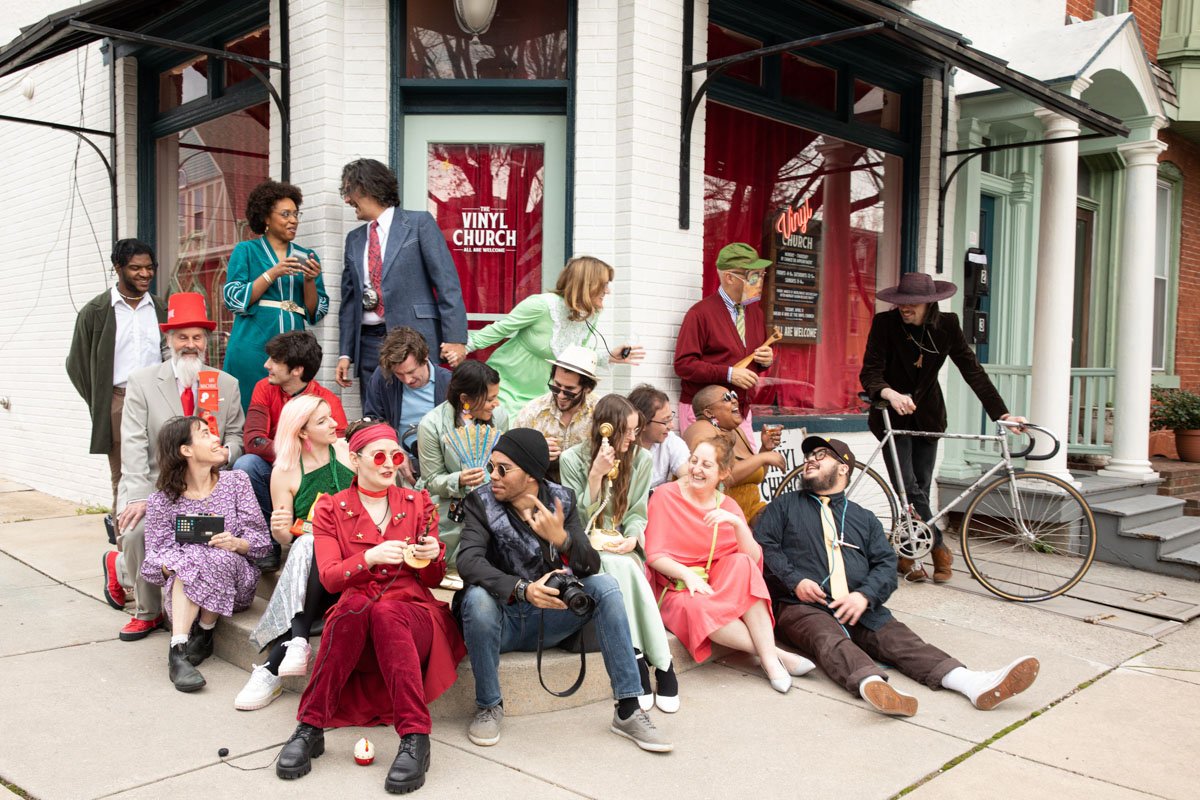
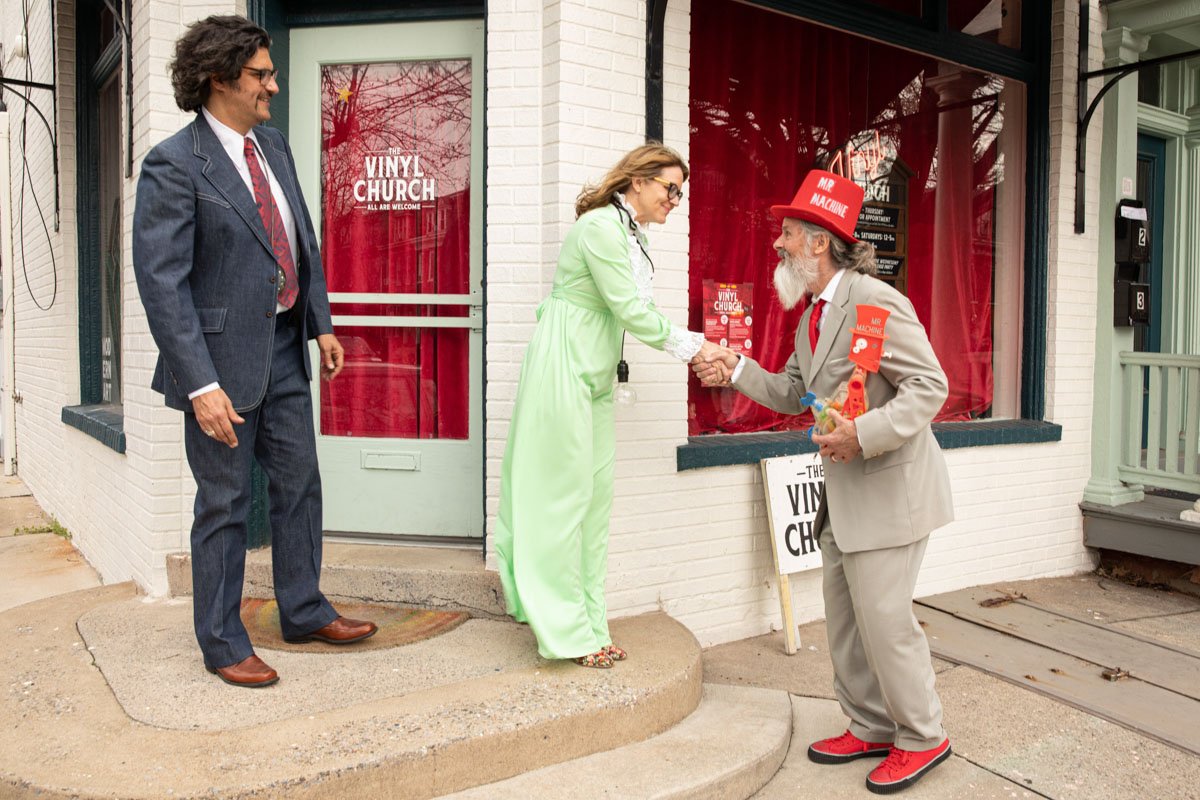
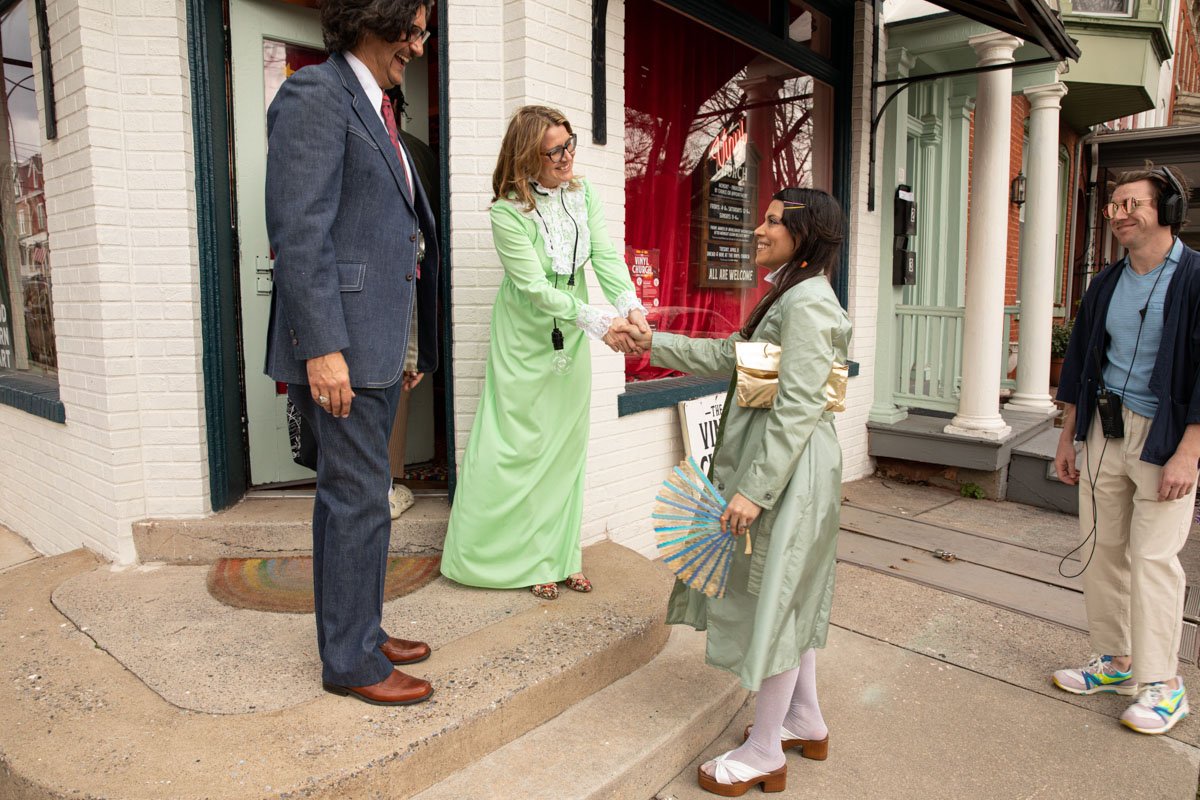
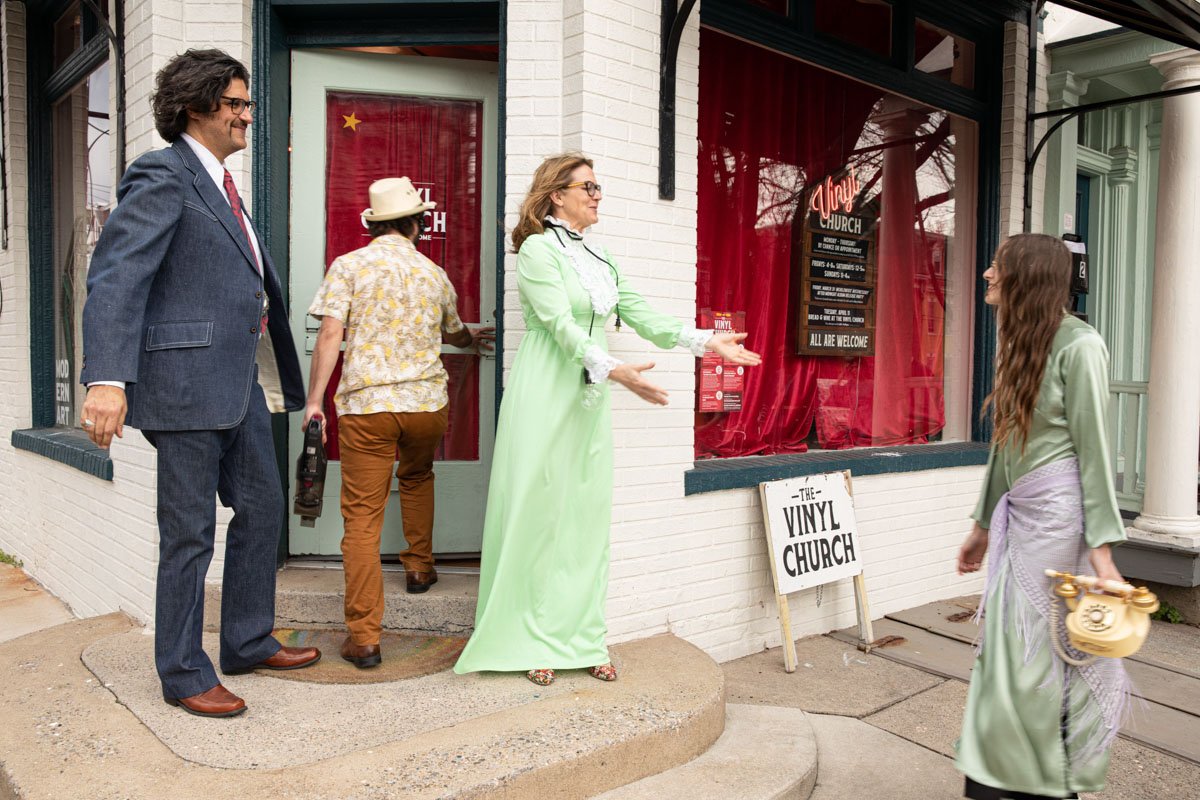
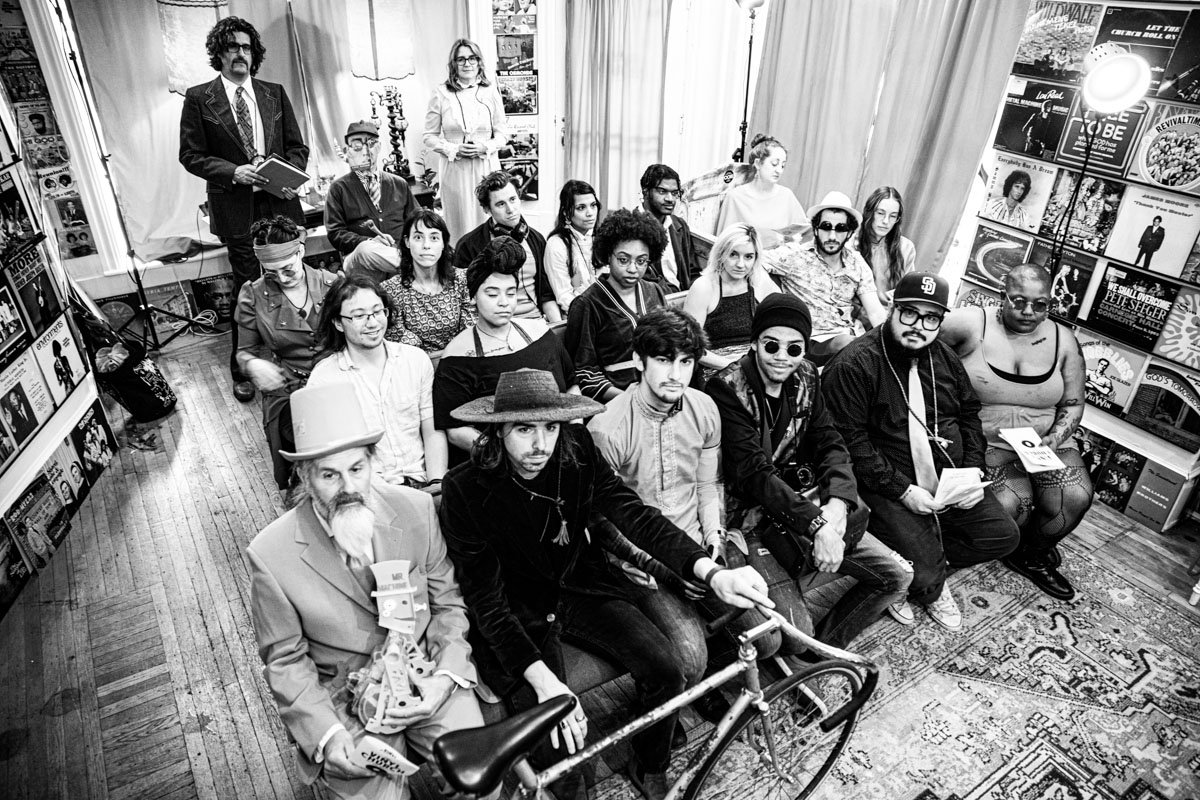
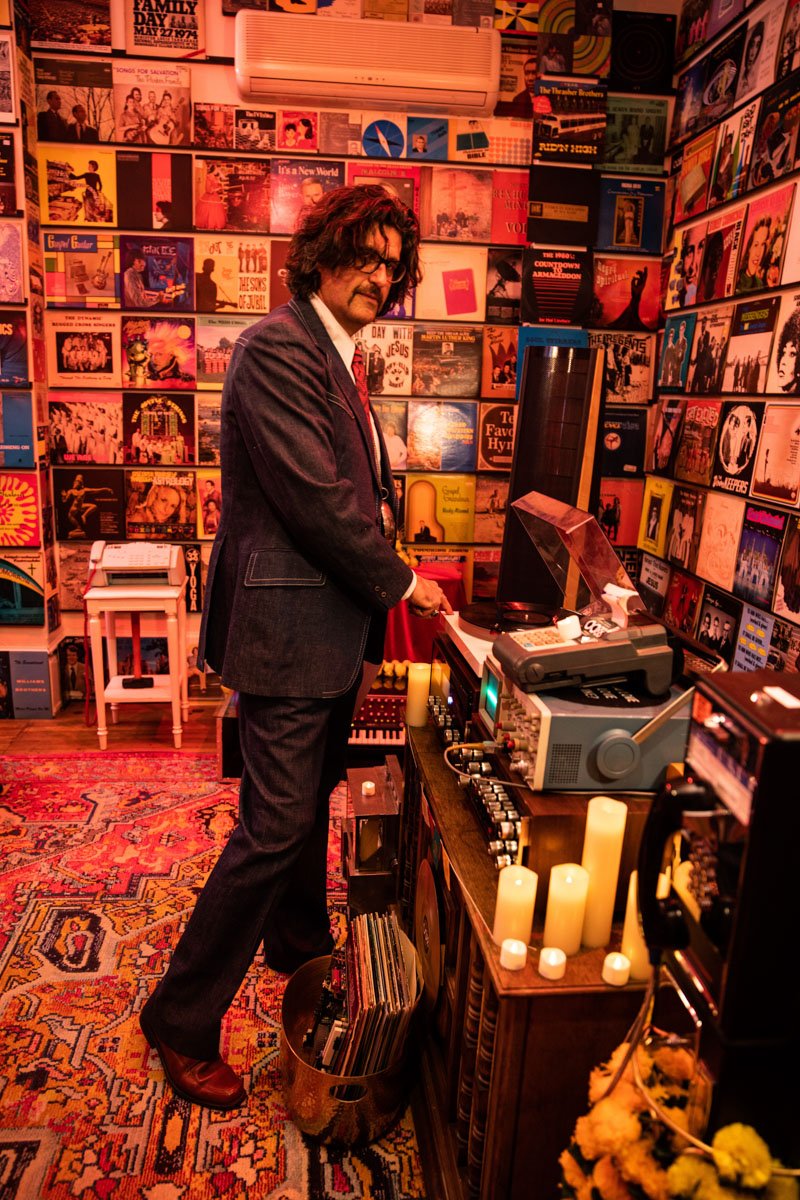
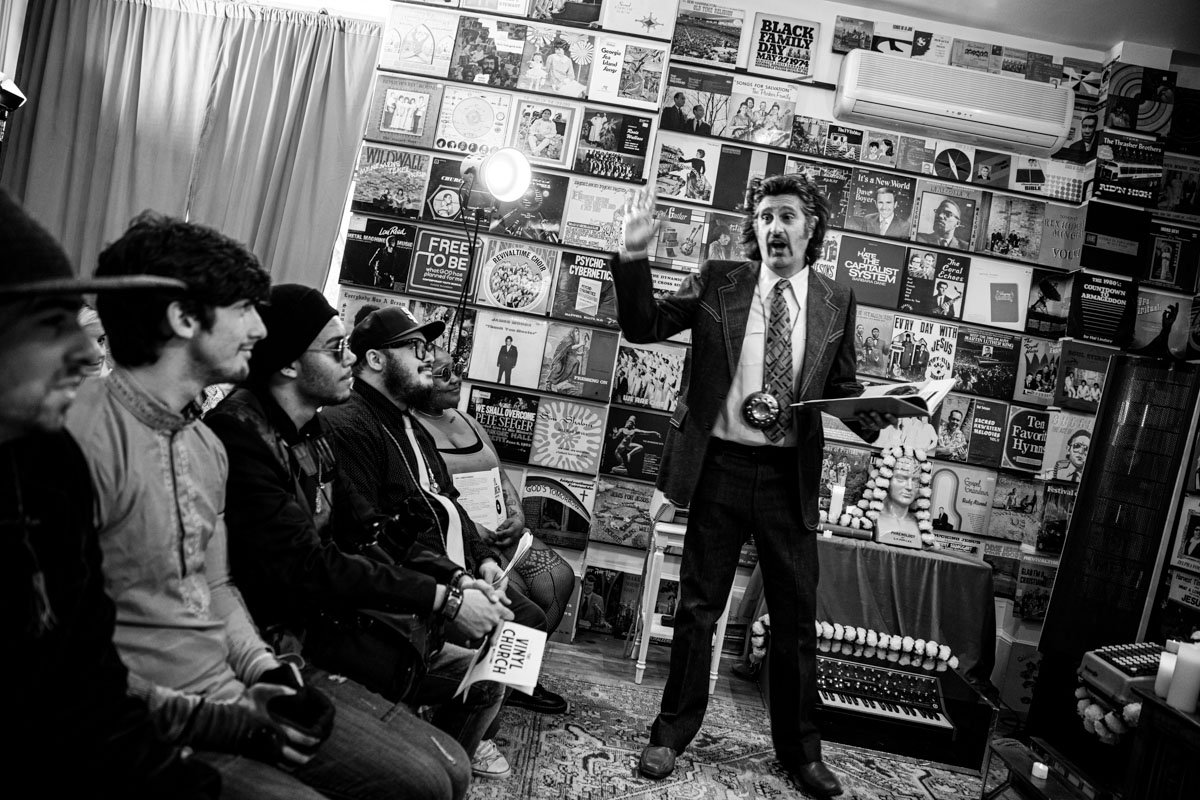
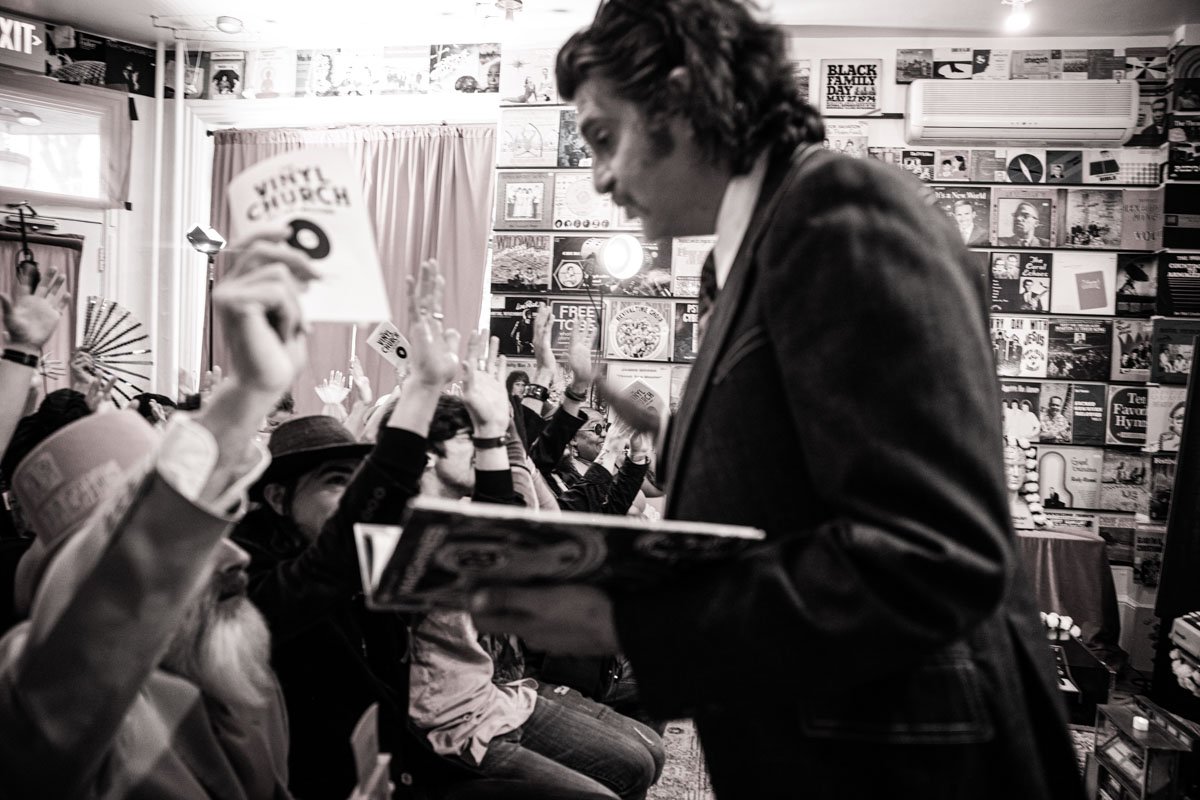
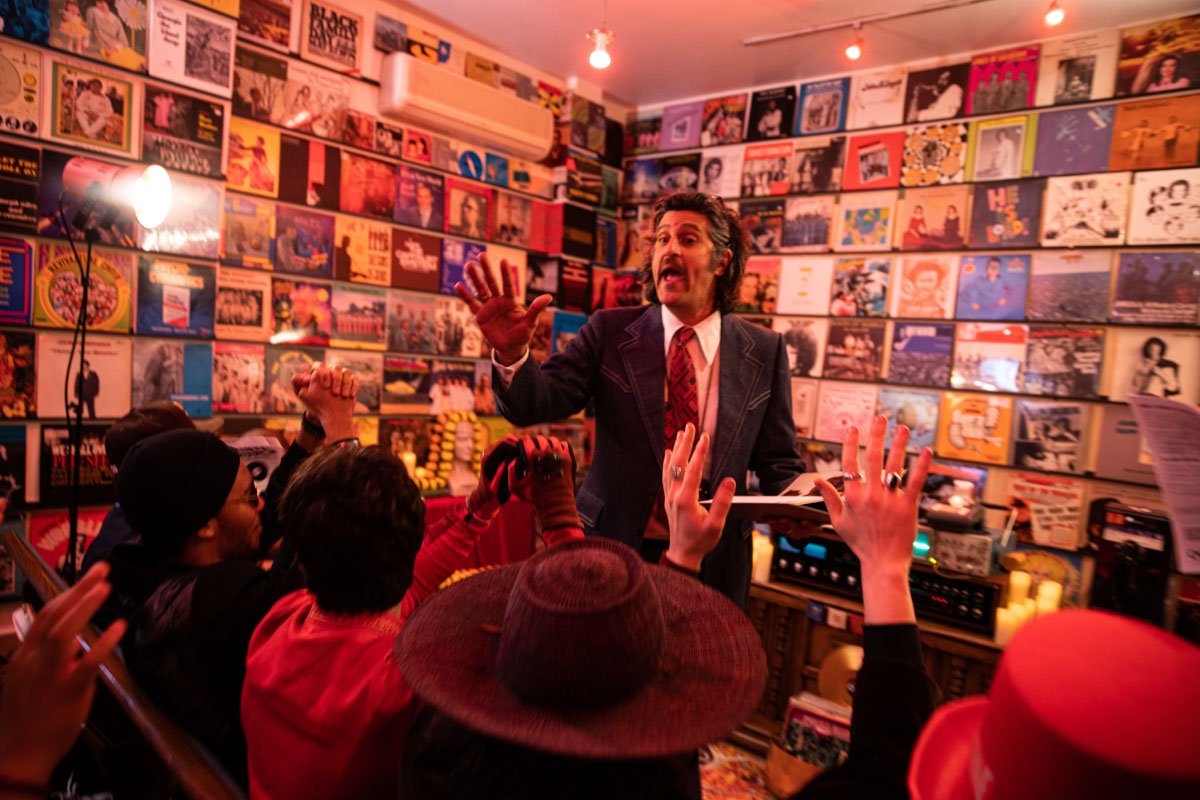
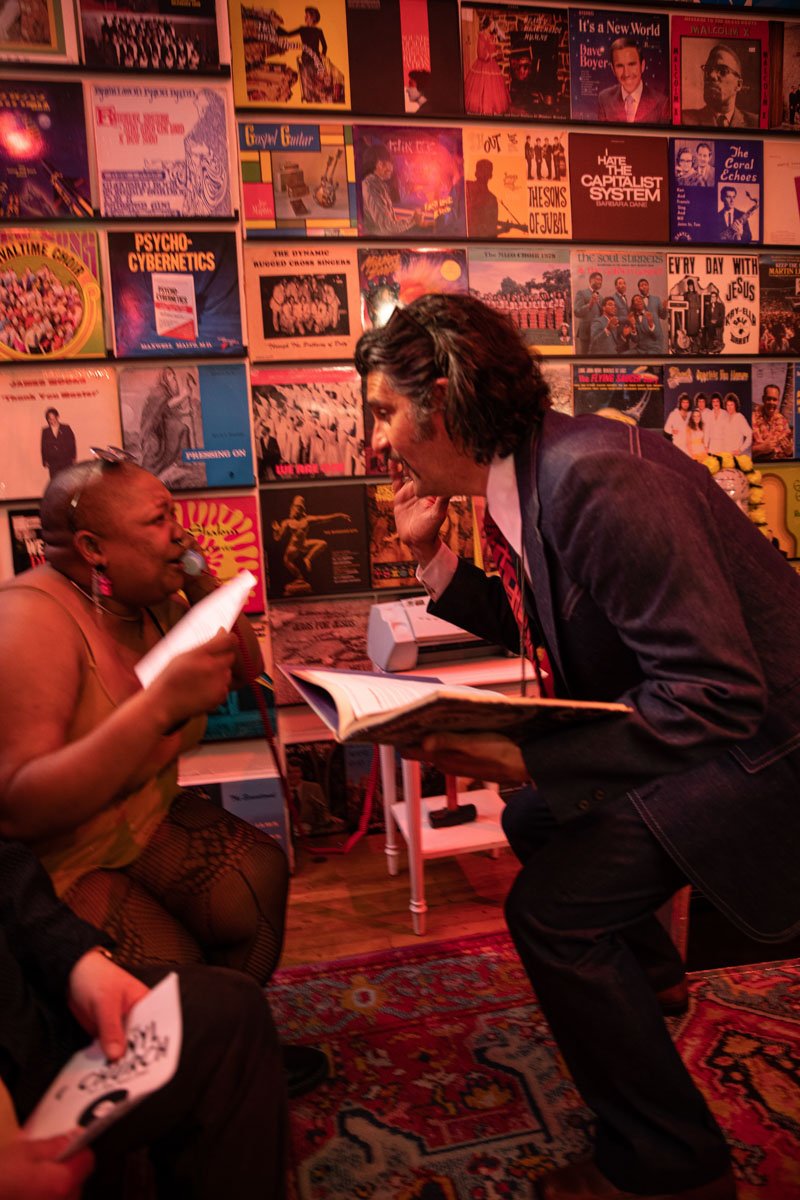
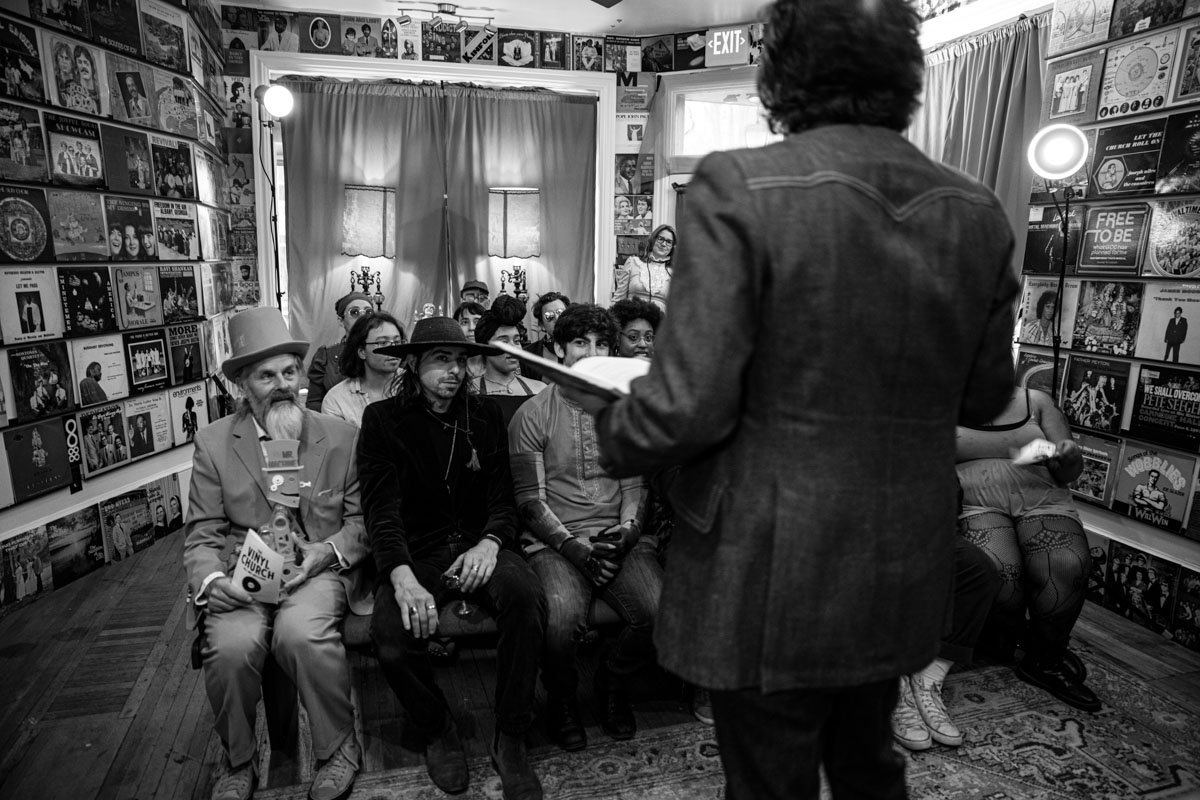
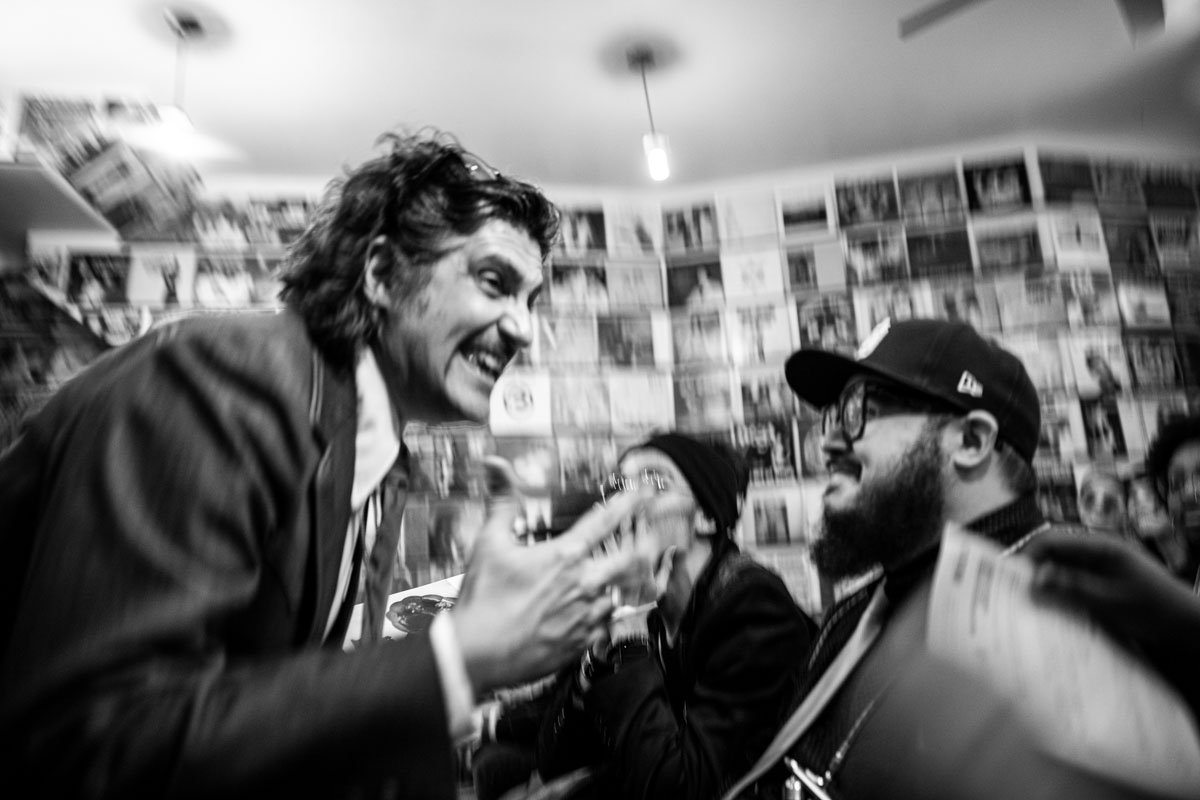
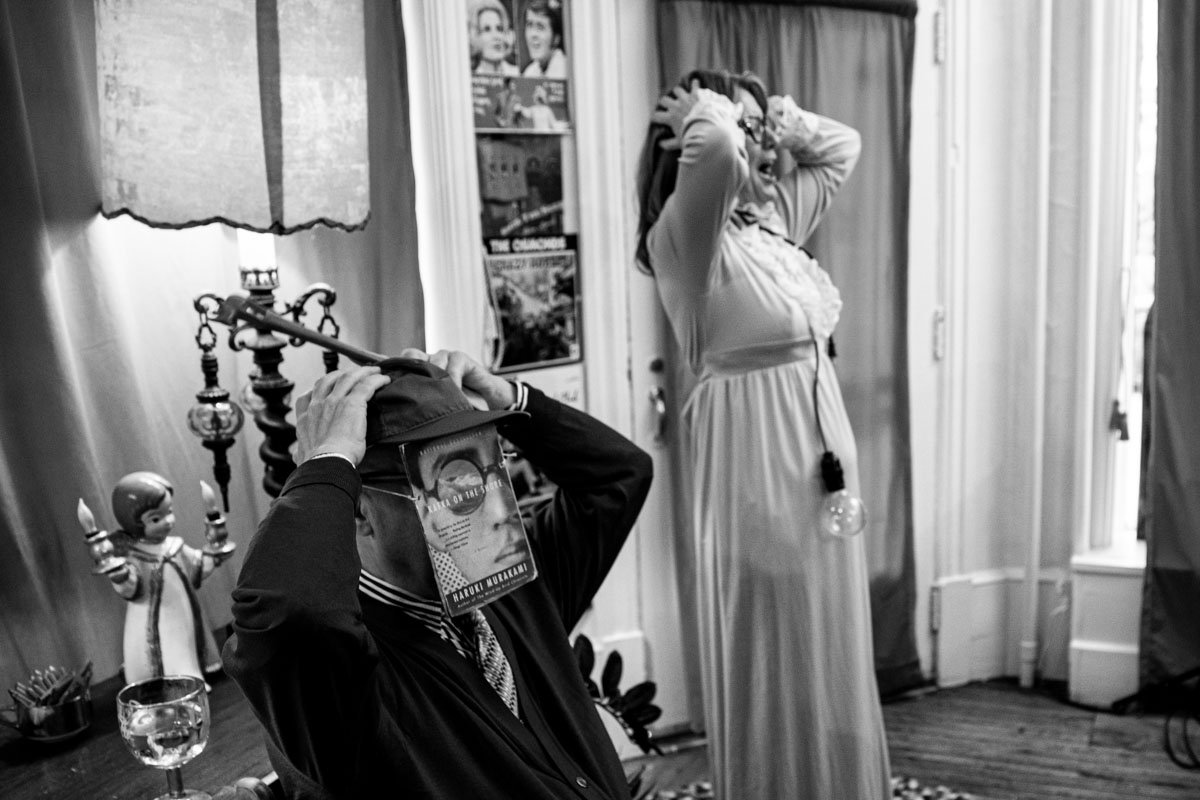
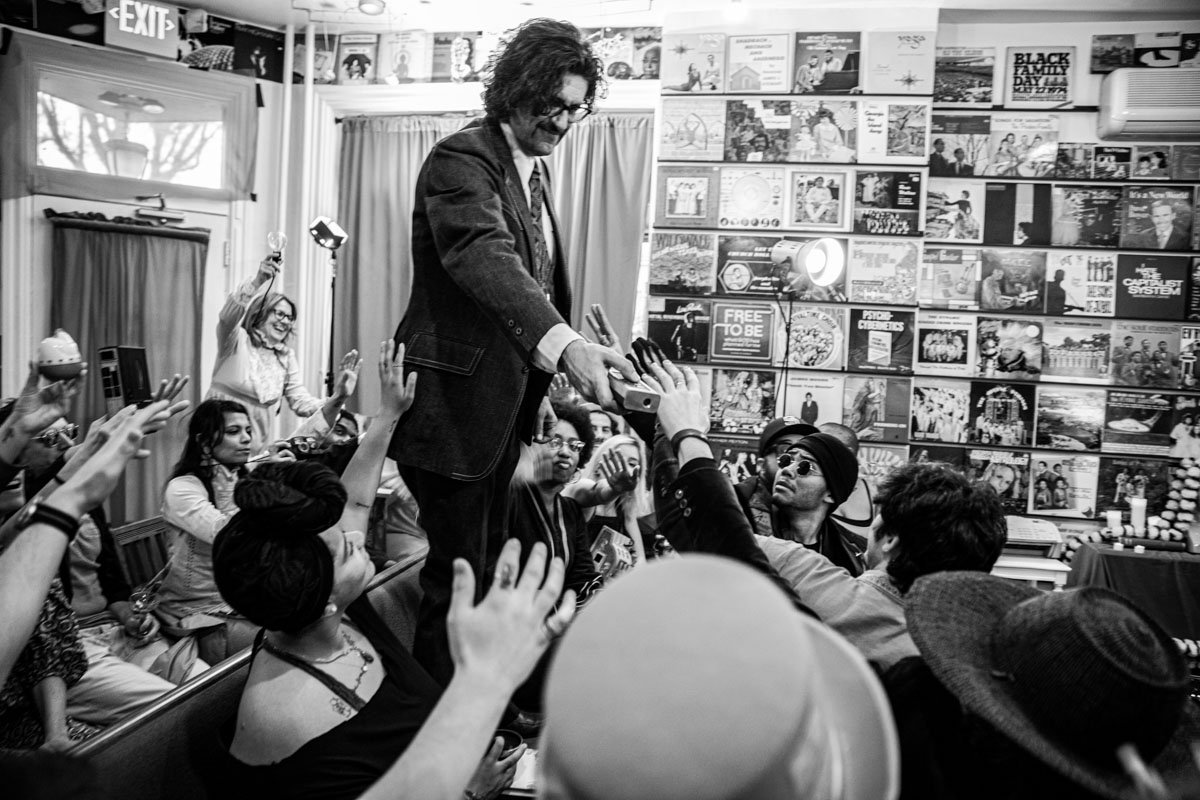
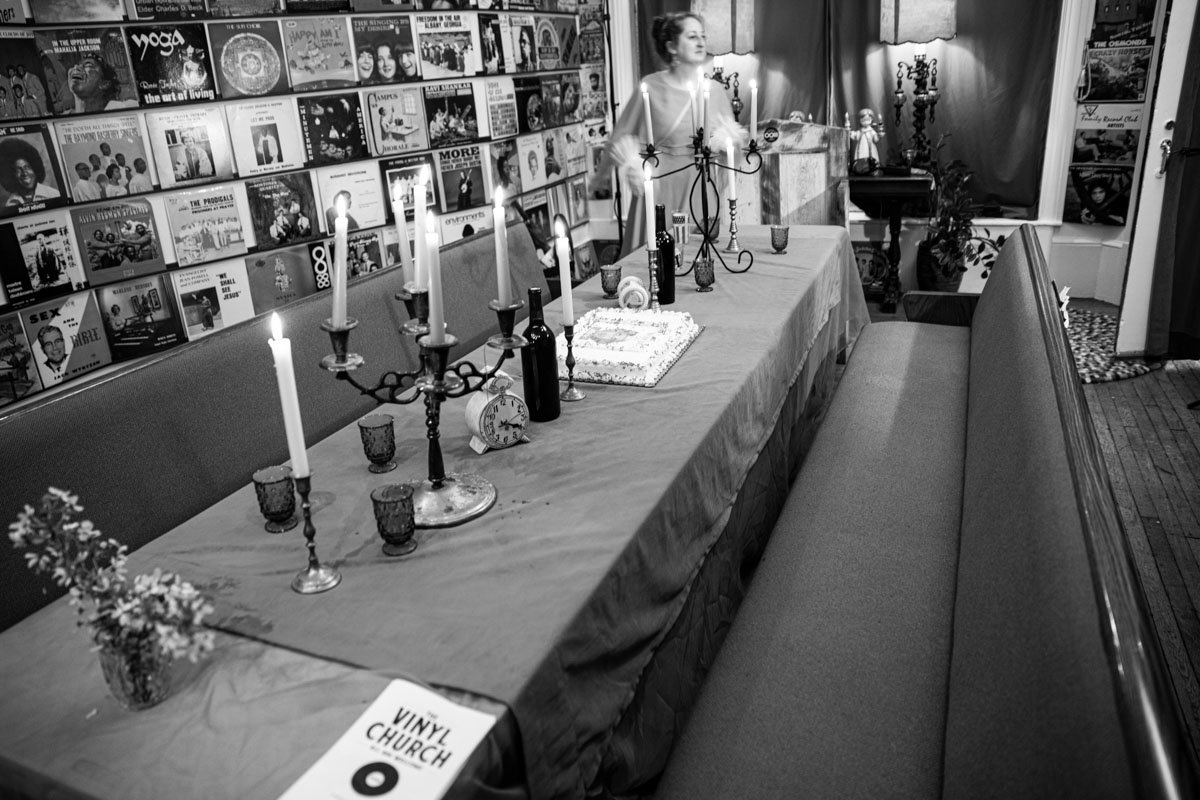
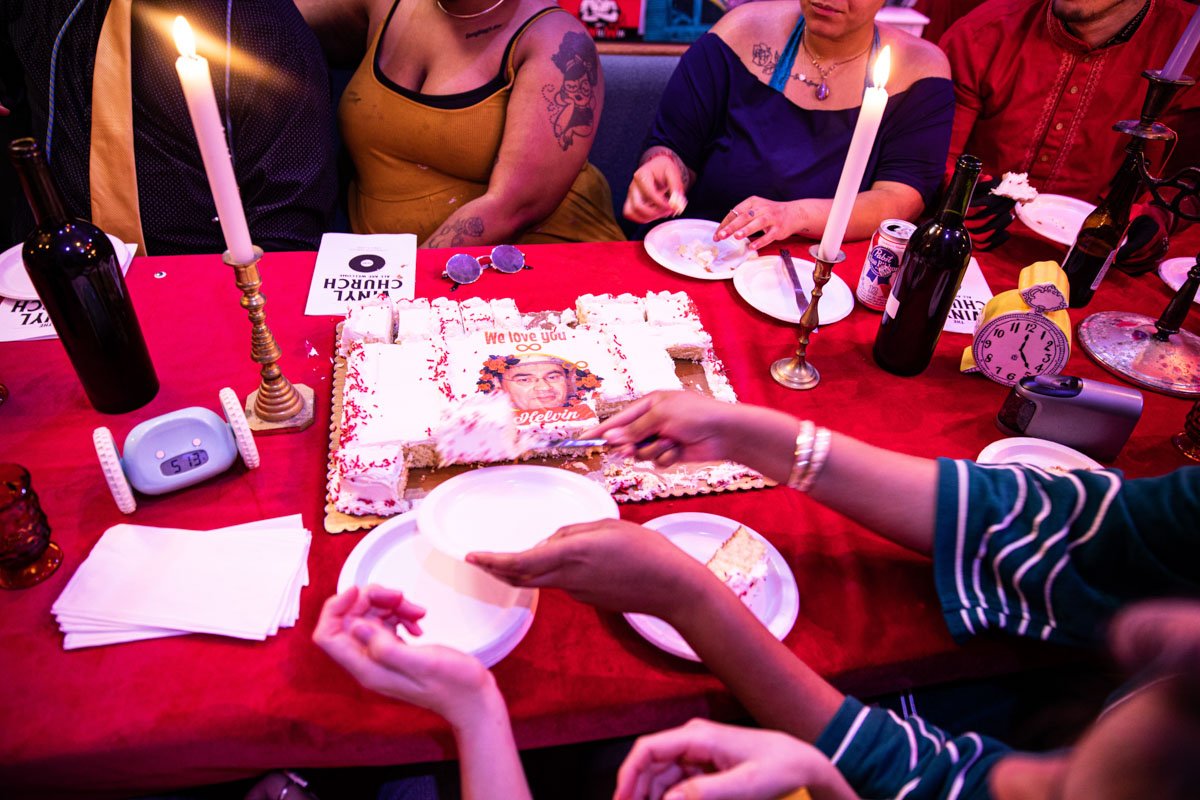
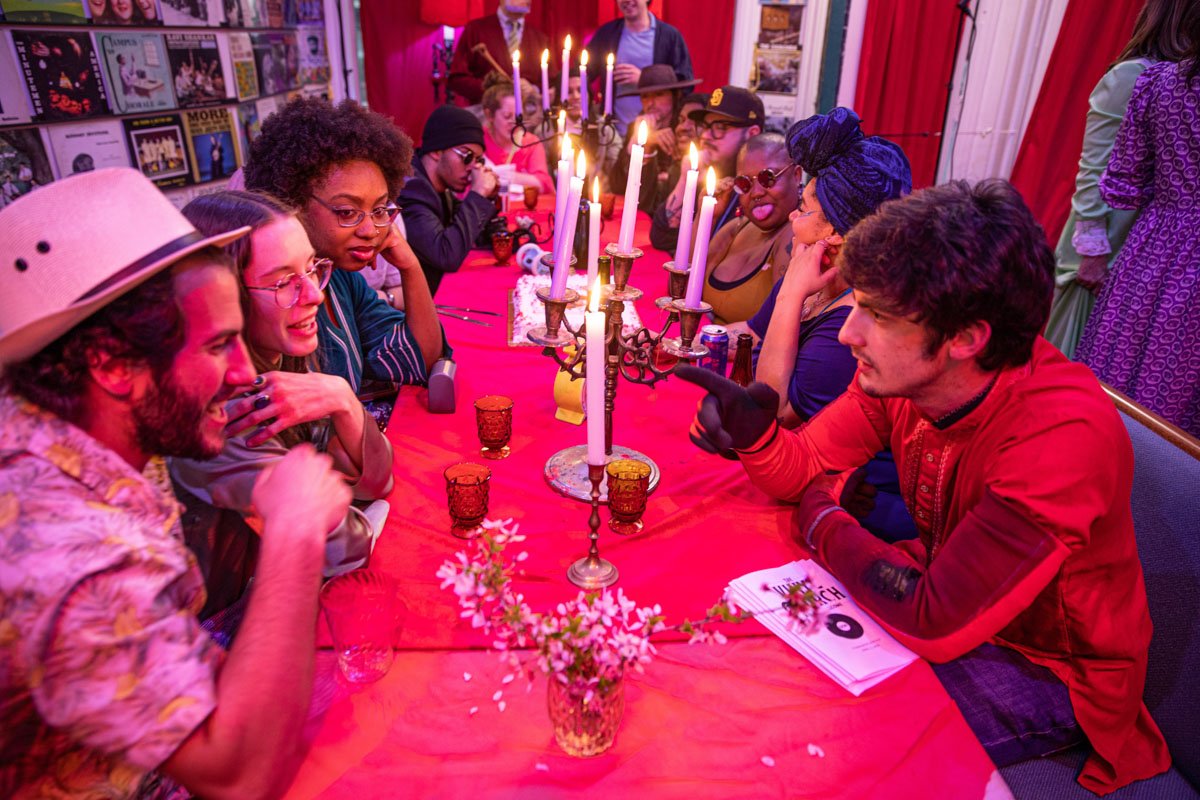
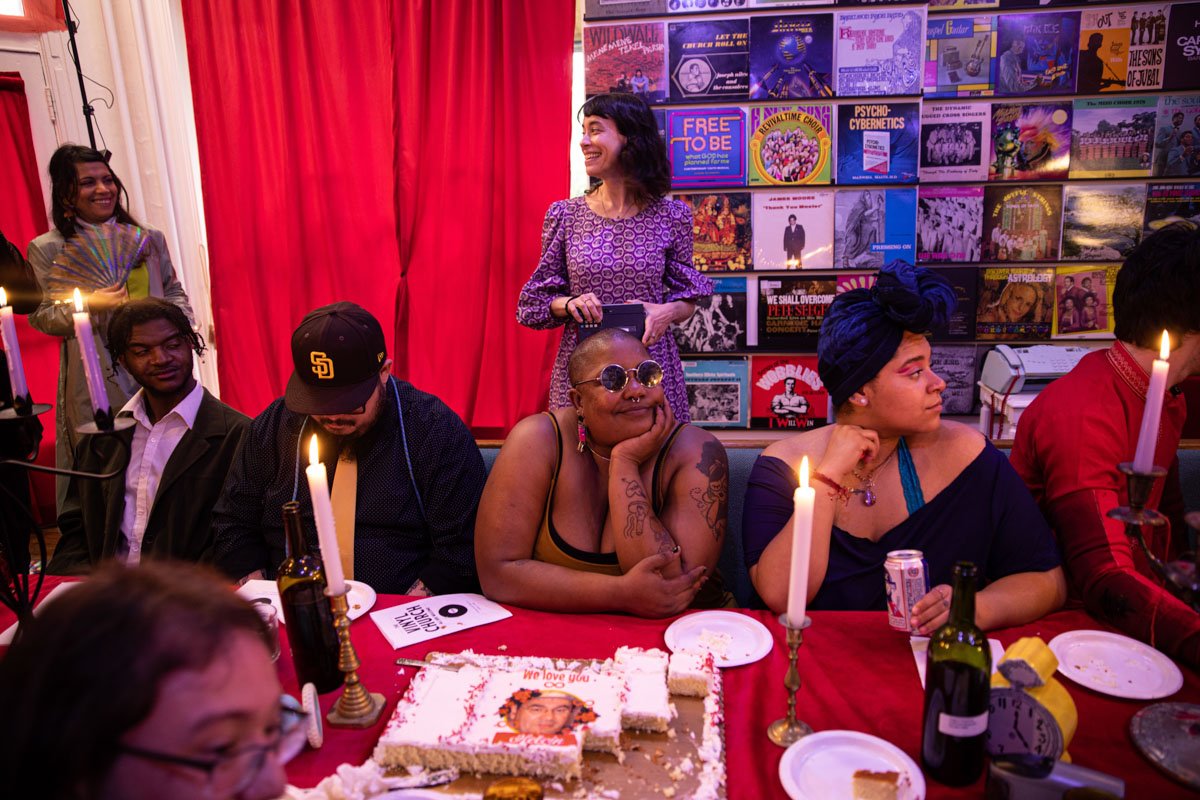
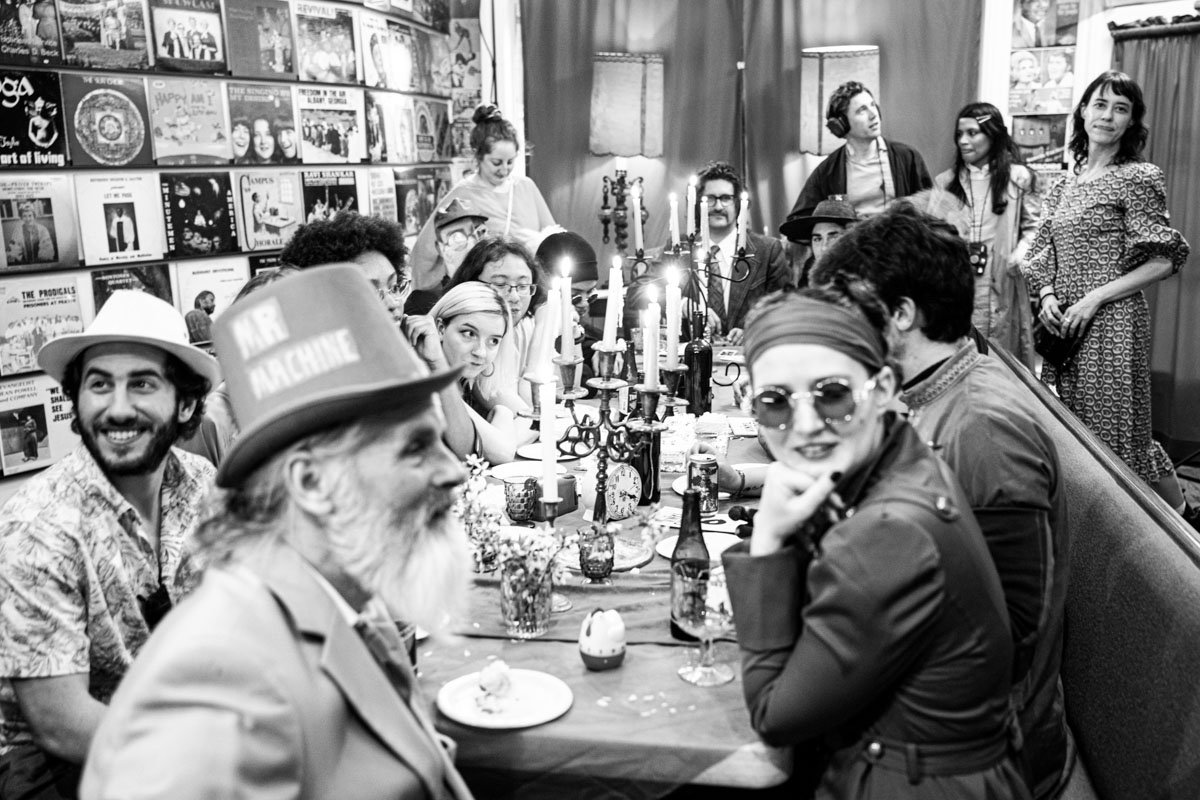
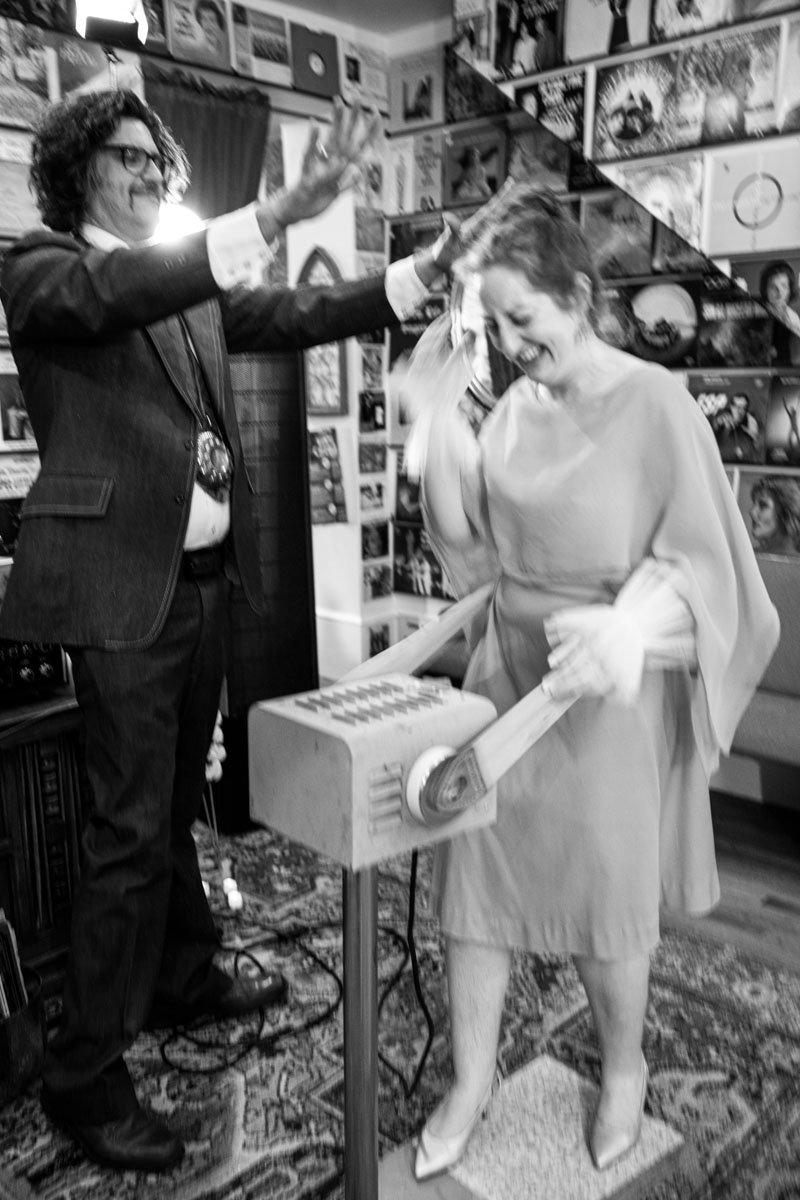
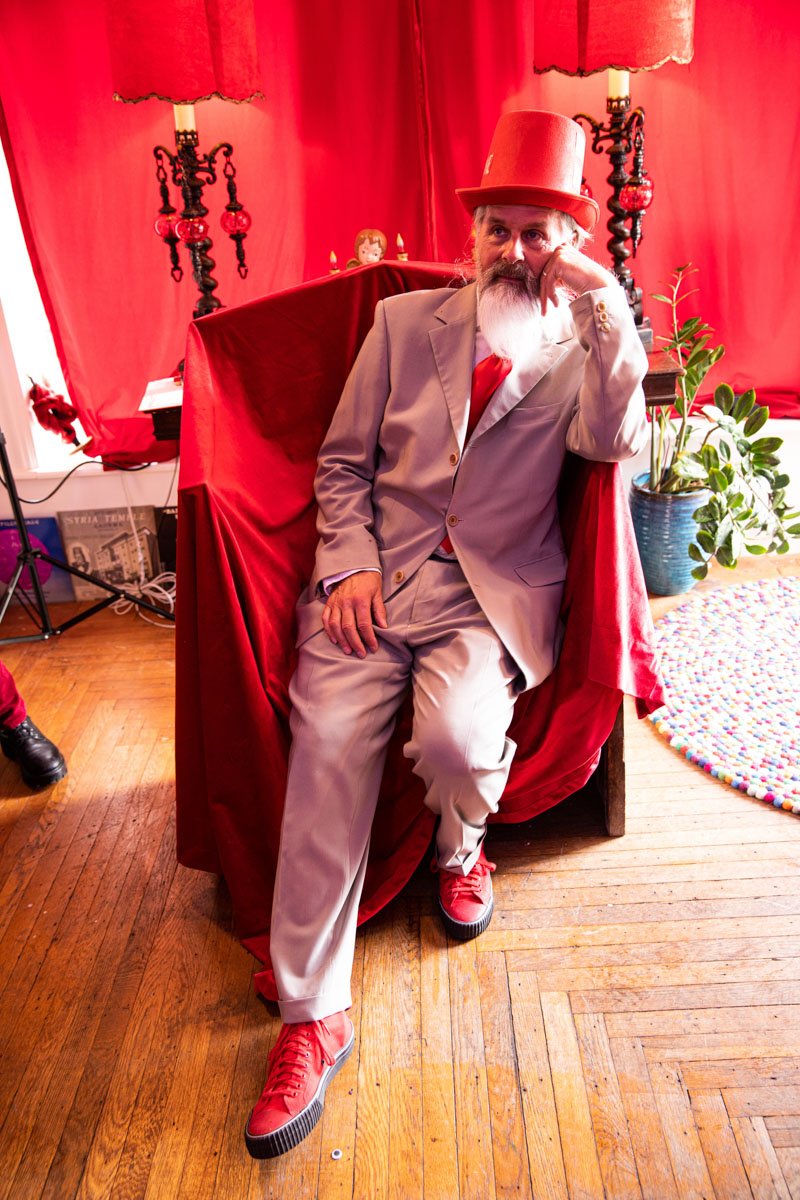
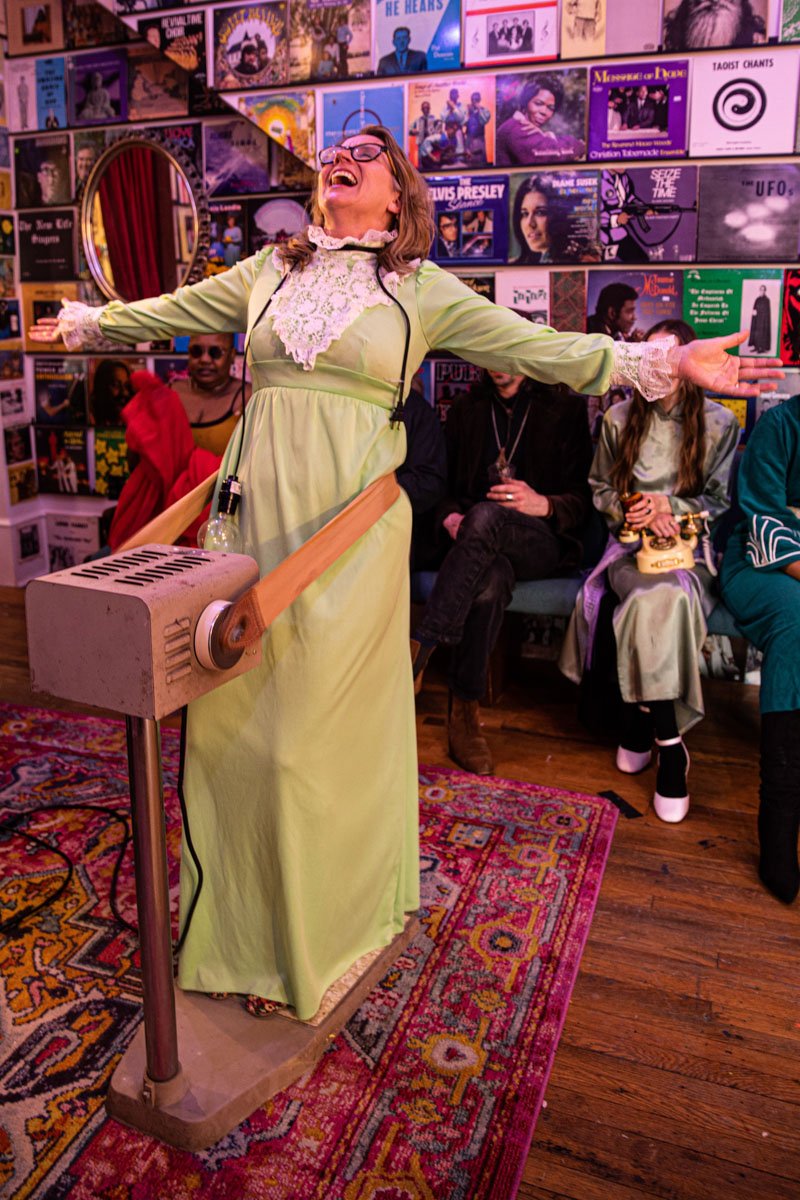
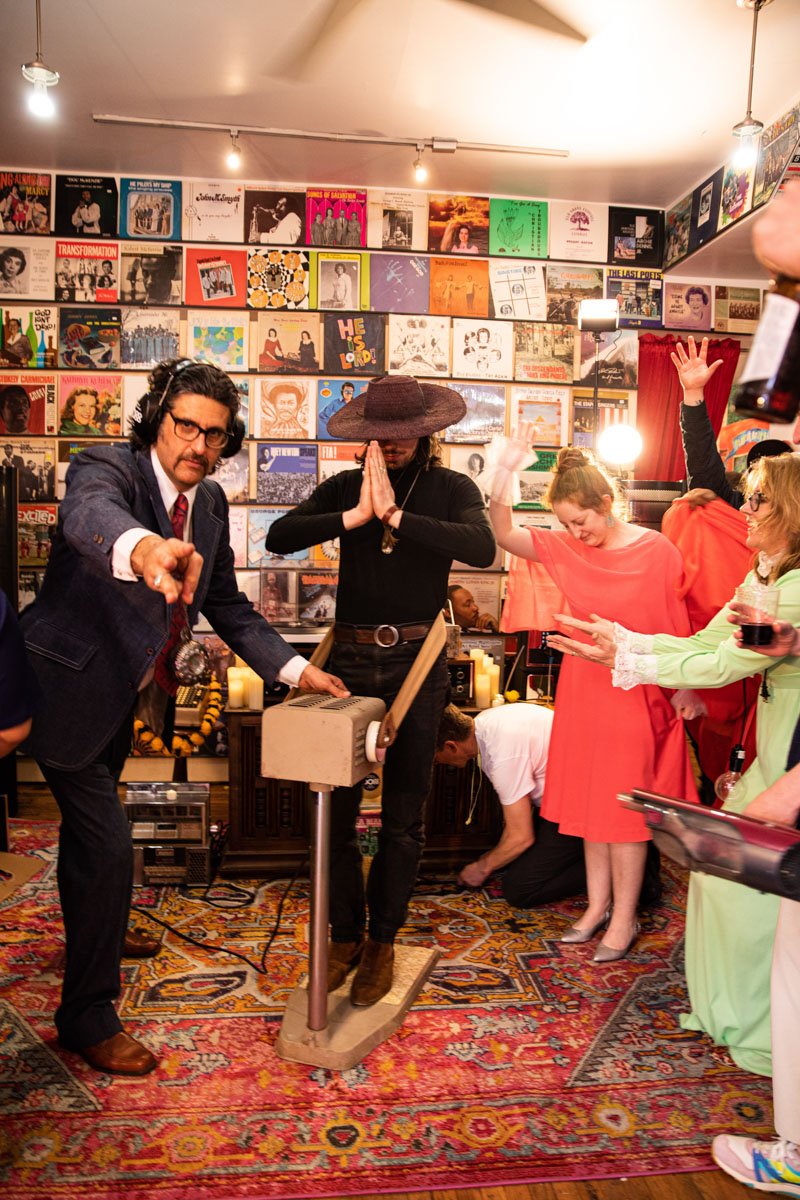
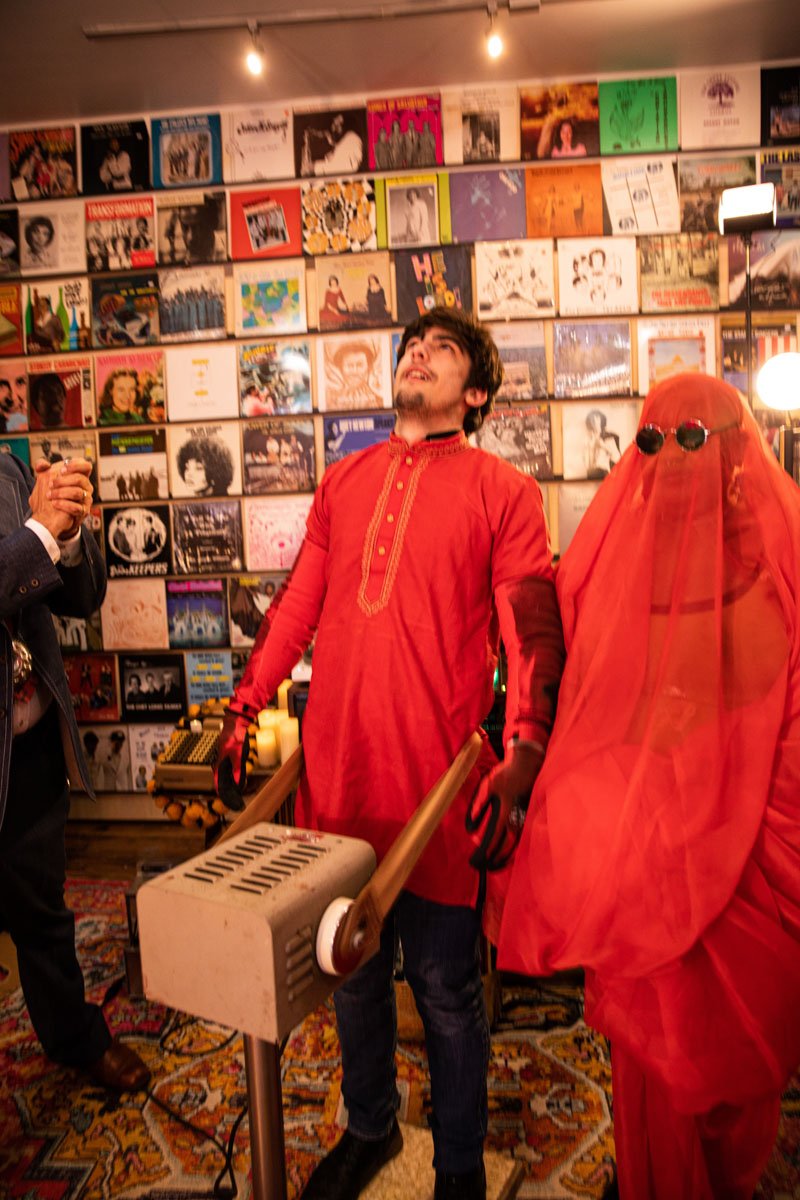
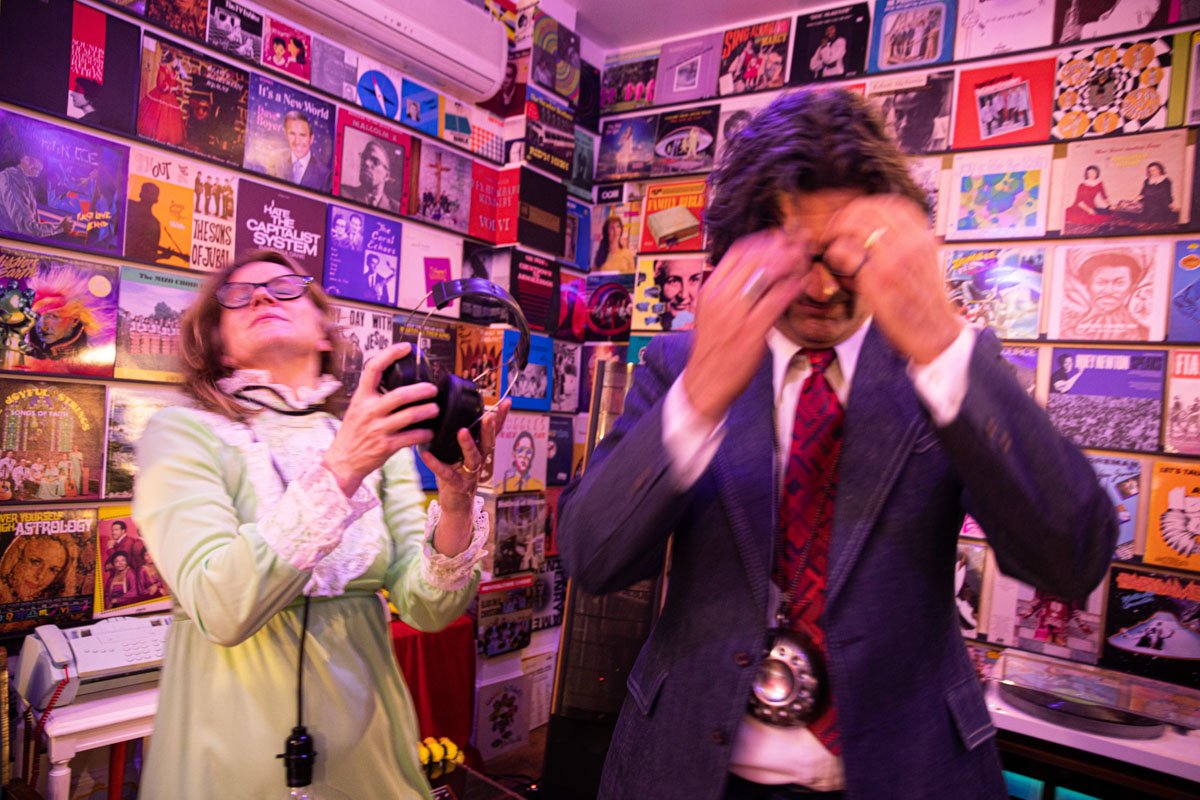
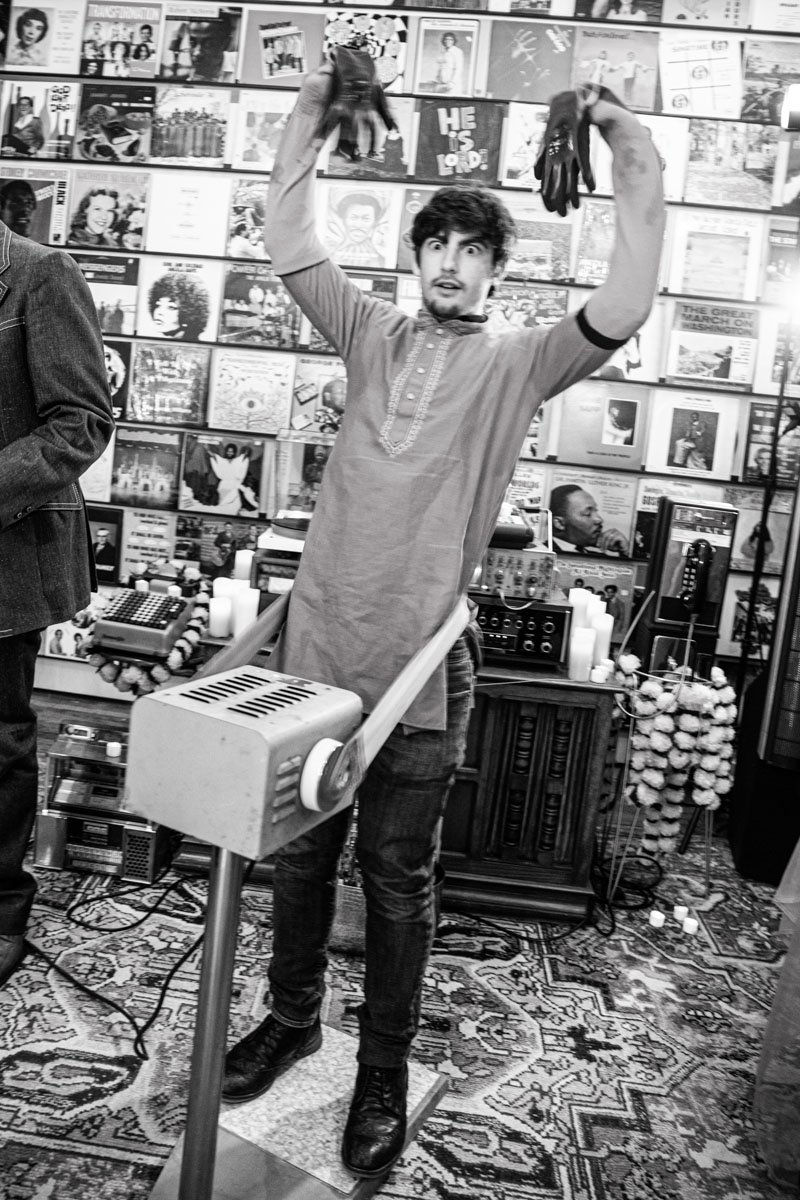
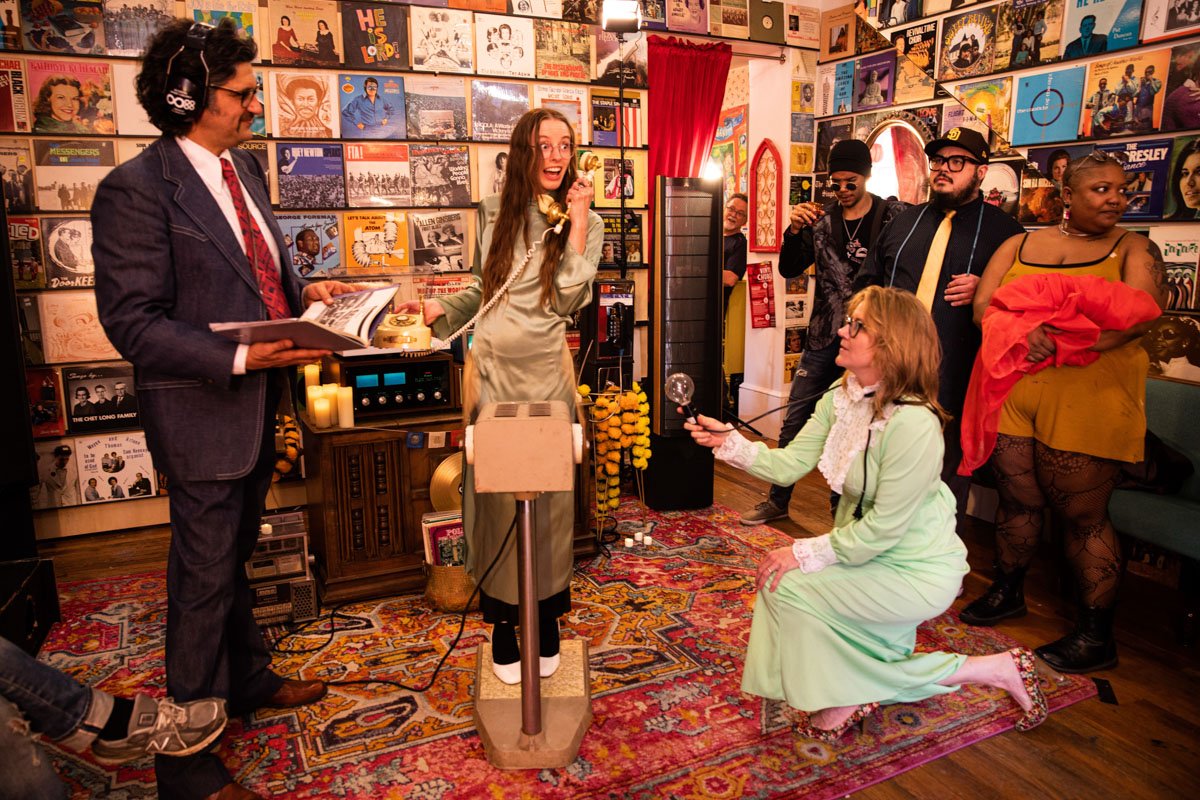
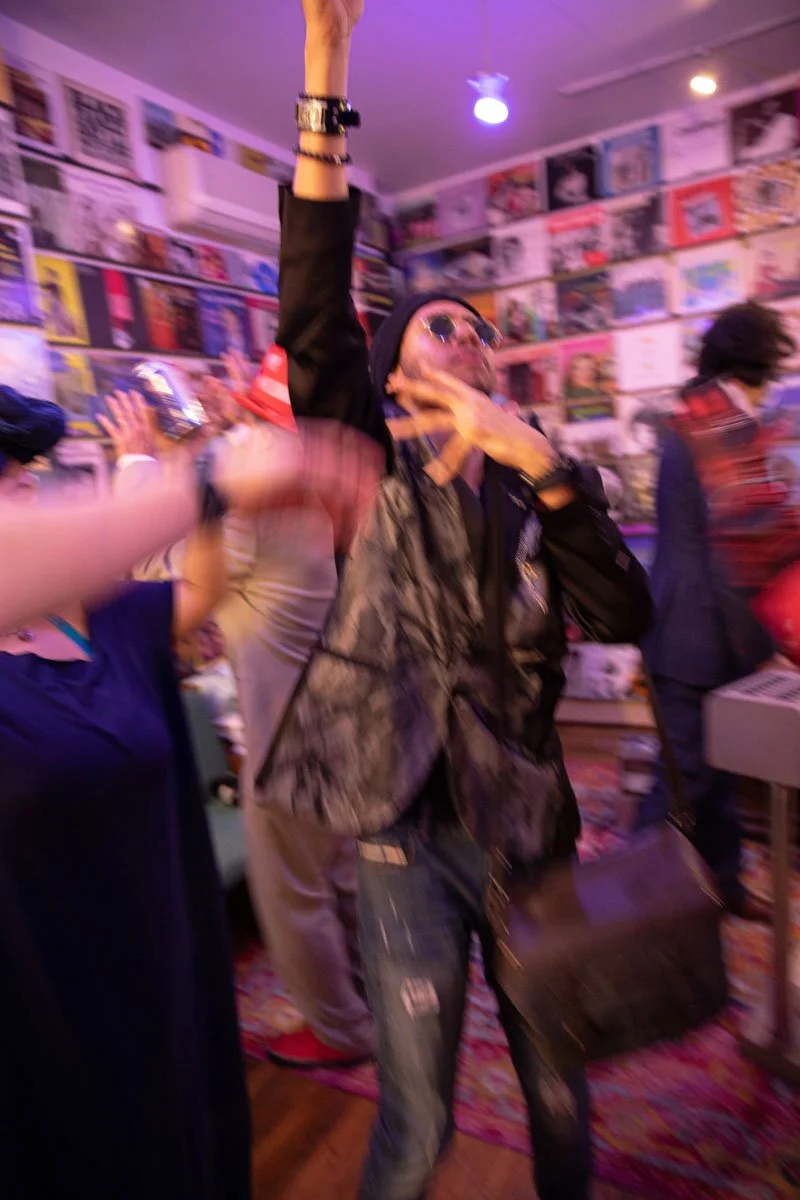
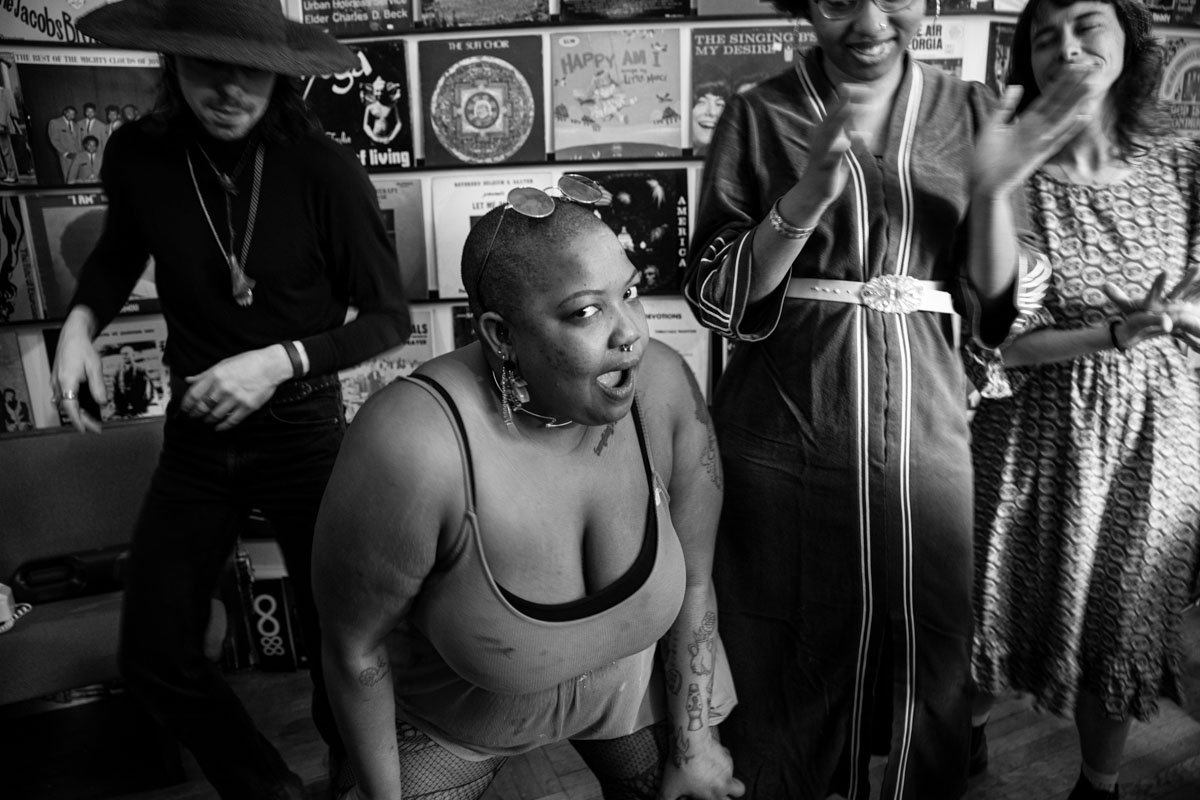
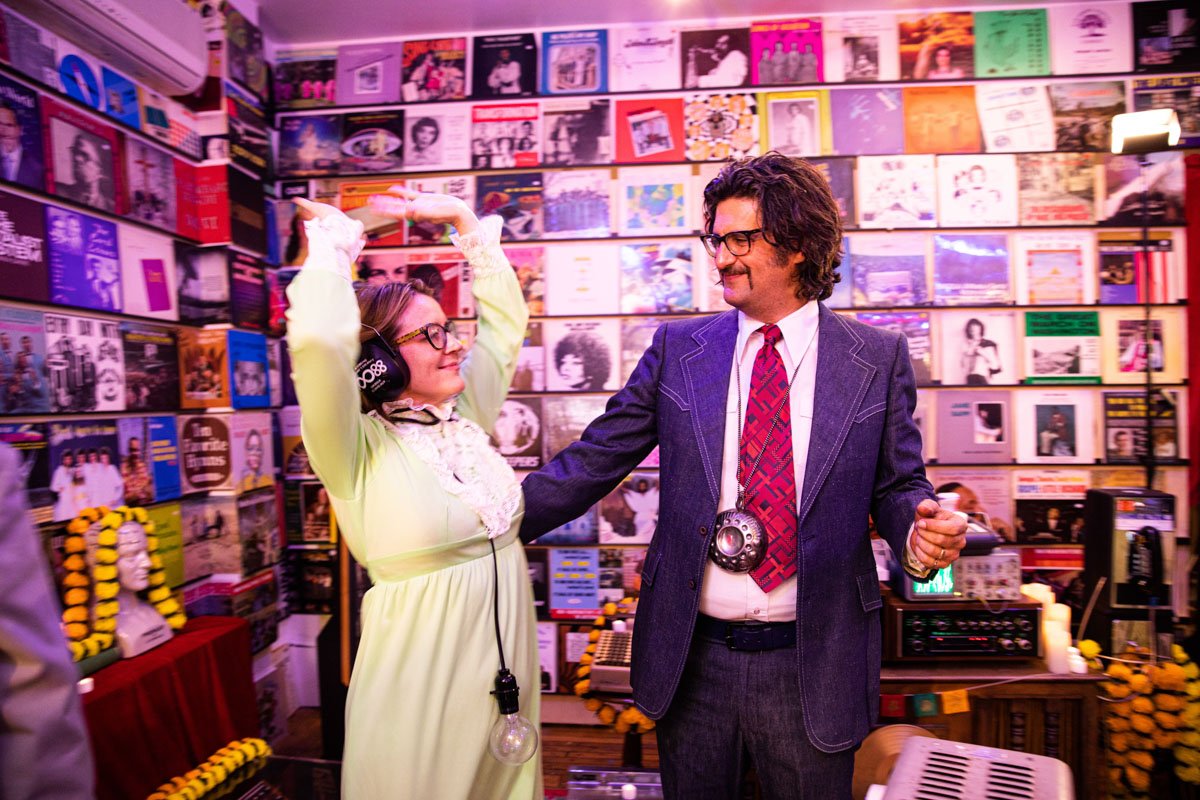
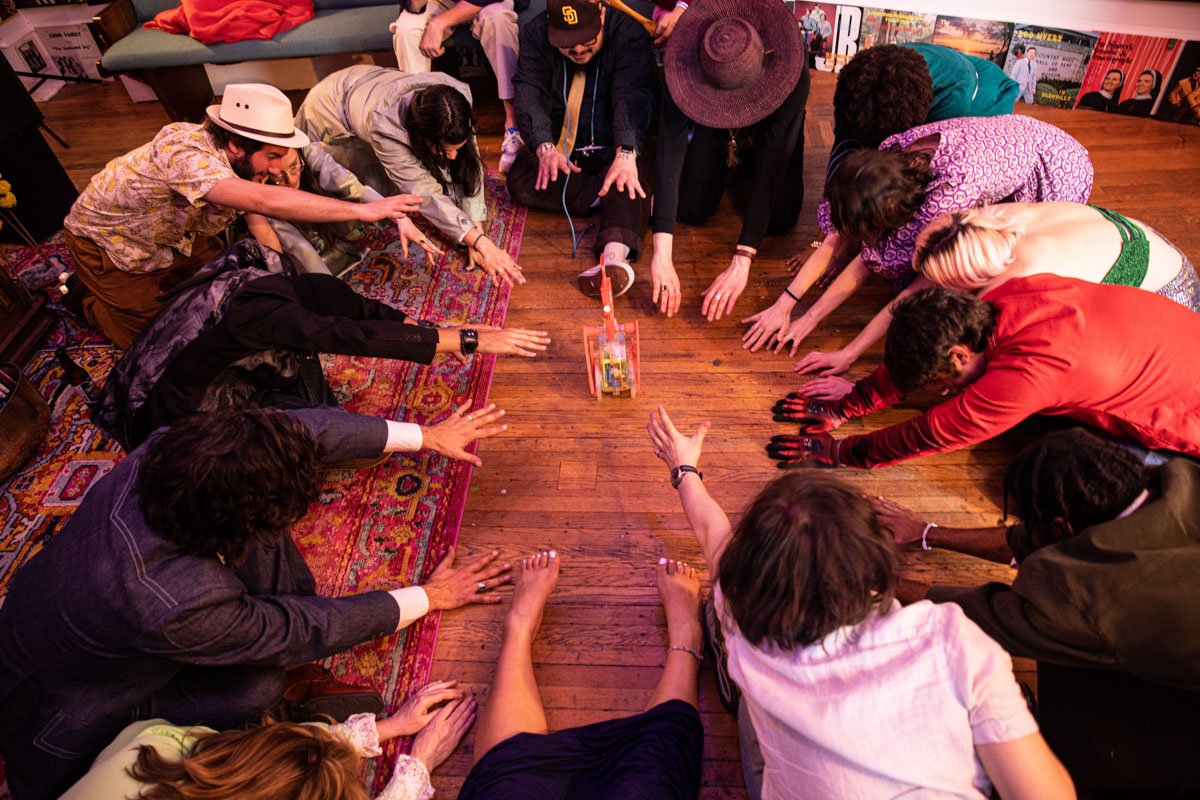
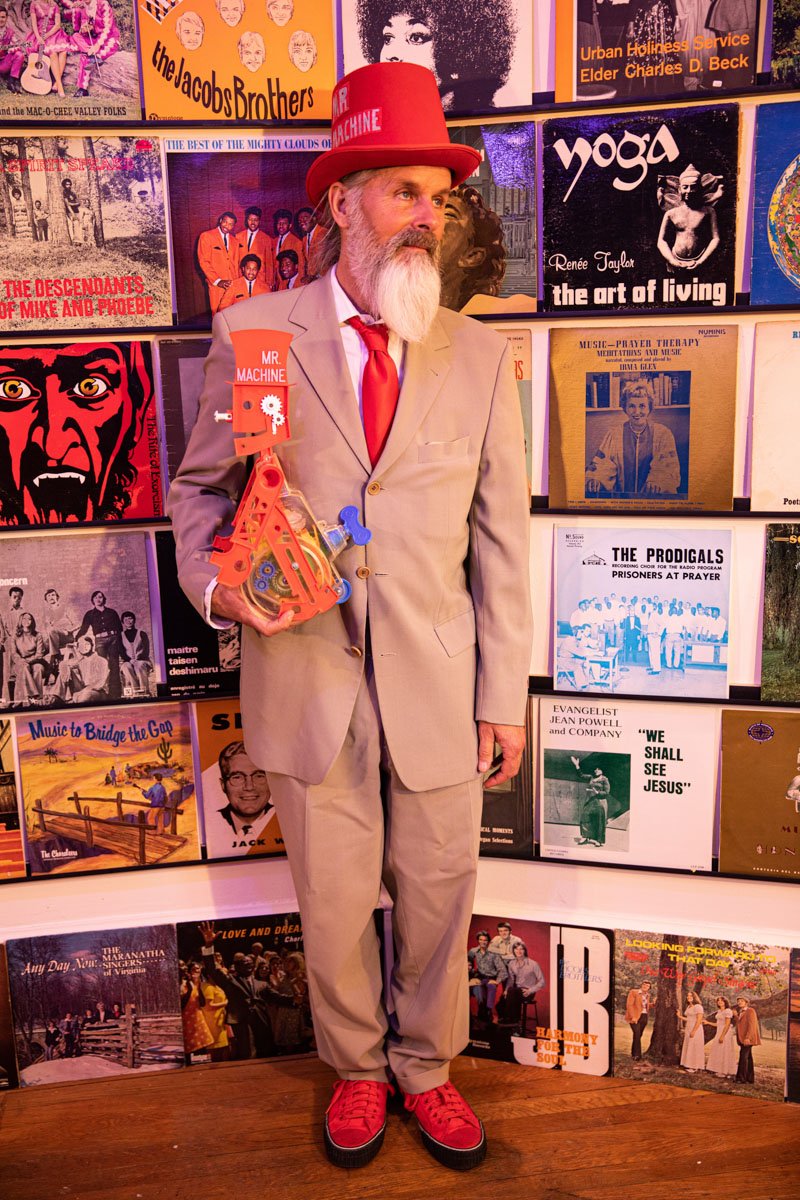
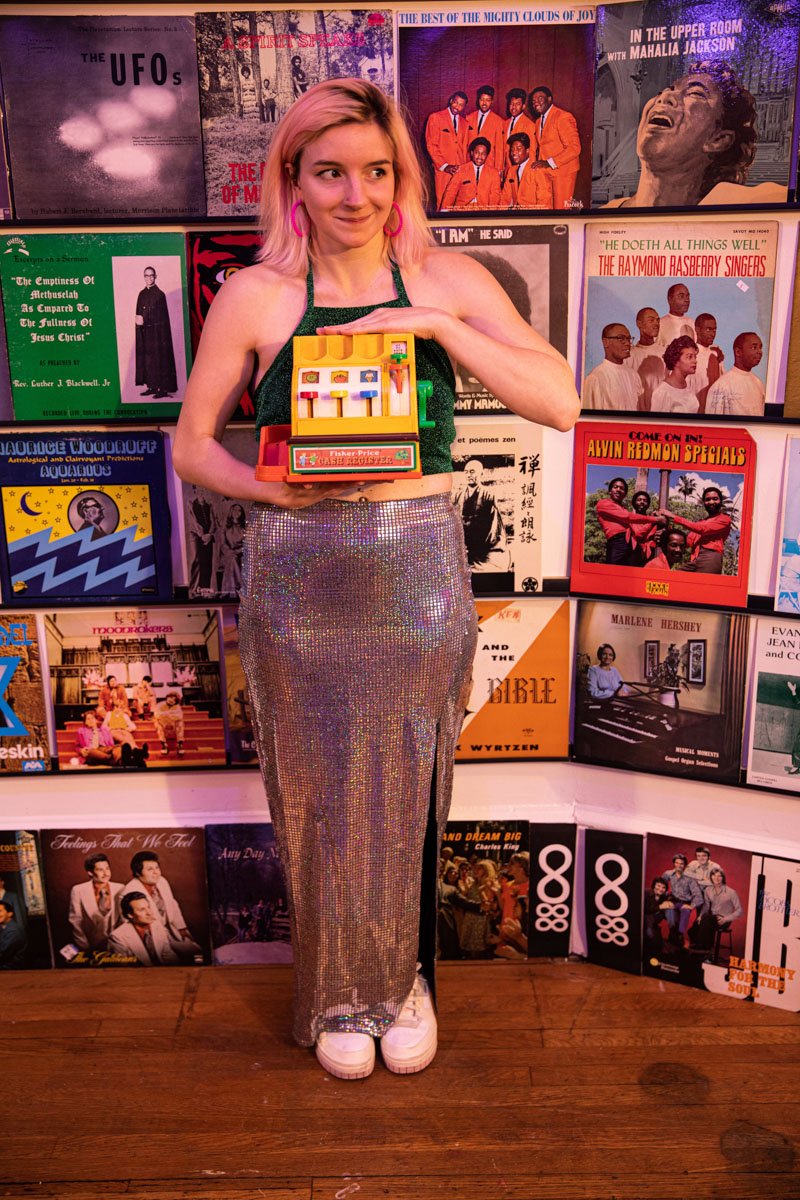
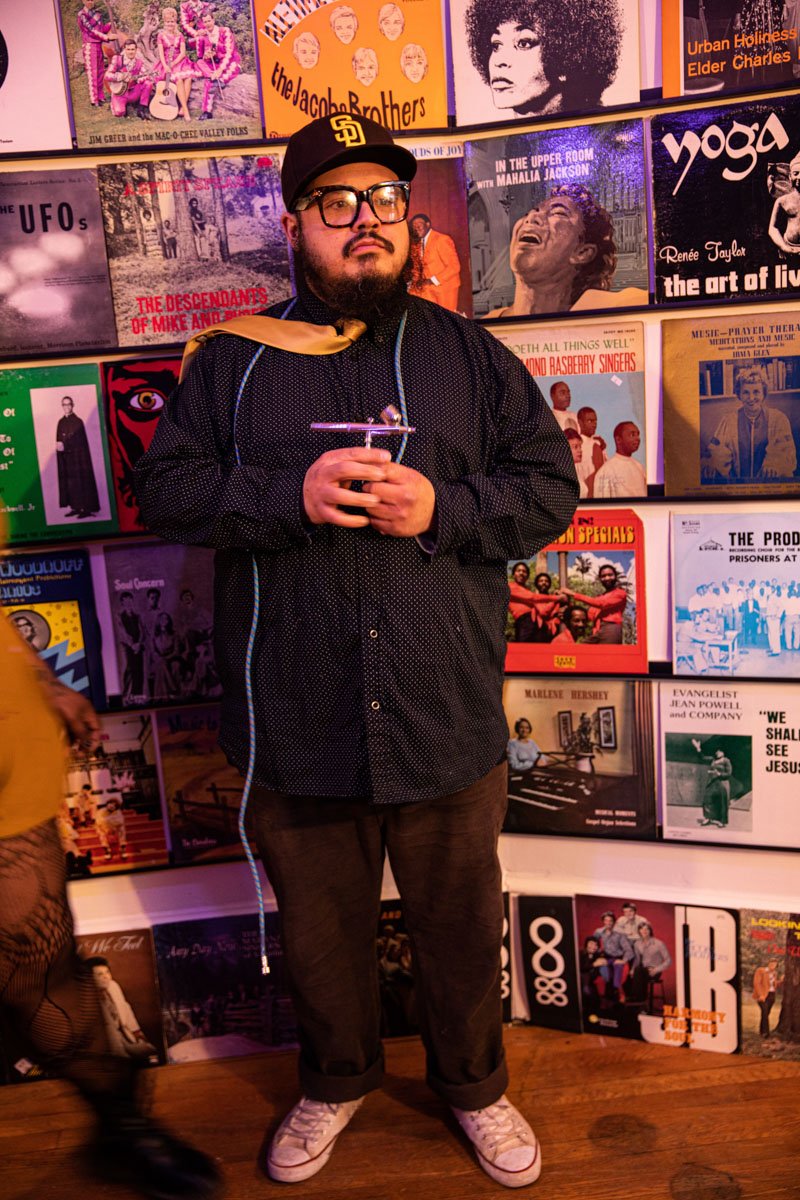
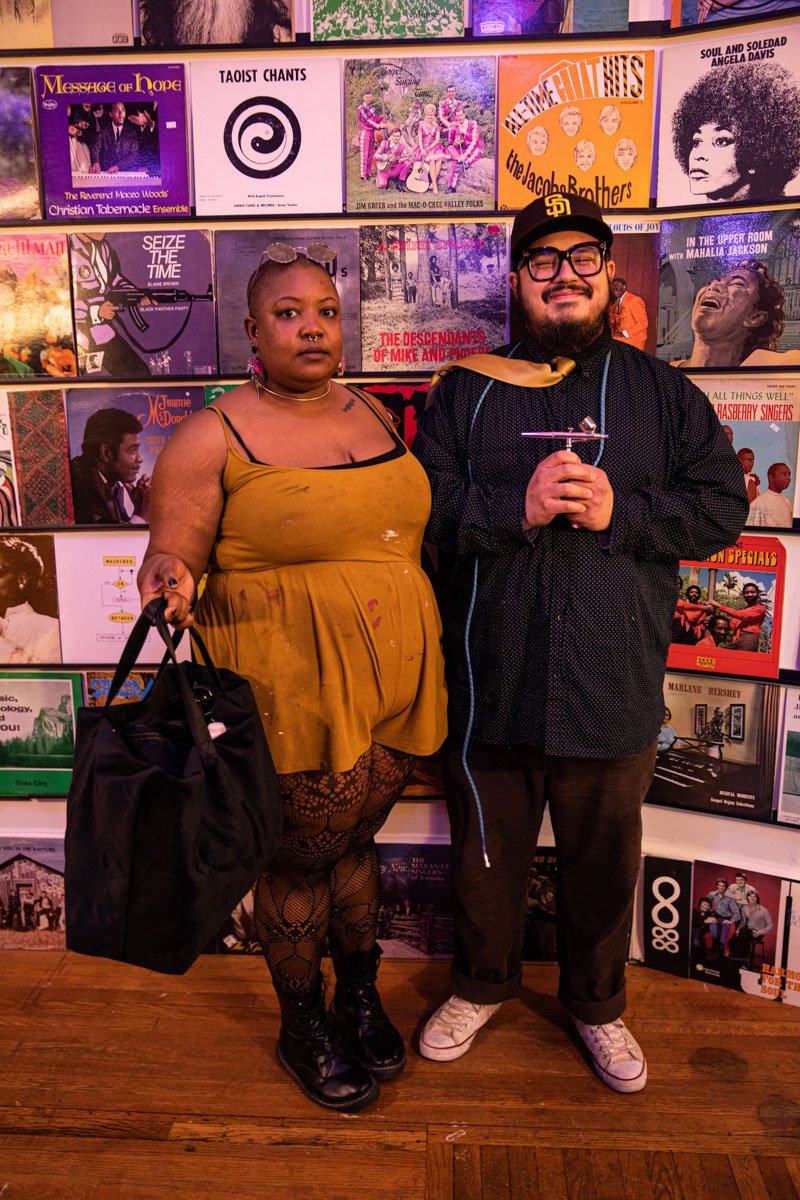
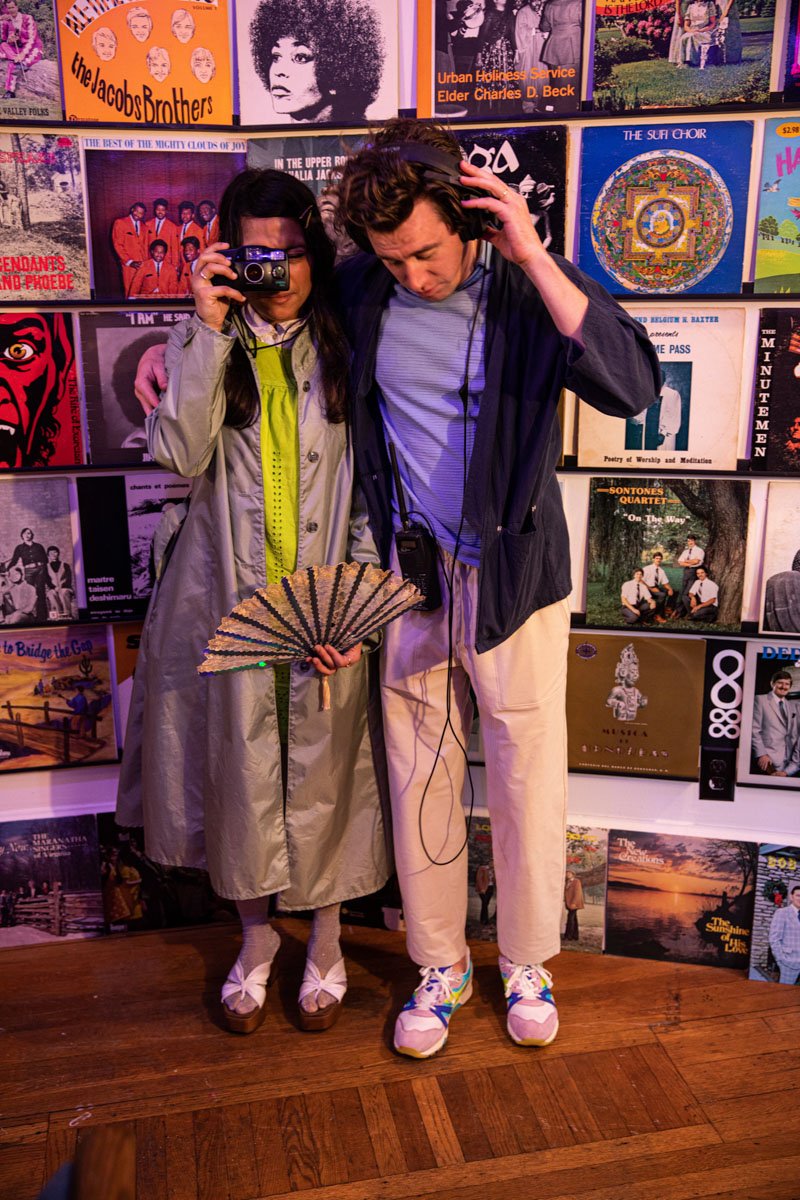
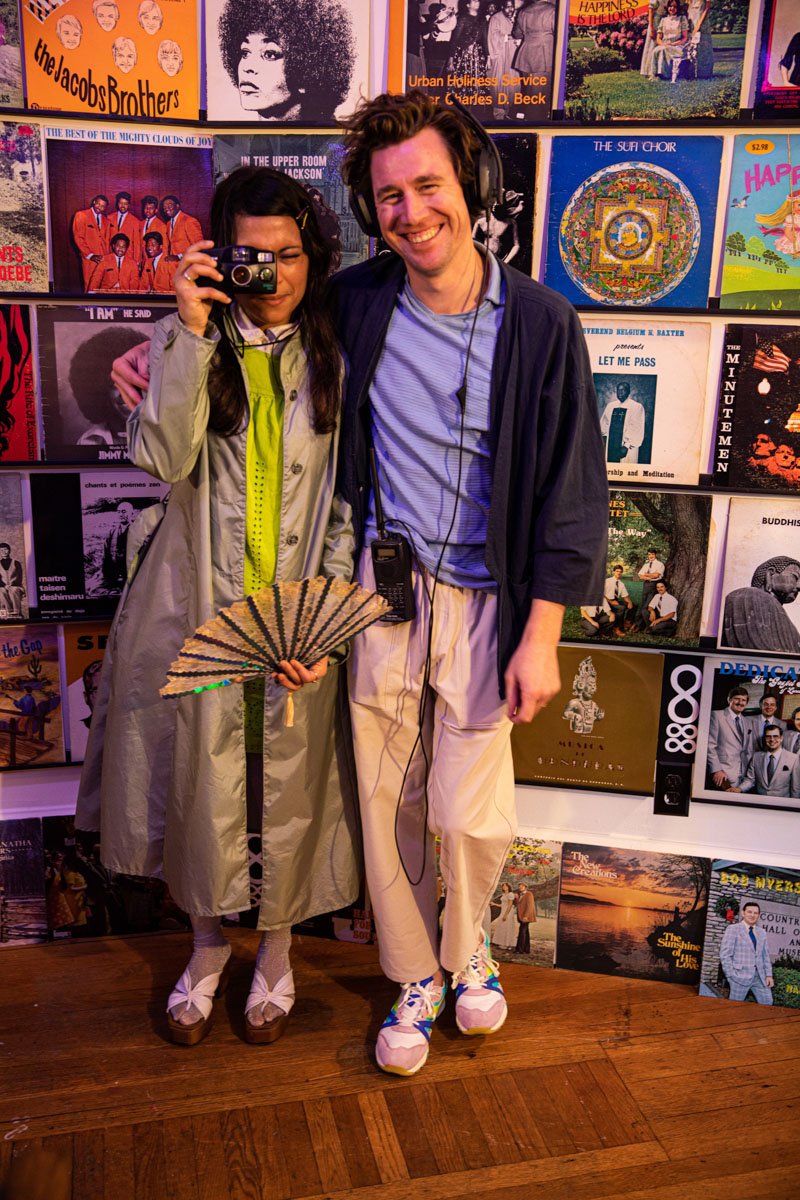
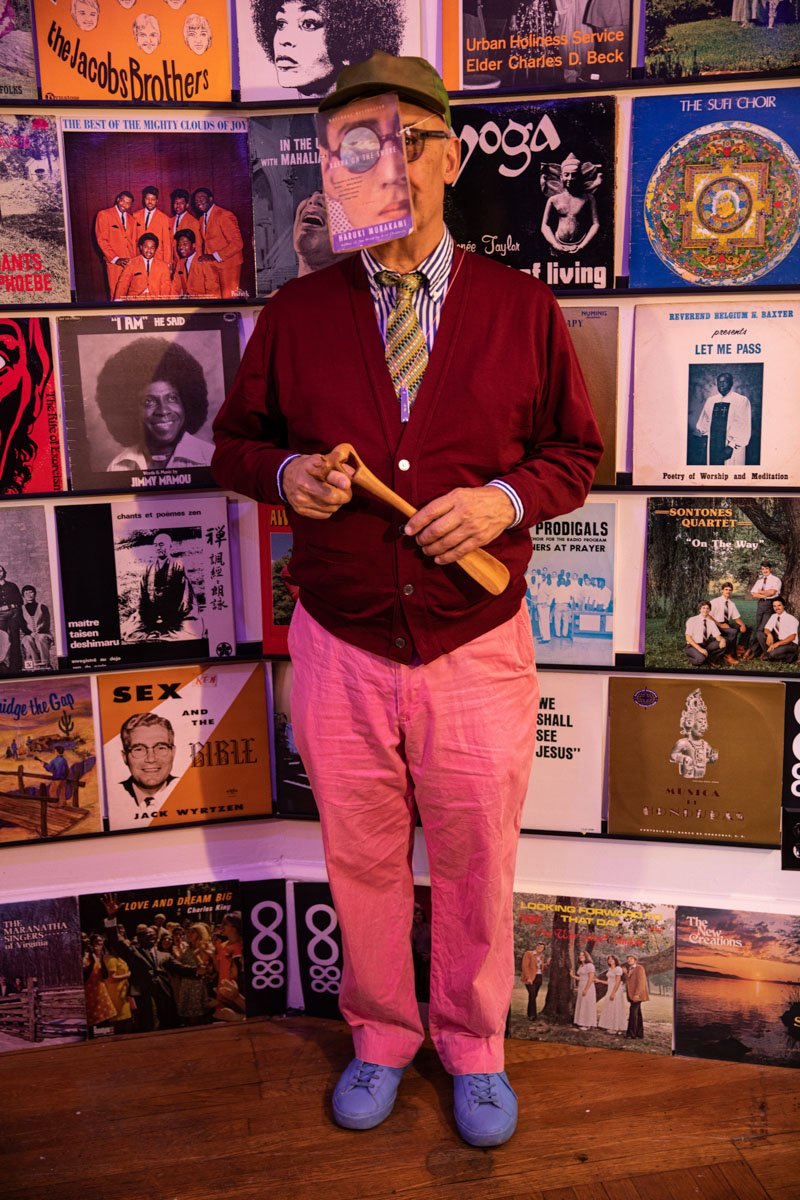
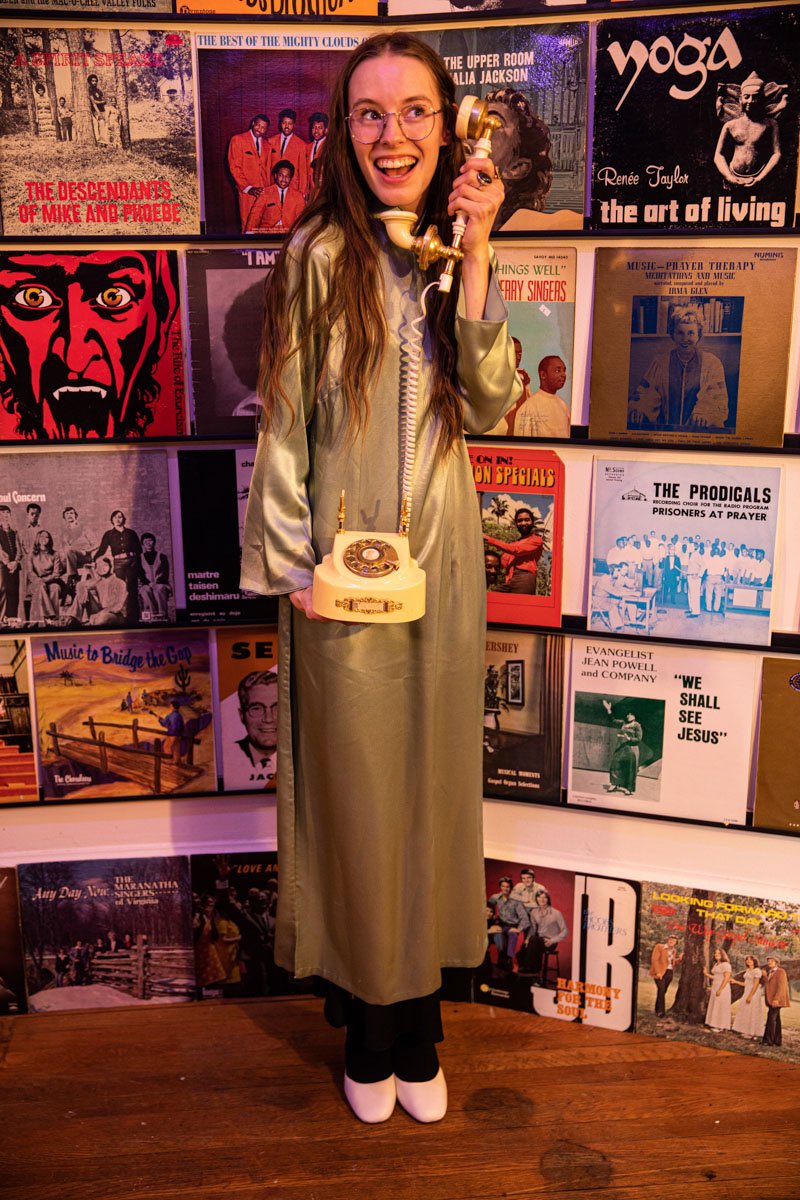
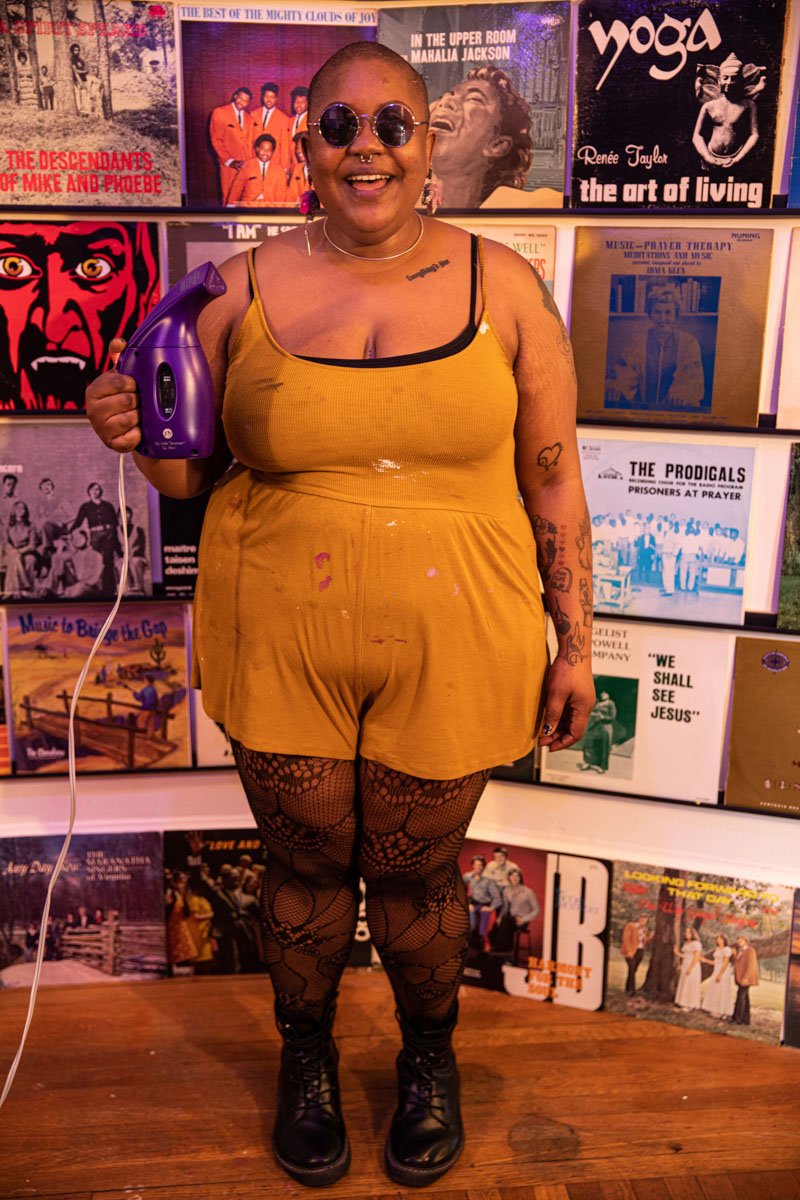
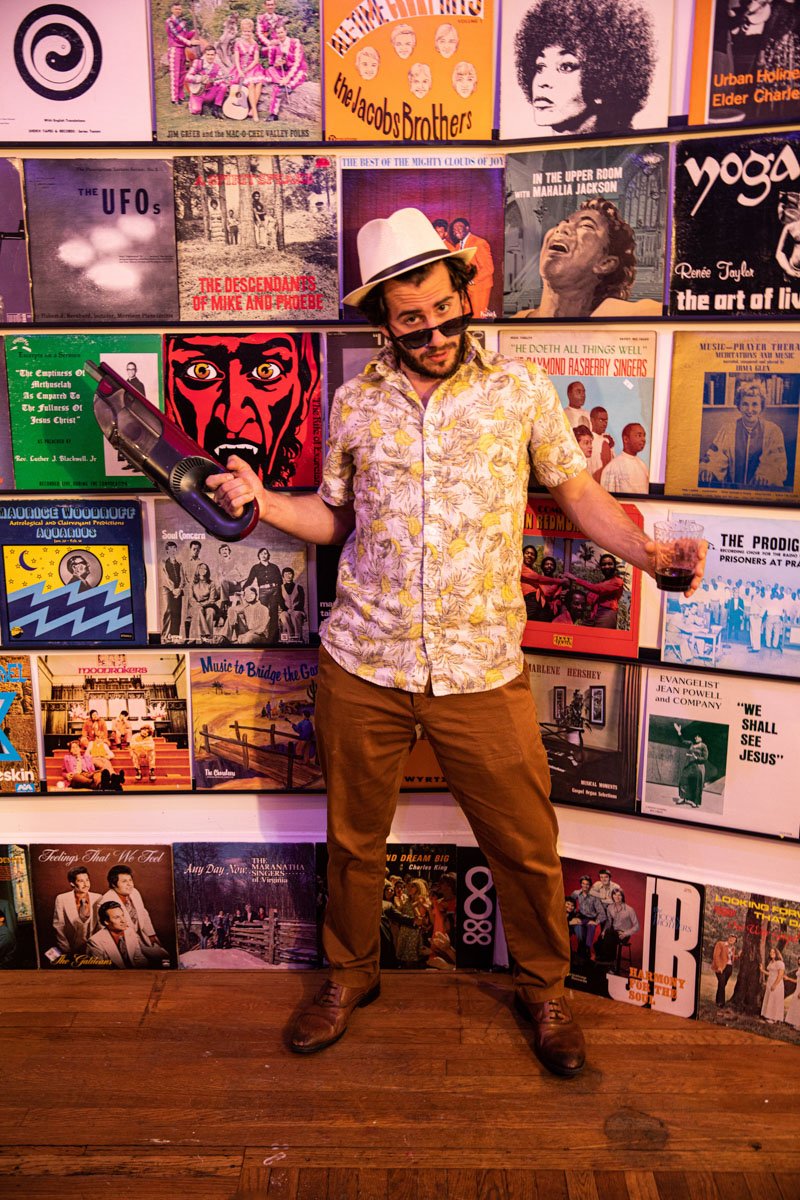
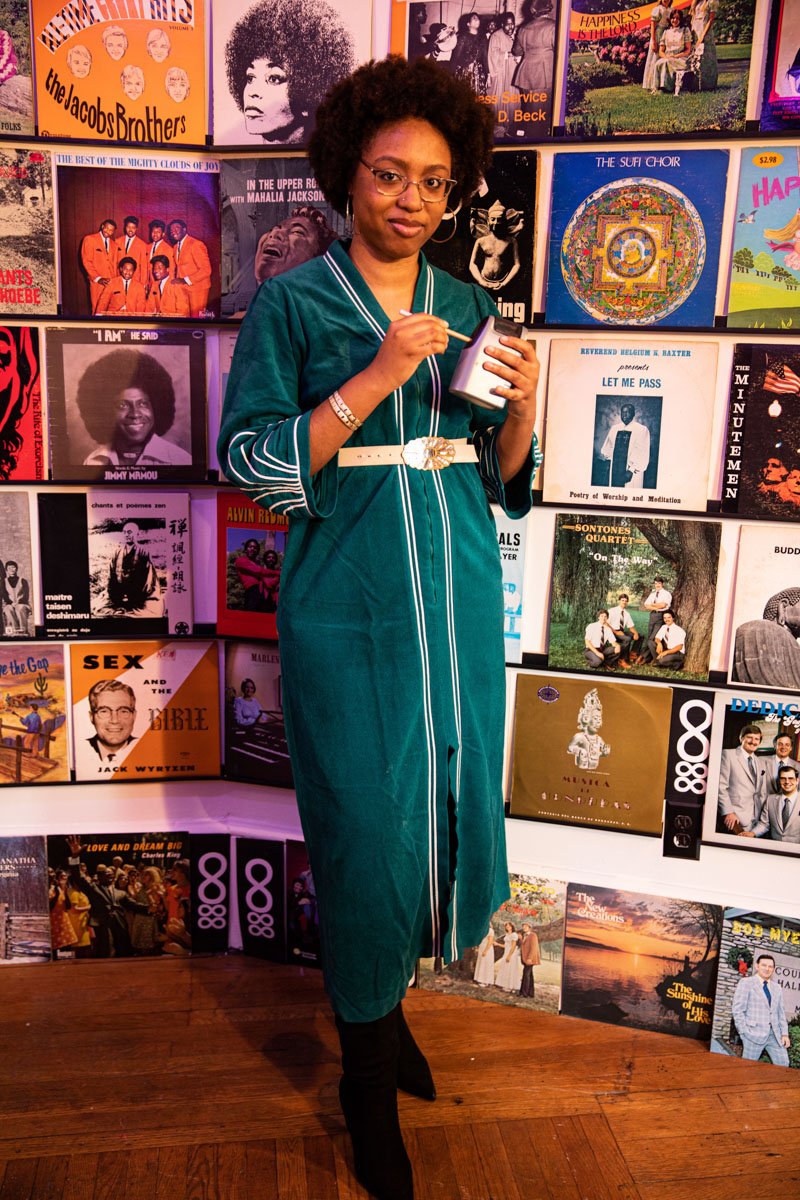
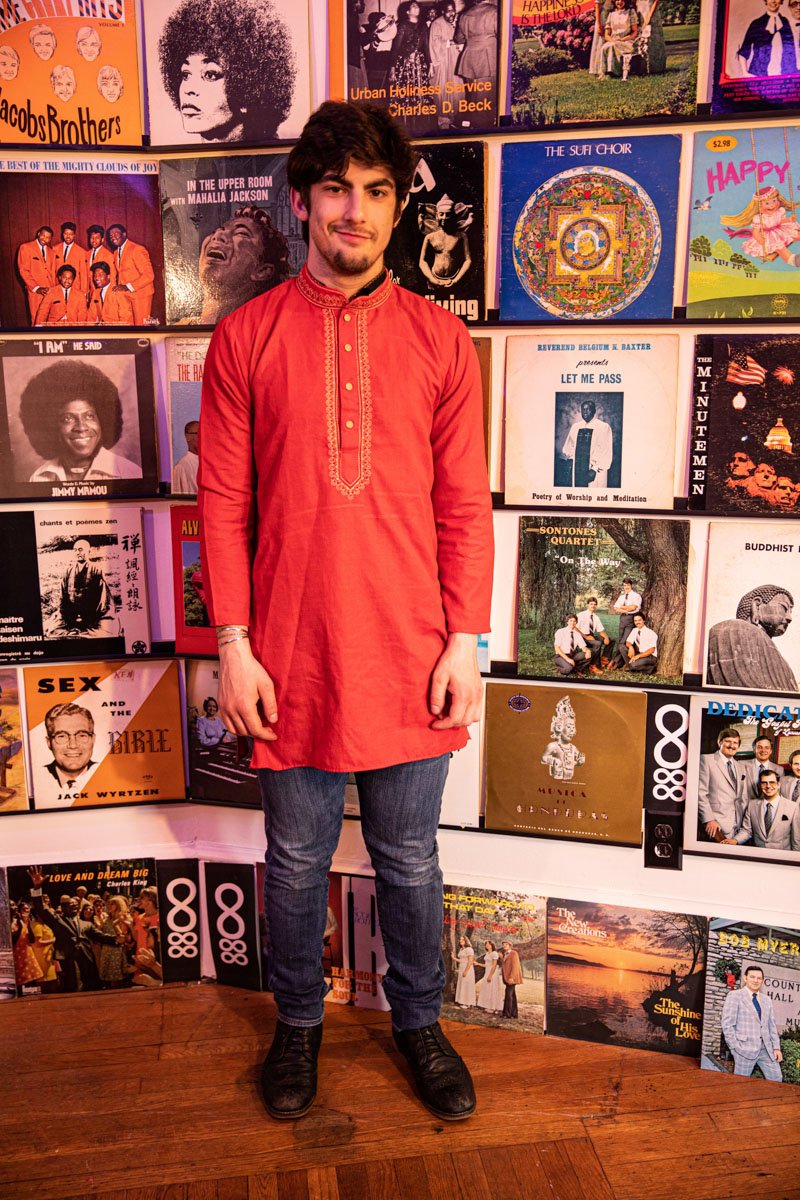
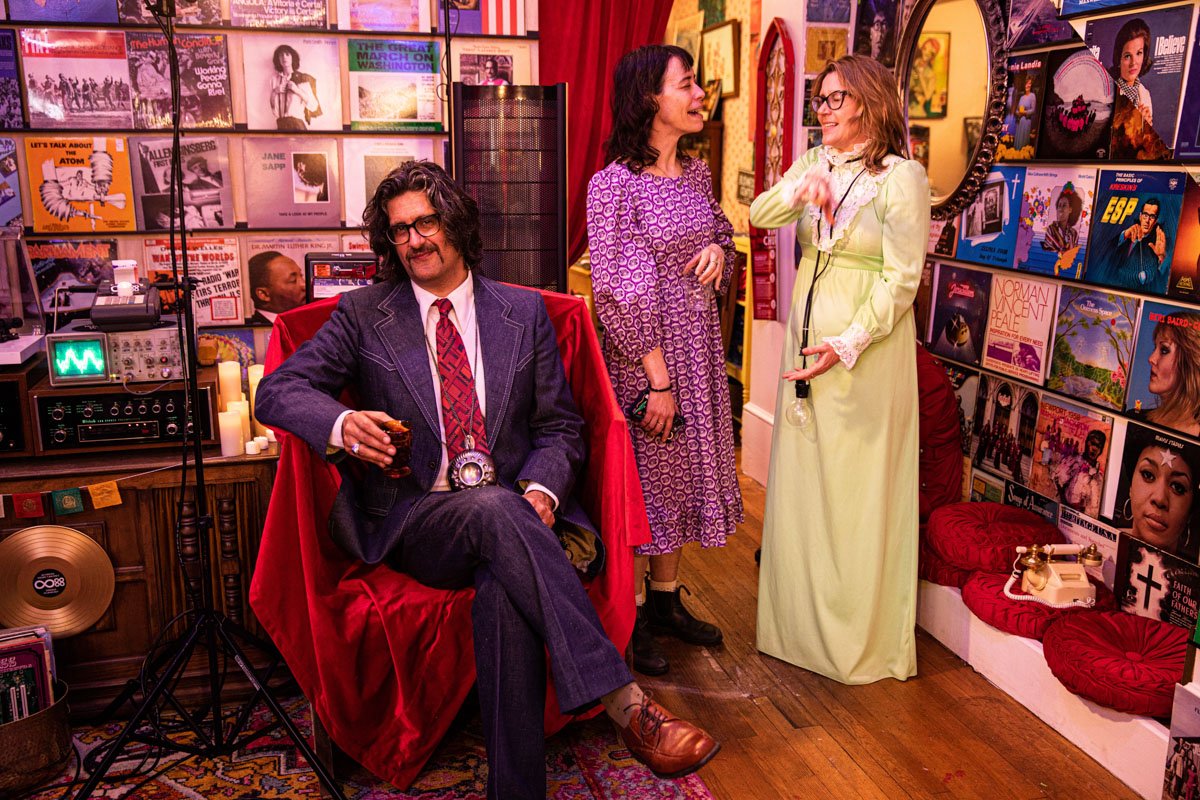
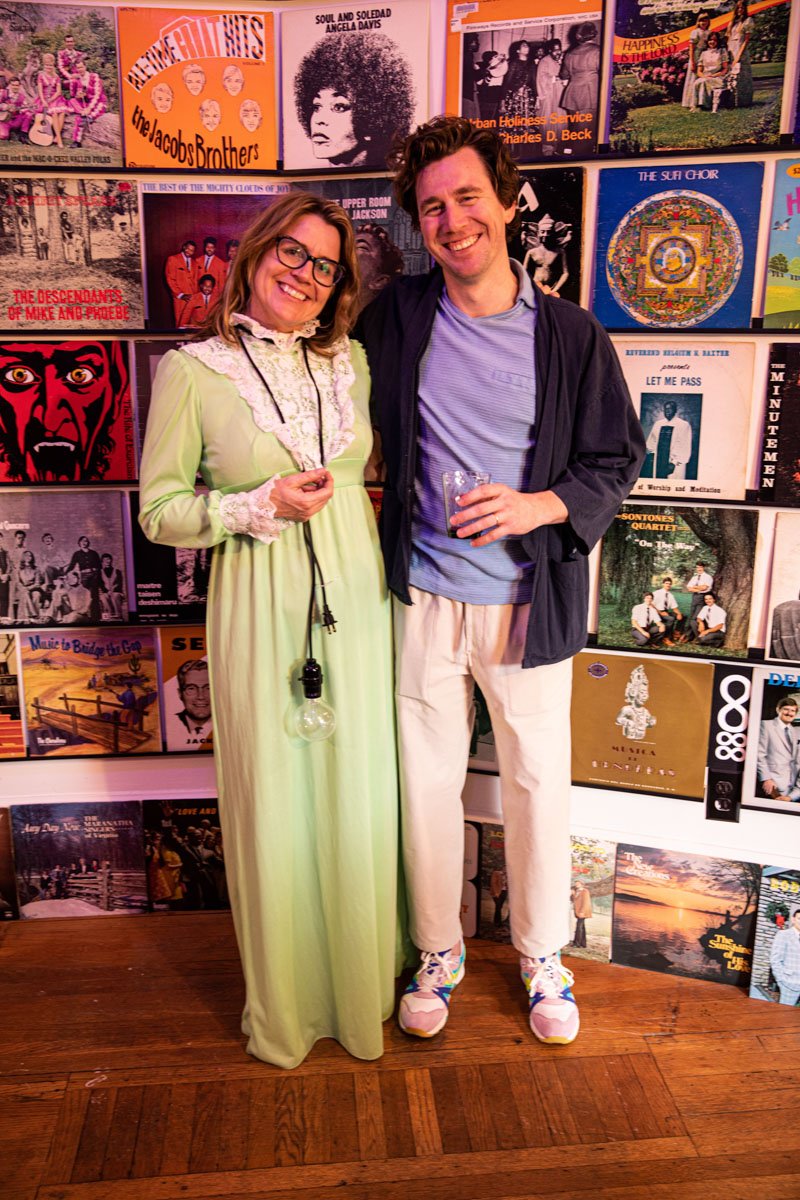
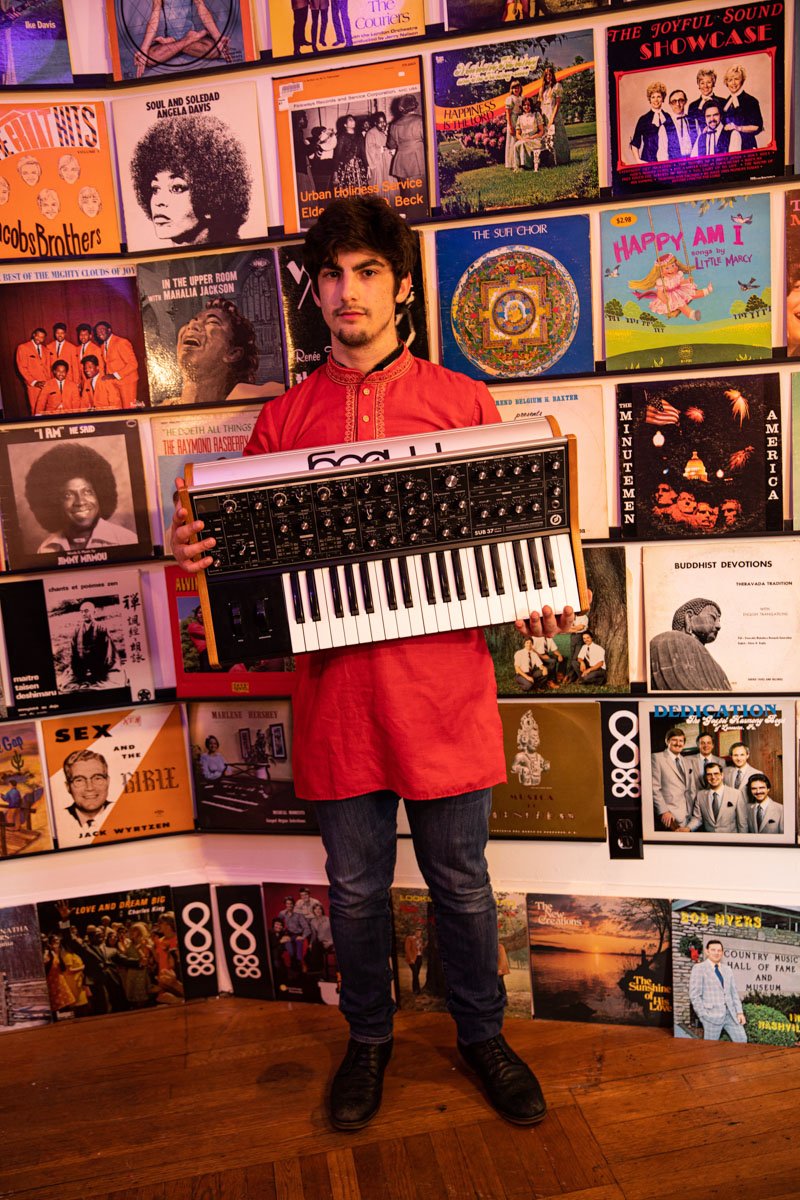
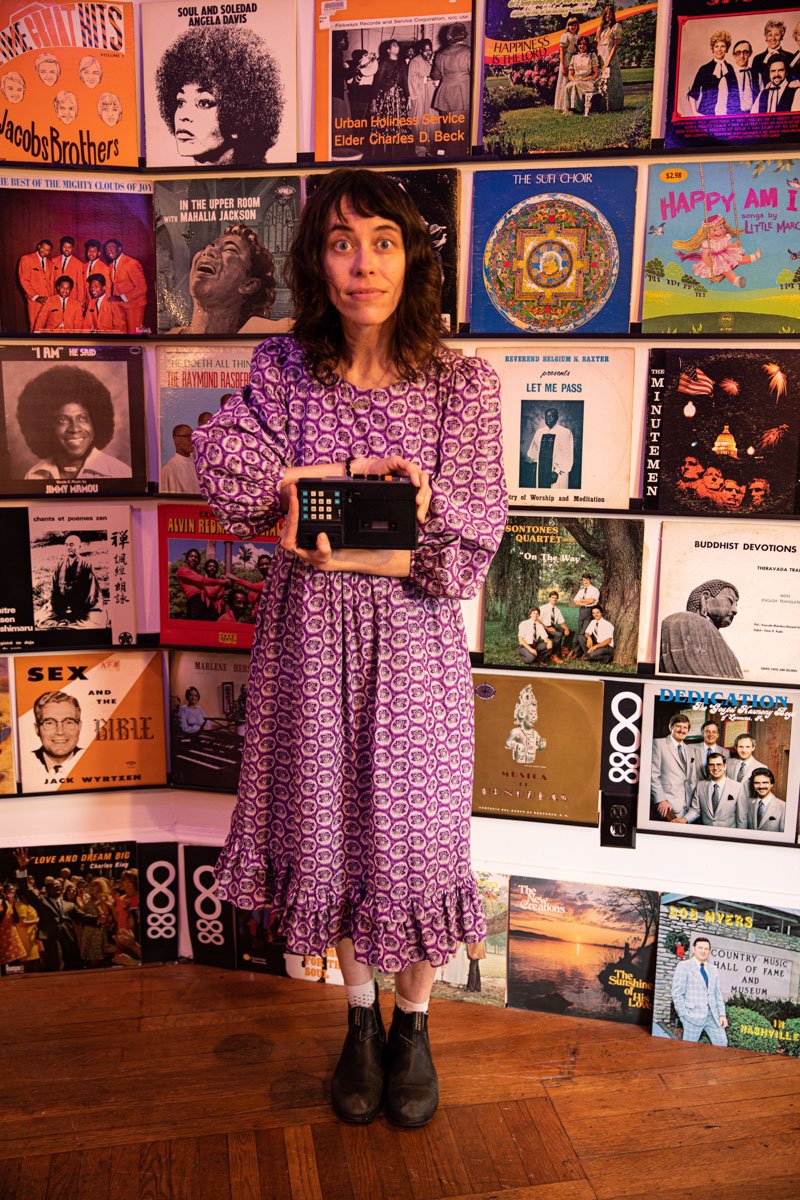
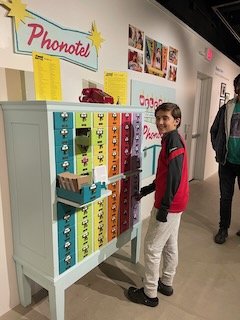
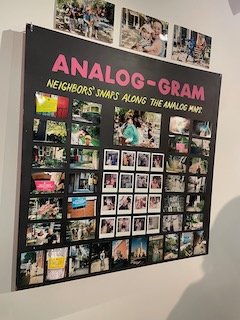
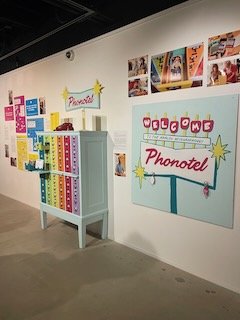
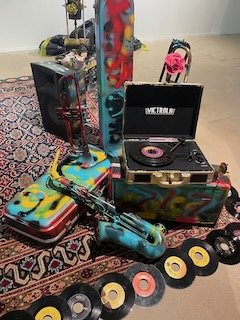
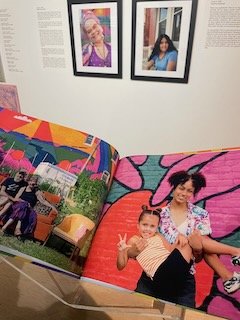
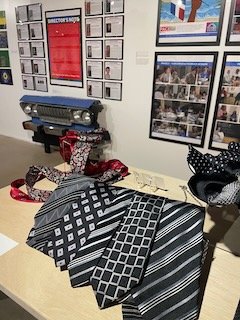
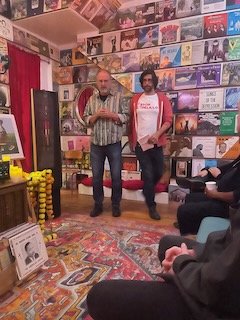
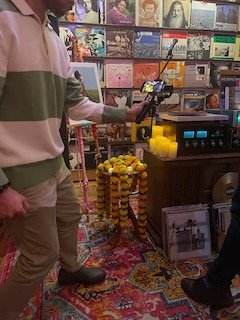
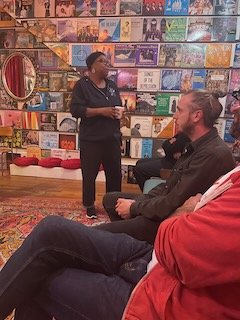
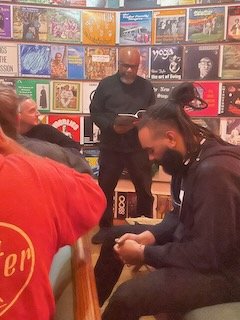
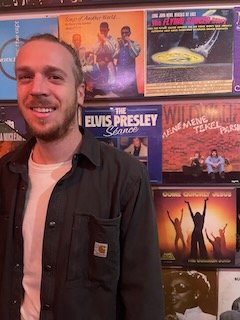
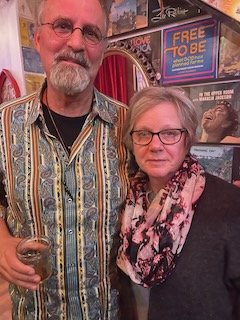
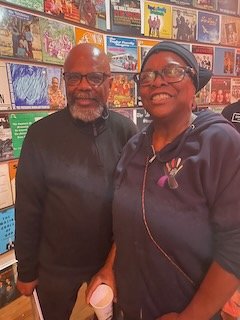
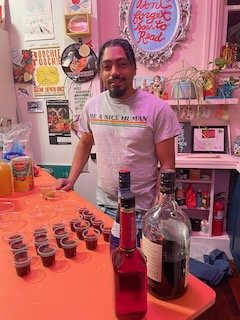
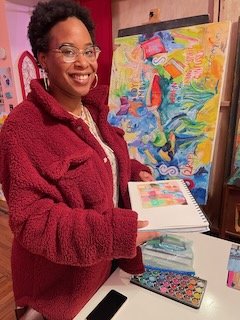
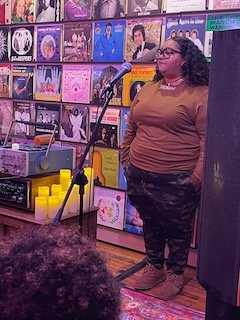
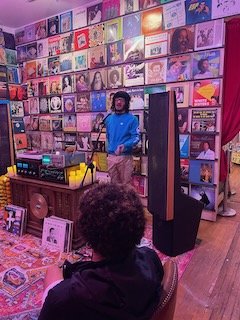
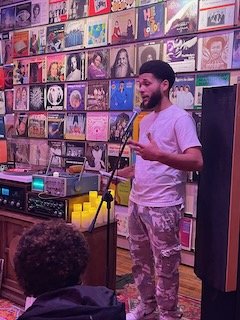
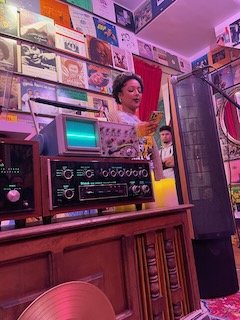
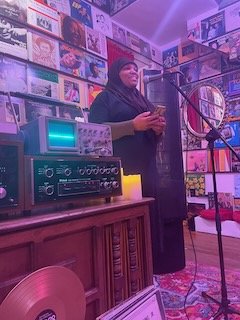
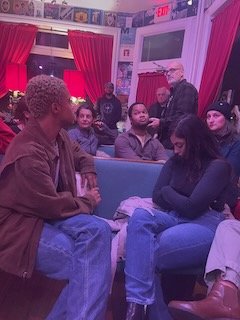
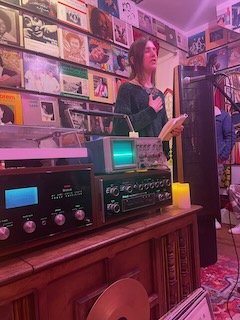
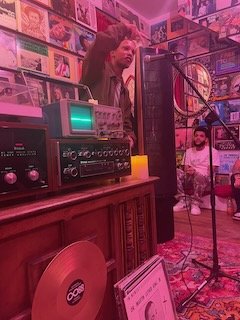
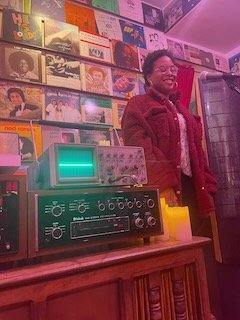
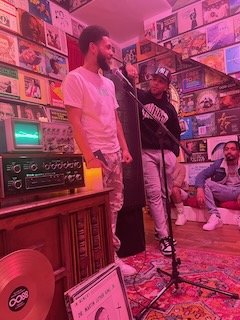
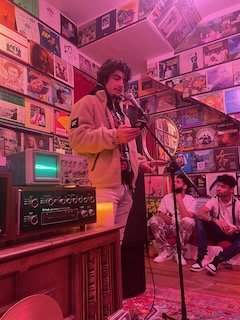
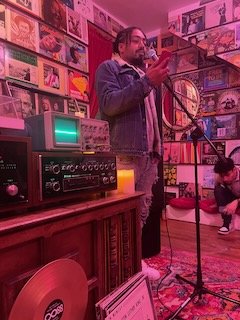
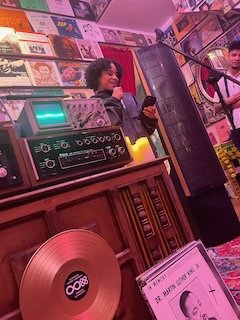
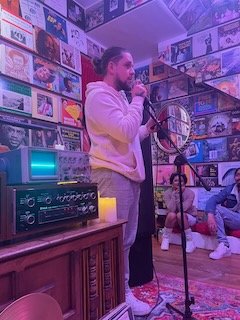
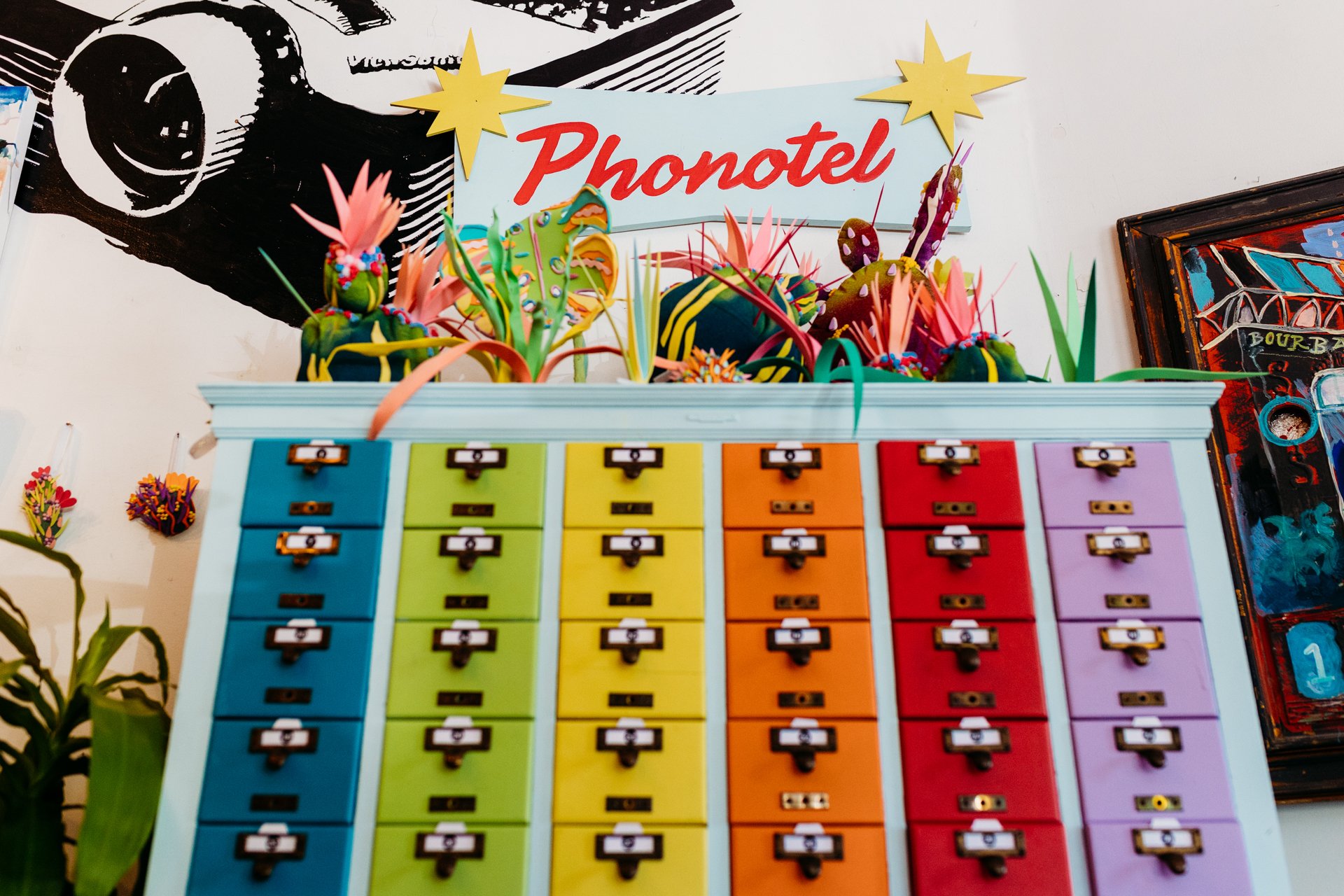
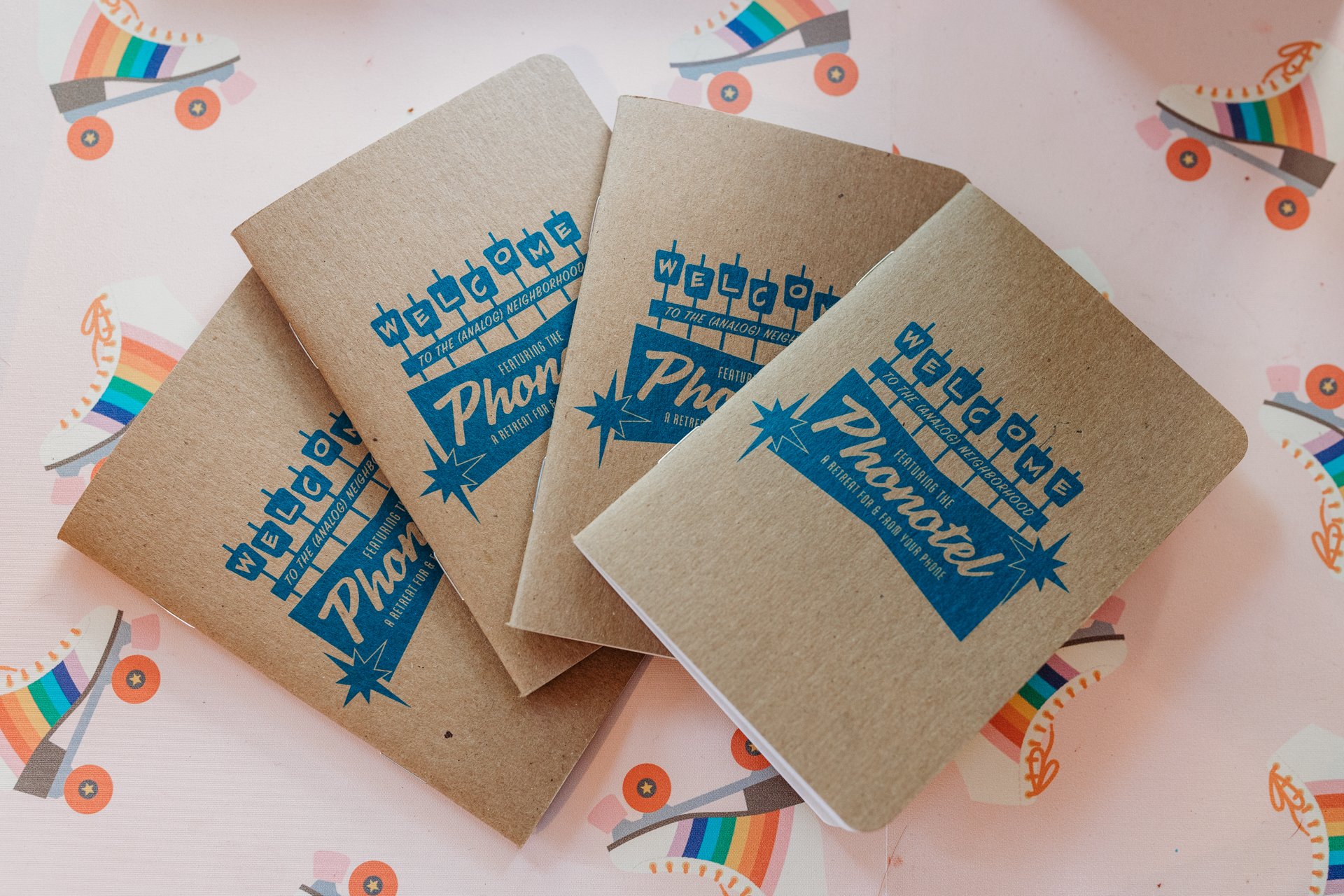
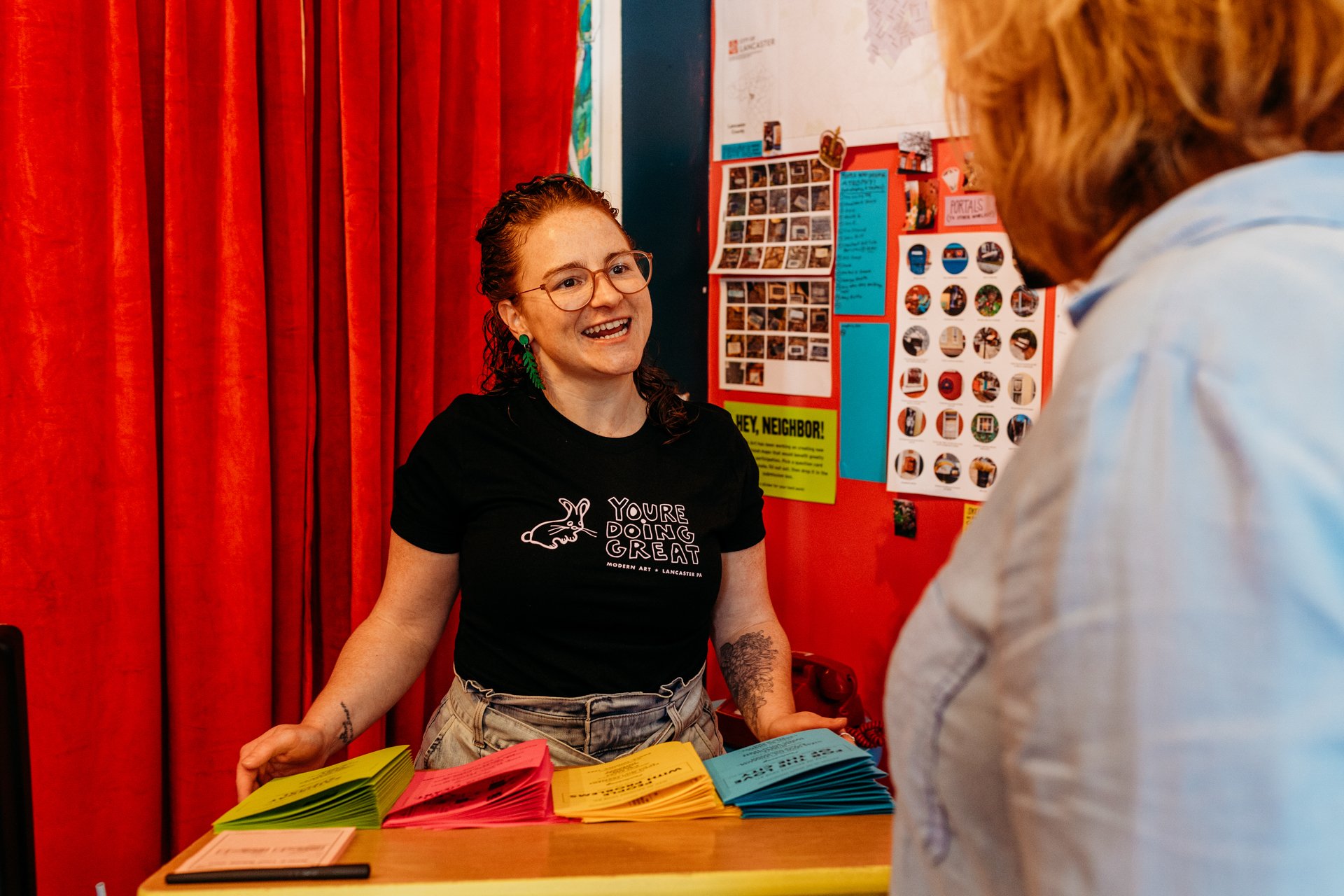
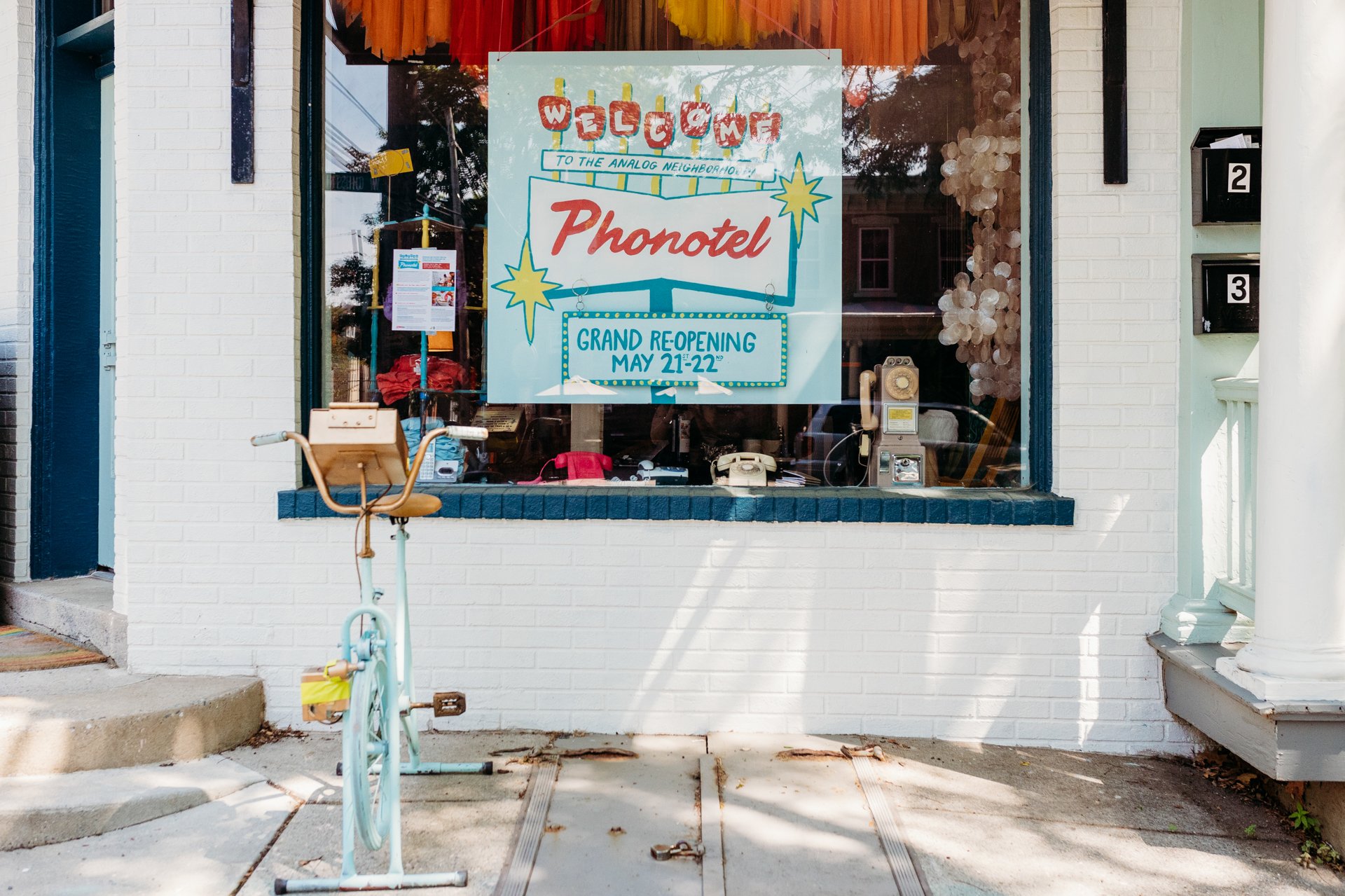
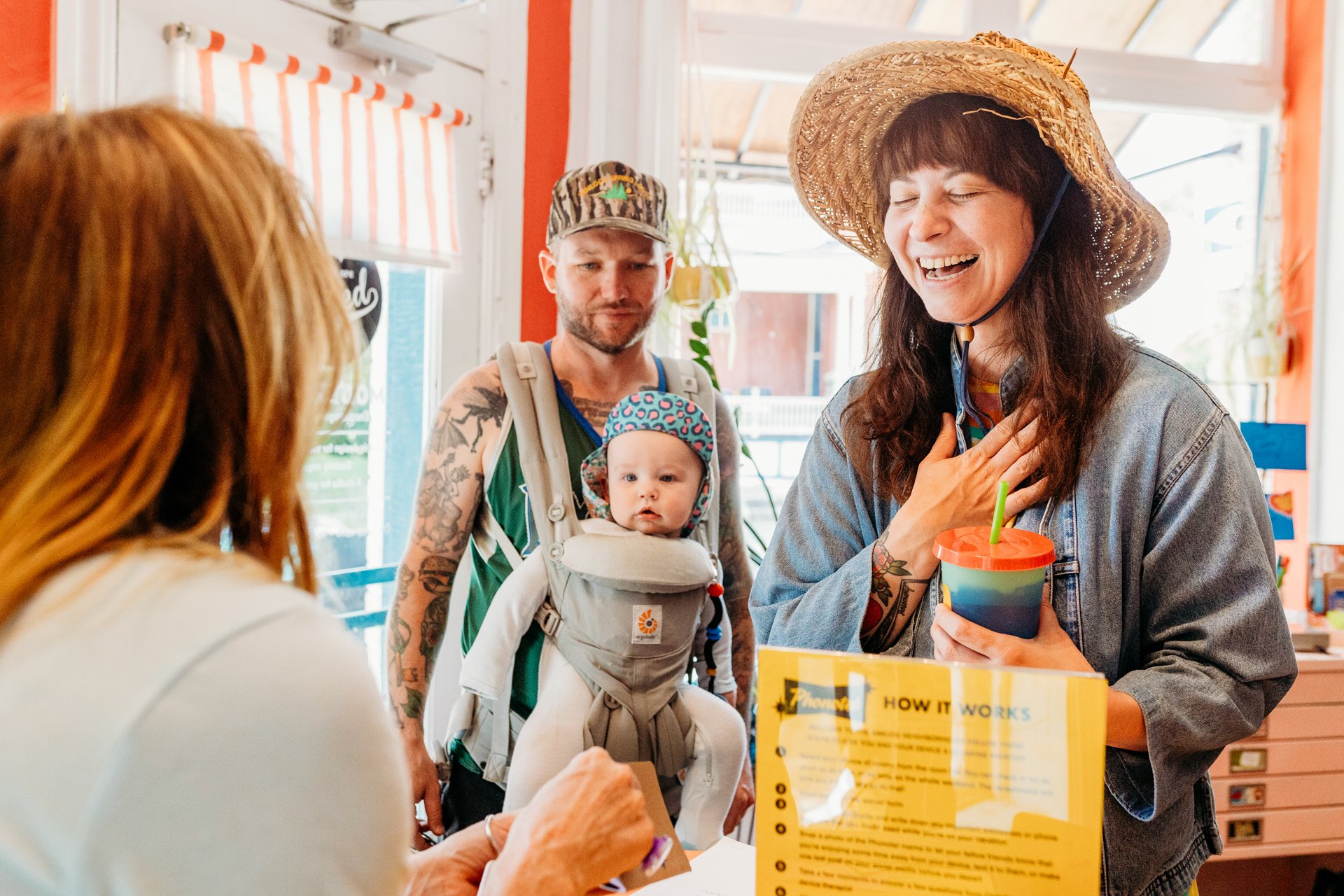
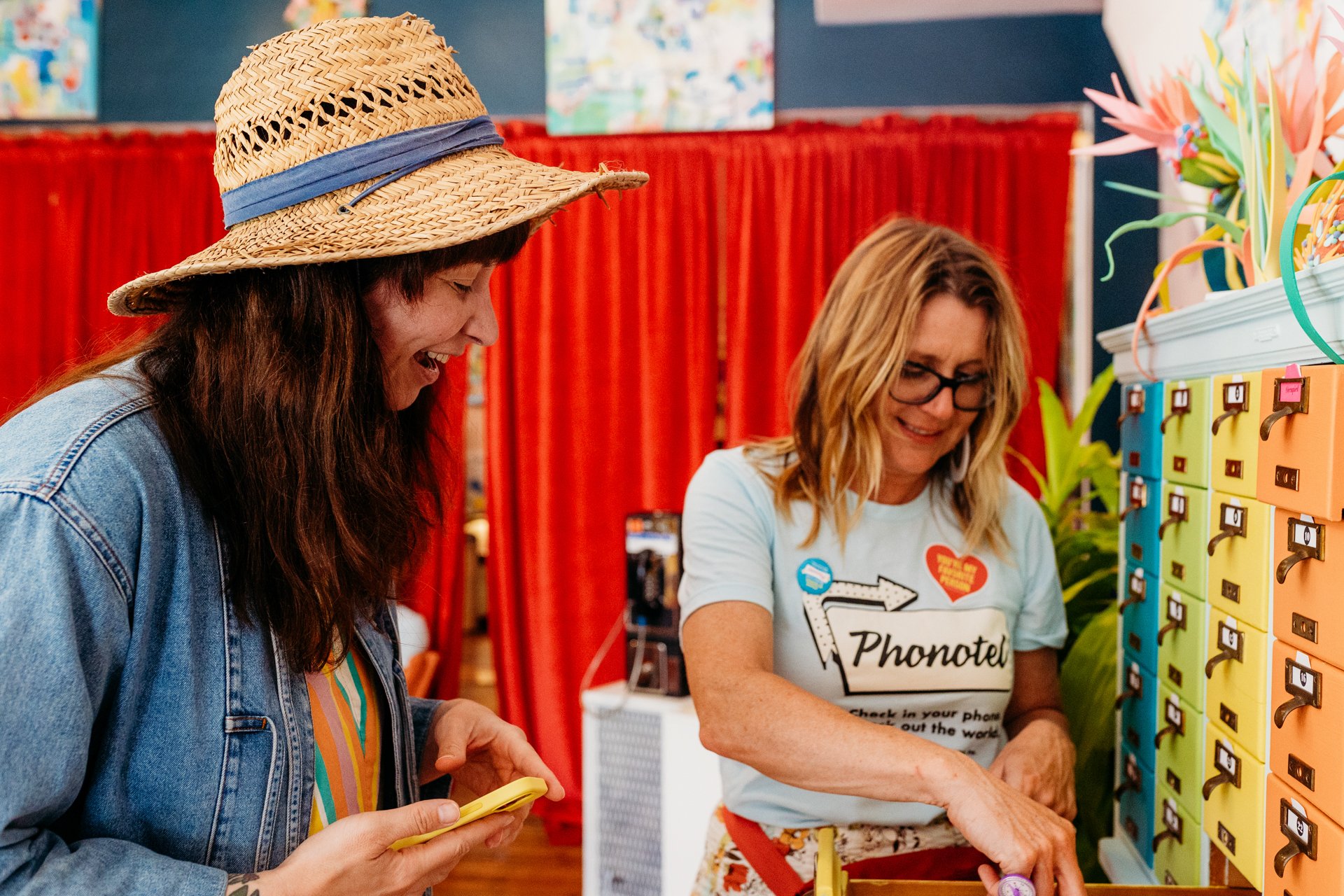
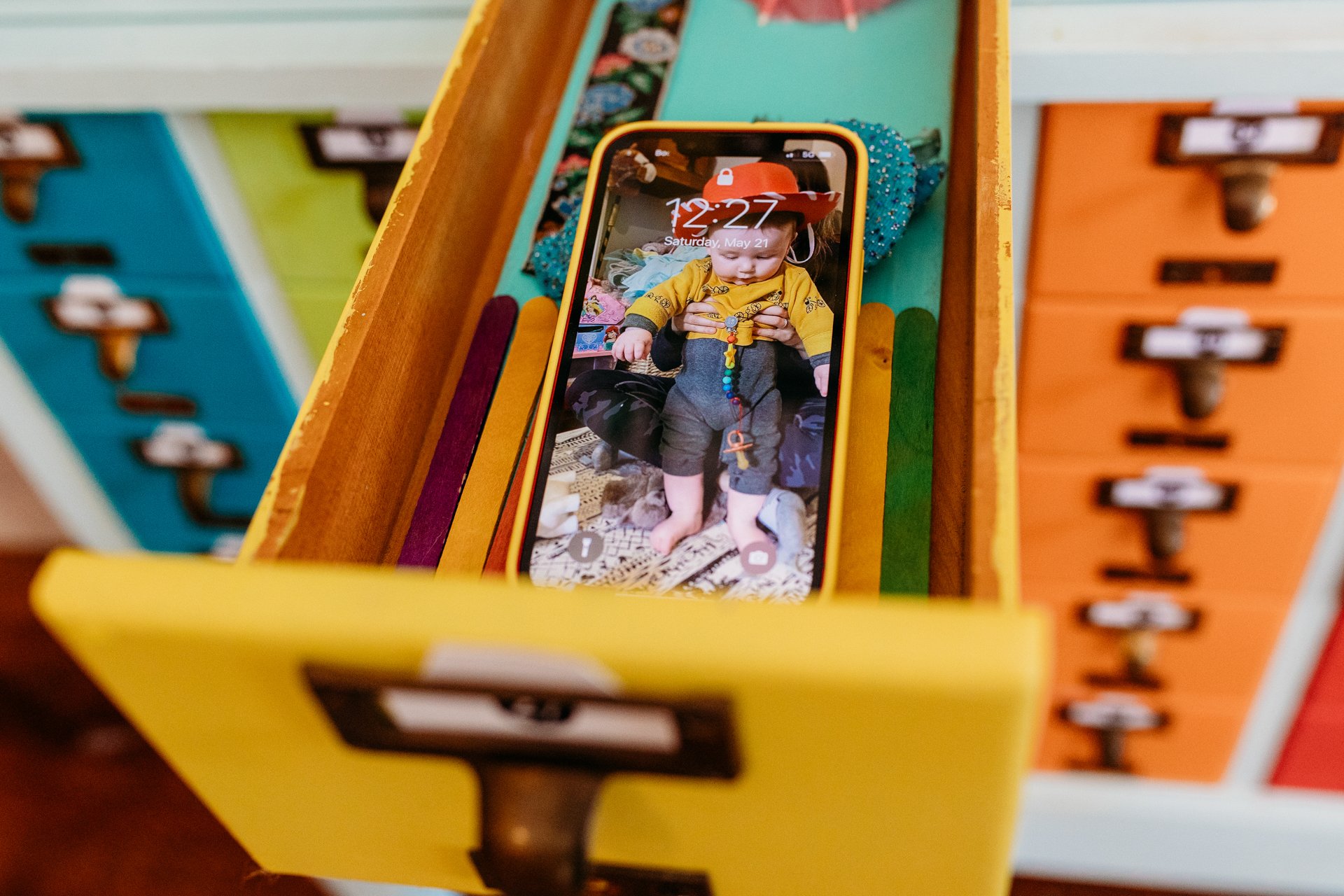
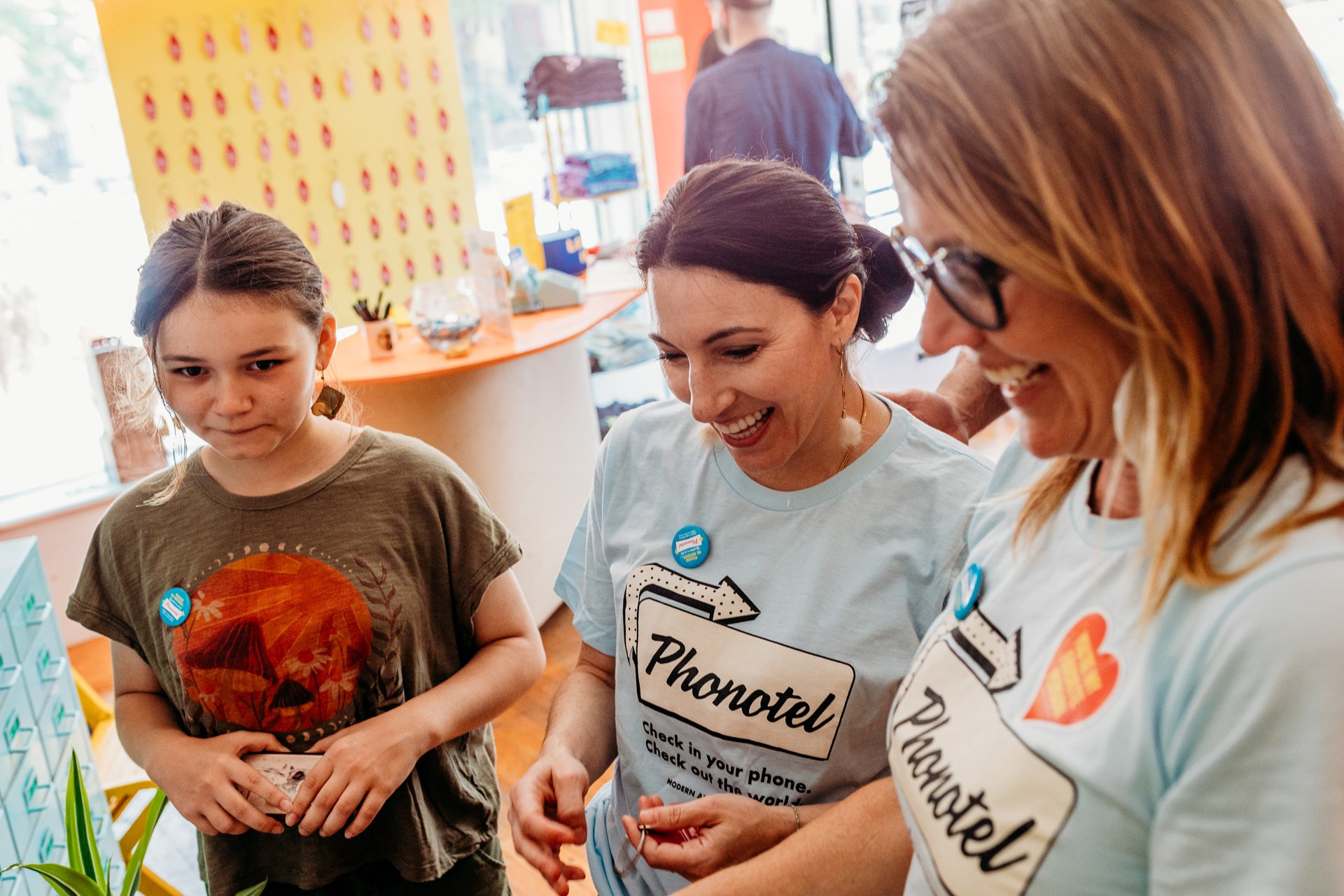
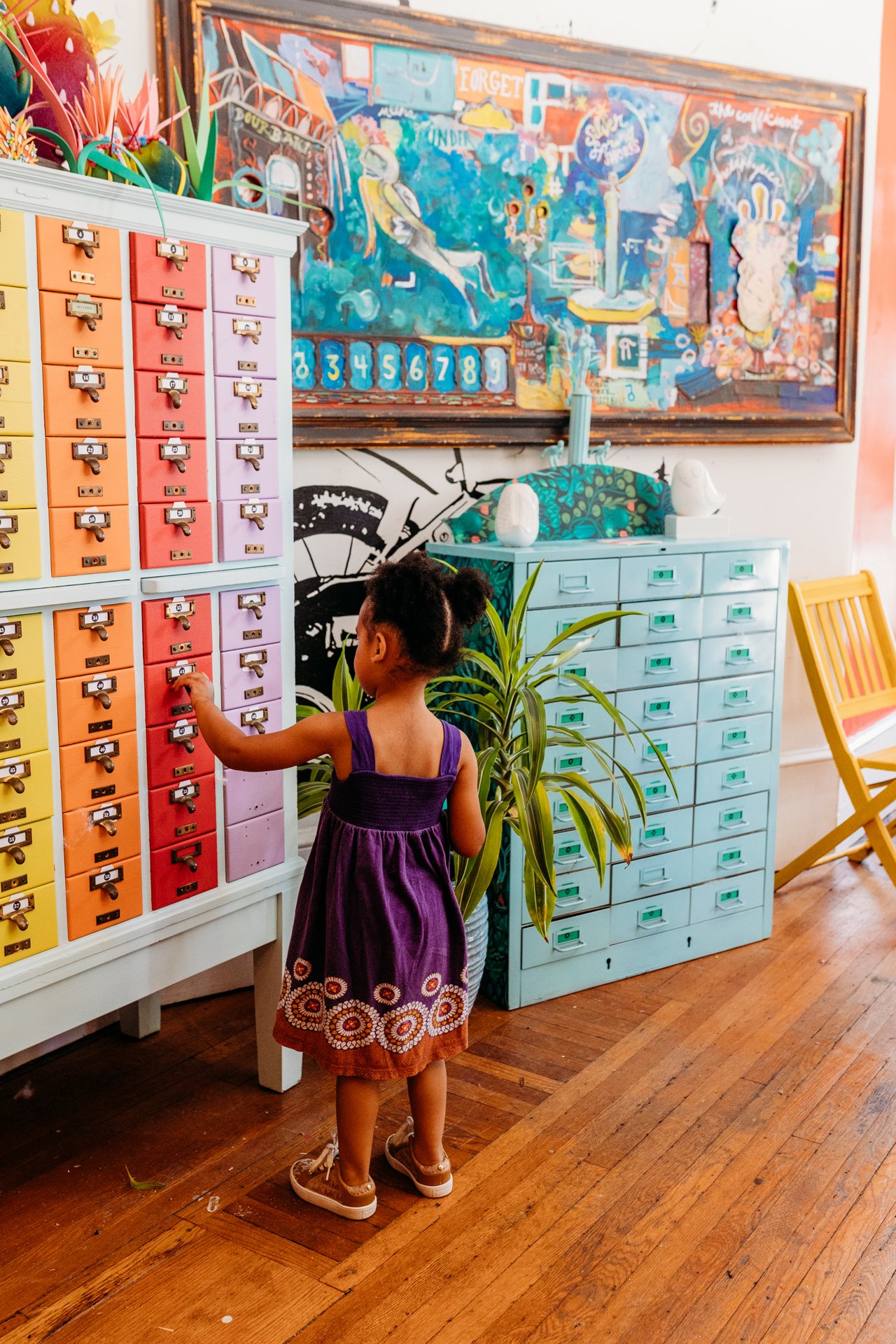
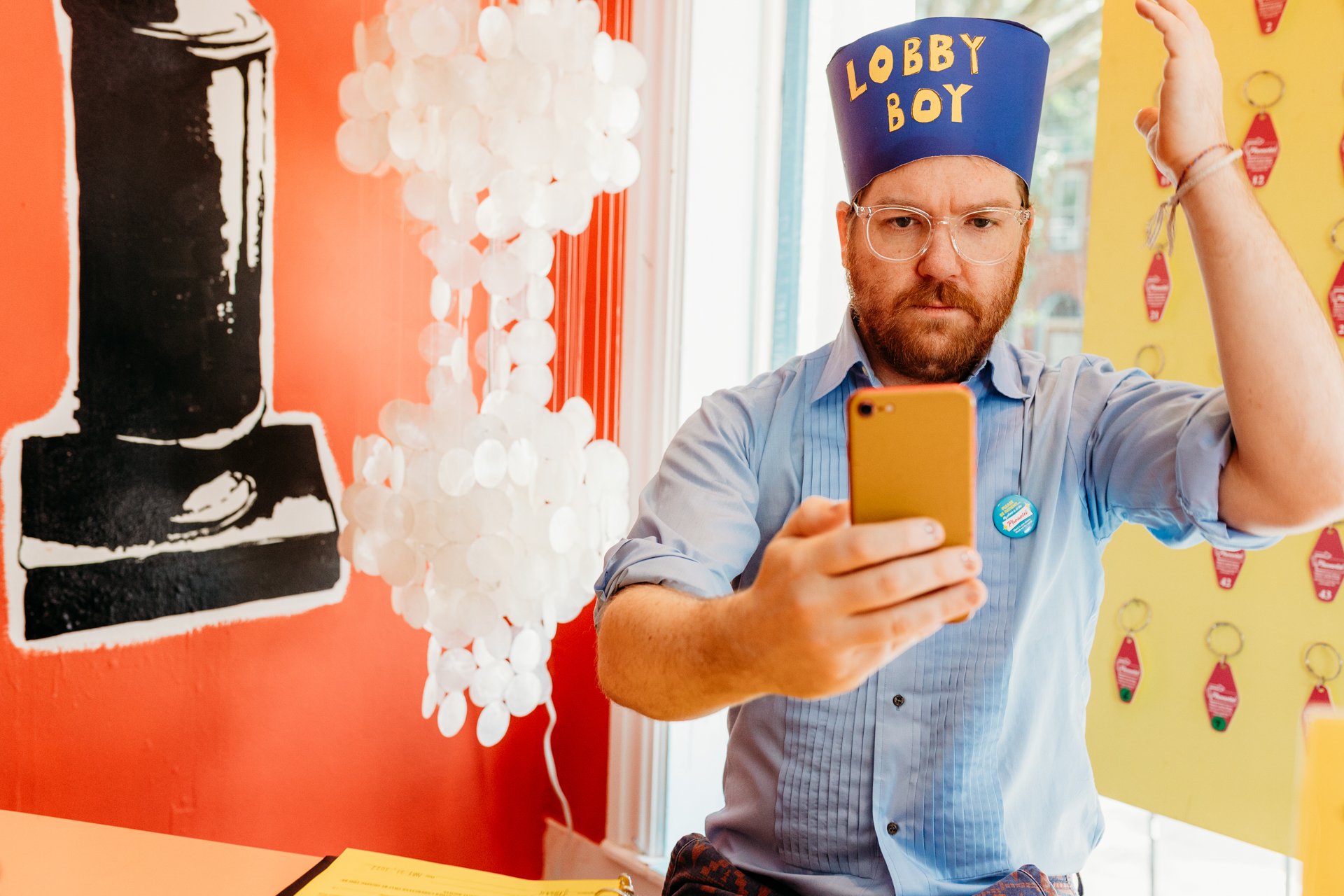
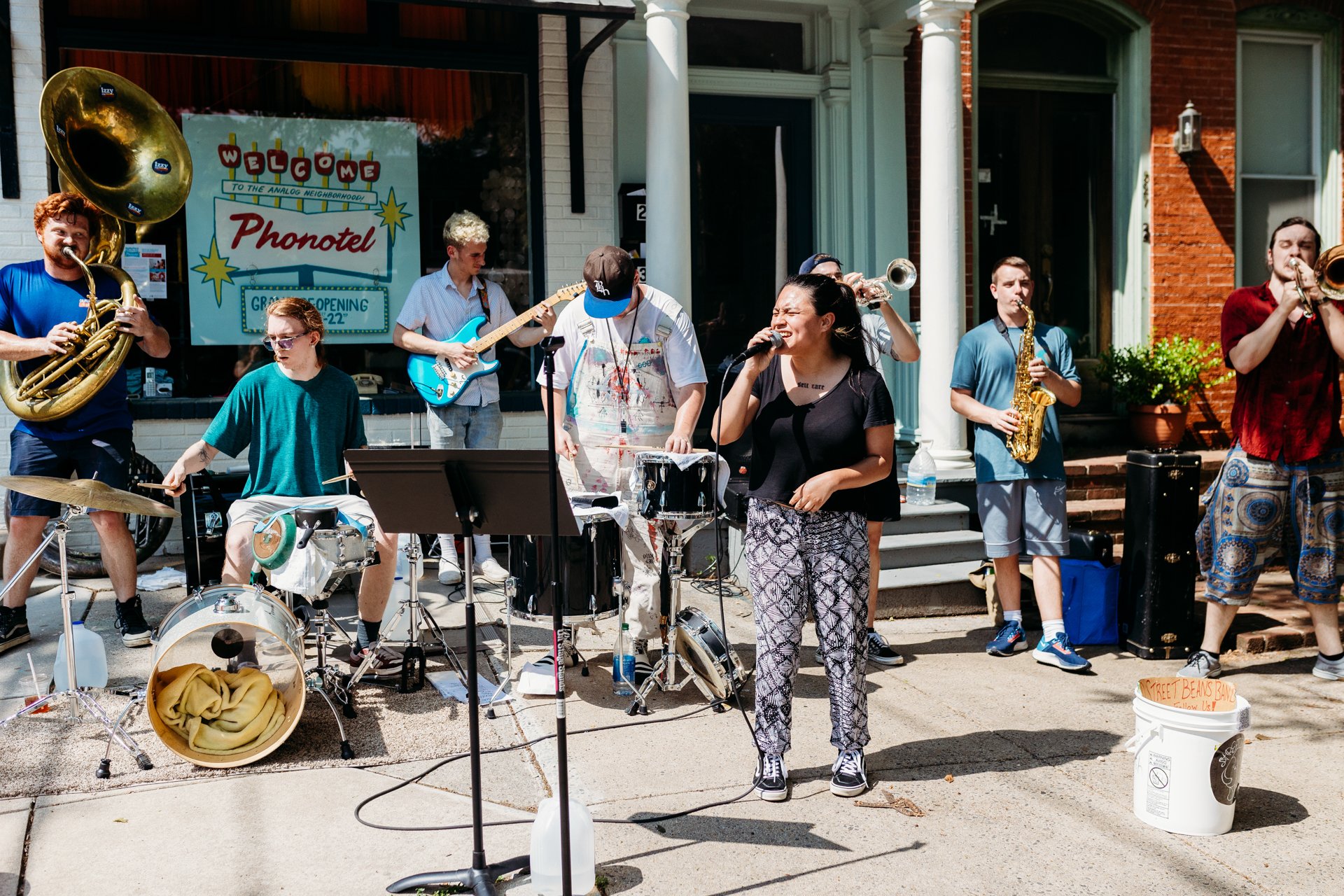
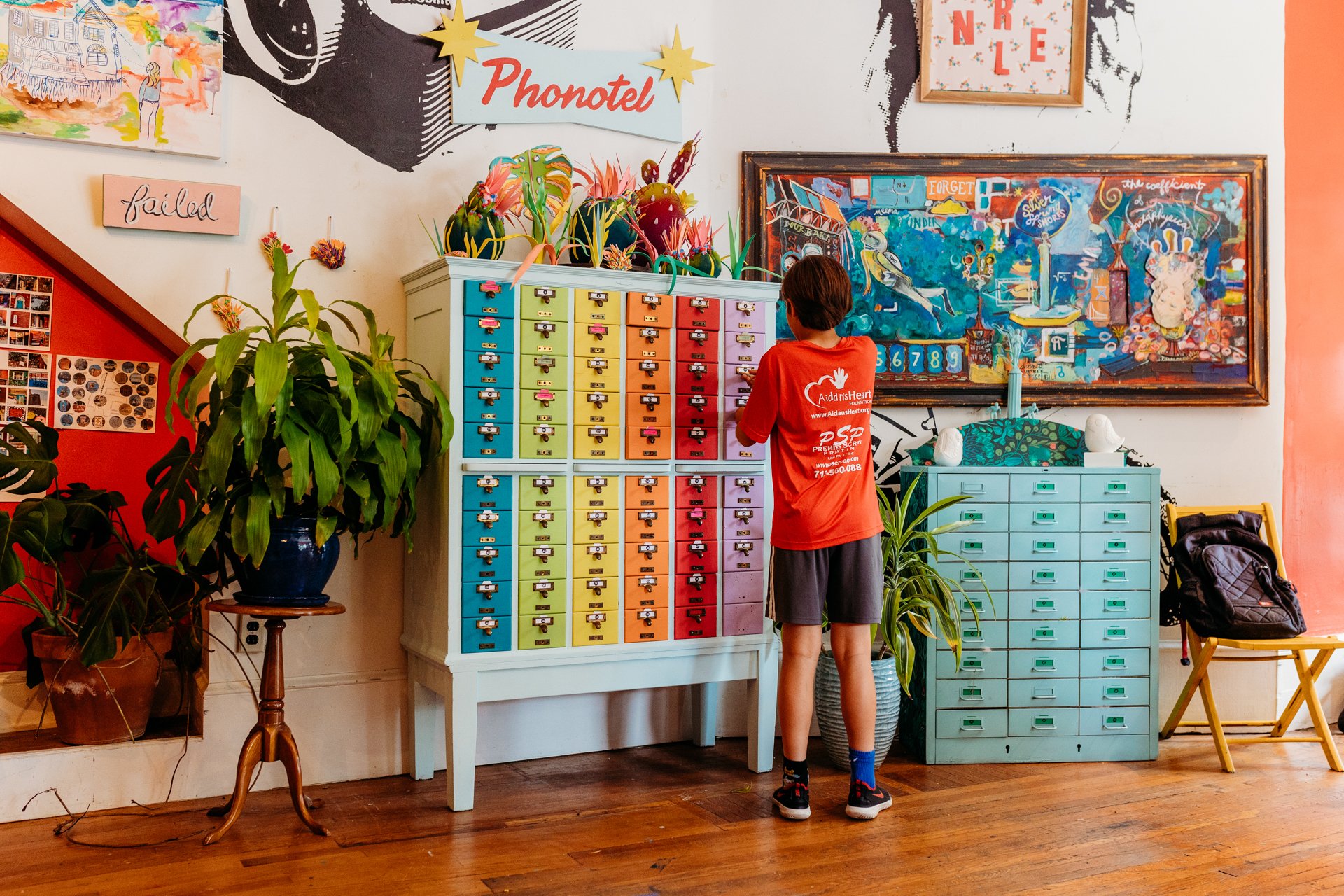
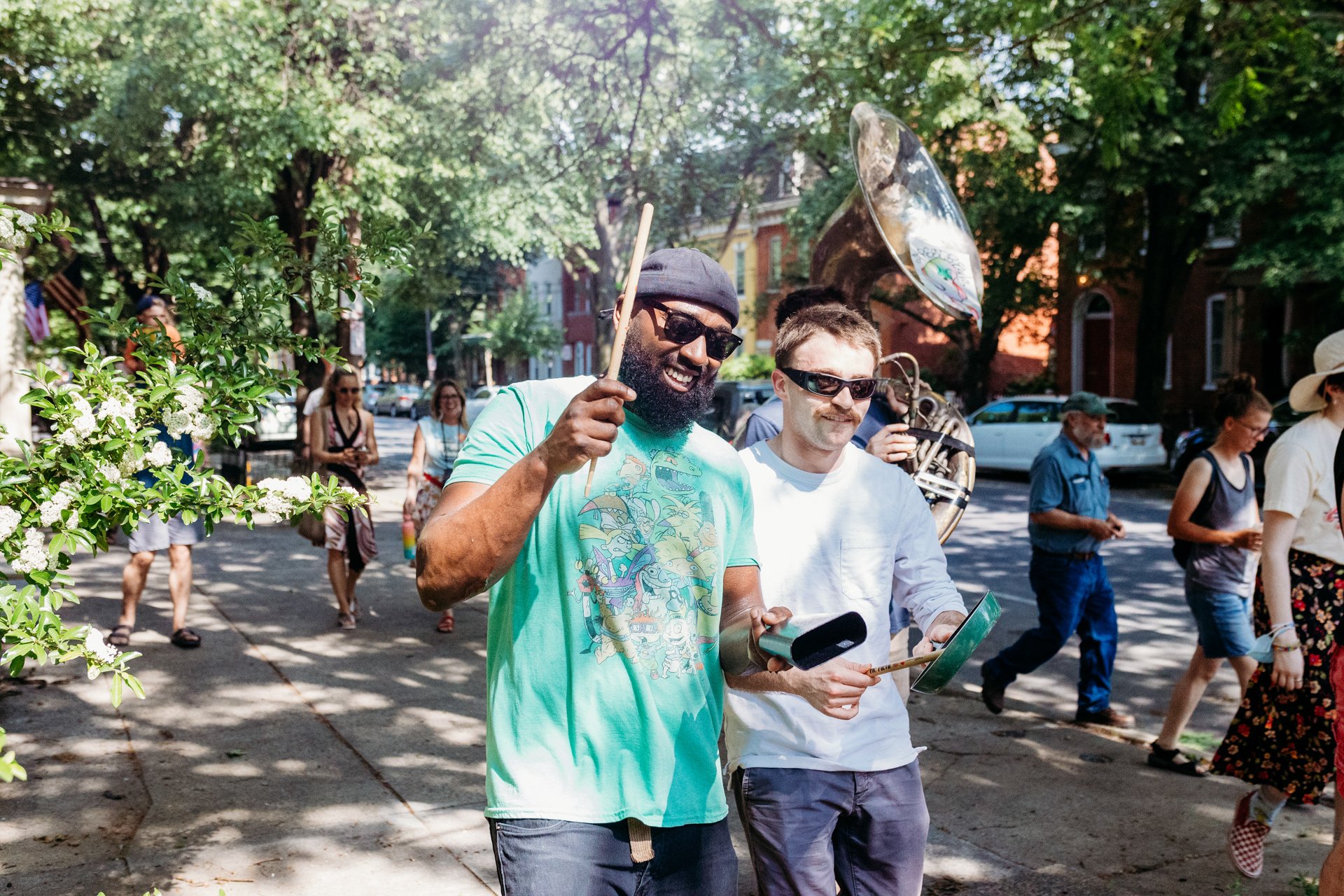
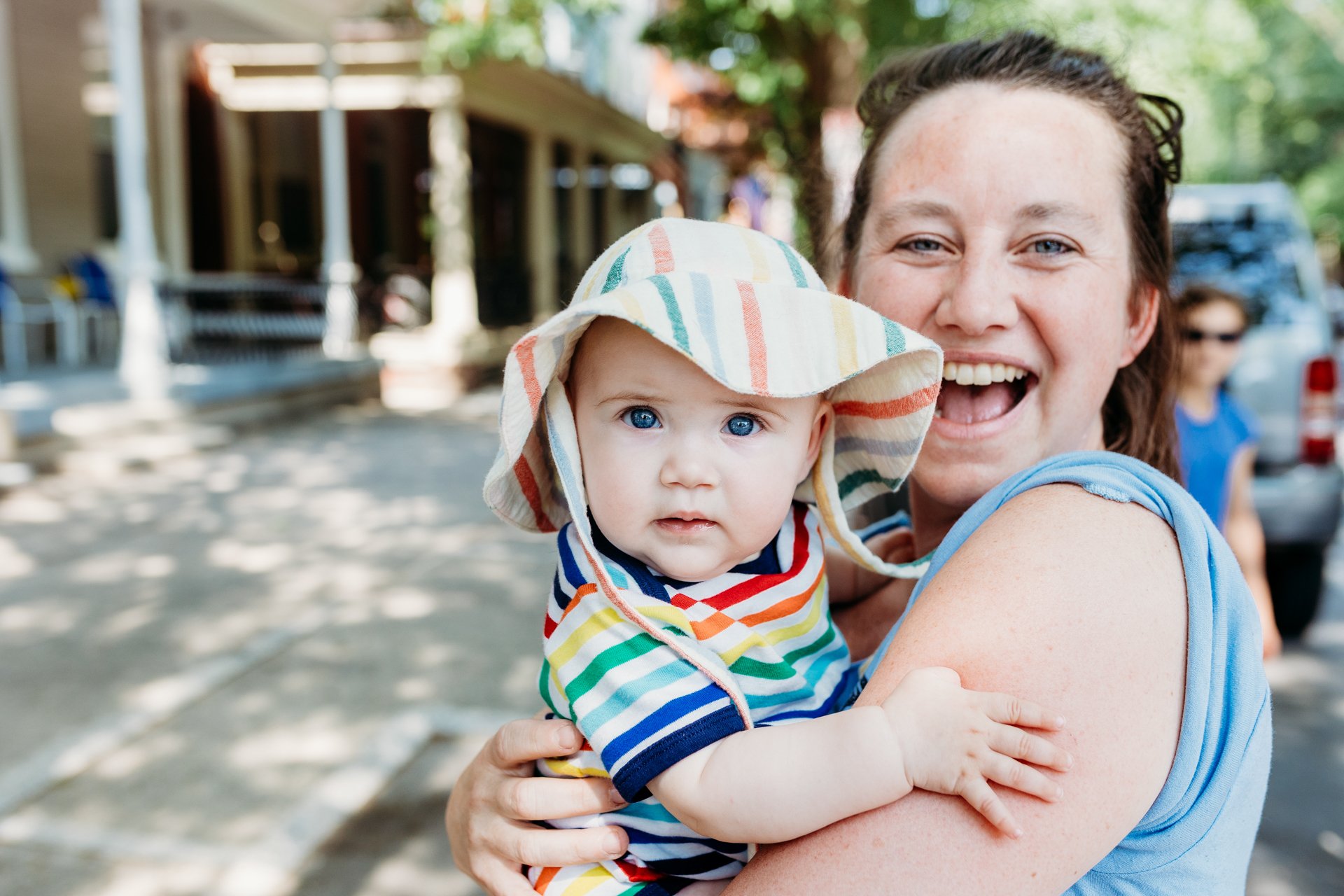
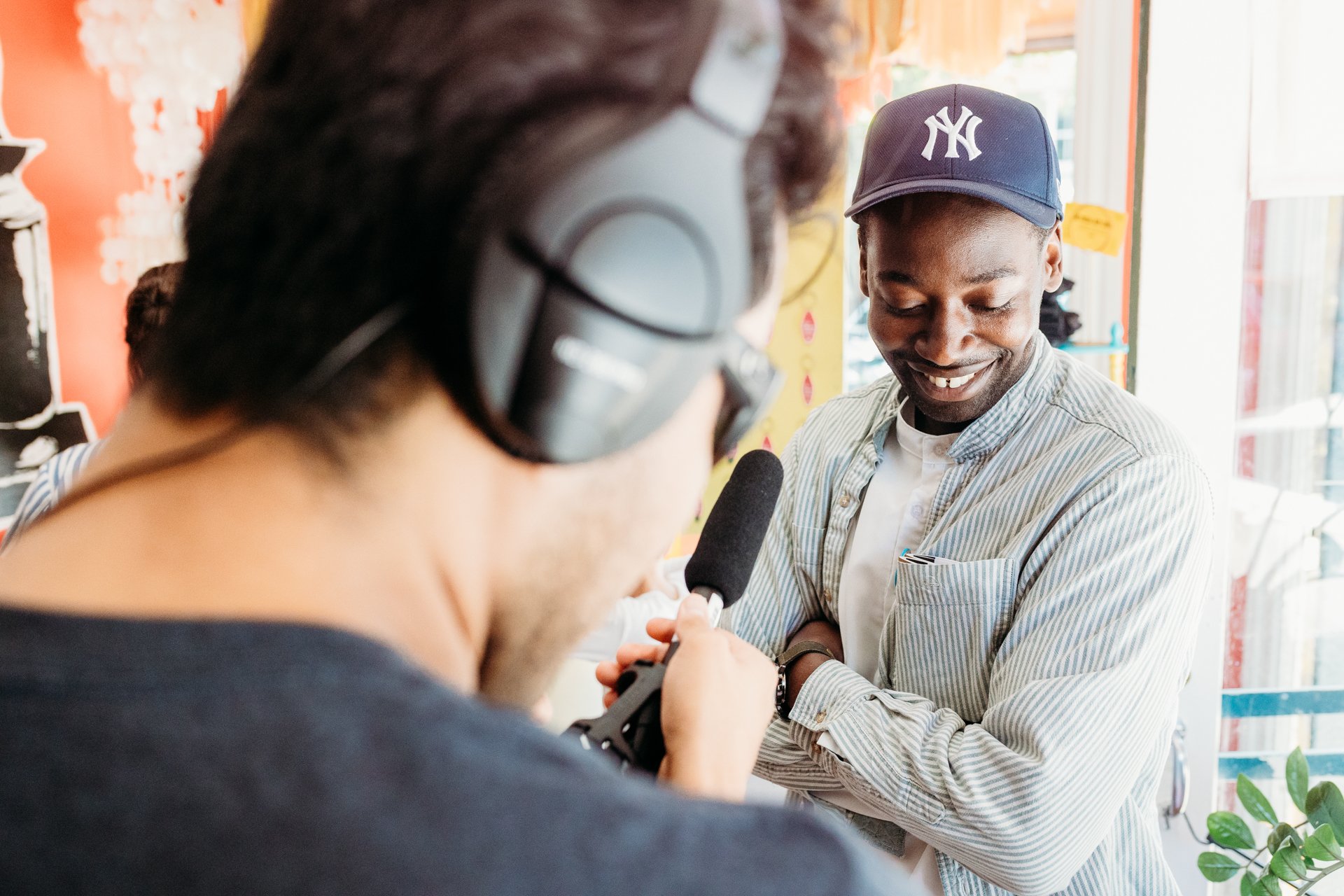
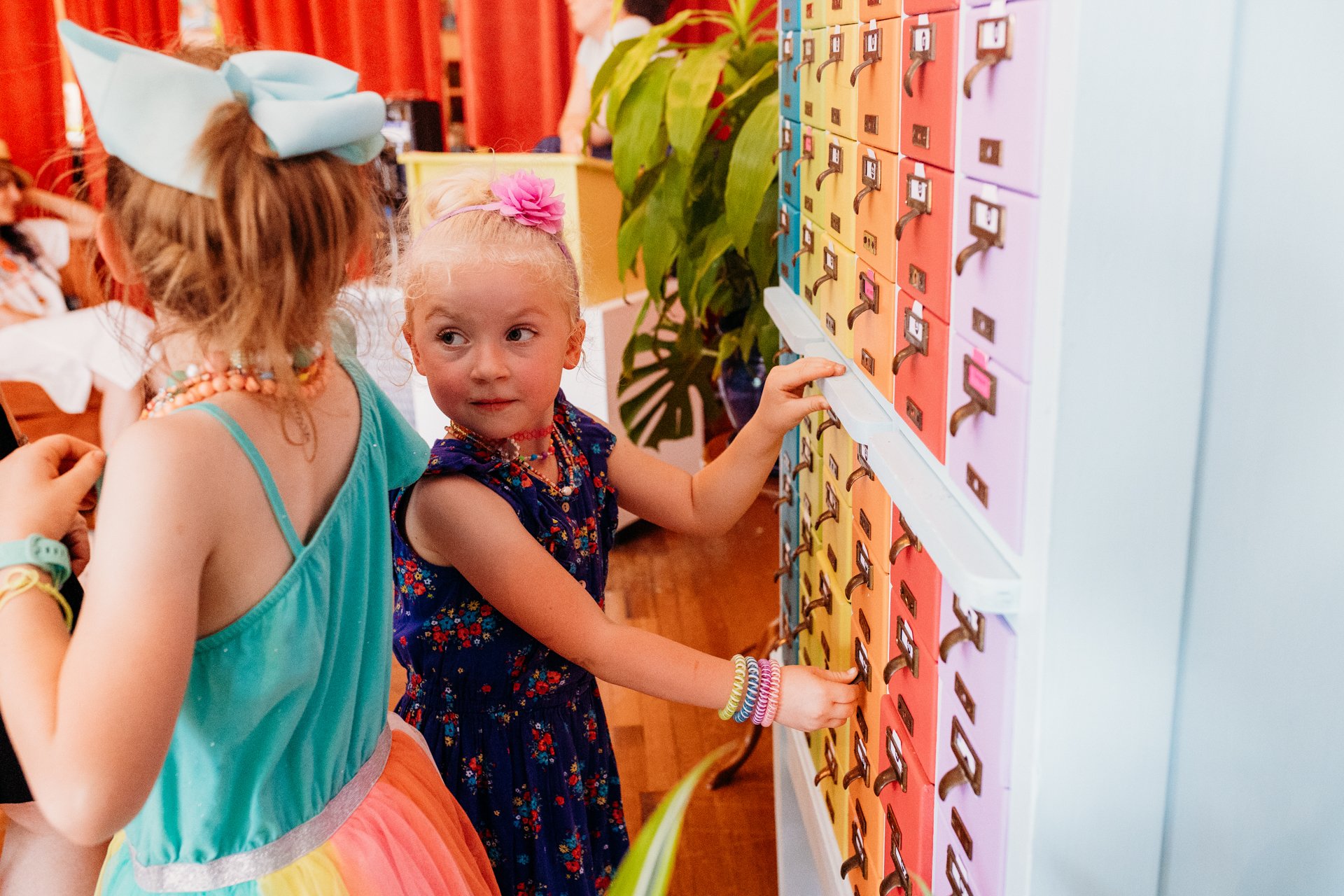
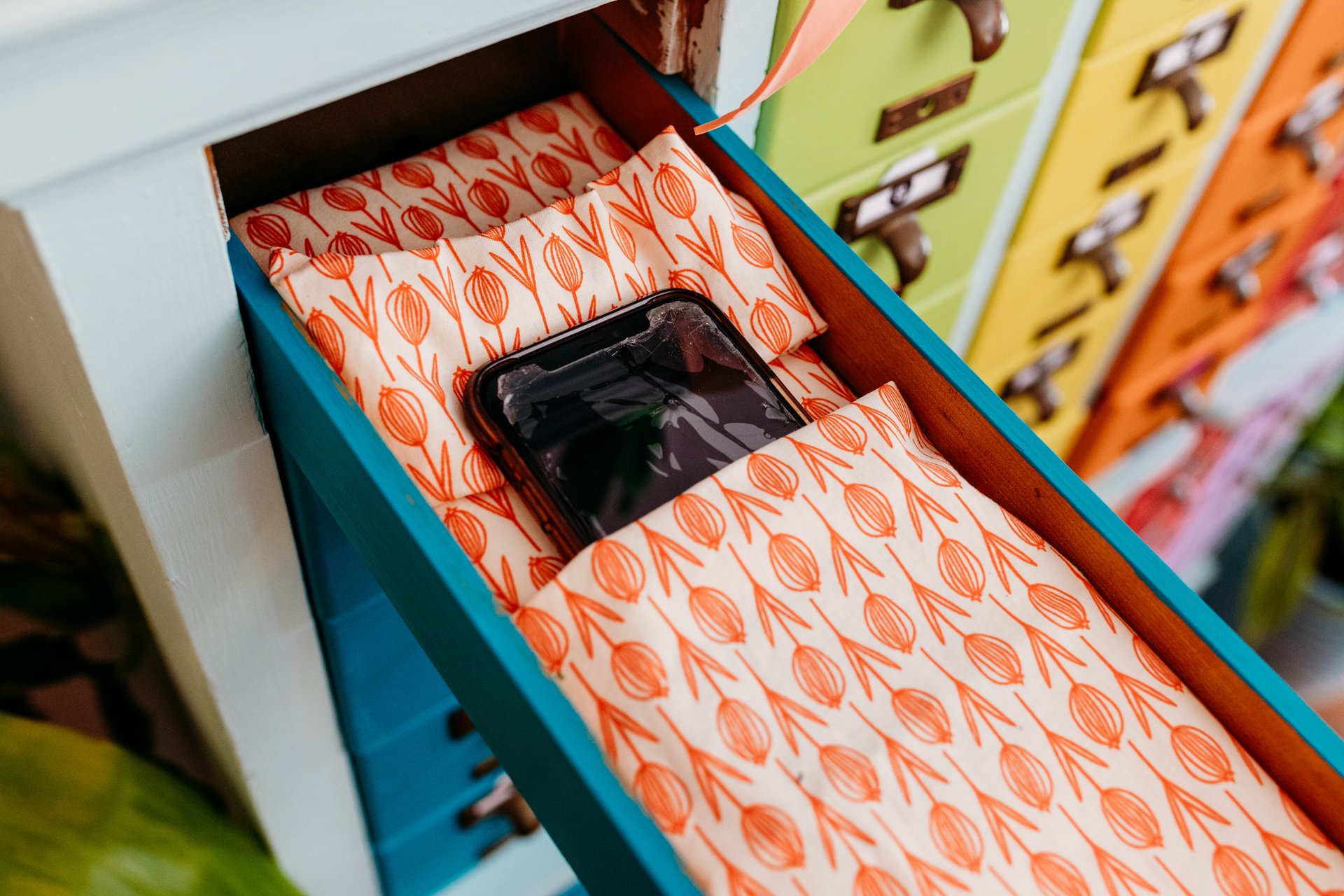
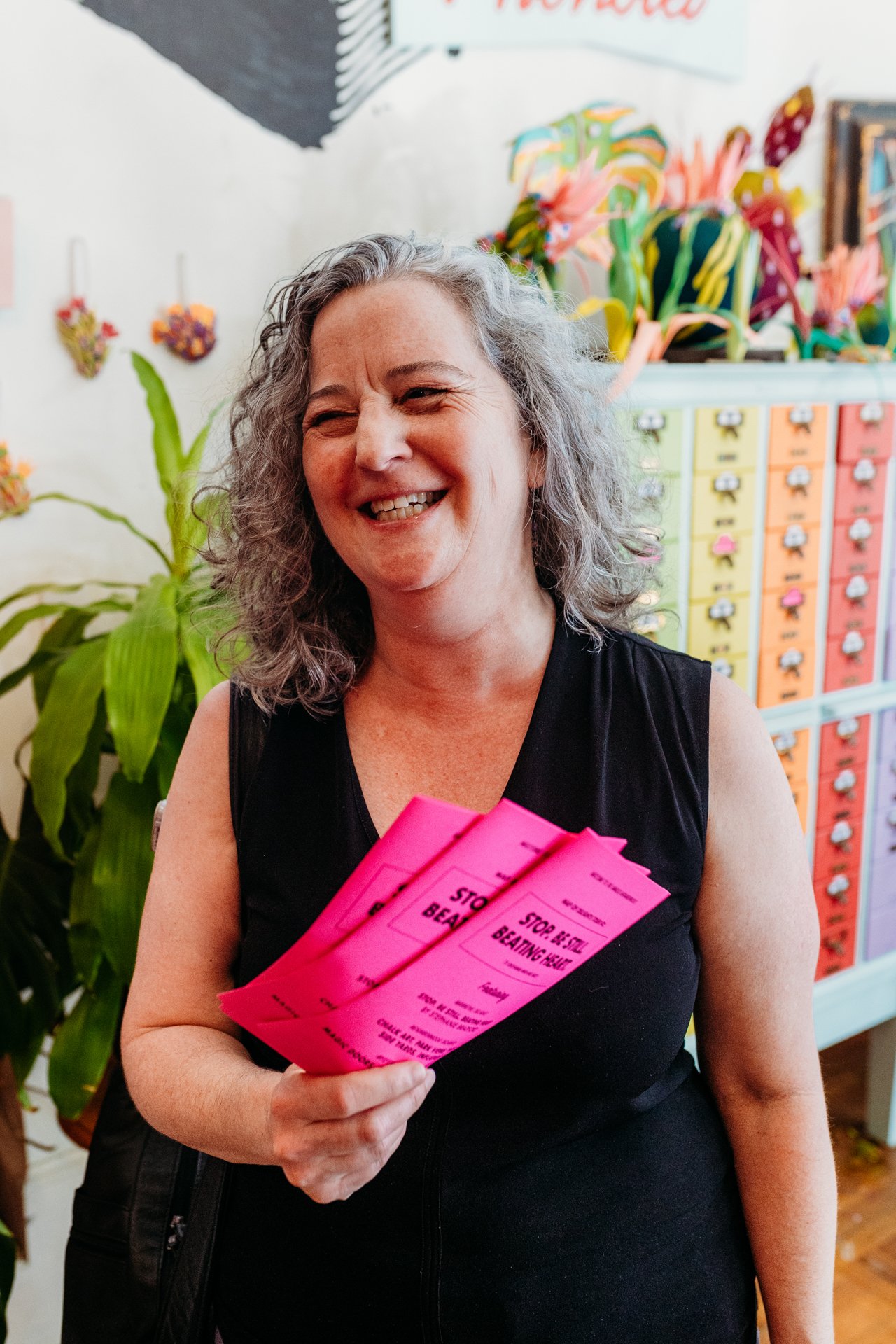
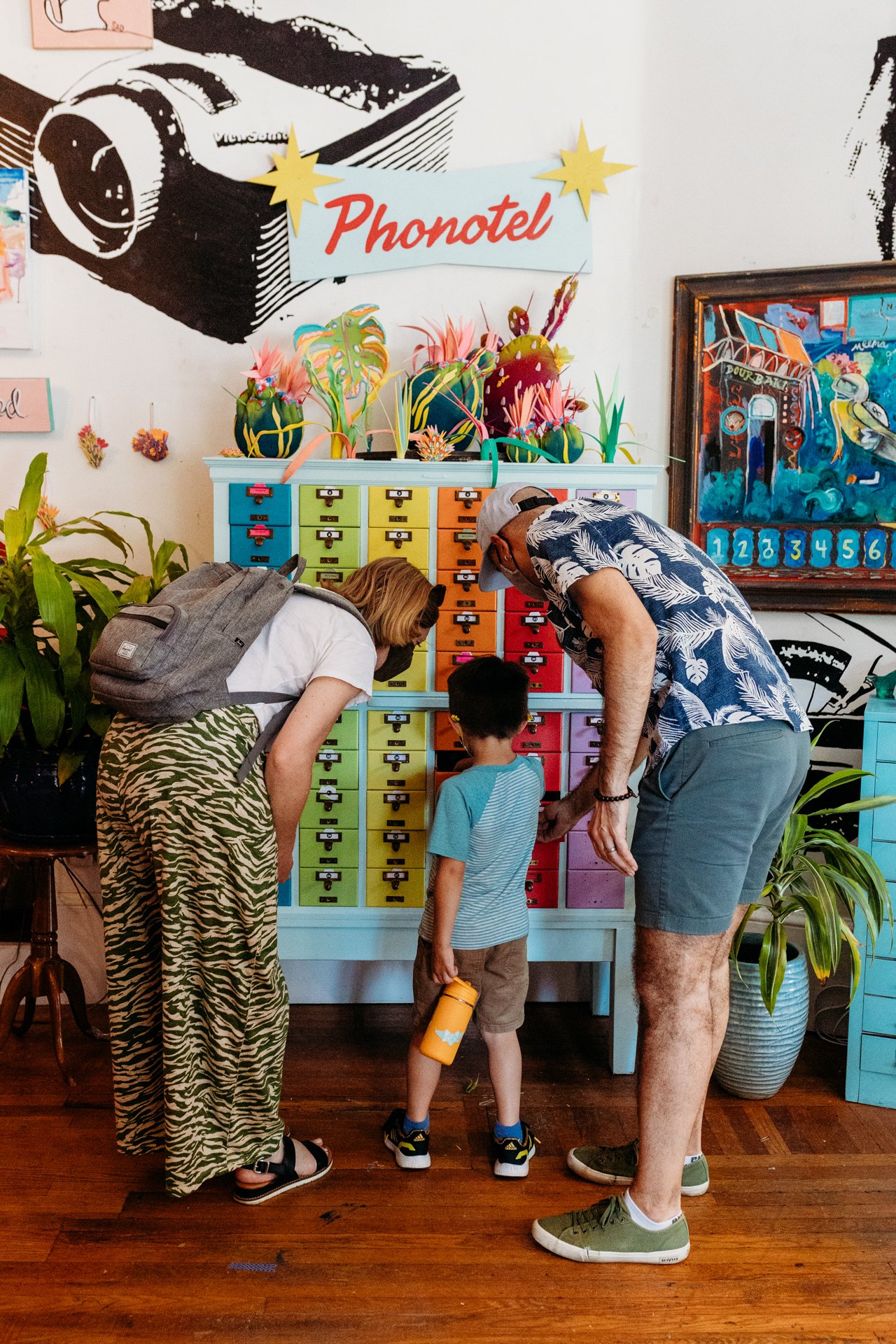
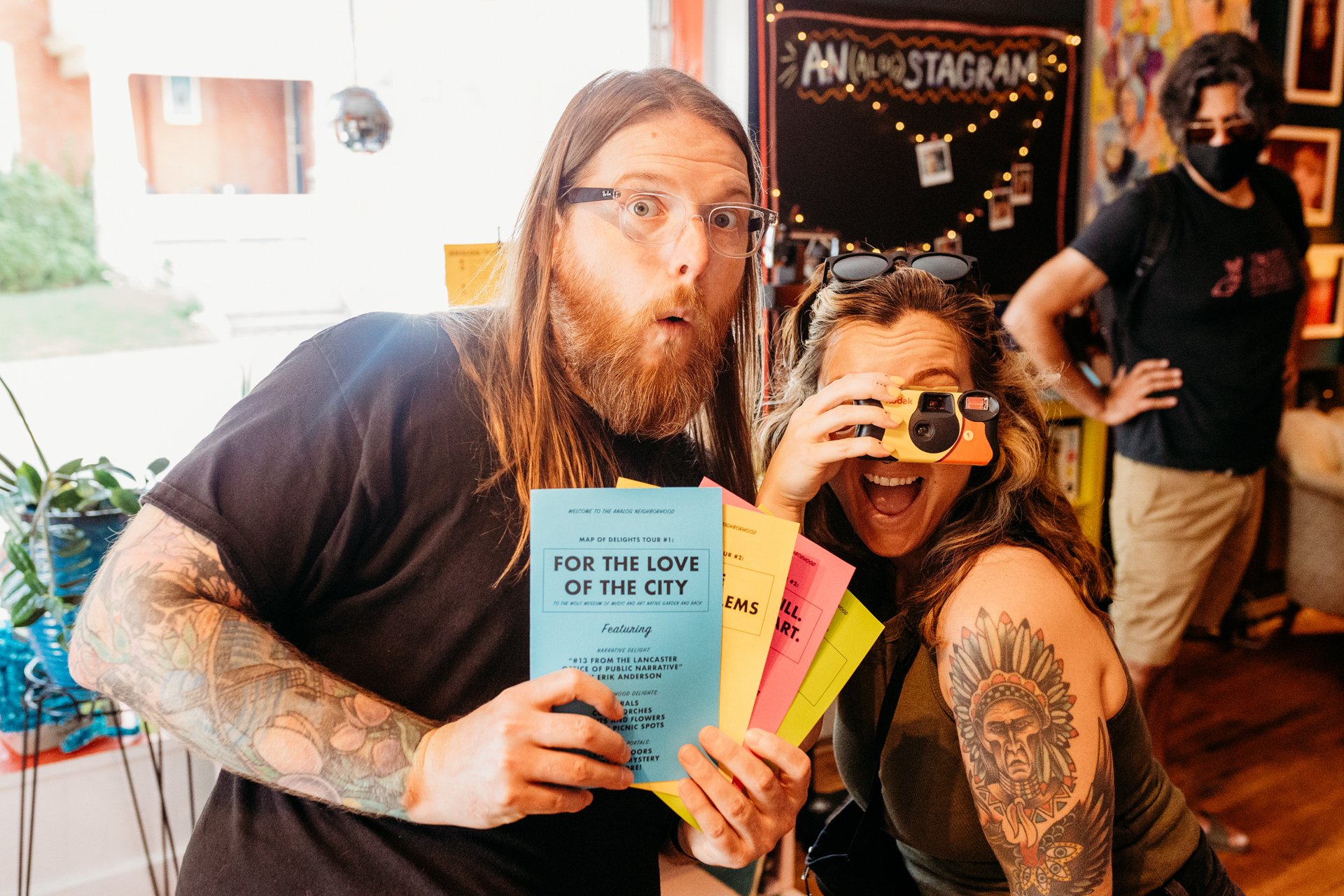
A big shout out to all the wonderful people who helped out, participated, came to visit, gave their phones a vacation, performed, paraded, waved, bellhopped, concierge-ed, lobby boy-ed, interviewed, photographed, hosted signs in their yards, braved the heat to walk the maps of delights, set up neighborhood delights along the way, and so much more, during Modern Art's Welcome to the Analog Weekend. We had a blast!
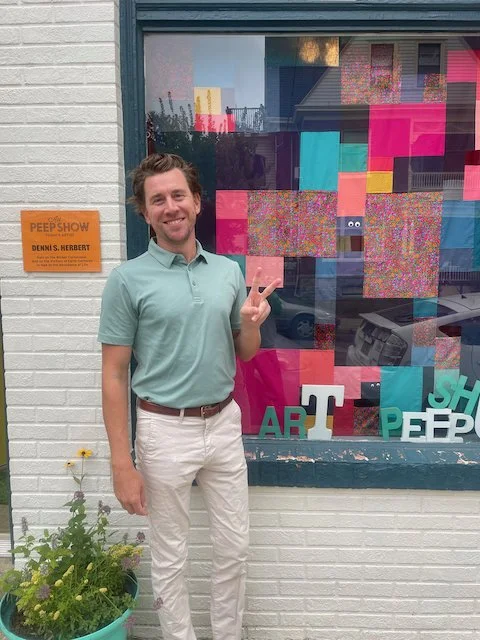
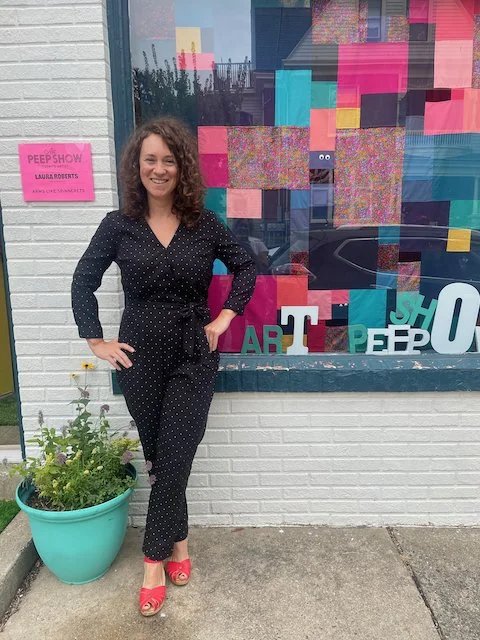
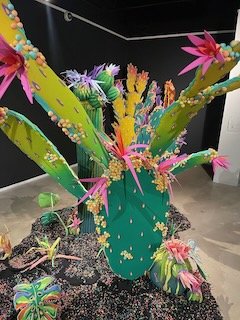
Shout out to Michelle Johnsen for all of the amazing photos below (and for stepping in to help out along the way), to Matt Johnson, Lina Seijo Herbert, Gabrielle Buzgo-Martin, Kerry Sherin Wright, Michele Lombardo and family, Dennis Herbert, Lauren Snell, and Nicole Michels for volunteering, Cristian Toro Meza for interviewing and interpreting, Jill Good for inspiring, Mary Smucker Schroeder , Jenny Schulder Brant and Sidney Brant for helping me pull this together, John Modern for all the love and audio fixing, Scott Bookman and Laura Roberts for setting up their wacko sidewalk boutique, Streetbeans for the fabulous music and parade and not flinching despite the heat, Dawn Cox for feeding me, Shauna Yorty for almost getting stuck in the portal to Nebraska but finding her way out (!), thanks to the Lancaster's Chestnut Hill Neighbors for hosting the 40+ signs in your yards, to Stephanie Bradford, Michele Lombardo, and Erik Anderson for your narrative delights, to Ron B Leik for cutting wood for the Phonotel sign, Amanda Barber for creating a chalk amusement park on the path, To Matty Geez for his magical cacti, to Mean Cup for offering fist bumps and stickers to participants. And a big thank you to the City of Lancaster, PA and Neighborhood Engagement Lancaster for supporting this project through their PACE Neighbors program. (and thanks to all the people I know I'm forgetting!!)